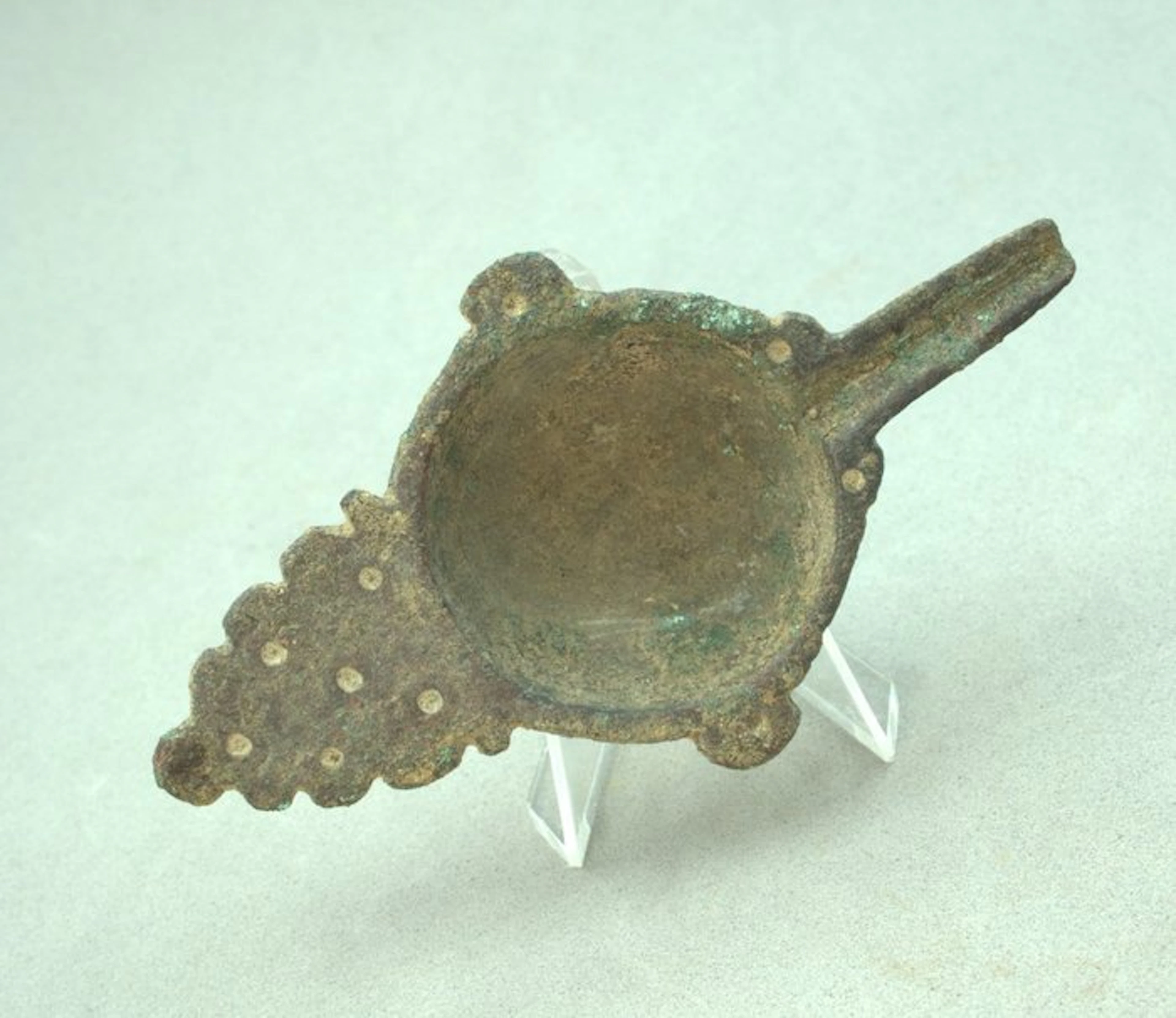


OCT 8 | 3:00 PM

¡Lleva tu subasta a coleccionistas de todo el mundo!
Publica ahoraAl suscribirte, aceptas la política de privacidad. Cancela tu suscripción en cualquier momento.
Barnebys HQ
Brahegatan 10
BOX 5038
114 37 Stockholm
Todas las subastas / Arte Antiguo / Ancient Roman Terracotta Statue of Telesphorus - Symbol of recovery and healing

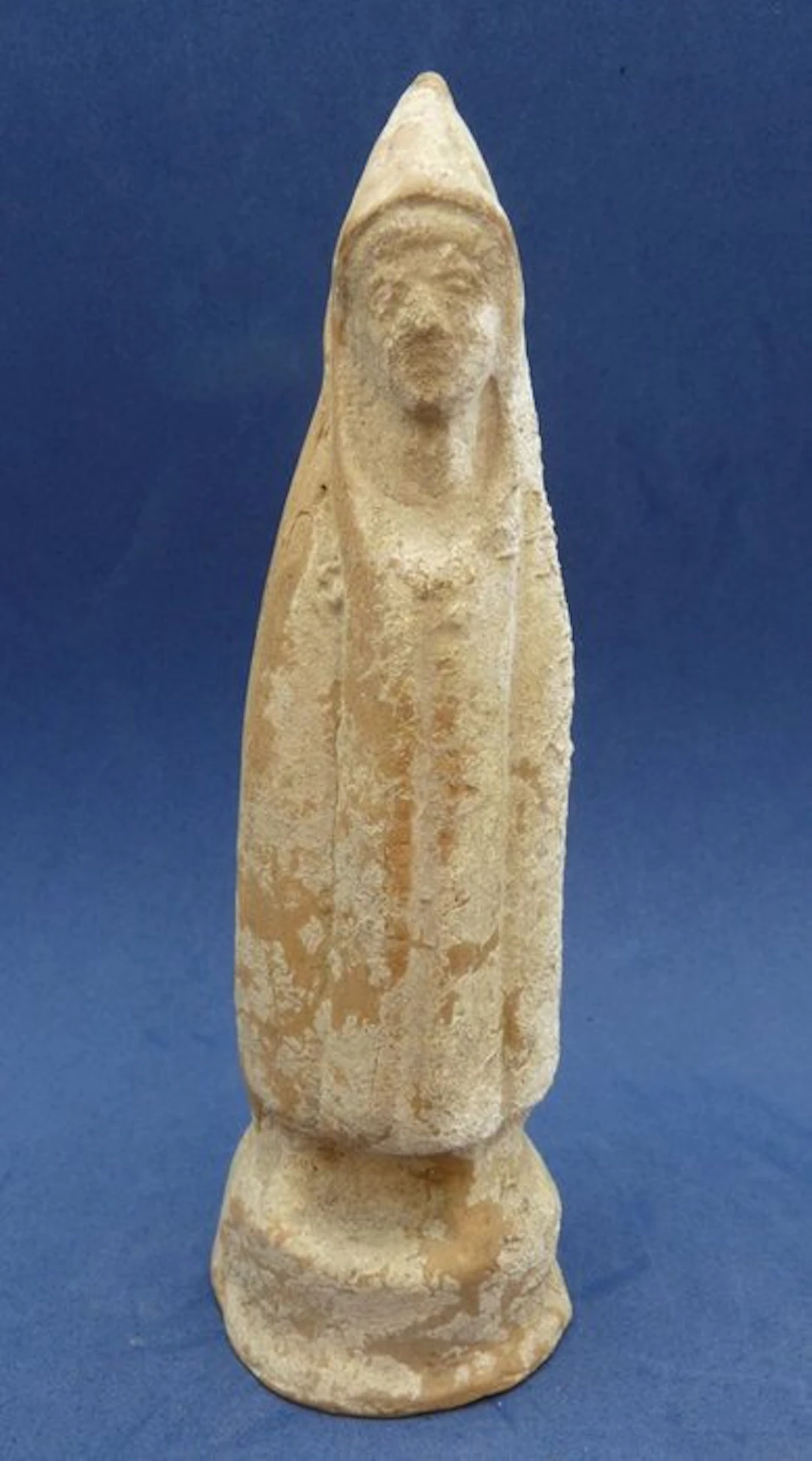
"Statue of Telesphorus - Symbol of Recovery and Healing Culture / Period: Ancient Roman Date / Period: 1st – 3rd Century A.D. Material: Terracotta Dimensions: 170 mm Condition: Good condition, with surface wear and encrustations consistent with age No shipping outside the European Union. Due to complex export regulations concerning cultural goods, this item cannot be shipped outside the EU. Please ensure you have a delivery address within the European Union before placing a bid. Provenance information: Object Registration ID: 75 The current owner purchased the statue of Telesphorus from Jos N. in Eindhoven. The previous owner, Jos N. from Eindhoven (the Netherlands), stated that the object had been in his collection since the 1990s. According to the previous owner, the object had previously been in a private collection in the Netherlands since the 1970s. No further information concerning the earlier ownership history of the object is available. Background Information: This terracotta figure represents Telesphorus, a healing deity closely associated with Asklepios, the Greco-Roman god of medicine. Telesphorus was regarded as a symbol of recovery and convalescence, representing the final stage of healing after illness or injury. His cult became especially prominent in the Roman Imperial period, when healing sanctuaries and domestic religious practices formed an important part of everyday spiritual life. Telesphorus is traditionally depicted as a small hooded figure, often wrapped in a cloak. The present figure follows this recognisable iconographic type, with a long enveloping garment, covered head, and frontal standing pose. This distinctive appearance made him immediately identifiable within the wider visual language of ancient healing cults. Objects of this type were likely used in a religious or votive context. Terracotta figures could be dedicated in sanctuaries, kept in domestic shrines, or used as devotional objects connected with protection, health, and recovery. In Roman society, healing was understood through both practical medicine and divine assistance, and figures such as Telesphorus reflect this close relationship between religion and wellbeing. The use of terracotta demonstrates an organised craft tradition. Such figures were commonly produced in moulds, allowing recognisable divine types to be made in repeated forms and distributed across different regions. This made religious imagery accessible beyond major sanctuaries, reaching private homes, provincial communities, and military settlements throughout the Roman world. Dating to the 1st–3rd century A.D., this figure belongs to the Roman Imperial period, when the cult of Asklepios and related healing deities was widely known across the Mediterranean. Telesphorus was particularly associated with protection during illness and the hope of restored health, making his image meaningful in both public and private religious practice. This piece provides a direct and physical link to ancient beliefs surrounding illness, recovery, and divine protection. It forms a tangible connection to the Roman world, in which objects of this kind played a practical and devotional role in daily life."
Estimación:€900
Ir a la subastaVer todos los artículos deCatawikioArte Antiguo
Estimación:
€900
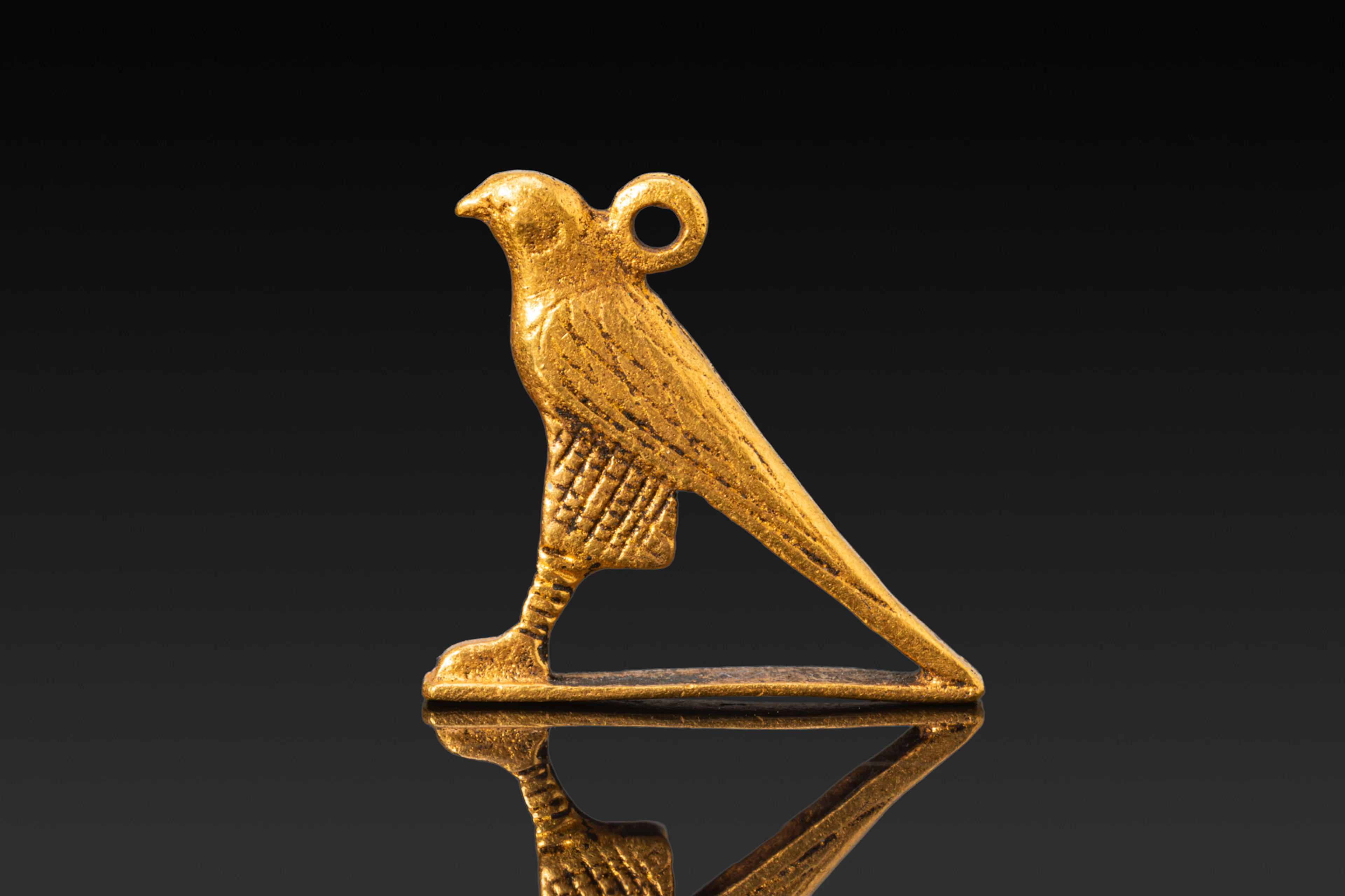
OCT 8 | 3:00 PM
¡Lleva tu subasta a coleccionistas de todo el mundo!
Publica ahora€275
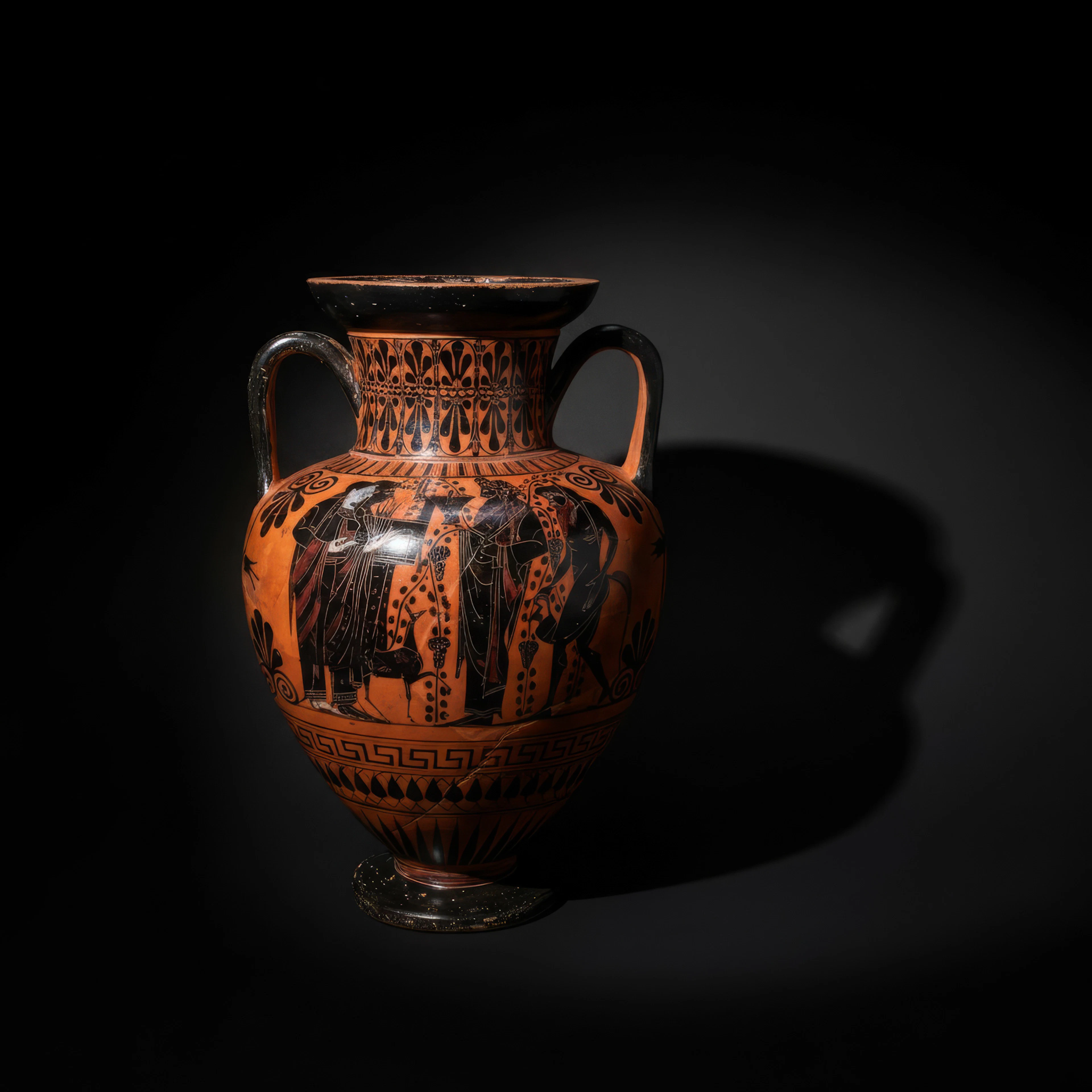
RARE ATTIC BLACK-FIGURE NECK AMPHORA ATTRIBUTED TO THE LYSIPPIDES
06/21/2026

€46,375.28
Est.: €16,156.37
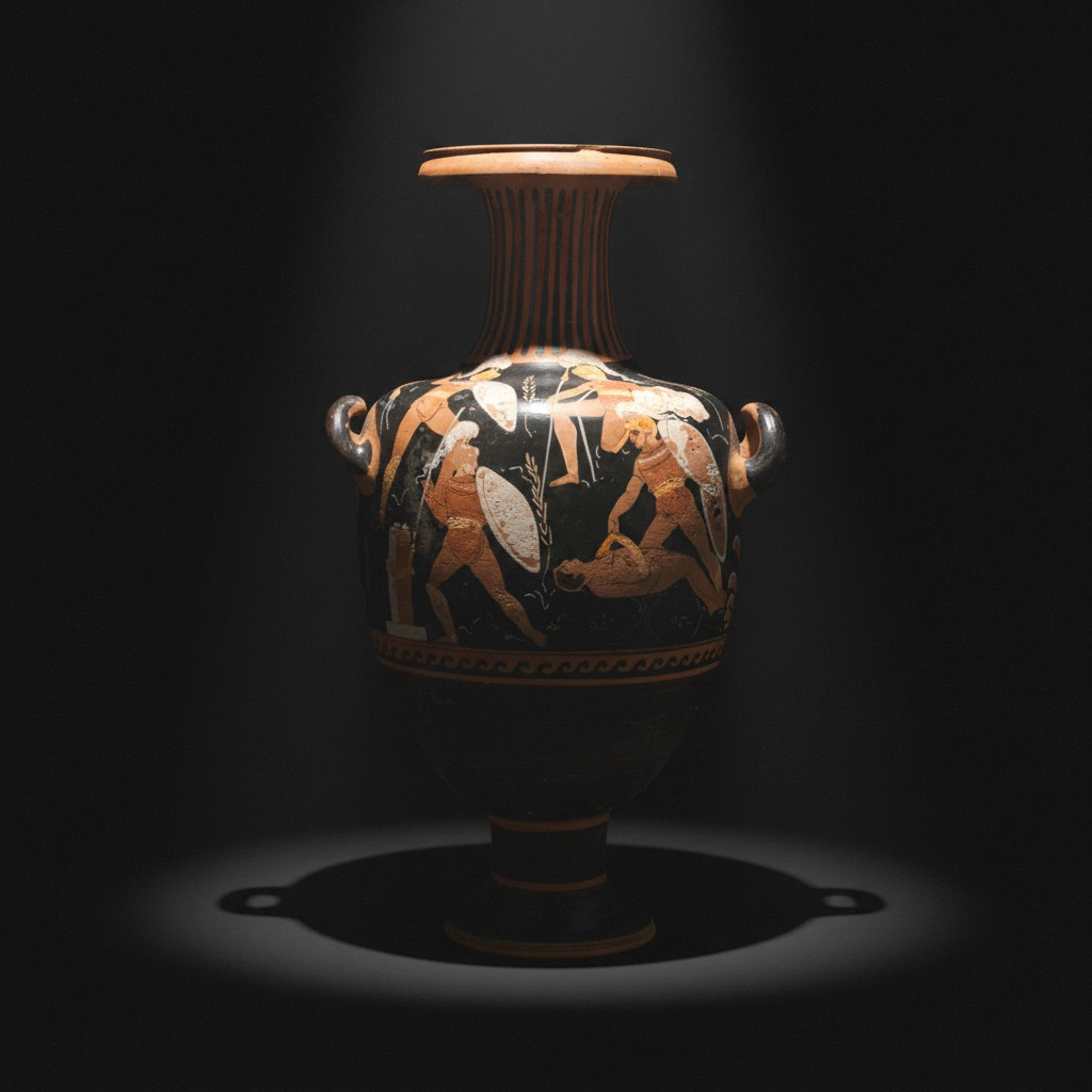
TL TESTED - LARGE GREEK APULIAN RED-FIGURE HYDRIA WITH HOPLITES COMBAT SCENE
06/21/2026
€10,434.43
Est.: €6,924.16