OCT 8 | 3:00 PM

¡Lleva tu subasta a coleccionistas de todo el mundo!
Publica ahoraAl suscribirte, aceptas la política de privacidad. Cancela tu suscripción en cualquier momento.
Barnebys HQ
Brahegatan 10
BOX 5038
114 37 Stockholm
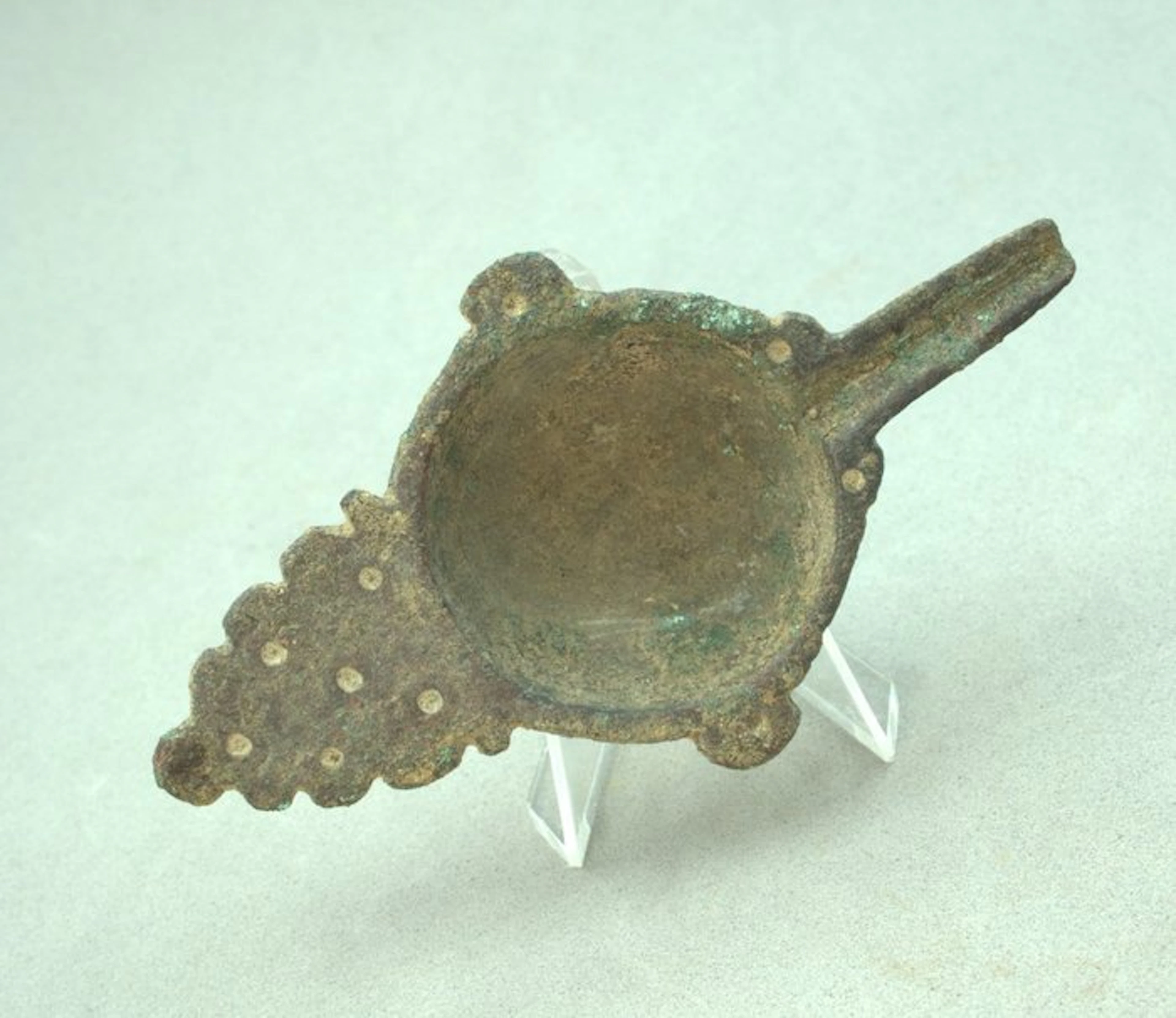
Todas las subastas / Arte Antiguo / Luristan Bronze Ibex figure - 42 mm

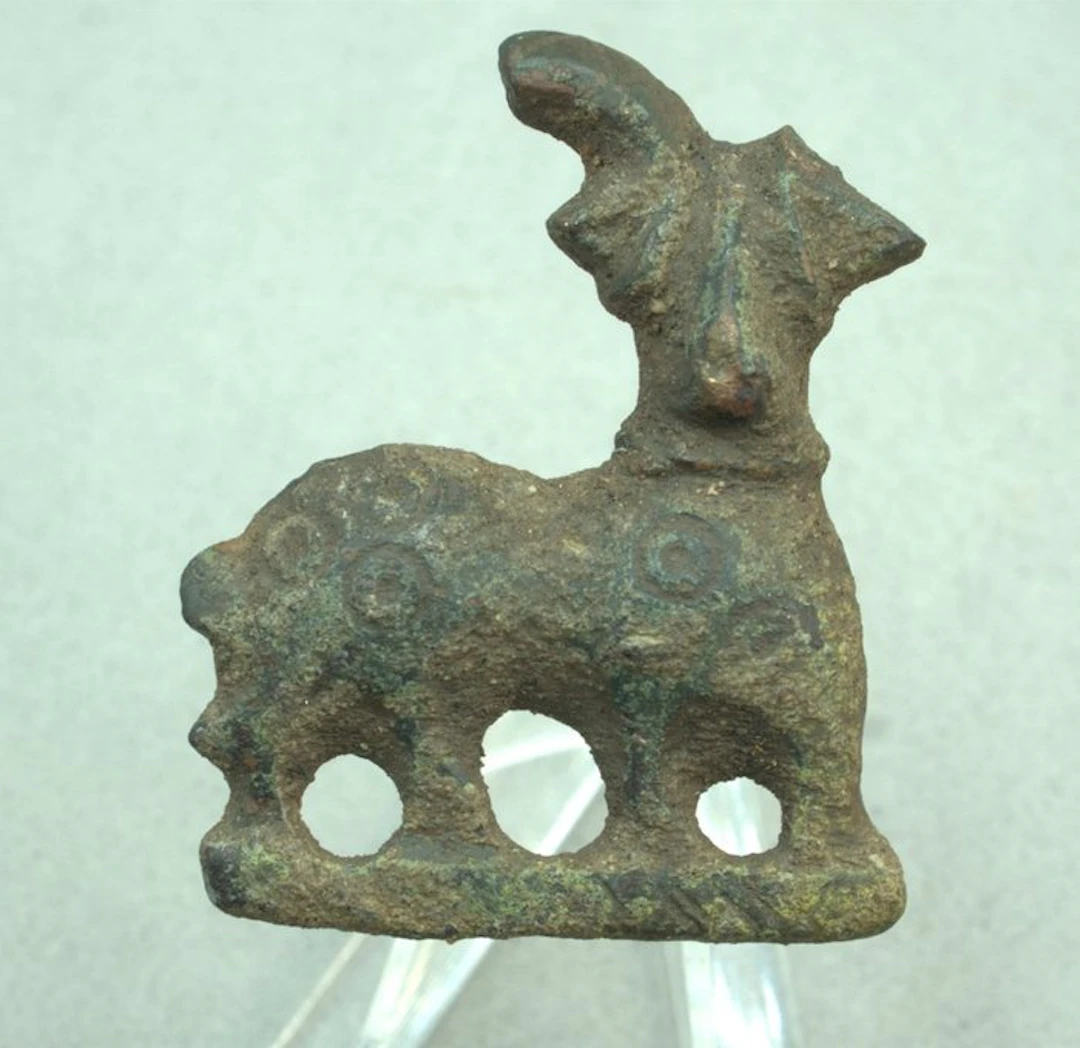
Luristan Bronze Ibex Figure Culture / Period: Ancient Near Eastern, Luristan Date / Period: Iron Age, circa 1000–650 B.C. Material: Bronze Dimensions: Not provided Condition: Good condition, with age-related surface wear, earthen deposits and green-brown patina. Details remain visible, including the openwork base and decorative circular motifs. No shipping outside the European Union. Due to complex export regulations concerning cultural goods, this item cannot be shipped outside the EU. Please ensure you have a delivery address within the European Union before placing a bid. Provenance information: Object Registration ID: 1005 The current owner (S.N.J. S.) purchased the ibex figure from B.N. in Schiedam, the Netherlands. The previous owner, B.N. from Schiedam, stated that the object had been in his collection, but the date of acquisition was not provided. According to the previous owner, the object had previously formed part of a private collection in the Netherlands; the date of this earlier ownership is unknown. No further information concerning the earlier ownership history of the object was available from the previous owner. Background Information: This bronze figure is attributed to the Luristan metalworking tradition of the Ancient Near East, particularly renowned for its distinctive bronze objects of the Iron Age. The figure depicts a stylised horned animal, probably an ibex or related caprid, with an openwork lower section. Circular openings and projecting elements form part of its construction, while the strongly emphasised head and horns give the animal its characteristic profile. Horned animals occupied an important place in the visual culture of the Ancient Near East. Ibexes, goats and related animals occur frequently on bronze objects, ceramics and other artefacts. They belonged to the familiar natural environment but could also carry symbolic significance. The precise meaning and original function of individual figures cannot always be reconstructed. The openwork construction and projecting elements of this example suggest that it may originally have served as a decorative fitting or attachment rather than solely as a freestanding statuette. Luristan bronzes belong to a sophisticated and highly recognisable metalworking tradition that flourished during the late second and early first millennium B.C. Craftsmen produced weapons, horse equipment, pins, fittings, vessels and objects decorated with stylised human and animal imagery. Casting techniques, including the lost-wax process, enabled metalworkers to create complex silhouettes and openwork forms. These objects developed within the wider cultural environment of the Ancient Near East, where communities were connected through networks of exchange, migration and technological knowledge. The distinctive Luristan bronze tradition nevertheless retained its own artistic vocabulary, particularly visible in its imaginative and strongly stylised representations of animals. Dating broadly to the Iron Age, circa 1000–650 B.C., this figure belongs to one of the most distinctive bronze-working traditions of the Ancient Near East. Its combination of animal imagery, openwork construction and cast-bronze craftsmanship provides a tangible connection to the skilled metalworkers and communities of the ancient Near Eastern world.
Estimación:€210
Ir a la subastaVer todos los artículos deCatawikioArte Antiguo
Estimación:
€210
OCT 8 | 3:00 PM
¡Lleva tu subasta a coleccionistas de todo el mundo!
Publica ahora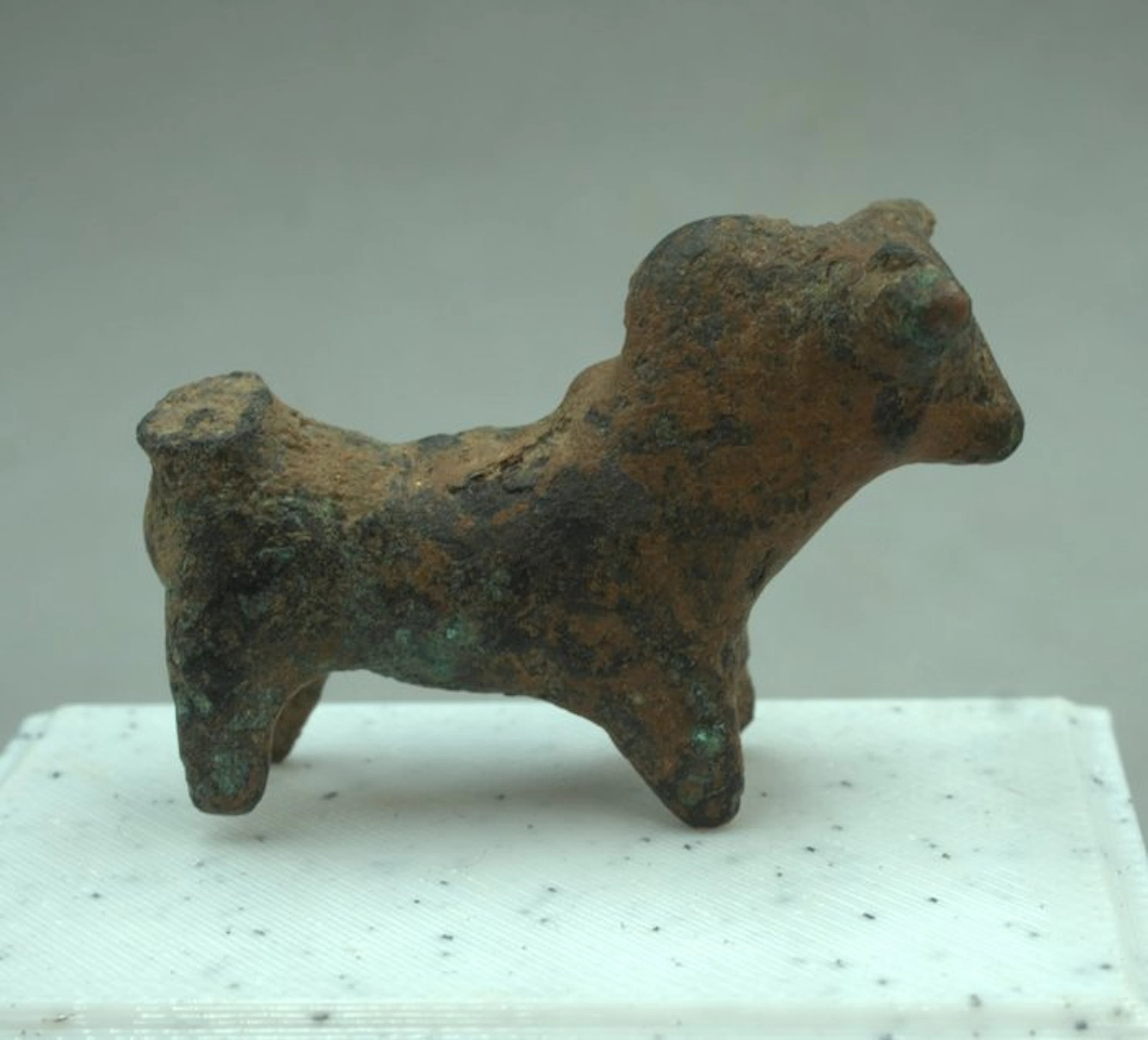
RARE EGYPTIAN MUMMY BANDAGE OF DJEDHOR - BOOK OF THE DEAD
06/21/2026

€3,478.14
Est.: €3,464.34