
Todas las subastas / Arte Antiguo / Ancient Roman bronze gilded ring with original carnelian...

Ancient Roman bronze gilded ring with original carnelian...
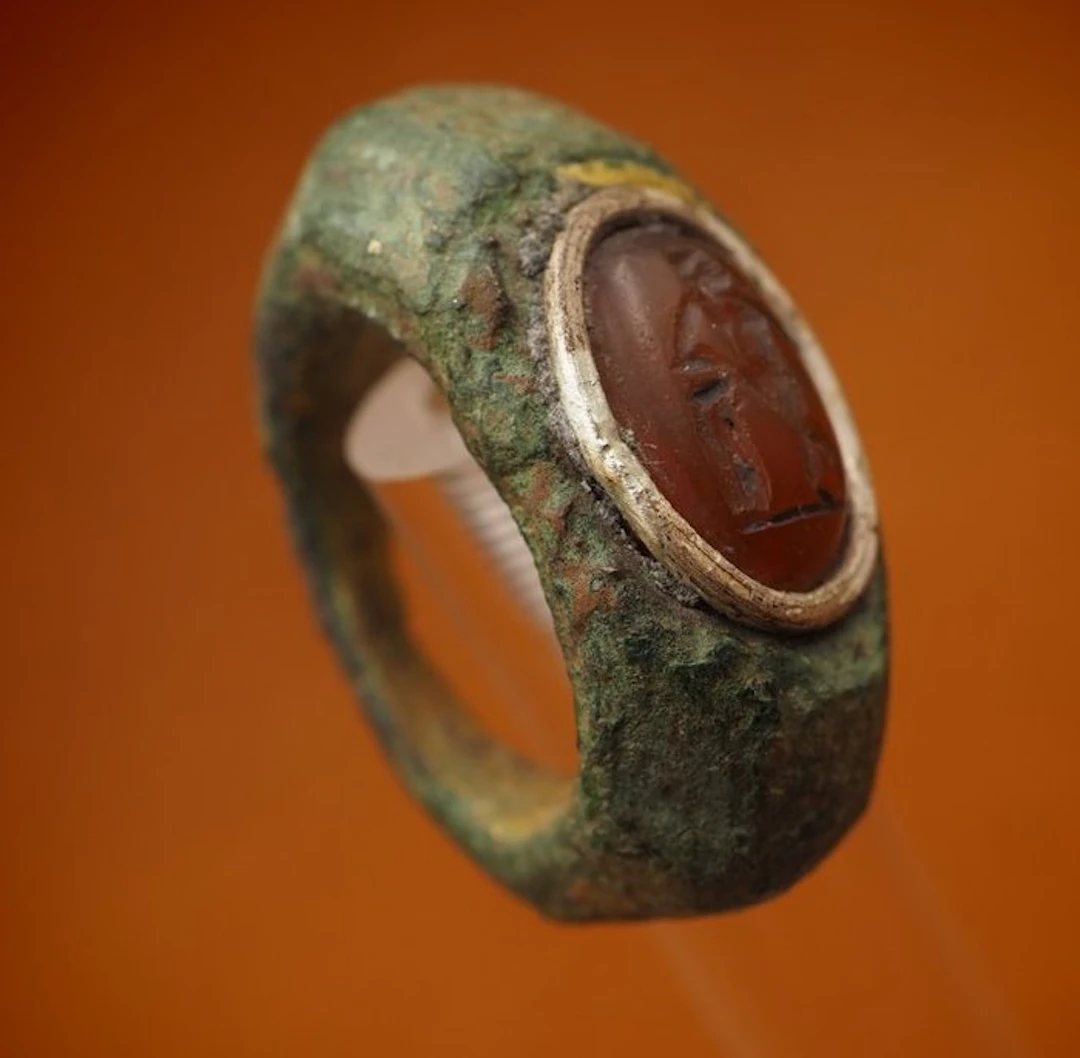
Ancient Roman Gilded Bronze Ring with Carnelian Intaglio Culture / Period: Ancient Roman Date / Period: 1st–2nd century A.D. Material: Gilded bronze, silver setting, carnelian intaglio Dimensions: Inside diameter: 17 x 15 mm / Outside diameter: 30 x 21 mm Condition: Good condition. The ring retains an attractive ancient patina with visible traces of gilding. The carnelian intaglio remains securely set within its silver bezel. Wear and surface deposits consistent with age. No shipping outside the European Union. Due to complex export regulations concerning cultural goods, this item cannot be shipped outside the EU. Please ensure you have a delivery address within the European Union before placing a bid. Provenance information: Object Registration ID: 170 The current owner purchased the Ancient Roman gilded bronze ring from a private collector, S.B., in Groningen, the Netherlands. The previous owner, private collector S.B. of Groningen, stated that the object had been in his collection since 1990. According to the previous owner, the ring had previously been part of another private collection in the Netherlands before 1990. No further information concerning the earlier ownership history of the object was available from the previous owner. Background Information: This Roman finger ring combines several materials that were highly valued in the Roman world: a gilded bronze hoop, a silver bezel, and a finely engraved carnelian gemstone. Such rings served both practical and symbolic functions, acting as personal ornaments while also functioning as signet rings. Intaglios could be impressed into wax to authenticate documents, letters, and commercial transactions, making them important tools of personal identification and authority. The engraved carnelian depicts a standing male figure, rendered in the classical style favoured throughout the Roman Empire. Although the exact identity of the figure cannot be determined with certainty, representations of deities, heroes, athletes, and mythological figures were among the most popular subjects for Roman intaglios. Such imagery reflected the owner's personal tastes, cultural values, religious beliefs, or aspirations. Carnelian was one of the most sought-after gemstones in Roman glyptic art. Its warm red to orange colour was highly appreciated, while its hardness made it particularly suitable for detailed engraving. In addition, the stone produced clear impressions in sealing wax without excessive adhesion, making it ideal for signet use. Carnelian was traded extensively throughout the Roman Empire, with sources located in regions stretching from the eastern Mediterranean and Arabia to India. Through long-distance trade networks, these gemstones reached workshops across the Roman world where skilled gem engravers transformed them into personal seals and ornaments. The use of gilded bronze demonstrates an interesting aspect of Roman luxury culture. Gilding allowed craftsmen to give bronze objects the appearance of gold while using significantly less precious metal. This technique was widely employed for jewellery, military fittings, household objects, and religious items. The surviving traces of gilding on this ring indicate that it was originally intended to present a rich and prestigious appearance. Combined with the silver bezel and engraved gemstone, the ring would have conveyed a degree of social status and refinement. Such rings were typically worn by individuals of comfortable means, including merchants, administrators, military officers, local elites, and other members of the prosperous classes of Roman society. While solid gold rings were generally reserved for the wealthiest levels of society, gilded bronze examples offered an attractive and respectable alternative that still reflected status, education, and participation in Roman cultural traditions. The manufacture of rings such as this formed part of a highly organised craft industry. Roman jewellers, metalworkers, and gem engravers operated in specialised workshops throughout the Empire, producing items that combined artistic expression with practical utility. Similar examples have been discovered from Britain to the Near East, illustrating the remarkable reach of Roman trade and craftsmanship. Dating to the 1st–2nd century A.D., this ring belongs to a period of prosperity and expansion within the Roman Empire. It reflects the Roman appreciation for fine workmanship, imported materials, and personal adornment while also serving as a practical object of daily use.
Estimación:€550
Ir a la subastaVer todos los artículos deCatawikioArte Antiguo
Estimación:
€550
Artículos similares
Resultados de subastas para artículos similares
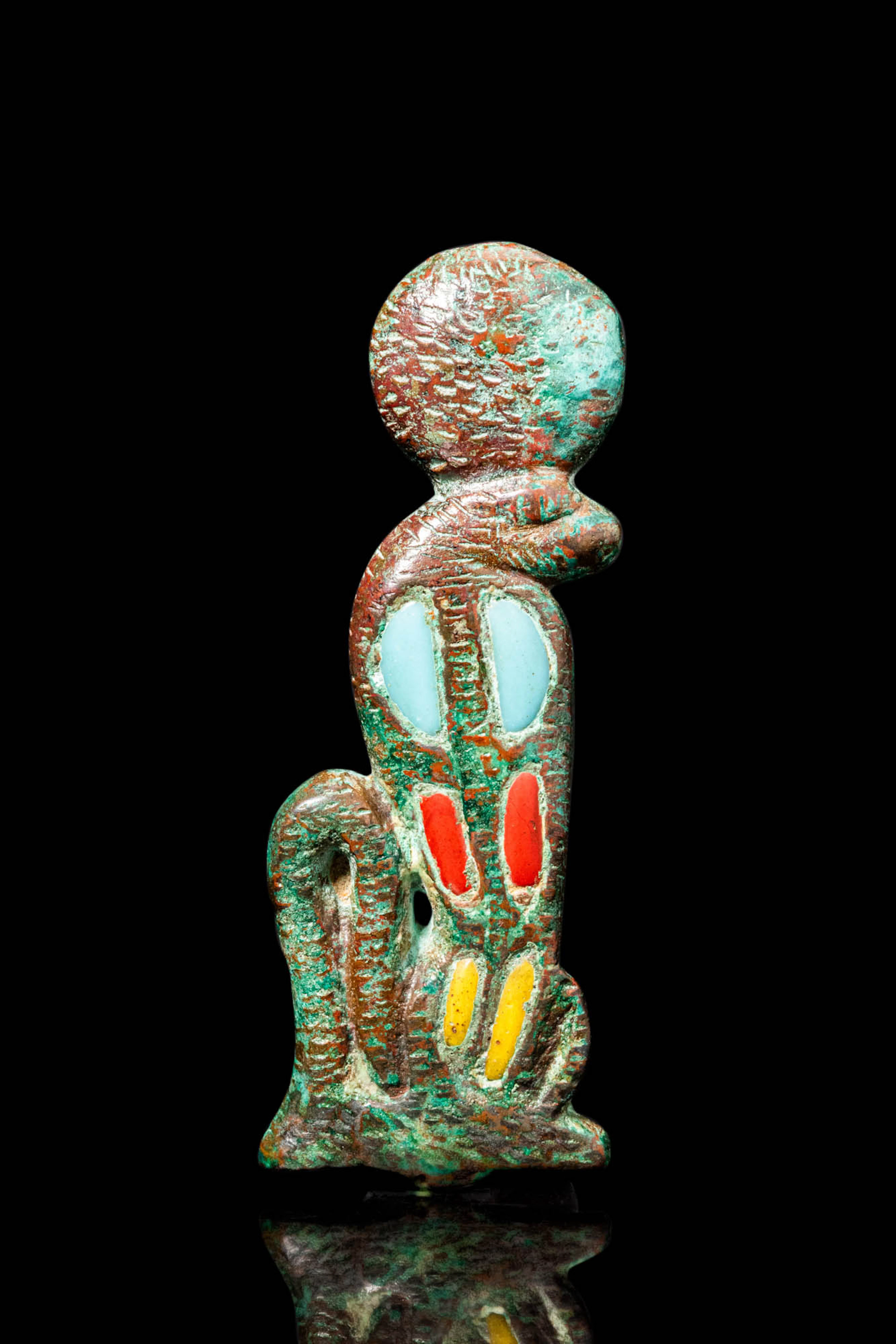
EGYPTIAN BRONZE INLAID APPLIQUE OF URAEUS - MUSEUM EXHIBITED
06/21/2026

€1,623.13
Est.: €1,154.78
¡Lleva tu subasta a coleccionistas de todo el mundo!
Publica ahora