
Todas las subastas / Muebles, diseño & espejos / Wassily Kandinsky (1866-1944) (after) - "Blaues Bild, 1924"

Wassily Kandinsky (1866-1944) (after) - "Blaues Bild, 1924"
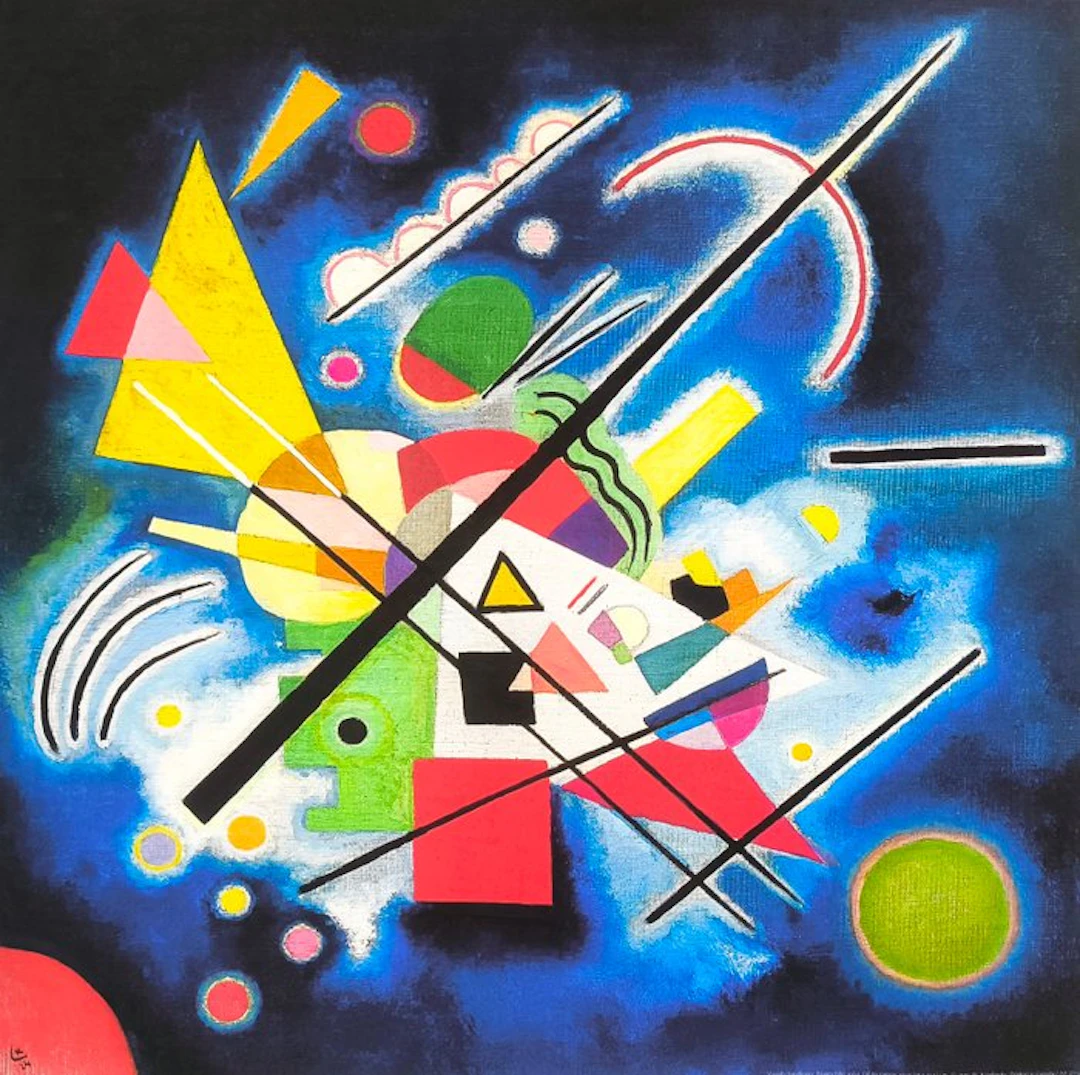
- Wasily Kandinsky (after), giclée print on heavyweight smooth matte paper (approx. 300gsm, refers to paper thickness/density). - Signed in the plate. - Size: 42,5 x 42,5cm. - Stamp on verso. - Condition: excellent. Never framed, never exposed. - Blaues Bild (1924) by Wassily Kandinsky is a powerful example of the artist’s mature abstract language, created during his Bauhaus period, when geometry, colour and spiritual rhythm became central to his work. The composition brings together sharp black diagonals, circles, triangles, floating forms and a deep blue atmosphere, creating an image that feels both cosmic and architectural, musical and intensely modern. The work reflects Kandinsky’s belief that colour and form could communicate emotion beyond representation. The luminous blues, reds, yellows, greens and whites seem to move across the dark background like visual sounds, giving the composition a dynamic sense of balance, tension and movement. This places Blaues Bild in close dialogue with Paul Klee, Piet Mondrian, Kazimir Malevich, Joan Miró, Sonia Delaunay, László Moholy-Nagy and Bauhaus design, artists and movements that also explored abstraction as a new universal language for modern life. The appeal of Blaues Bild lies in its combination of expressive colour and precise construction. The image is not decorative in a superficial sense, but deeply structured, with every line and shape contributing to a sense of visual energy. Its bold geometry and strong chromatic contrasts make it especially attractive for admirers of Kandinsky prints, abstract art, Bauhaus aesthetics, geometric composition, modern wall decor, vintage design and museum-inspired interiors. Kandinsky’s influence remains essential in the history of modern and contemporary art. His abstract vocabulary can be appreciated in later artists such as Mark Rothko, Jackson Pollock, Cy Twombly, David Hockney, Andy Warhol, Keith Haring, Jean-Michel Basquiat and Banksy, all of whom understood the power of colour, rhythm and instantly recognisable visual identity. In this sense, Blaues Bild connects early twentieth-century abstraction with the broader language of graphic design and sophisticated interior decoration. Within today’s collecting culture where fine art, vintage design, luxury names such as Rolex, Patek Philippe and Cartier, and iconic popular references such as Lego, Star Wars or Pokémon can coexist in carefully curated interiors Kandinsky’s abstract imagery retains a unique intellectual and decorative prestige. Its geometric clarity and vivid colour make it ideal for modern homes, creative studios, offices and design-led spaces. A striking image, Blaues Bild captures the essence of Wassily Kandinsky’s vision: colour as emotion, geometry as rhythm and abstraction as a visual form of music.
Estimación:€1
Ir a la subastaVer todos los artículos deCatawikioMuebles, diseño & espejos
Estimación:
€1
Artículos similares


Resultados de subastas para artículos similares
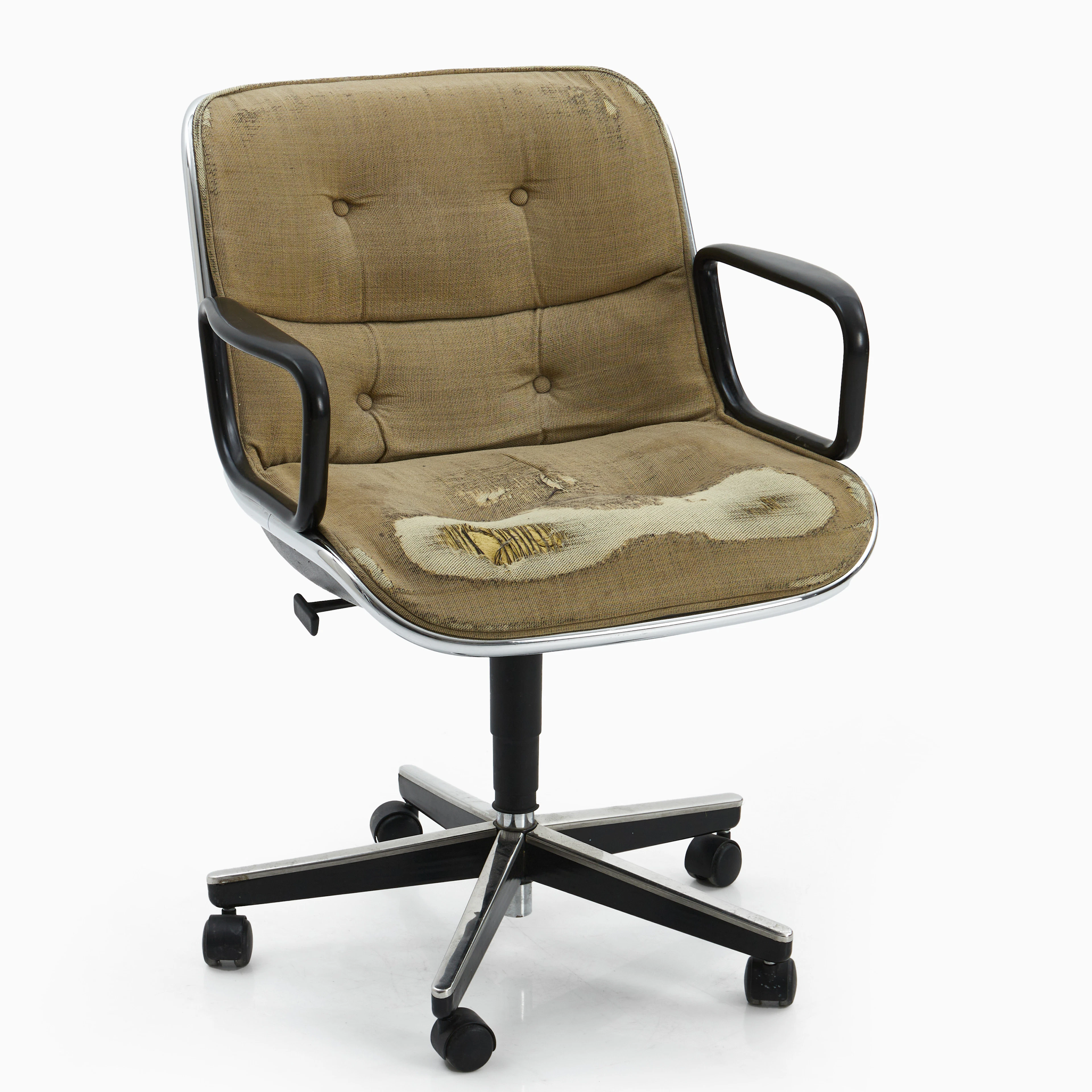
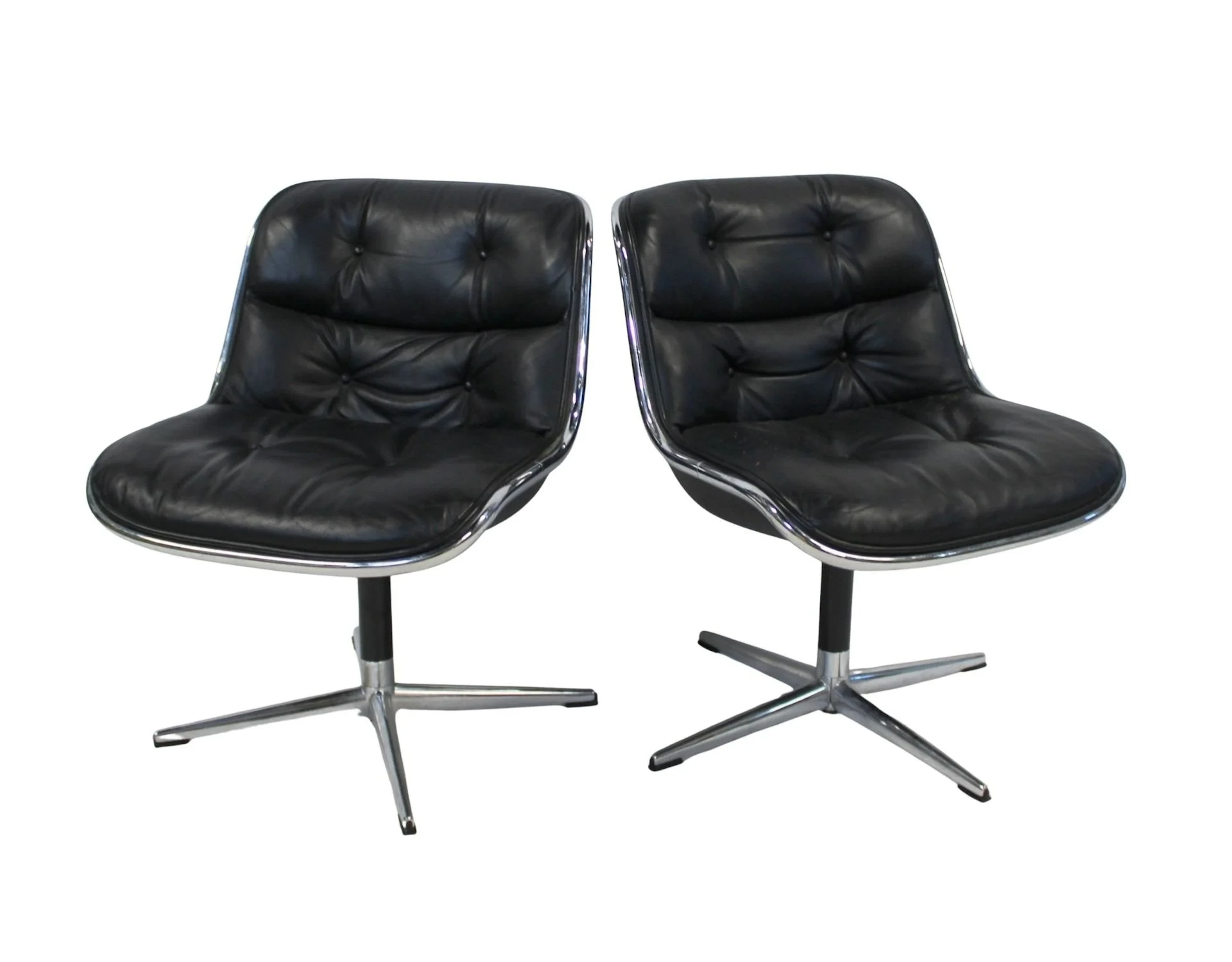
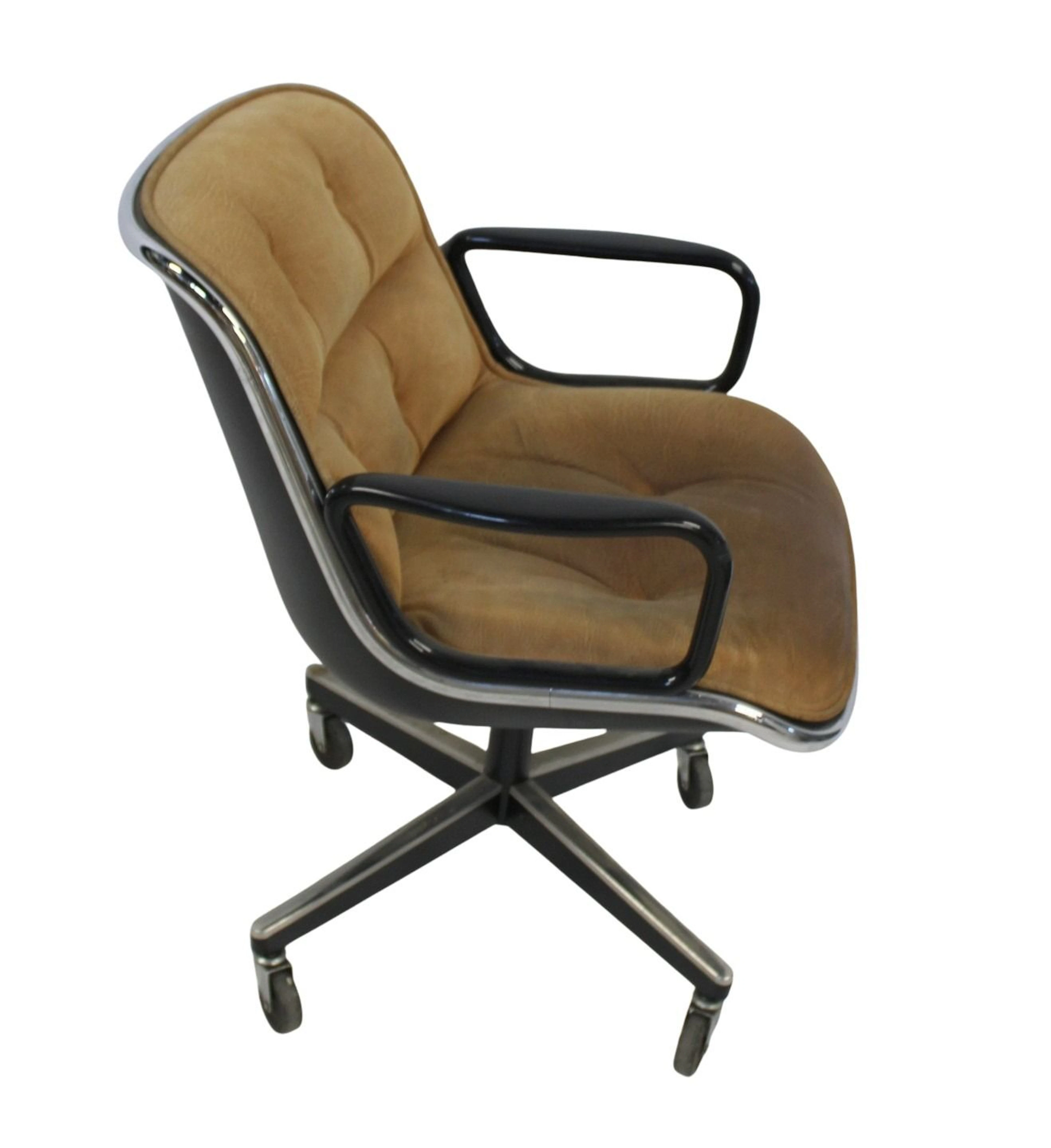
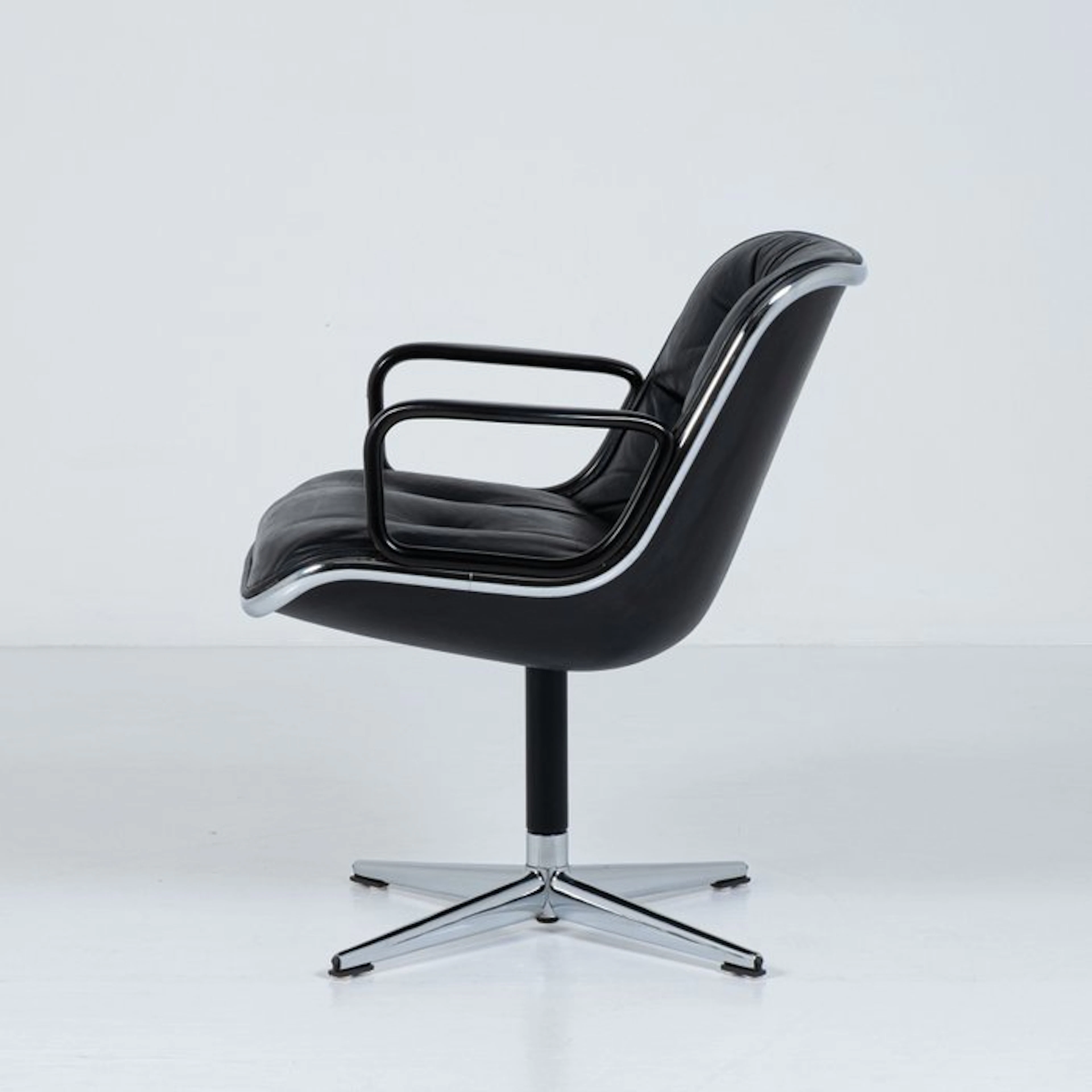
CHARLES POLLOCK, KNOLL, skrivbordsstol, "Executive Chair". 1900-talets
08/27/2026
€216.68
Est.: €72.05
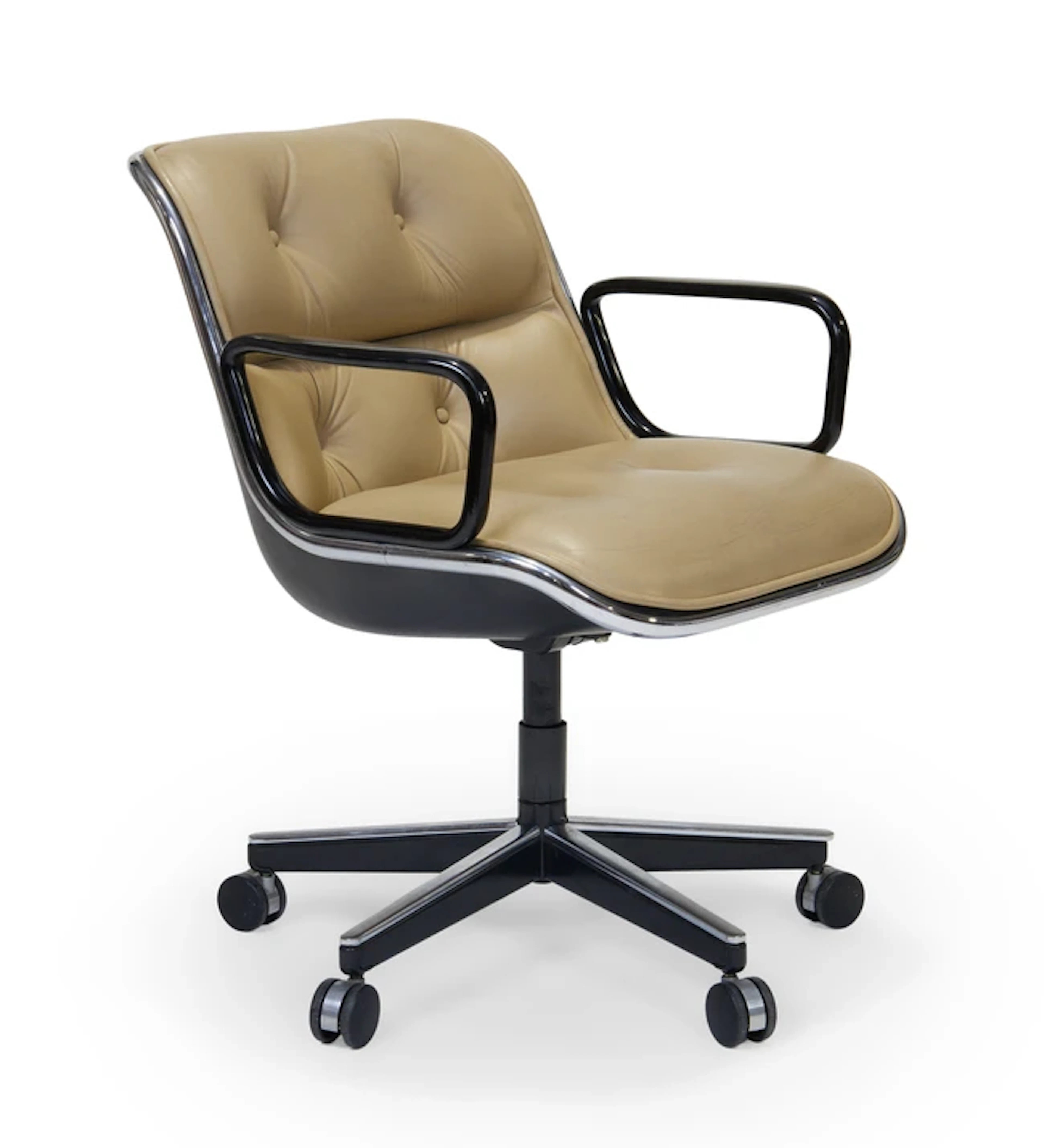

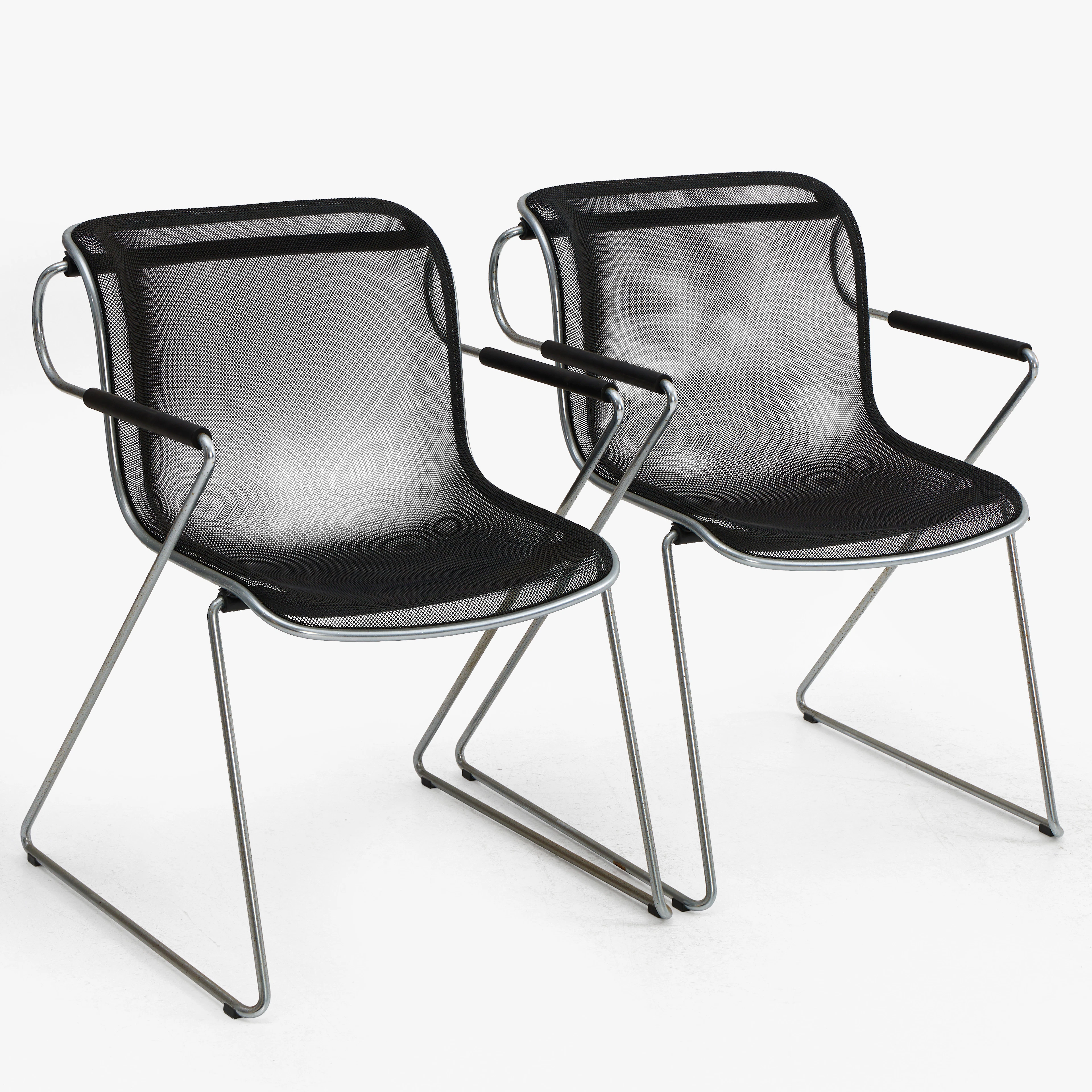
CHARLES POLLOCK. Karmstolar, ett par, "Penelope", Castelli, formgivna 1982.
03/05/2026
€98.73
Est.: €187.34
¡Lleva tu subasta a coleccionistas de todo el mundo!
Publica ahora