
Todas las subastas / Medallas, armas & armaduras / United Kingdom - Field protection ( X2) - copper shells...

United Kingdom - Field protection ( X2) - copper shells...
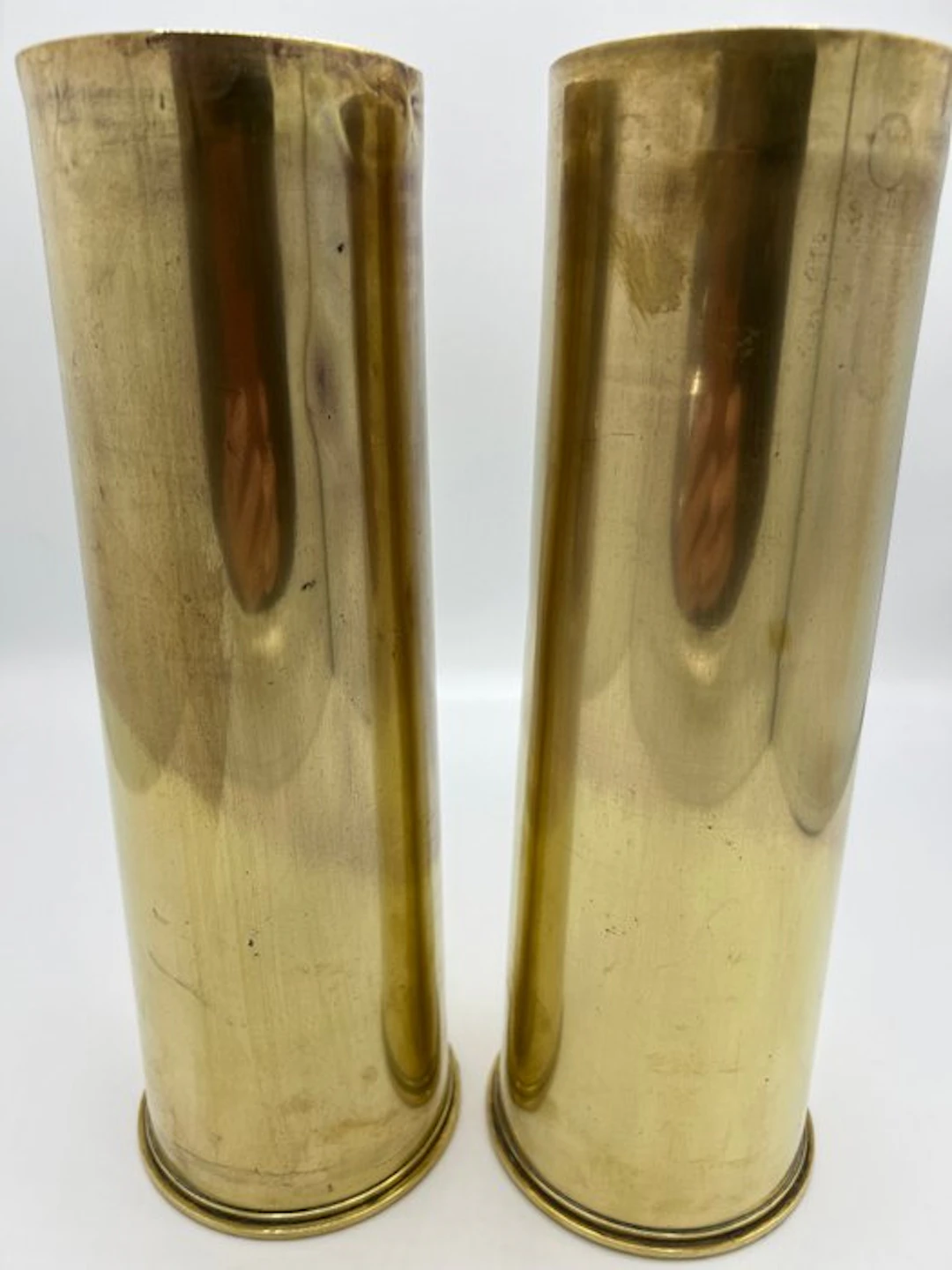
The markings on your copper (brass) obushuls are typical for British artillery from World War I. They tell exactly what kind of munition it was, who made it, and when. Here is the meaning of the codes MARKINGS UNDER THE SHELL SHELL 1: markings This is the exact, concrete breakdown of your specific shell: • 18 PR: 18-Pounder. This confirms that the shell belongs to the British Quick Firing 18-pounder field gun. This was the absolute standard artillery piece of the British Army on the Western Front. • LOT 101: Batch number 101. This specific copper casing was part of production batch number 101 from the respective factory. • 11/15: November 1915. This is the exact manufacturing date of the shell. The shell was produced during the severe material shortage in the aftermath of the Shell Crisis of 1915. • CFF: Cordite Full, Refilled (or Case Life History). This tells a very interesting story about the use: • The C stands for Cordite (the smokeless powder type used by the British). • The first F stands for Full Charge (full powder charge on first loading). • The second F means that the shell was picked up on the battlefield after the first shot, sent back to a depot/munitions factory, inspected and repaired there, and filled again with a Full Charge to be fired a second time. In short: a shell that left the factory in November 1915 and was used at least twice during World War I. TOP OF THE SLUG-SHELL The letter T on the large screw-on primer in the middle of the shell has a very specific and important meaning. It stands for "Tested" (Tested) or "Tested & Approved". During British ammunition production, metal, and specifically the percussion primer mechanism, were subjected to strict quality testing. When the percussion cap passed pressure, fit, and mechanical operation tests (without actually igniting the powder), it received the letter T stamped as the approval mark. What else is often on that primer? If you look closely at the primer, you will often see around that T other small codes: 1. No 1: The type of primer (the British No. 1 Percussion Primer was standard for the 18-pounder). 2. Roman numeral (e.g., II or III): The model number (Mark) of the primer. 3. Factory letters: Such as V.S.M. (Vickers, Sons & Maxim) or R.L. (Royal Laboratory). 4. A separate date: The primer was often made in a different month than the shell itself (for example 10/15 on the primer and 11/15 on the large brass shell). So the T is the guarantee from the British testing service that this vital component was safe and ready for the front! AI responses may include mistakes. Learn more shell 2: markings This is a beautiful, very clear set of stamps. Your shell is a British 18-ponder (18-pounder) artillery projectile, the workhorse of the British Army during World War I. The exact meaning of the codes on the base: • 18PR II: This stands for 18-Pounder, Mark II. It indicates the type of gun (caliber 84 mm) and the model type of the brass shell (Mark 2 version). • lot 1173: The production lot or batch number. If there were a defect in the ammunition, this number would allow tracing and retrieving the entire batch. • 8/15: The exact production date: August 1915. The shell was produced in the midst of the war, shortly after the notorious British ammunition crises of spring 1915. • CF: This stands for Cordite, Full Charge. Cordite was the smokeless powder used as the propulsion charge. "Full" means the shell was filled with the maximum standard charge for maximum range. • F: This indicates the life/history of the shell (Case Life History). Each 'F' stands for a time the shell was reloaded and fired with a Full Charge. • WSL: This is the monogram of the manufacturer who made the shell. In British contracts from this period, this usually stands for a specific metalware or ammunition factory (such as William Sugg & Co Ltd or a similar British/American supplier that was brought in during the munitions shortage). These 2 shells are carefully packaged and shipped with track and trace.
Estimación:€1
Ir a la subastaVer todos los artículos deCatawikioMedallas, armas & armaduras
Estimación:
€1
Artículos similares


Resultados de subastas para artículos similares
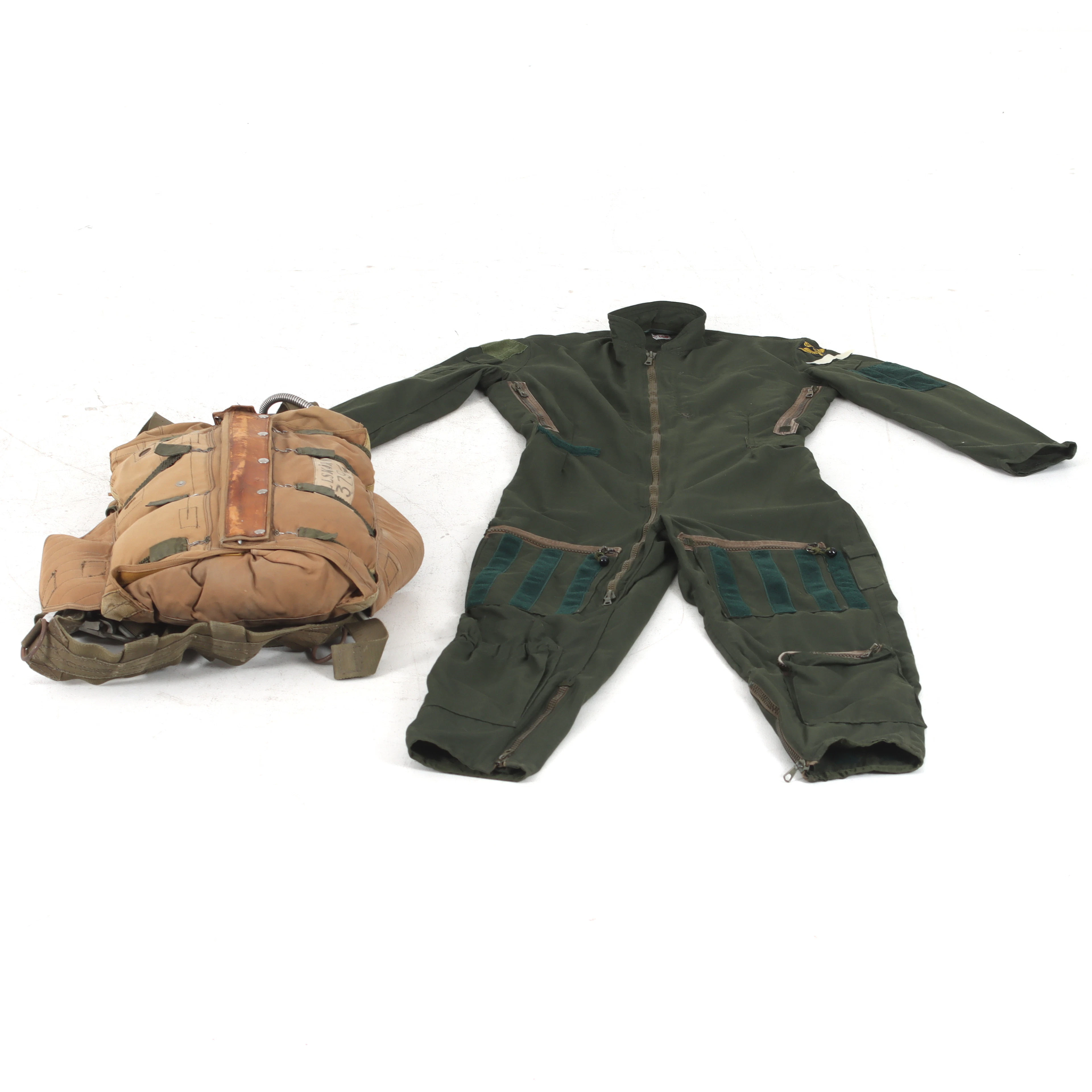
FALLSKÄRM och FLYGOVERALL, 3794. Irvins Fallskärmsaktiebolag, flygvapnet
10/08/2026
€258.84
Est.: €223.22
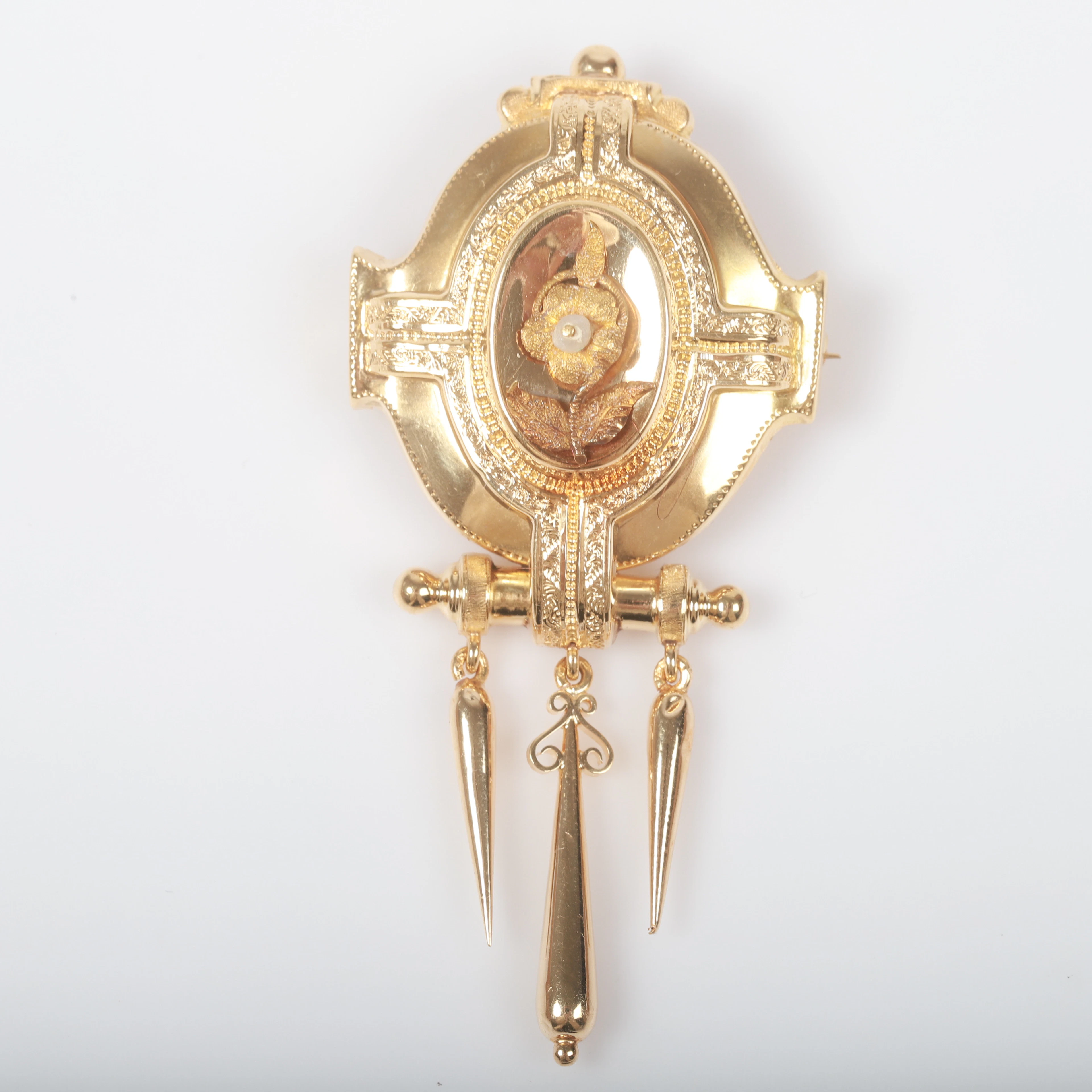
BROSCH, s. k. mormorsbrosch, 18 K guld, Gustav Dahlgren & Co, Malmö, 1877.
10/08/2026

€490.91
Est.: €535.72
¡Lleva tu subasta a coleccionistas de todo el mundo!
Publica ahora