
Todas las subastas / Arte Antiguo / The Arima Ghost Cat - Snow

The Arima Ghost Cat - Snow
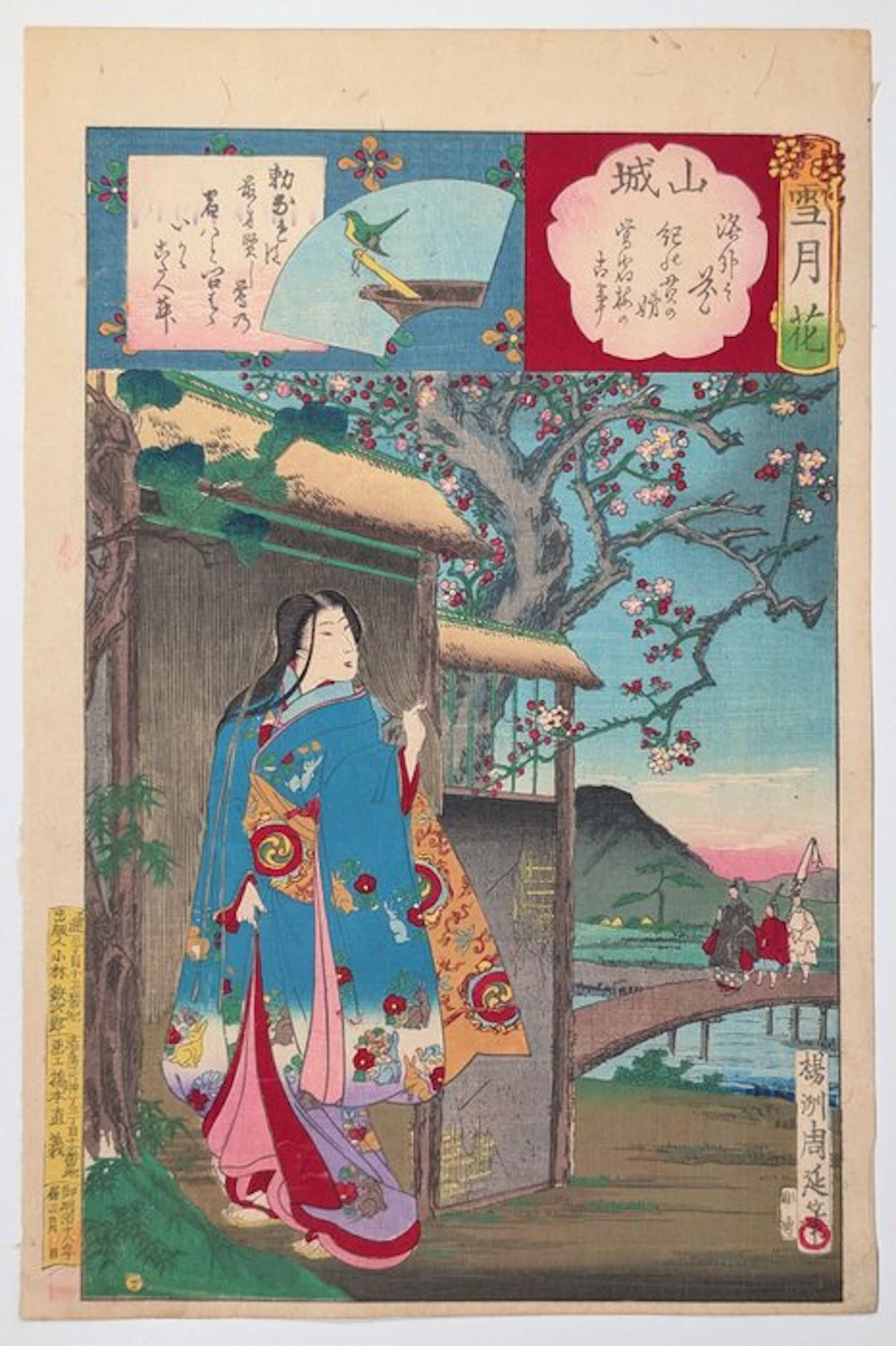
** This design is known in two colour versions: a darker-toned impression, and the present one. This impression is a masterpiece of meji colours. The turquoise, crimson, pink, green and blue work together beautifully across the whole design. A remarkable sheet from the series ** Artist: Toyohara (Yōshū) Chikanobu (楊洲周延, 1838–1912) Title: 雪月花 山城 洛外之花 紀貫之の娘 鶯宿梅の古事 (Setsugekka: Yamashiro – Rakugai no hana, Ki no Tsurayuki no musume, Ōshukubai no koji). Yamashiro: Flowers of the Capital Suburbs, the Daughter of Ki no Tsurayuki and the Tale of the Warbler's Plum Tree Series: Setsugekka (雪月花, Snow, Moon and Flowers) Publisher: Kobayashi Tetsujirō (小林鉄次郎) Date: 1885 (Meiji 18) Technique: Woodblock print (nishiki-e); ink and colour on paper Format: Ōban tate-e, approx. 36 × 24 cm Condition: Excellent impression with strong unfaded colour — the deep crimsons and bokashi in the background are fully preserved. Full margins with the complete publication data intact. Some minor ink transfers. A museum quality impression! About the print: This is the "flower" design for Yamashiro, the province around Kyoto, and it tells one of the best-loved poetic anecdotes of the Heian court: the story of the Ōshukubai (鶯宿梅), the "plum tree where the warbler lodges." Ki no Tsurayuki (c. 872–945) was one of the greatest poets of early Japan. He was the chief compiler of the Kokinshū, the first imperial poetry anthology, and the author of the Tosa Diary. The story, recorded in the historical tale Ōkagami, is set in the reign of Emperor Murakami. When the plum tree in front of the emperor's residence in the palace died, his servants searched the capital for a replacement and found a fine old tree at the house of Tsurayuki's daughter. Before they took it away, she tied a poem to one of its branches: Since it is an imperial command, I humbly obey. But if the warbler asks where its home has gone, what shall I tell it? The poem appears in the fan-shaped inset at the top of the print. When the emperor read it, he was moved, and in the popular retelling he returned the tree to her. The story became a classic example of how a single well-made poem could reach even the emperor. About the Setsugekka series: The Setsugekka series, published between 1884 and 1886 by the prestigious publisher Kobayashi Tetsujirō, comprises fifty individual ōban prints. Its title derives from an ancient Chinese poetic motif associating snow, moon and flowers with the seasons, but the true subject of the series is a sweeping panorama of Japanese history, mythology and literature — from court tales and Noh drama to warrior legends and supernatural folklore. The thematic range is extraordinary: across fifty designs, Chikanobu moves from Heian-era romance to Sengoku battlefield drama, from Chinese legend to the ghost stories of Edo, treating each subject with a distinctive compositional approach and mood. In this respect, the Setsugekka stands alongside Yoshitoshi's Tsuki Hyakushi (One Hundred Aspects of the Moon) as one of the great narrative series of the late nineteenth century, and the two are regularly compared by scholars and collectors alike. What sets the Setsugekka apart visually is the richness and durability of its pigments. Spectroscopic research published in Heritage Science has demonstrated that the dominant red pigment in nishiki-e prints of this precise period (1884–1886) was not aniline dye — as is commonly assumed for Meiji prints — but cochineal carmine, a lake pigment formed from carminic acid precipitated with aluminium salts into an insoluble compound, typically mixed with vermilion (mercuric sulfide), a wholly inorganic mineral pigment. This carmine-vermilion combination produces the deep, saturated crimsons visible in the present print and accounts for their remarkable resistance to fading and water damage — a stark contrast to the fugitive naphthol reds that would appear in cheaper prints only after 1889. Combined with Kobayashi Tetsujirō's premium production standards — thicker pigment applications, high-quality paper, and deluxe printing techniques including fine bokashi and occasional metallic accents — the Setsugekka prints have retained their chromatic intensity with astonishing fidelity over nearly a century and a half.
Estimación:€200
Ir a la subastaVer todos los artículos deCatawikioArte Antiguo
Estimación:
€200
Artículos similares
Resultados de subastas para artículos similares

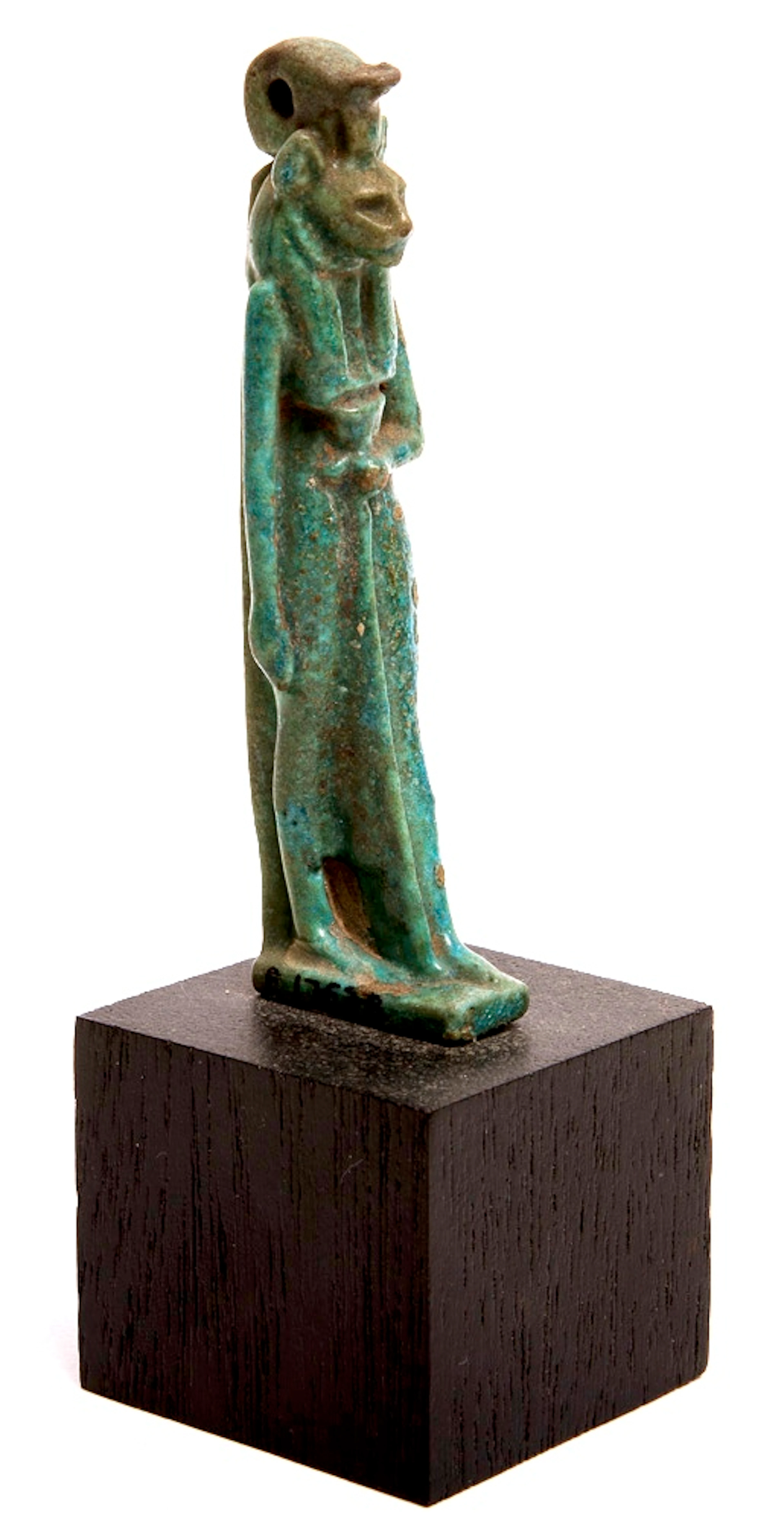
Ancient Egyptian Blue Faience Amulet of Sekhmet c.700 BC.
04/22/2018
€1,540.9
Est.: €1,216.5
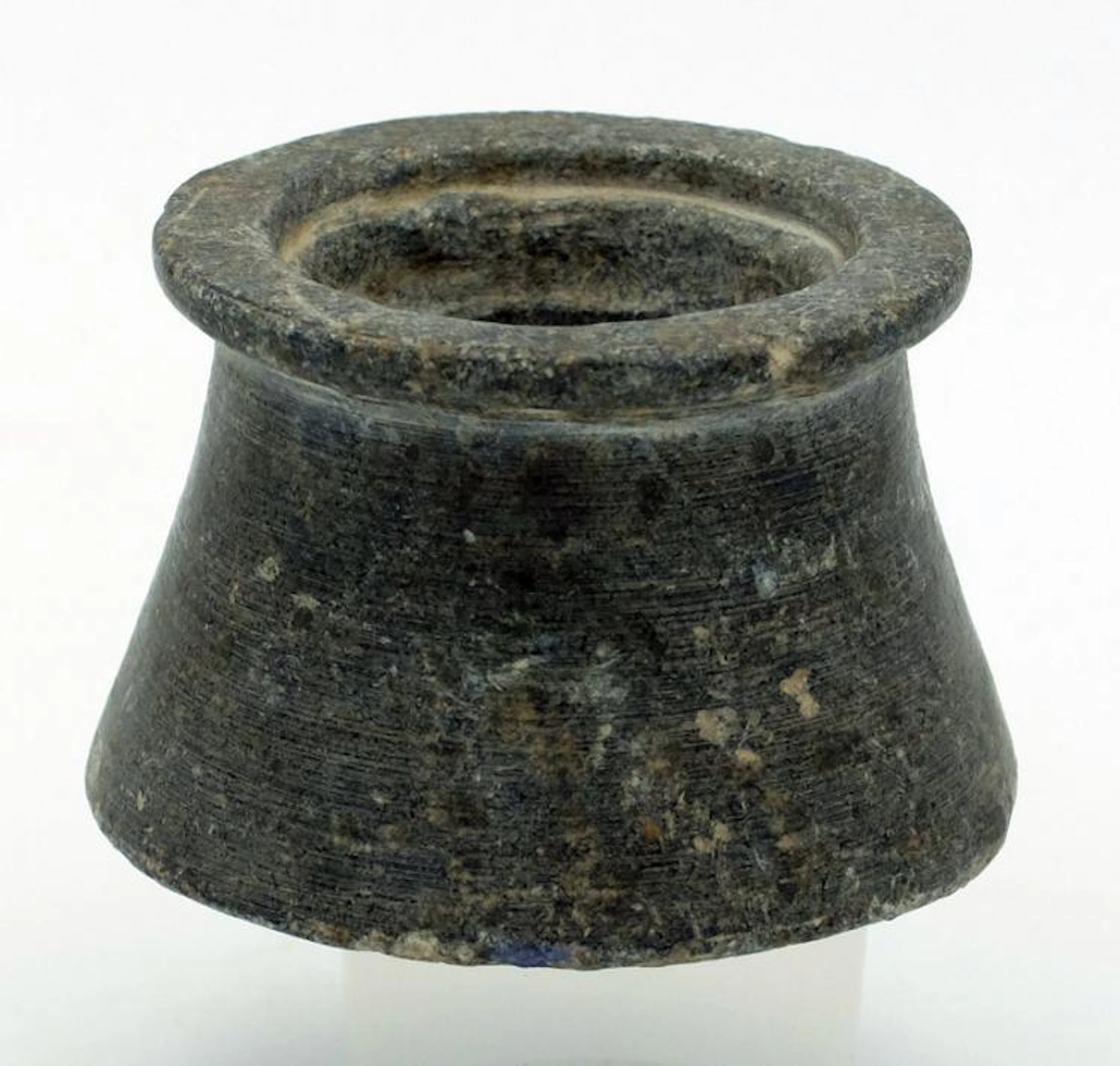
An excellent Bactrian stone container
09/10/2017
€167.8
Est.: €167.8
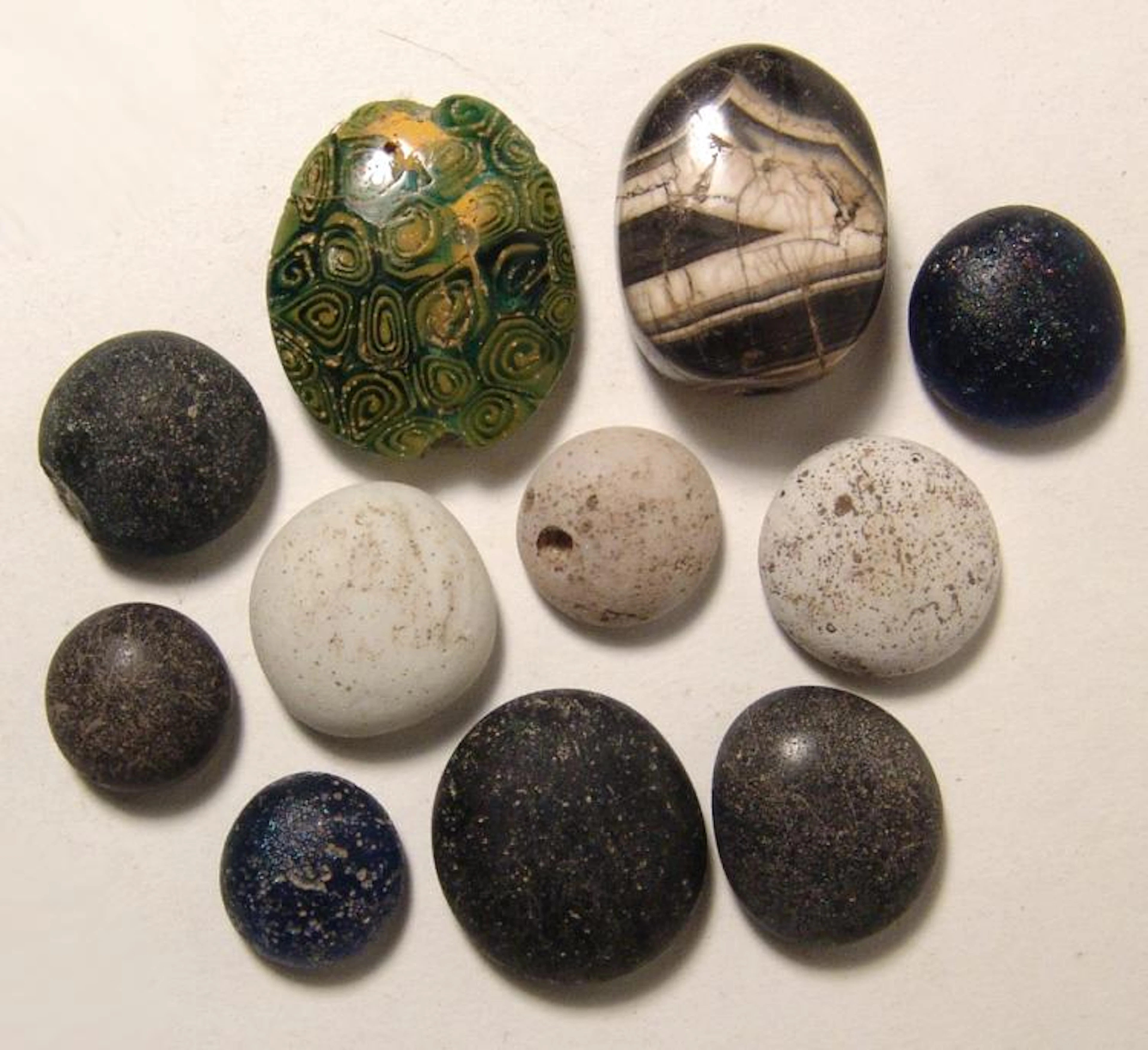
A group of Roman glass and stone tesserae
05/13/2017
€91.6
Est.: €183.2
¡Lleva tu subasta a coleccionistas de todo el mundo!
Publica ahora