




Todas las subastas / Muebles, diseño & espejos / Reliquary - Pilgrimage reliquary with ten relics and...

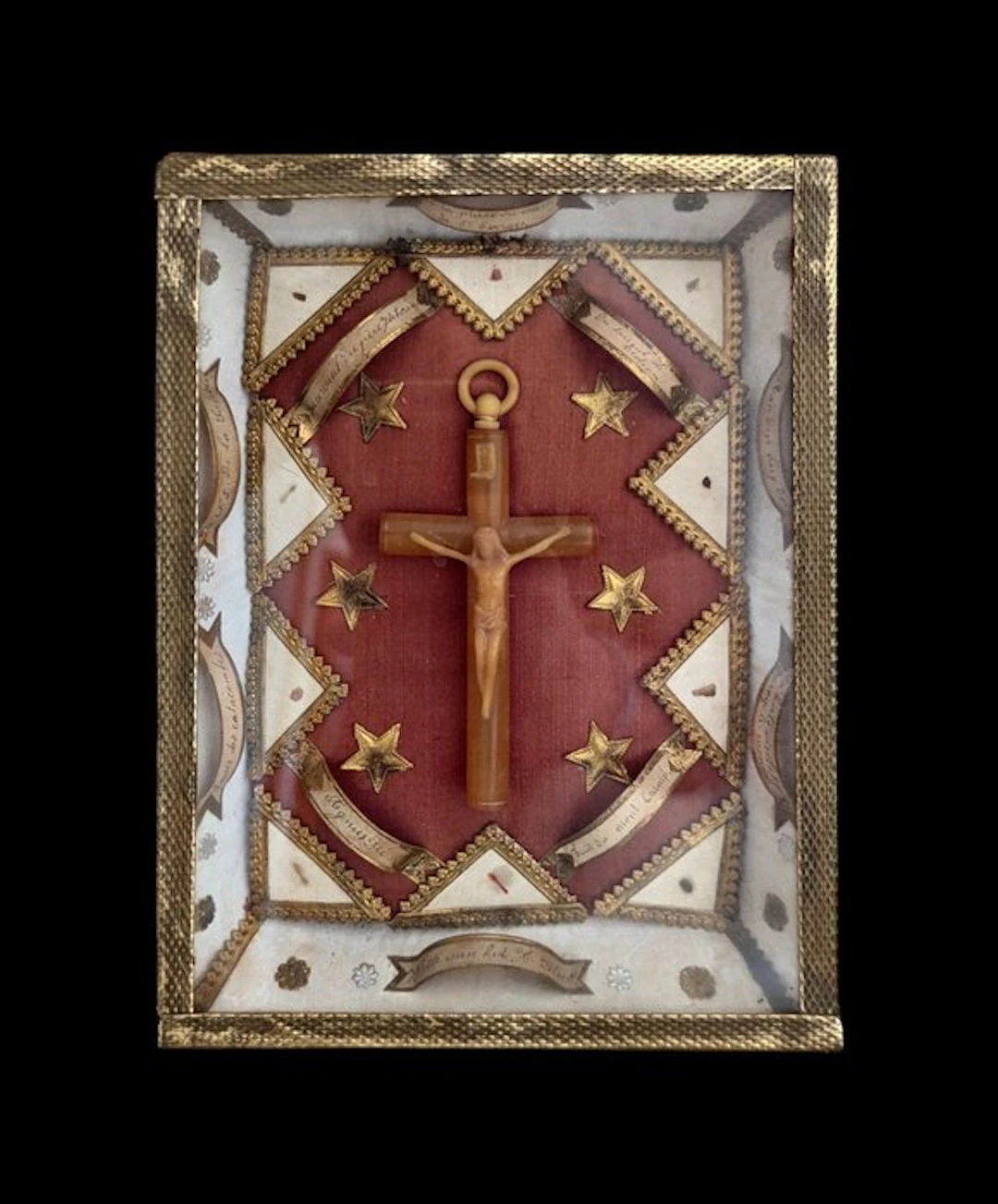
Pilgrimage reliquary with ten reliquaries and devotional mementos Origin: Belgium Period: Early 20th century, ca. 1900–1920 Materials: Metal, glass, wood, handwritten paper, textiles, plant elements, minerals and various devotional materials Measurements: 22 × 16.5 × 6.5 cm Style: Devotional / religious Language of the plaques: French and Dutch Number of reliquaries and devotional mementos: 10 Singular Belgian pilgrimage reliquary, likely made during the first decades of the 20th century and designed to gather and preserve different contact reliquaries and mementos from important Christian pilgrimage sites. The ensemble is organized around a central crucifix, surrounded by ten small individually decorated compartments, each with its own original handwritten plaque. Unlike reliquaries dedicated exclusively to corporal remains of saints (ex ossibus, ex carne, etc.), this example mainly gathers contact reliquaries and mementos from holy places: stones, plant elements, fibers and small fragments associated with the Holy Land, the Catacombs, and notable European pilgrimage centers. The combined presence of inscriptions in French and Dutch is especially coherent with a Belgian origin. THE TEN RELIQUARIES AND DEVOTIONAL MEMENTOS 1. « Pierres des Catacombes » — Stones from the Catacombs Small stone fragments identified by their plaque as originating from the Catacombs, burial sites of the early Christians and closely linked to the cult of the church’s martyrs. 2. « Agnus Dei » — Agnus Dei Devotional fragment identified as Agnus Dei. Traditionally, the Agnus Dei were small objects, often made of wax, related to the symbolism of the Lamb of God and blessed for use as objects of protection and devotion. 3. « Fruit du Mont Carmel » — Fruit of Mount Carmel Plant element from, according to its plaque, Mount Carmel in the Holy Land. The site has a deep biblical tradition and is especially connected with the prophet Elijah and later with the spirituality of the Carmelite Order. 4. « Ex horto Visitationis Paray-le-Monial » — From the Garden of the Visitation of Paray-le-Monial Fragment from the garden of the Visitation monastery of Paray-le-Monial, France. This site is closely linked to Saint Margaret Mary Alacoque and the development of devotion to the Sacred Heart of Jesus during the 17th century. 5. « De N.D. de la Salette » — Of Our Lady of La Salette Devotional memento from Notre-Dame de La Salette, an important French Marian shrine arising from apparitions attributed to the Virgin Mary in 1846. 6. « Du Cerceuil du Père Victorin » — From the coffin of Father Victorin Small fragment expressly identified as coming from the coffin of Father Victorin. Given the probable Belgian origin of the reliquary and its chronology, it could be related to Victorin Delbrouck (1870–1898), Belgian Franciscan priest and martyr missionary in China in 1898. This identification is particularly interesting for dating the set, though it should be treated as an attribution until further documentation confirms the priest’s identity. 7. « De la place du martyre de St Georges » — From the martyrdom site of Saint George Fragment or memento gathered at the place traditionally associated with the martyrdom of Saint George, one of the most venerated martyrs in Christian tradition, whose devotion spread widely in both the East and West. 8. « Du torrent de Cédron » — From the Cedron Valley Fragment from the Kidron/ Cedron torrent in Jerusalem. The Cedron valley separates the old city of Jerusalem from the Mount of Olives and holds significant biblical meaning. In Christian tradition it is especially associated with the places walked during the Passion of Christ. 9. « Plant van den Berg Tabor » — Plant from Mount Tabor Plant element identified by a Dutch plaque as originating from Mount Tabor in the Holy Land. According to Christian tradition, Mount Tabor is the site of the Transfiguration of Christ, long a pilgrimage destination. 10. « Watte van het H. Bloed » — Fiber/cotton of the Holy Blood Small fiber or cotton associated with devotion to the Holy Blood (Heilig Bloed). The plaque is written in Dutch. In the Belgian context this is especially significant due to the historic devotion to the Holy Blood, particularly rooted in Bruges, where a celebrated relic traditionally attributed to the Blood of Christ has been kept and venerated since the Middle Ages. The plaque identifies the fiber as related to the Holy Blood, though its provenance to Bruges cannot be established from the plaque alone.
Estimación:€450
Ir a la subastaVer todos los artículos deCatawikioMuebles, diseño & espejos
Estimación:
€450
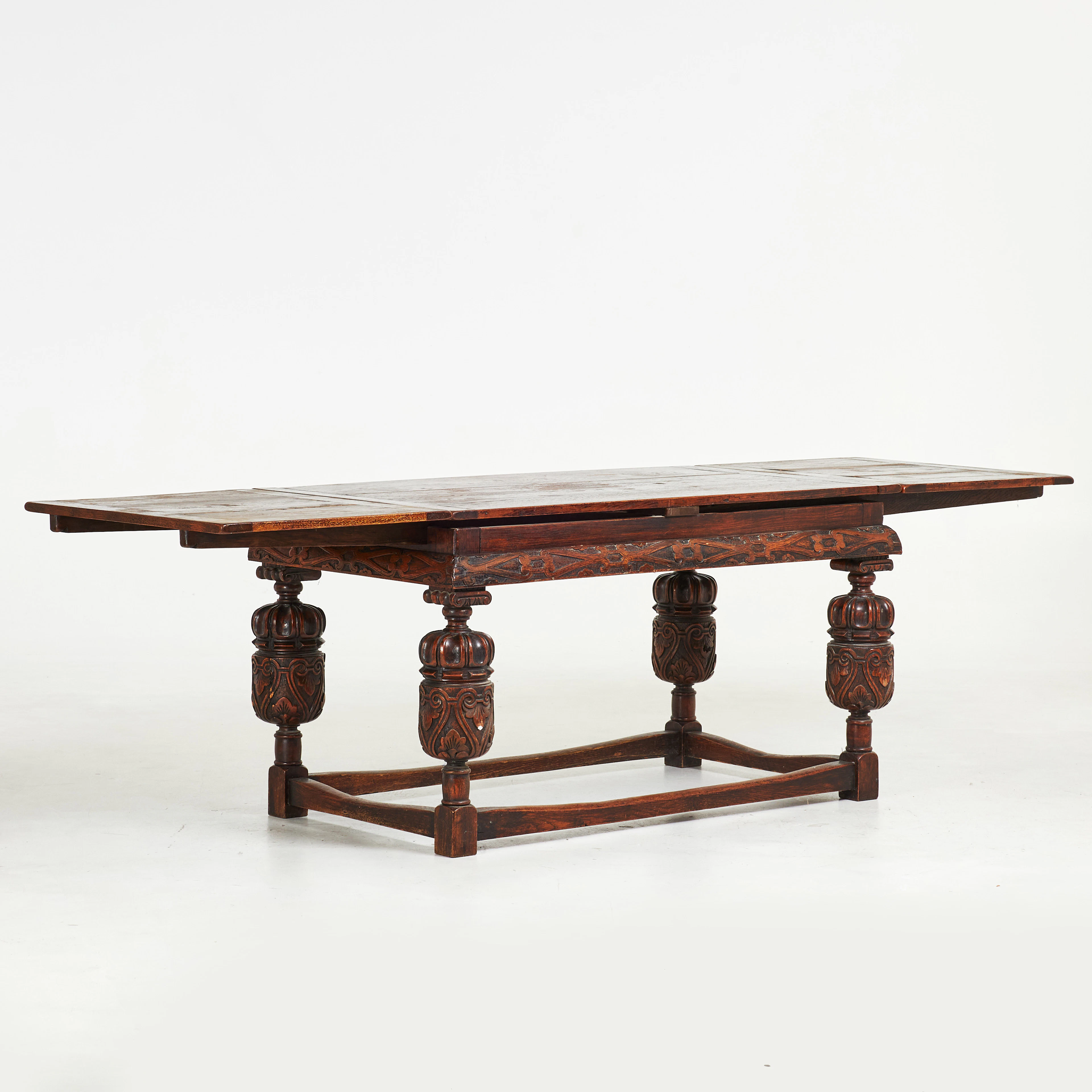
BIBLIOTEKSBORD, barockstil, ek, med två utdragbara skivor, 17/1800-tal.
10/19/2026
€314.58
Est.: €448.88
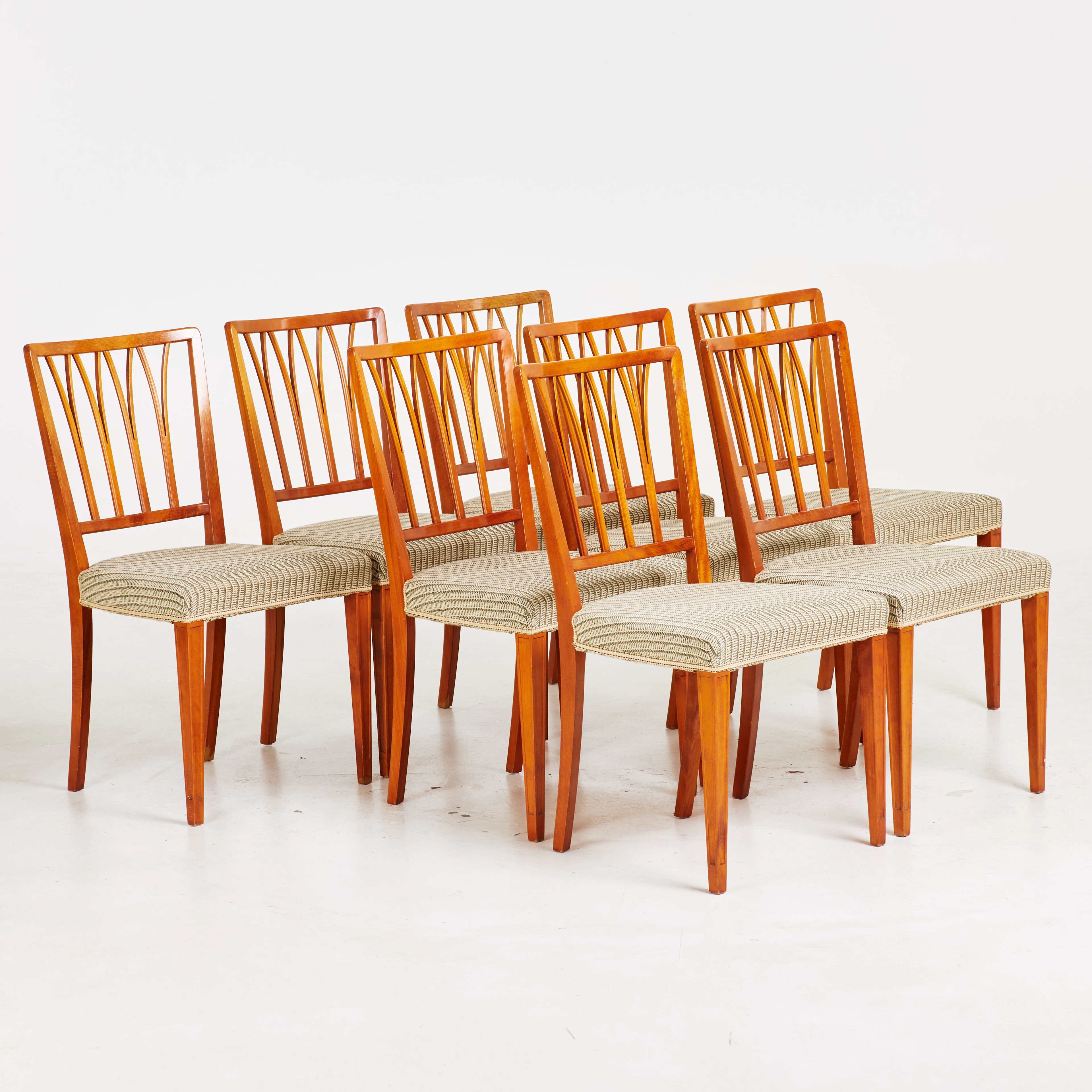
STOLAR, 8 st, stomme i bok, textilklädsel, 1900-talets mitt.
10/19/2026
€395.48
Est.: €179.71
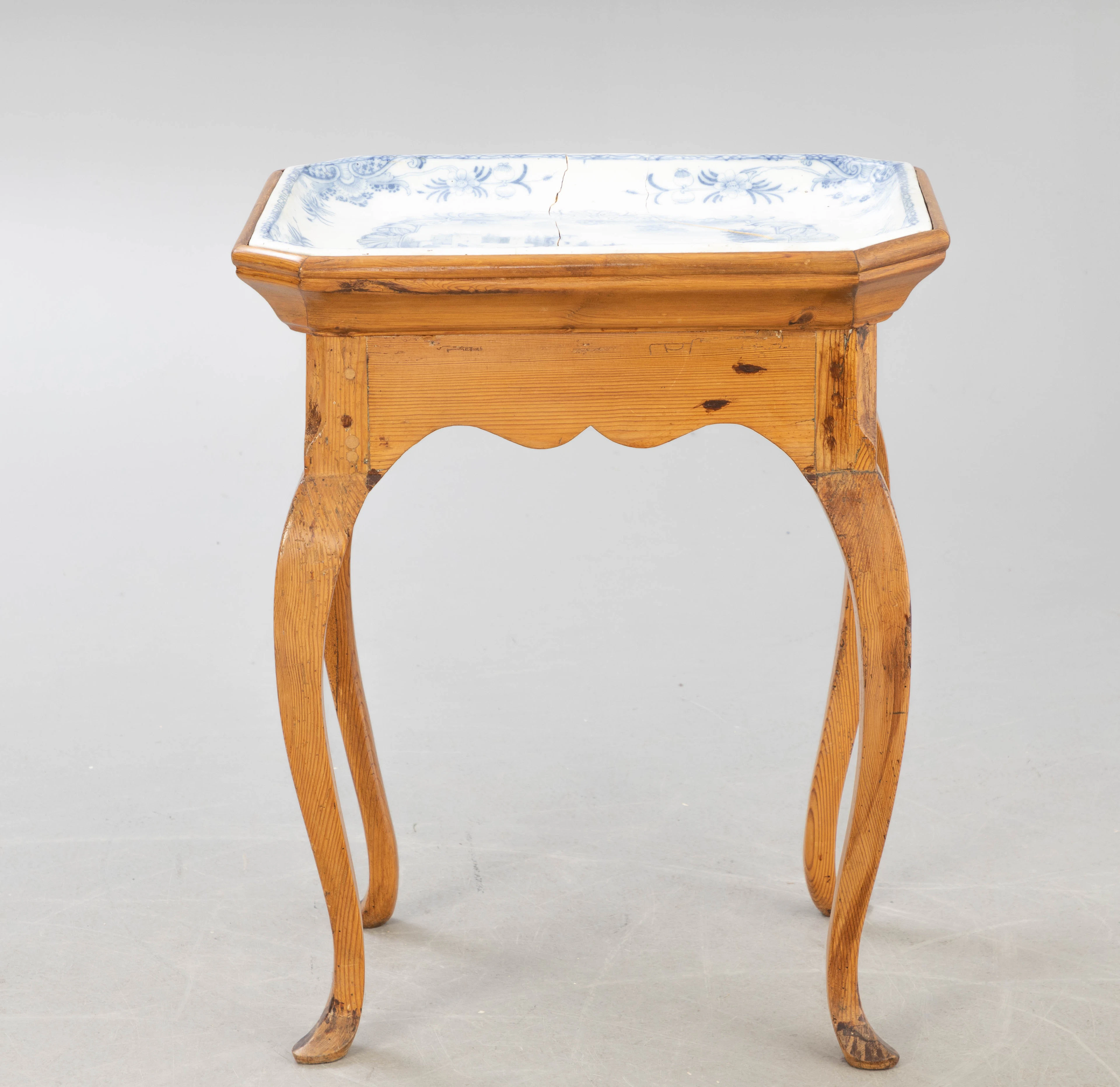
WOHL FABRIK STORE KONGSGADE. Barocker Teetisch mit Fayenceplatte
10/19/2026
€500
Est.: €900


OCT 27 | 4:00 PM
¡Lleva tu subasta a coleccionistas de todo el mundo!
Publica ahoraAl suscribirte, aceptas la política de privacidad. Cancela tu suscripción en cualquier momento.
Barnebys HQ
Brahegatan 10
BOX 5038
114 37 Stockholm
