

JUN 17 | 8:30 AM

Al suscribirte, aceptas la política de privacidad. Cancela tu suscripción en cualquier momento.
Barnebys HQ
Brahegatan 10
BOX 5038
114 37 Stockholm
Todas las subastas / Arte, Pintura & obra gráfica / Redoute Original Watercolor for Les Liliacées - Watercolor for plate
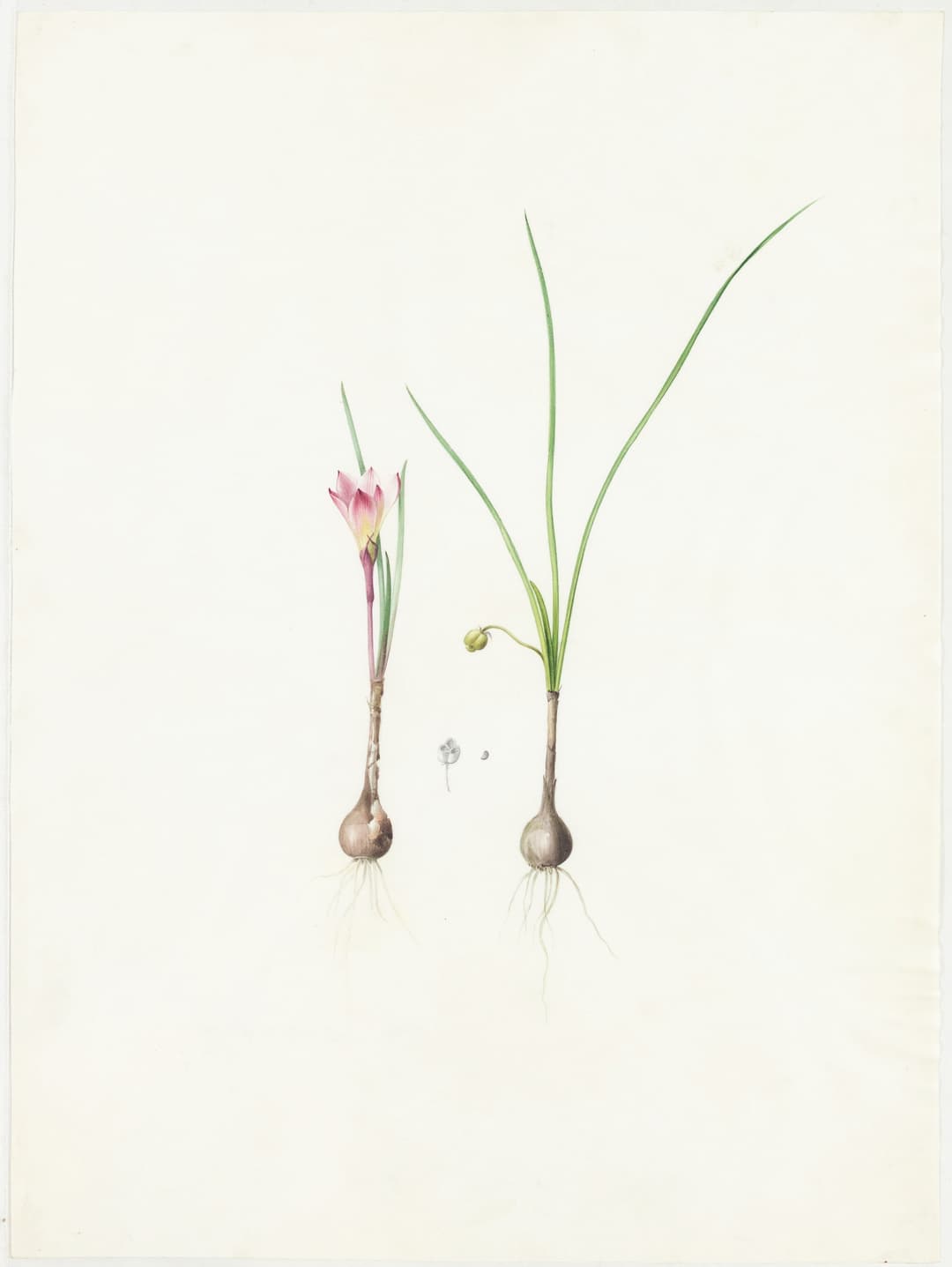
REDOUTÉ, Pierre-Joseph (Belgian, 1759-1840). Watercolor for plate 454: “Atamasco Rain-Lily, Fairy Lily” Amaryllis atamasco L. var. minor. (now called Zephyranthes atamasca). Prepared for Les Liliacées. Watercolor and graphite on vellum. ca. 1802-1816. 14 1/4" x 18 3/4" vellum. The plate represents a small-flowered, late-flowering form of the Atamasco lily designated in Les Liliacées as Amaryllis atamasco var. B, minor (in French, Amarylles de Virginie, var. à petites fleurs). The epithet “atamasco” derives from a Powhatan or Tappahannock word, traditionally interpreted as referring to the bulb’s habit of growing concealed beneath grasslike leaves. The plate shows two bulbs side by side in the classical “portrait” style for which Les Liliacées is celebrated, with the left specimen in flower, bearing a single rose-tinted, funnel-shaped bloom emerging from a divided spathe; the right in fruit, with a nodding three-valved capsule, accompanied by a small detail study of the ovary cross-section and seeds. This species is native to North America, specifically the southeastern United States, ranging from Maryland and Virginia south to Florida and west to Mississippi, where it grows in bottomland forests, wet meadows, and swampy coastal prairies. The Atamasco lily had been known to European naturalists for more than a century by the time Redouté drew it. Mark Catesby illustrated it in his The Natural History of Carolina, Florida and the Bahama Islands (1731-1747) as Lilio-Narcissus virginiensis, a synonym Redouté faithfully cites. Linnaeus formalized the binomial Amaryllis atamasco in Species Plantarum (1753) from a specimen in George Clifford’s herbarium. The route from the American Southeast to the imperial garden at Rueil-Malmaison almost certainly passed through the network of French botanical exchange that Joséphine cultivated as deliberately as her flowers. Bulbs of American Amaryllidaceae reached France in volume during the 1780s and 1790s through André Michaux, the royal botanist whose Charleston nursery shipped some ninety crates of seeds and living plants back to the Jardin du Roi (later the Muséum National d’Histoire Naturelle), Rambouillet, and Versailles, from which stock circulated to Cels’s celebrated commercial nursery at Montrouge and onward to Malmaison itself. In 1821, William Herbert moved the species to a new genus, Zephyranthes (from the Greek zephyros, west wind, and anthos, flower); it is now accepted as Zephyranthes atamasca. Raffeneau-Delile’s text in Les Liliacées confirms the variety pictured: “The small-flowered Atamasco lily does very well in pots that are taken indoors in winter to the orangery greenhouse. The pots are planted with this species as one would with a Crocus or Saffron, whose habit is little different. This Amaryllis flowers in the months of August and September, and is cultivated in the cold frames of the Garden of the Muséum d’Histoire Naturelle, and in a few other gardens.” The reference to “a few other gardens” almost certainly includes Malmaison, since Redouté worked there as Joséphine’s first painter and drew most of Les Liliacées from her plantings, supplemented by specimens at Saint-Cloud, Versailles, Sèvres, and the Muséum. Of the small-flowered variety’s wild origin, Raffeneau-Delile candidly admits: “we know it only through cultivation, and we have not discovered any other origin for it,” and that “we had not yet observed the fruiting of Amaryllis atamasco when we previously described this plant in our Liliacées.” Thus, Plate 454 is, in effect, a corrective return to a species first shown in Plate 31. That Joséphine’s gardeners coaxed an American bog lily into pot culture under glass at Rueil, where it bloomed a season later than its wild counterpart, captures the larger imperial ambition of Malmaison, which was to reassemble the botany of the New World in the suburbs of Paris during a decade when France and the Anglo-American sphere were at war; direct exchange should, in principle, have been impossible.
Estimación:€17,164.02
To the auctionVer todos los artículos deArader GalleriesoArte, Pintura & obra gráfica
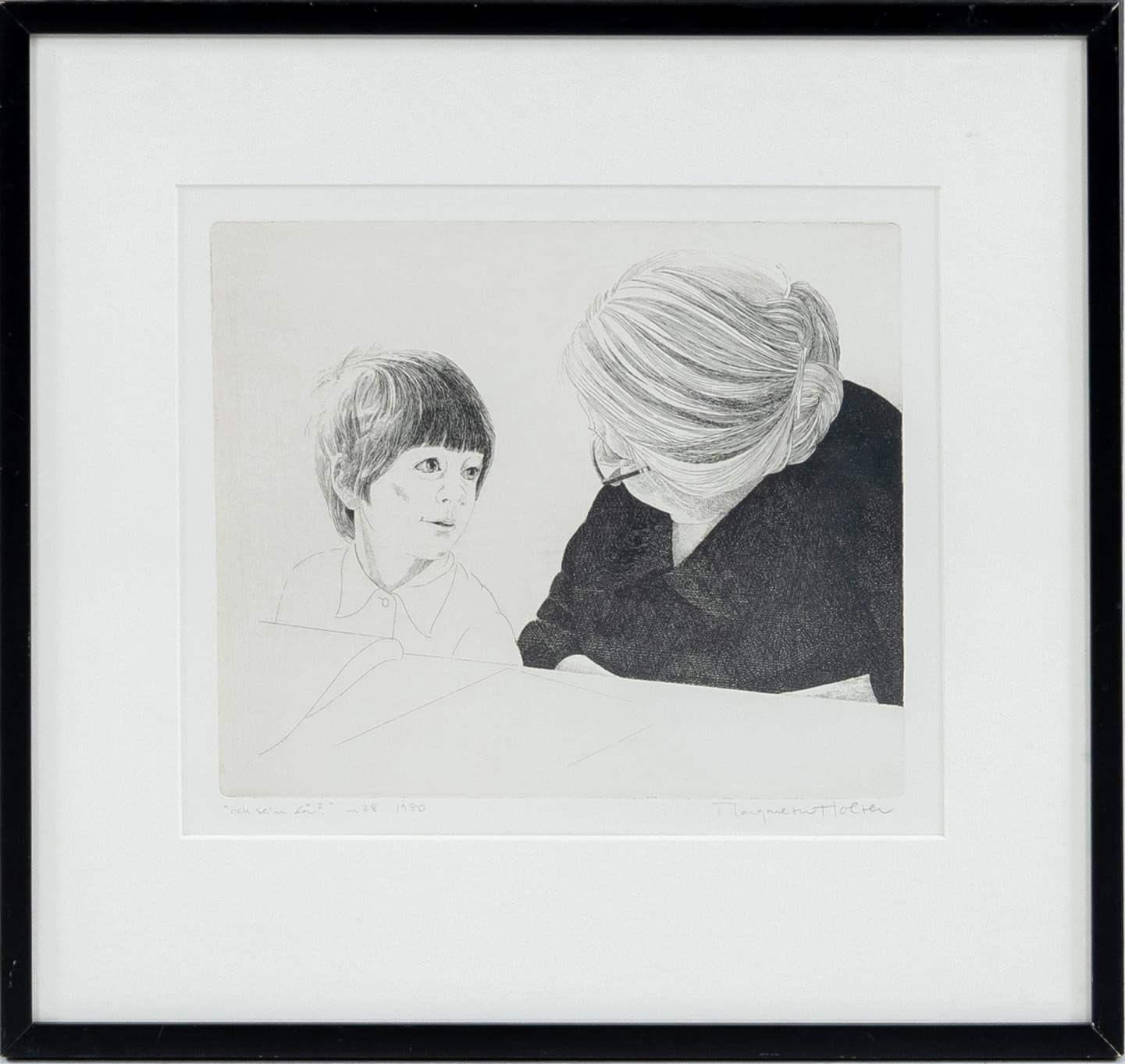
MARGARETA HOLTER (nacida en 1934), grabado, firmado, numerado 28 y fechado en 1980
09/02/2026
€46
Detalles
JUN 17 | 8:30 AM

JUN 13 | 3:00 PM

JUN 6 | 4:00 PM
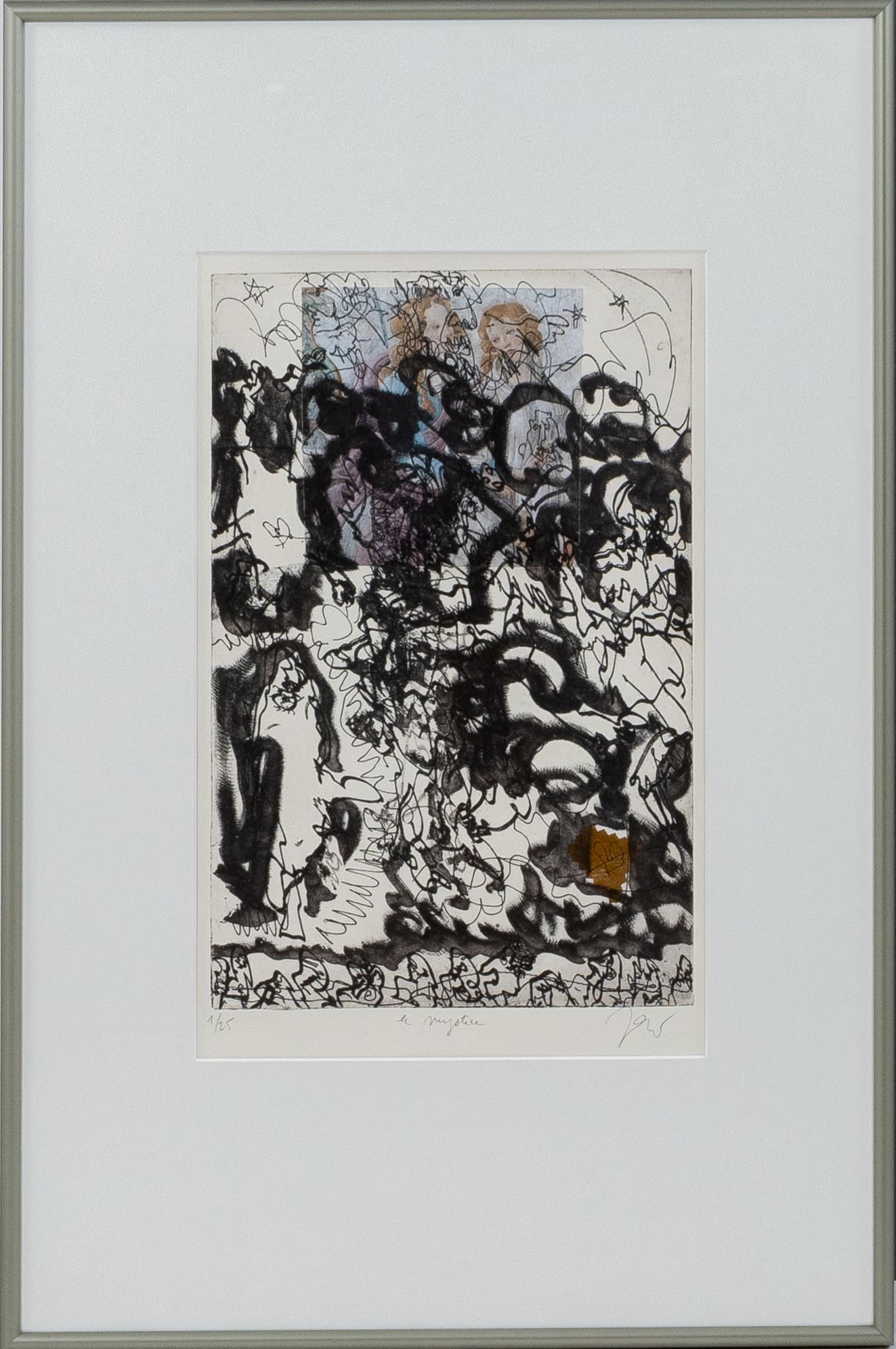
MICHAEL JOYARD (nacido ?), medios mixtos, firmado y numerado el 25/1
09/02/2026
€46
Detalles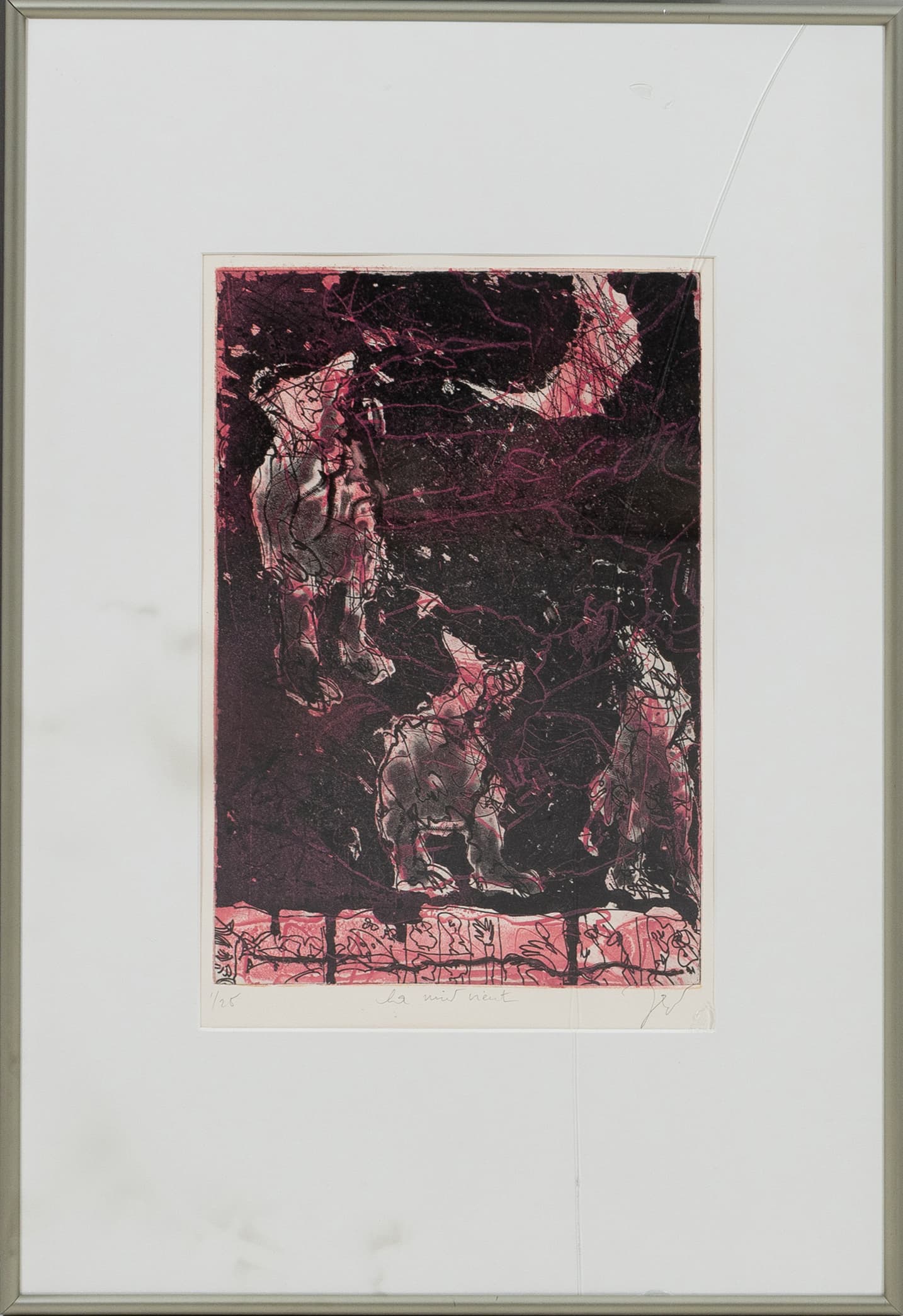
MICHAEL JOYARD (nacido ?), grabado en color, firmado y numerado 1/25
09/02/2026
€46
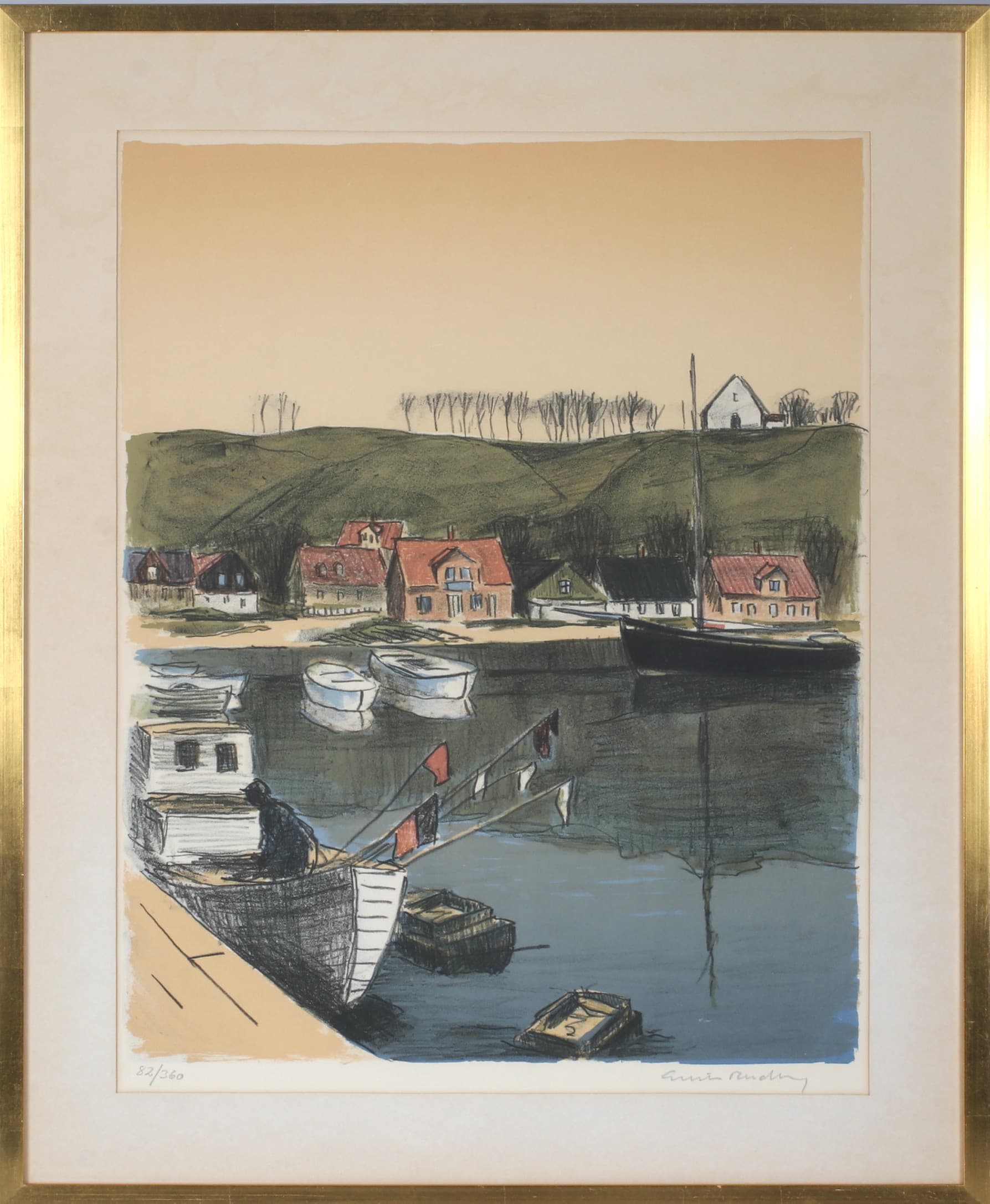
DetallesGUSTAV RUDBERG. Marina, litografi, signerad och numrerad 82/360.
06/06/2026
€29
Est.: €46
Detalles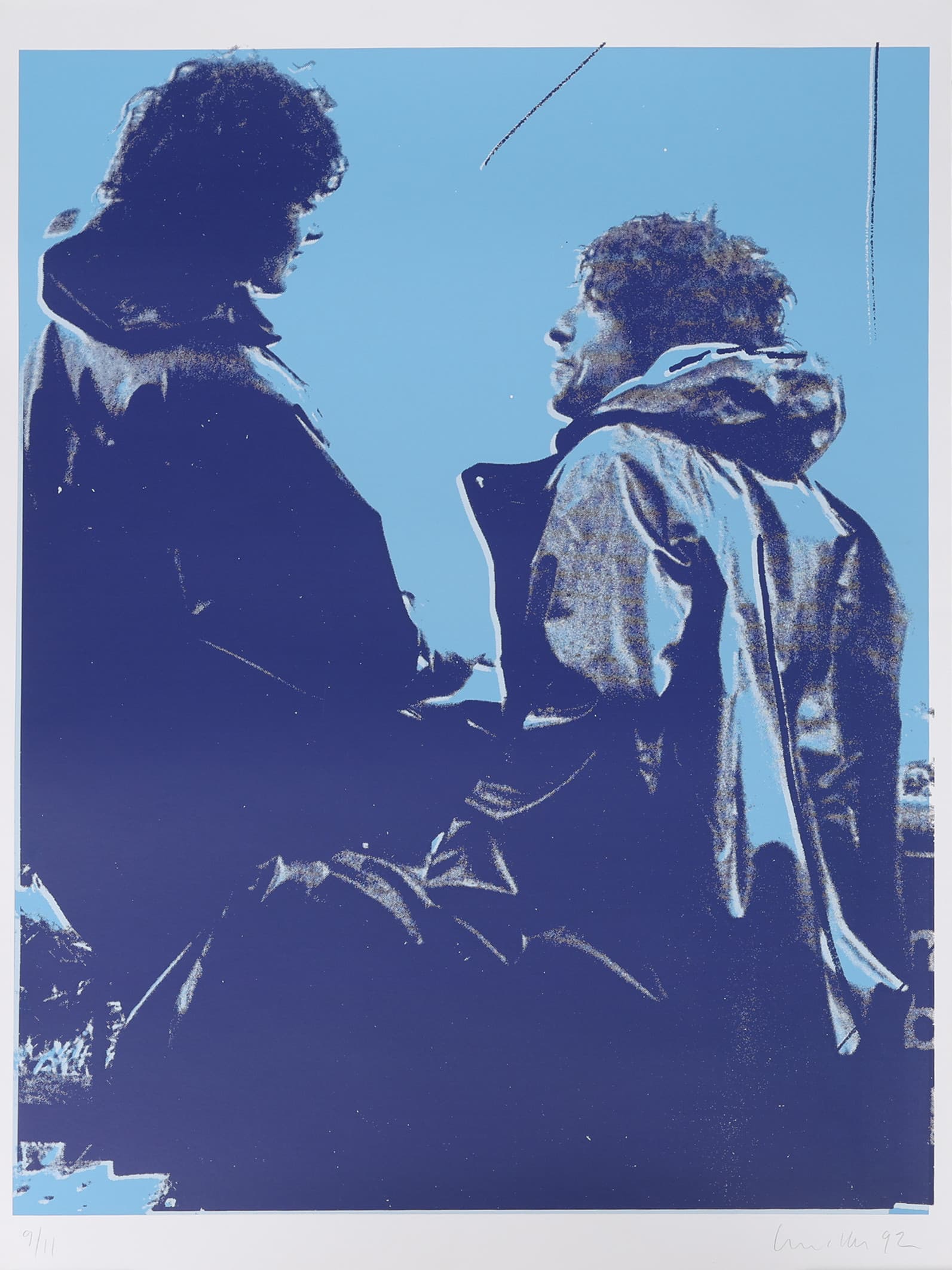
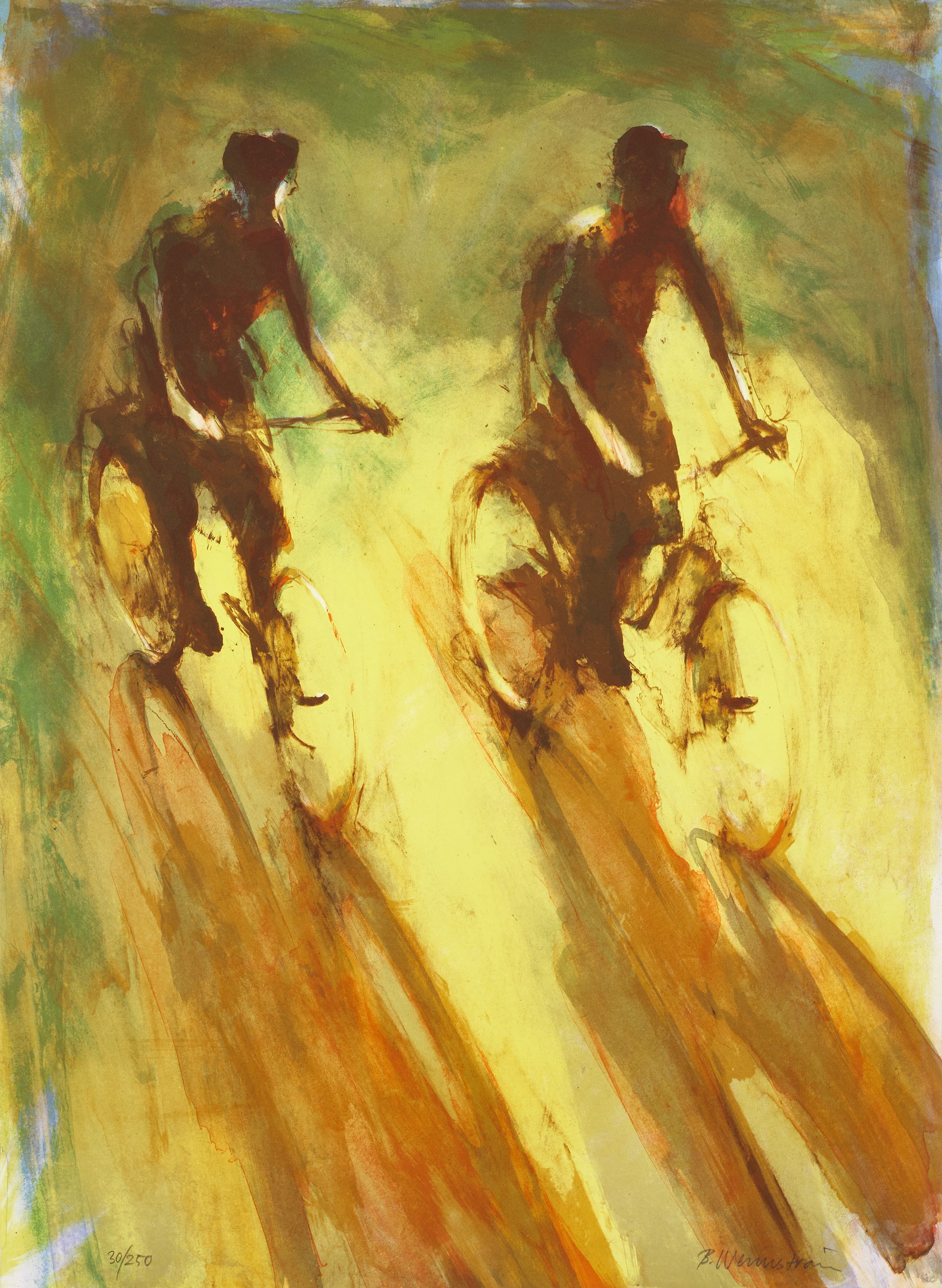
BERNDT WENNSTRÖM (FÖDD 1945). "Nerför", signerad och numrerad 30/250
06/06/2026
€296
Est.: €139
Detalles