



Todas las subastas / Arte, Pintura & obra gráfica / Ramon Martí Alsina (1826-1894) - Paisaje con figuras - XL

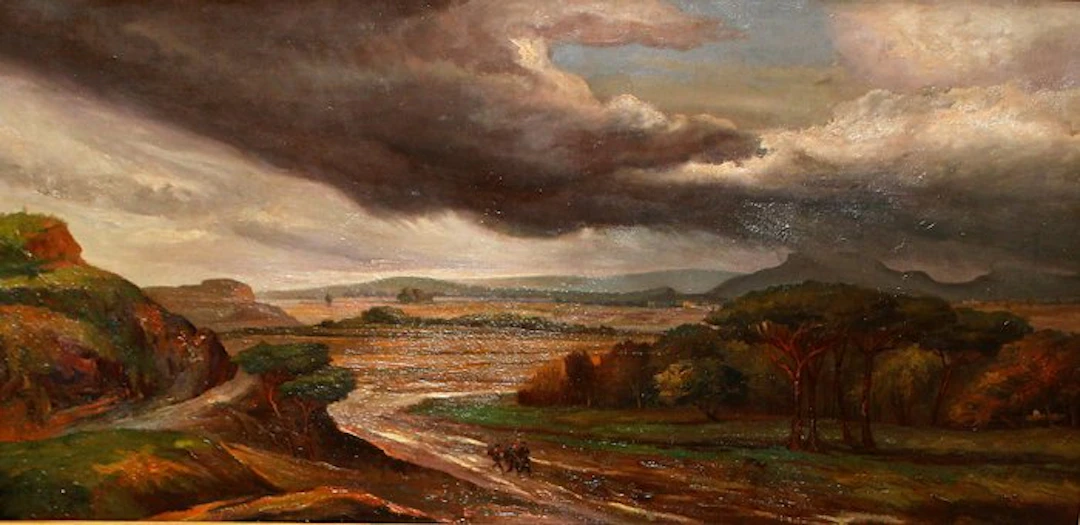
The work is signed at the bottom The condition of preservation is acceptable The work is framed (the frame shows some small signs of wear) Dimensions of the work: 60 cm in height x 120 cm in width. Dimensions of the frame: 67 cm in height x 127 cm in width. Artist Biography: Born in Barcelona, August 10, 1826. He is considered by many art experts as the most important realist painter in Spain in the 19th century. His work adopted the most innovative and groundbreaking currents of the trends that prevailed in his time; he was a revolutionary within the corseted environment of those years. He was a pioneer of Catalan landscape painting and of the most modern painting in the country at that time. He even anticipated Carlos Haes in the naturalistic study, and he was a teacher to great painters who represented an entire generation; among others: Modest Urgell, Simó Gómez, José María Mallol, Joaquim Vayreda, Baldomero Galofré, José Luis Pellicer, Lluís Armet, or Francesc Torrescassana. He combined his philosophy studies, a career started by family pressure, with painting, attending evening drawing classes at the Escola de Belles Arts de la Llotja of Barcelona, until 1845. However, his decision to devote himself to painting was firm, so he moved to Mataró, where he began to earn a living painting naturalistic portraits and landscapes “au plein air” (outdoors). He began to gain some prestige as a portraitist of local burghers, adopting a naturalist style, far from all academicism and that he practiced throughout his career. Nature has, from the very first moment, been his most important inspiration; on holidays he went out to paint landscapes of the mountains, the coast, and the nearby Maresme region. In 1848 he traveled to Paris, visiting the Louvre, particularly impressed by the works of Horace Vernet, Eugène Delacroix, and French Romanticism; later he came into contact with the leading figure at that time of realism in painting, Gustave Courbet, and with the members of the dynamic Barbizon School. In 1852 he joined the Escola de Belles Arts de La Llotja of Barcelona as a professor of linear drawing, and two years later he would teach figure drawing, a post he maintained until the ascent to the throne of Amadeo of Savoy. During that period he traveled frequently to Holland and Paris. During the reign of Amadeo of Savoy he resigned from his post at the Llotja for political reasons, and he was rehabilitated after the establishment of the Spanish First Republic, under the government of Francesc Pi i Margall. His first significant solo exhibition was at the General Exhibition of Fine Arts in Barcelona in 1851. From that moment, he participated in several exhibitions in Barcelona, Madrid, and Paris. He regularly took part in the National Exhibitions of Fine Arts, earning a third-class medal in 1858 with the work “Último día de Numancia” (Last Day of Numantia), and a second in 1860 with a landscape. In 1855 he was named corresponding academic of the Académie des Beaux-Arts de San Jorge. He attended as a guest the Paris Universal Exposition of 1889. In the 1870s, his work entered its best period, but his personal life suffered tragic events: in 1872 his children Camilo and Carlota died, and in 1878 his wife. At the same time he entered a period of economic hardship after incurring significant debt; he had to work almost at a subsistence level in various workshops (up to seven at the same time), in a nearly industrial manner, difficulties that would pursue him until his death. In his final years he was occupied with finishing a large cycle that would culminate in the grand history painting The Siege of Girona, almost 12 meters wide, a work he left unfinished and which is housed in the Museu d’Art Modern de Barcelona. Among his works we find numerous landscapes and seascapes, urban scenes, especially Barcelonian, portraits and human figures, including: “La siesta”, today at the Museu Nacional d’Art de Catalunya in Barcelona, perhaps his best-known work. Genre scenes, temperamentally nude female figures, history painting and biblical scenes, such as “David and Abigail” and “Eliazar and Rebeca,” the two in the Museu Nacional d’Art de Catalunya in Barcelona, and some still lifes. In his more mature period he moved closer to impressionism, such as for example, “The View of Boulevard Clichy,” which is why some critics consider him an eclectic artist, unable to be assigned to any specific style or painting current. Despite his importance, he is not a sufficiently studied or valued artist in his proper measure. Died in Barcelona on December 21, 1894. A large part of his work is housed at the Museu de Arte Moderna de Catalunya, several of them at the Abadía de Montserrat, one at the Museo del Prado, and two landscapes at the Museo Carmen Thyssen of Málaga.
Estimación:€1,100
Ir a la subastaVer todos los artículos deCatawikioArte, Pintura & obra gráfica
Estimación:
€1,100
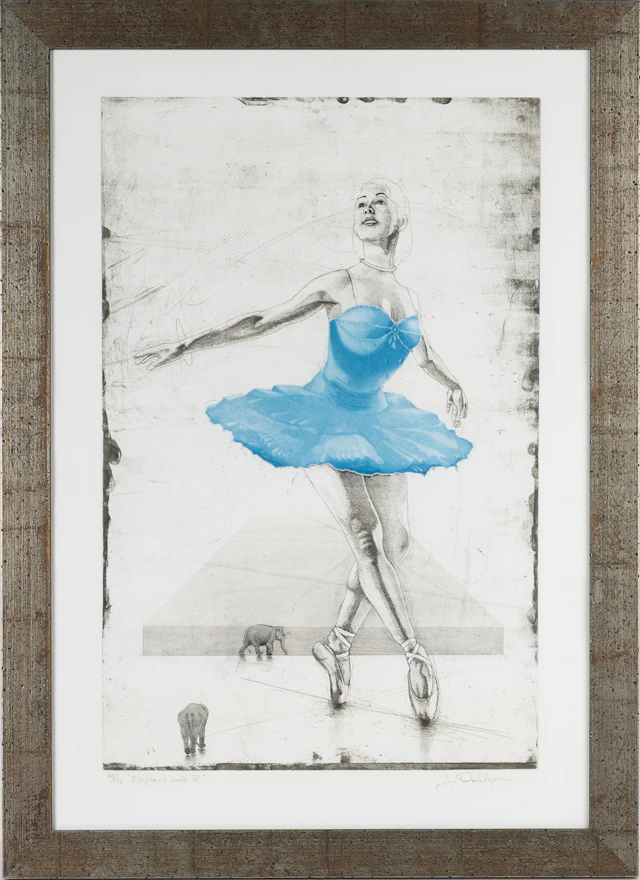
JAN DAHLGREN (FÖDD 1954). "Elephant walk III", etsning.
10/23/2026
€26.96
Est.: €89.94
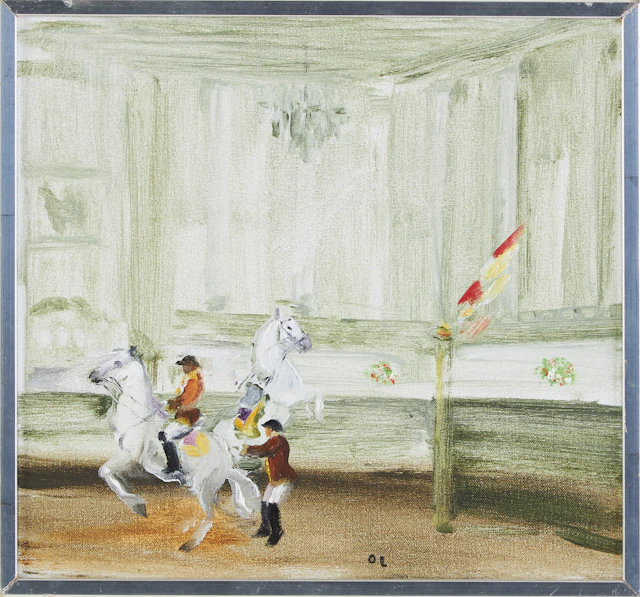
OLLE LINDGREN (FÖDD 1930). "Detroit" och interiör med hästar, (2 )
10/23/2026
€89.88
Est.: €179.89

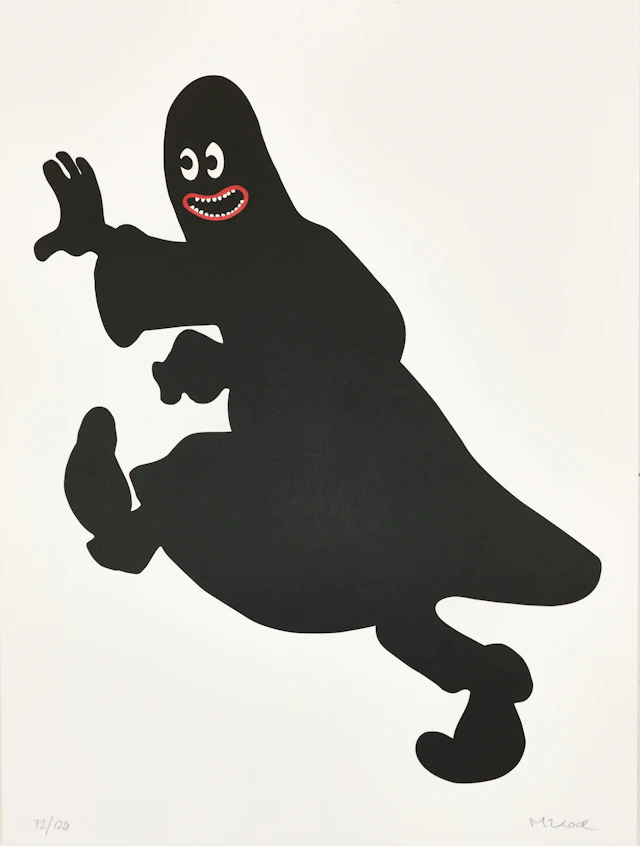
MAKODE LINDE (Sverige, född 1981). "Phantom Blot", signerad och numrerad
10/23/2026
€131.31
Est.: €224.87


OCT 27 | 4:00 PM
¡Lleva tu subasta a coleccionistas de todo el mundo!
Publica ahoraAl suscribirte, aceptas la política de privacidad. Cancela tu suscripción en cualquier momento.
Barnebys HQ
Brahegatan 10
BOX 5038
114 37 Stockholm
