


OCT 27 | 4:00 PM

Todas las subastas / Etnográfica / QUIASTOLITA Silver 925 Pendant - Height: 3.5 cm - Width: 2.5 cm- 13.2 g - (1)

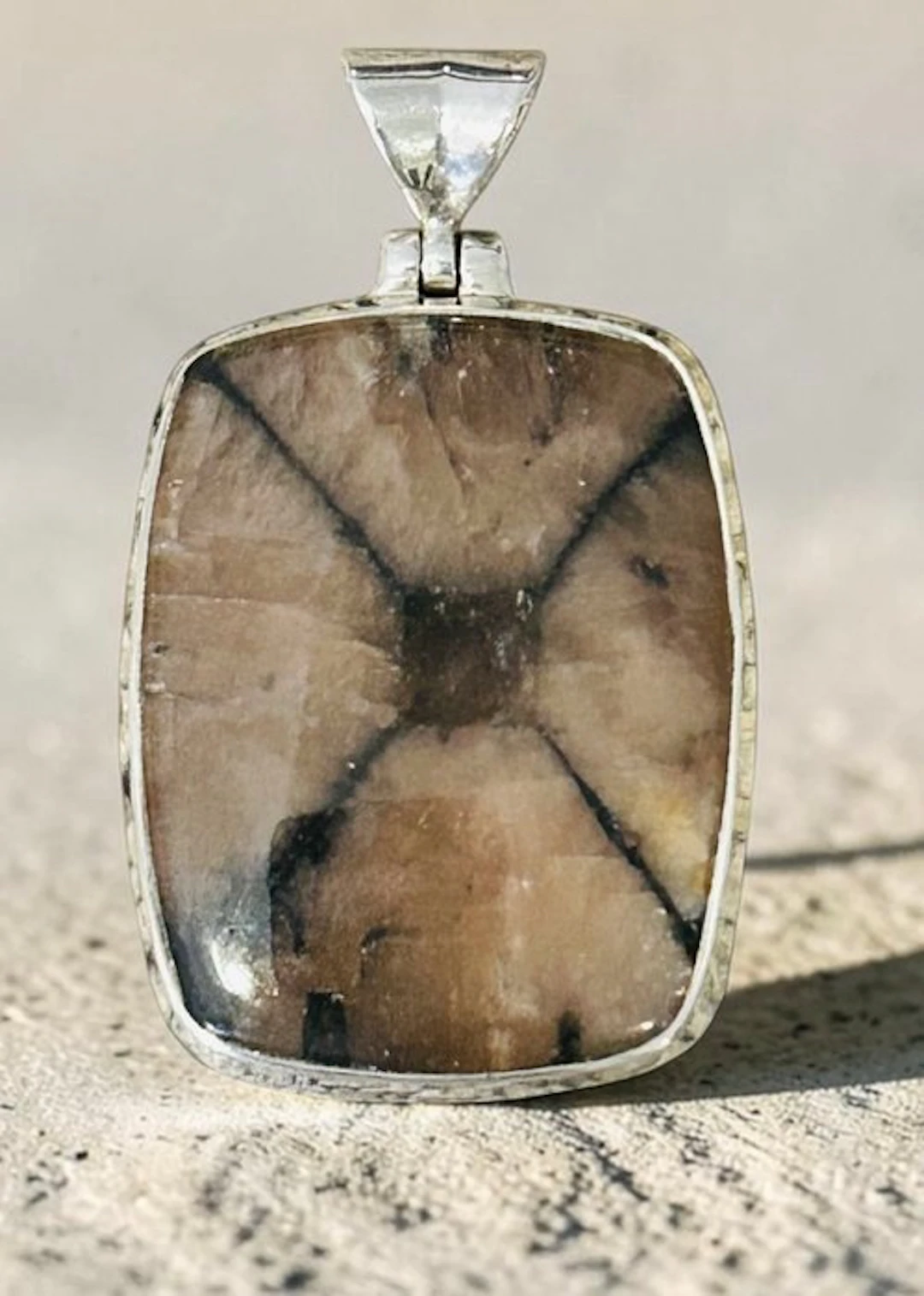
ATURAL QUARTZITE – “CROSS STONE” – SILVER PENDANT – UNIQUE NATURAL PATTERN 1. Piece type Large-format pendant made with natural chiastolite, a variety of andalusite best known for developing a distinctive dark cross inside the crystal. 2. Mineral Chiastolite (Chiastolite), a variety of andalusite. 3. Chemical formula Al2SiO5 Chiastolite is an aluminum silicate belonging to the andalusite group. 4. Main feature The piece presents the famous natural cross-shaped drawing, produced by dark inclusions, usually rich in carbon or graphite, incorporated during the crystal’s growth. The pattern was not added afterwards: it is part of the mineral’s internal structure. 5. Color Natural tones of beige, brown, hazelnut and grayish, traversed by dark lines converging at the center. The contrast between the light matrix and the dark cross is precisely the characteristic that makes chiastolite recognizable. 6. Cut Large rectangular cabochon with softened corners, polished on both faces. The cut has been oriented to frontal view the cruciform structure of the mineral. 7. Size and presence Rectangular-format piece with a large visible mineral surface. The size allows the complete pattern to be clearly appreciated and makes the pendant a piece with strong visual presence. 8. Irreproducible natural design No two chiastolites have exactly the same cross. In this specimen, four dark bands emanate from the center and visually divide the cabochon into four sectors, creating an extremely characteristic geometric composition. It is precisely this type of mineral that turns a jewel into a unique piece: the design is created by nature itself. 9. Mounting The mineral is surrounded by a solid perimeter metal mount with a silvery appearance, large top bail, and articulated system. The frame protects the cabochon edges without taking away protagonism from the mineral. 10. Contrasts and marks The mount bears the inscription “SRJ”. Contrast 925 clearly visible or instrumental analysis available. 11. History and tradition Chiastolite has been known for centuries as the “cross stone” for its natural drawing. Its name derives from Greek chiastos, related to the idea of being “crossed” or “arranged in an X shape.” Precisely because of its extraordinary internal geometry, it has historically been used as an ornamental stone, amulet, and symbolic object. 12. Authenticity The natural cross of chiastolite is an internal structure formed during mineral growth. In this piece there are color variations, small inclusions, irregularities, and intensity differences between zones, characteristics consistent with a natural mineral. Macro photographs allow detailed examination of these peculiarities. 13. Fakes and imitations Minerals with recognizable shapes can be imitated with dyed materials, resins, artificial drawings, or rebuilt composites. In a natural chiastolite one should observe internal transitions, irregularity of the drawing, tone differences, and absence of a perfectly artificial geometry. The high number of imitations on the market makes it especially important to observe the real structure of each piece rather than just its overall appearance. 14. Tribute to human labor Behind this piece there is a chain of work starting with the miners who extract the mineral and continuing with those who select the material, determine the correct orientation of the cut, polish it, and finally create the setting. In chiastolite, the lapidary’s skill is especially important: cutting the crystal in the right orientation reveals the characteristic cross that was hidden inside the rock. A small tribute to all the workers who make it possible to transform a natural mineral into a jewelry piece. 15. Care and maintenance Andalusite has a hardness of approximately 6.5–7.5 on the Mohs scale, but it is recommended to avoid strong impacts, aggressive chemicals, and sudden temperature changes. Clean with a soft cloth slightly moistened and store separately from other jewelry to prevent damage to the polish or setting. Gemological curiosities Chiastolite is a superb example of how geology can produce structures that seem deliberately designed. During crystal growth, the dark inclusions are displaced and concentrated in certain directions, generating the famous cross. That is why each cut section shows a different and unique geometry. Tips This piece is particularly attractive for collectors seeking minerals with recognizable natural shapes, beyond mere color. The cross should be viewed frontally to appreciate the symmetry and the full contrast of the cabochon. Seller profile Engineer, MBA and Master in Marketing, with more than 40 years of international business experience. Each piece is selected individually by combining criteria of authenticity, mineralogical interest, aesthetic quality, jewelry construction, and market value. Minerals with their own visual identity, irreproducible drawings, and natural features capable of differentiating one piece from another are especially prioritized. Authenticity, criteria, and real value. It’s not just buying; it’s knowing how to choose.
Estimación:€150
Ir a la subastaVer todos los artículos deCatawikioEtnográfica
Estimación:
€150
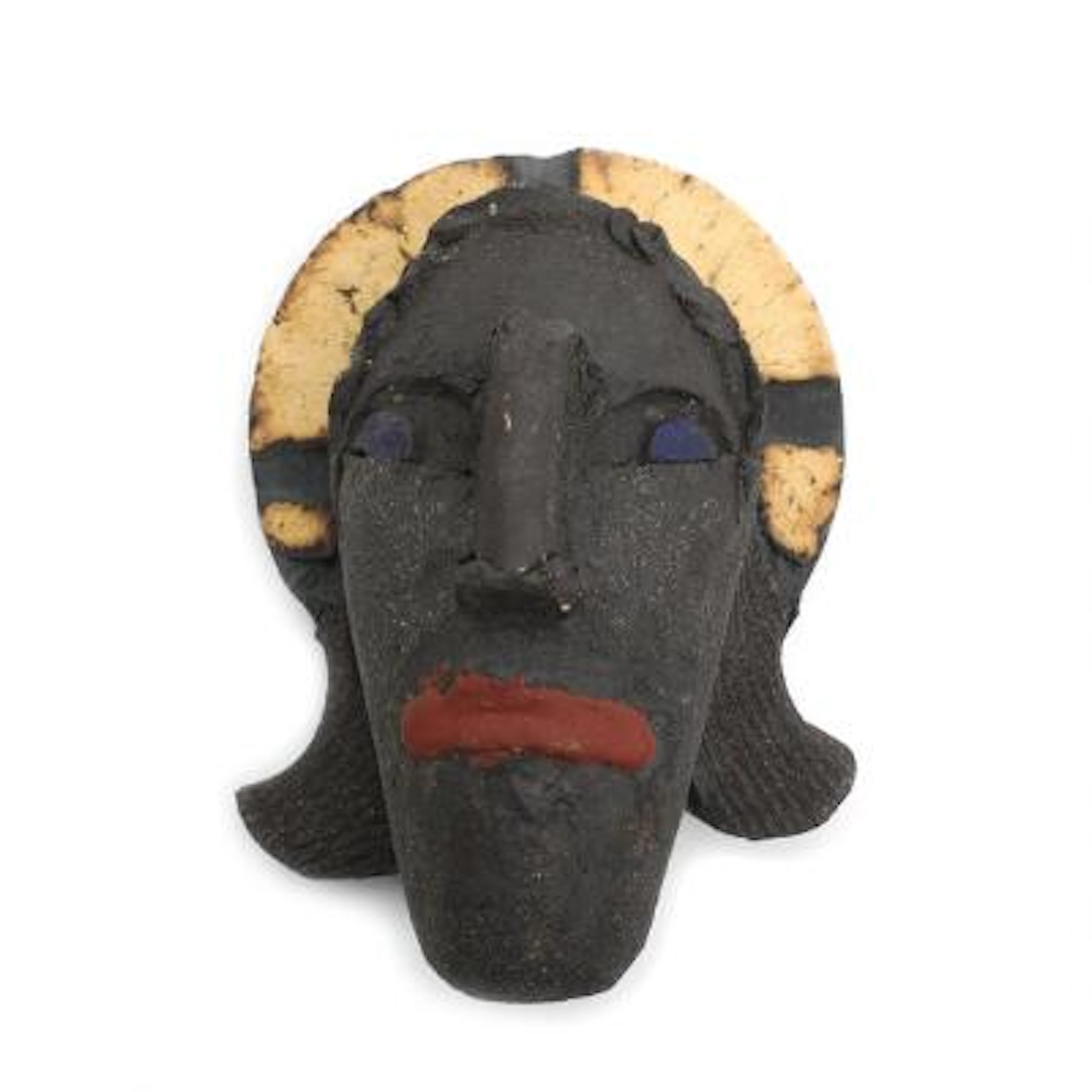
Niels Helledie: Christ. Unsigned. A Wall-mounted relief made of partially
10/13/2026

€869.58
Est.: €1,070.15
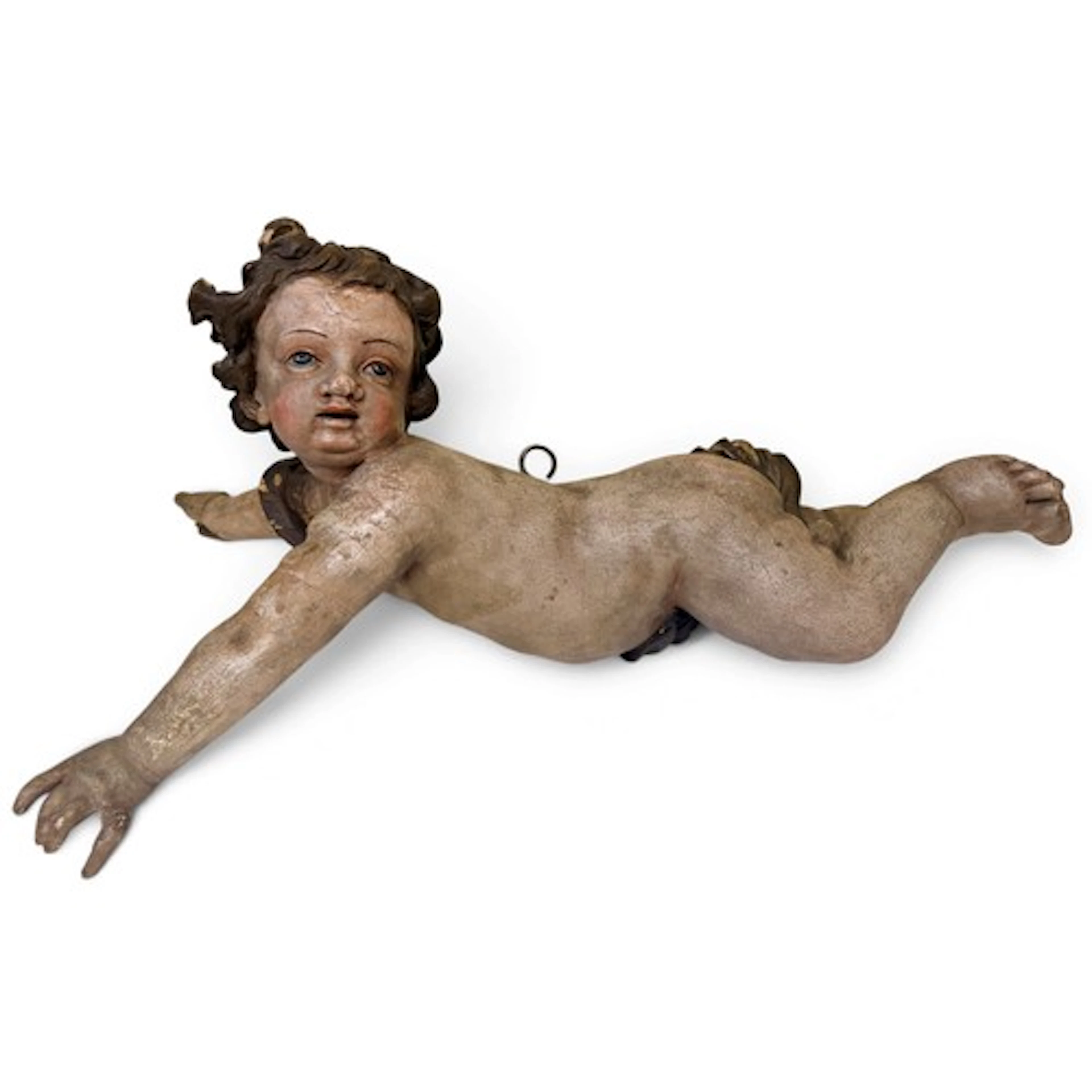
A large carved and painted gesso model of a putto or cherub ...
10/13/2026

€709.12
Est.: €589.46
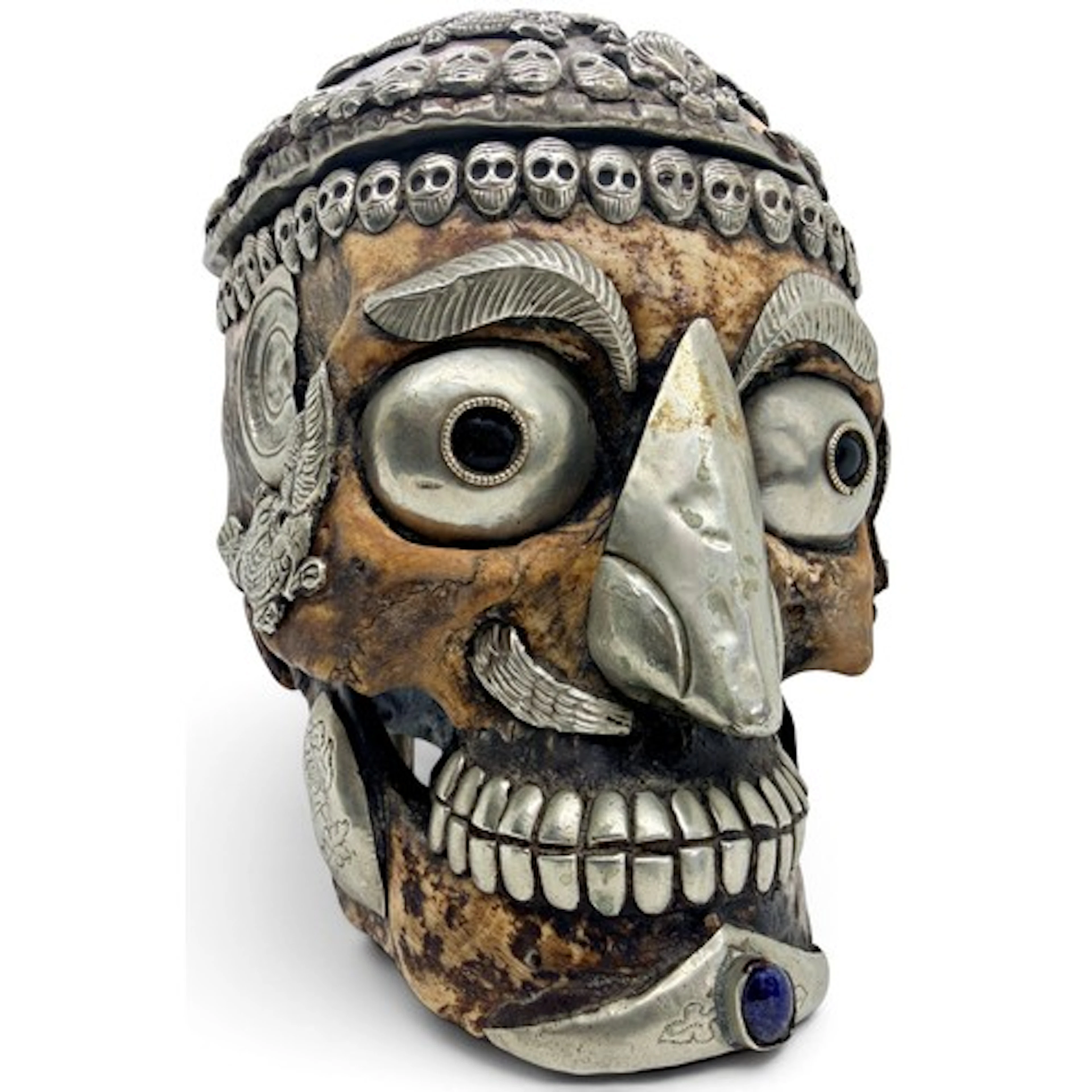
A Tibetan Kapala human skull with white metal and cabochon g...
10/13/2026
€1,300.07
Est.: €471.57
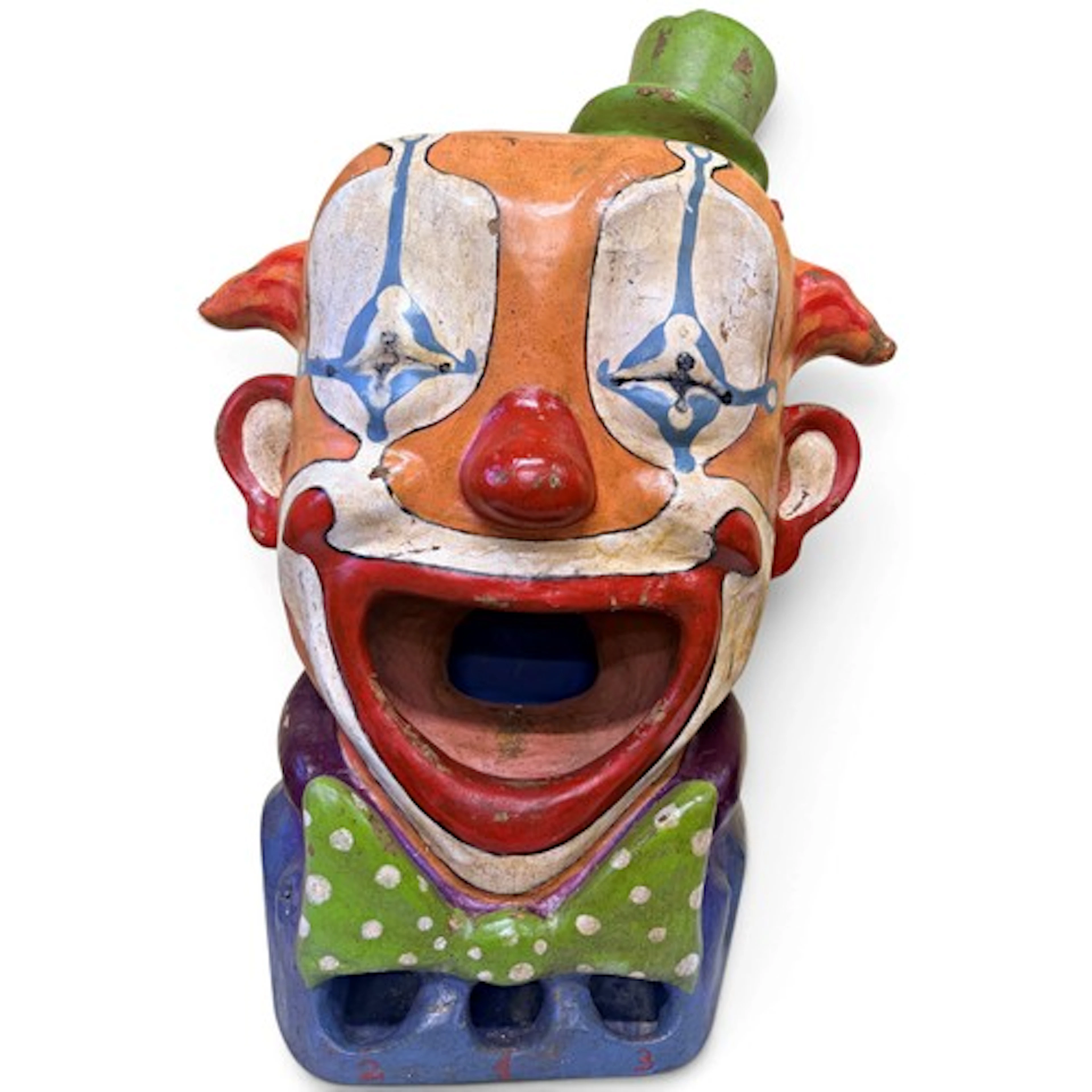
A large, scarce circus clown, ‘ball swallower’ game model in...
10/13/2026
€945.5
Est.: €943.14
OCT 27 | 4:00 PM
¡Lleva tu subasta a coleccionistas de todo el mundo!
Publica ahoraAl suscribirte, aceptas la política de privacidad. Cancela tu suscripción en cualquier momento.
Barnebys HQ
Brahegatan 10
BOX 5038
114 37 Stockholm
