
Todas las subastas / Arte, Pintura & obra gráfica / Peter Paul Rubens (1577-1640)

Peter Paul Rubens (1577-1640)
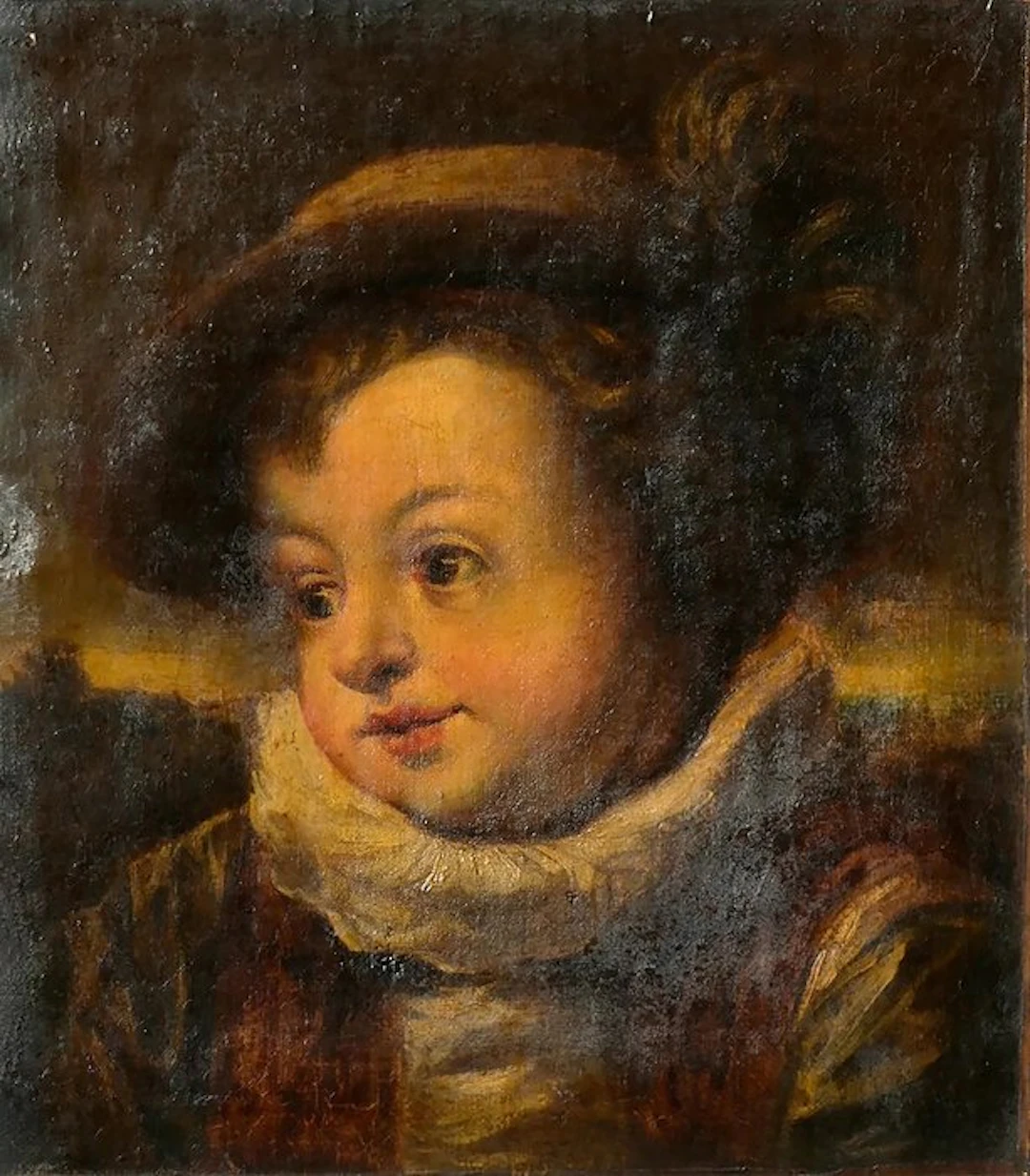
Circle of PETER PAUL RUBENS (Antwerp, 1577 – 1640) Portrait of a young boy with plumed hat Oil on canvas, 33 x 28.5 cm Frame size, about 45 x 40 x 4 cm NOTE: Publication of the catalog of works from the Intermidiart collection (pdf). Unsigned work. Certificate of Guarantee and Legitimate Provenance. Work with wooden frame (defects): The work depicts a half-length infant portrait, with the child oriented three-quarter left to the observer. The facial features, characterized by prominent rosy cheeks, full lips, and a serene and lively expression, convey the freshness of infancy with immediacy. The clothing significantly contributes to defining the subject's social status and the cultural context. The child wears a wide dark felt hat, adorned with a soft feather, an element attributable to the Flemish aristocratic fashion of the mid-17th century. Particularly evident is the large white ruff, or fraise, curling around the face, creating a strong luminous contrast with the brown tones of the garment and the background. The painting fits within the tradition of Flemish Baroque and reveals a marked influence from the portrait models developed by Peter Paul Rubens (Antwerp, 1577 – 1640) and subsequently disseminated by his workshop and the Antwerp school. The composition is characterized by a pronounced chiaroscuro contrast. The light appears to come from the left side, directly illuminating the child’s face while the opposite side and the background remain in shadow. This solution reinforces the three-dimensionality of the figure and enhances the softness of the complexion. The painting technique shows a significant differentiation between the various parts of the image. The clothing and background are defined through quick, textured, summary brushstrokes, in which the texture of the painting remains perceptible. The face, by contrast, receives greater executional attention, with delicate tonal transitions dominated by earth tones, ochre, and reddish hues, aimed at returning the vitality of the skin. These stylistic characteristics are widely associated with Rubensian portrait tradition. The work does not appear to belong to the official court portrait typology, but rather to the private portrait, intended to preserve the affectionate and family image of the subject. This typology was particularly valued by Rubens himself in portraits of his own children. In terms of composition and treatment of the flesh tones, it is possible to compare with Clara Serena Rubens’s Portrait, now in the Liechtenstein Princely Collection, especially for the intimate gaze and the rendering of rosy cheeks. Further analogies are found in portraits of Rubens’s elder children, Albert and Nicolaas, in which feathered hats and aristocratic collars contribute to constructing the child’s social image. However, such comparisons should be understood as typological and stylistic references and do not imply, in themselves, a direct attribution to the master or his workshop. The formal characteristics of the work, together with the support and the quality of the painterly film, do not seem to support a direct attribution to Peter Paul Rubens. The execution appears more attributable to an artist close to the Rubensian tradition or to a follower of the Antwerp school. Dating could be roughly placed between the late 17th and early 18th century, a period when the compositional and linguistic models elaborated by Rubens continued to exert strong influence on Flemish painting. The canvas is applied to a rigid support, an intervention attributable to a previous re-casing or marouflage operation. Knowledge of the procedures and stylistic characteristics of the Antwerp tradition is nonetheless evident, as is the will to maintain the freshness and immediacy of the Rubensian prototype. The condition can be regarded as overall decent and stable, albeit with the usual signs of time and previous restorations. The canvas has been attached to a rigid panel by marouflage. This historical intervention has given flatness to the support, reducing the risk of deformation and tensioning of the canvas. A diffuse network of craquelure is present on the painted surface, compatible with aging of the pictorial film. The mere presence of craquelure, however, cannot be considered by itself as proof of authenticity or antiquity of the work, and must be evaluated together with the materials, execution technique, and stratigraphy. No obvious signs of lifting or detachment of the pictorial film are currently detected. The protective varnish appears yellowed and oxidized, with a consequent reduction in chromatic brilliance and luminous contrast, particularly evident in the white of the frill. On the left edge there is a slight opacity likely due to superficial alteration, and there are also small retouches attributable to previous restorations, especially in the background areas. From a structural standpoint, the work appears overall stable. A targeted conservation intervention, preceded by appropriate diagnostic assessment, could involve a controlled cleaning of the surface and altered varnish to recover the legibility of the original chromatic relationships and chiaroscuro contrasts. The intervention should be entrusted to a qualified restorer and, where necessary, preceded by non-invasive diagnostic tests to verify the nature of the materials, the extent of retouching, and the varnish’s stratigraphy. Overall, the work constitutes an interesting example of the persistence of Rubensian portrait tradition in Flemish painting from the late 17th to the early 18th century, with particular emphasis on the construction of the infant face, the use of chiaroscuro, and the aristocratic character of the clothing. The painting is enriched by a wooden frame (frame dimensions about 45 x 40 x 4 cm, with defects). "The frame shown in the photos above has been added to the artwork by the seller or a third party. The frame is provided at no additional cost so that it is ready to display upon arrival. The frame is included as a courtesy and is not considered an integral part of the artwork. Therefore, any potential damage to the frame that does not affect the artwork itself will not be accepted as a valid reason to open a claim or request order cancellation." provenance: Private Collection PUBLICATION: - UNPUBLISHED SQUARES, General catalog of the Gallery Intermidiart collection by Andrea Maggio, 2026 (pdf). In case of sale outside Italian territory, the buyer must wait for the export procedures.
Estimación:€2,800
Ir a la subastaVer todos los artículos deCatawikioArte, Pintura & obra gráfica
Estimación:
€2,800
Artículos similares

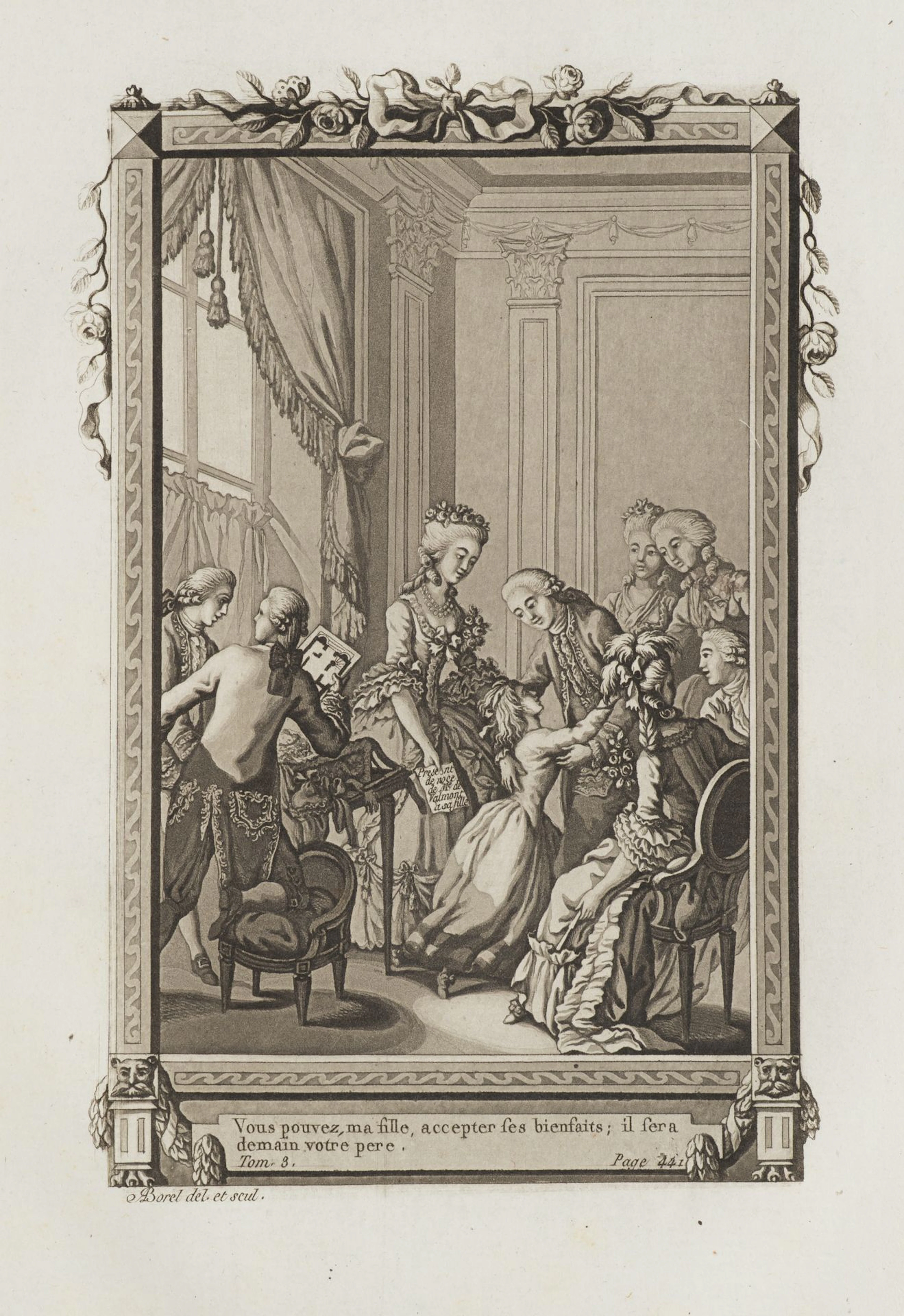
Resultados de subastas para artículos similares
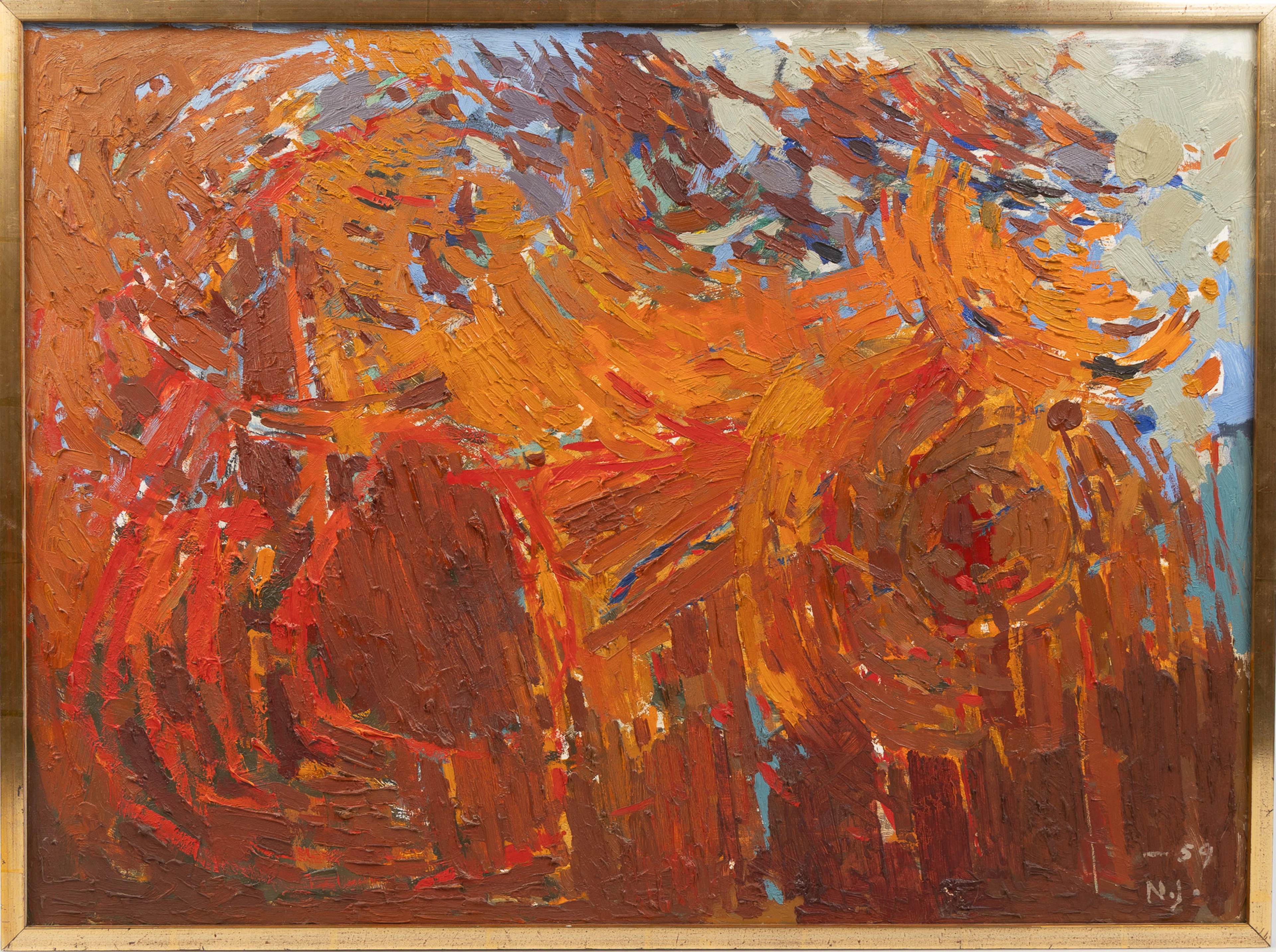
ILS JOHANSSON. "Höstvirvlar", olja på pannå.
10/08/2026
€89.25
Est.: €178.57
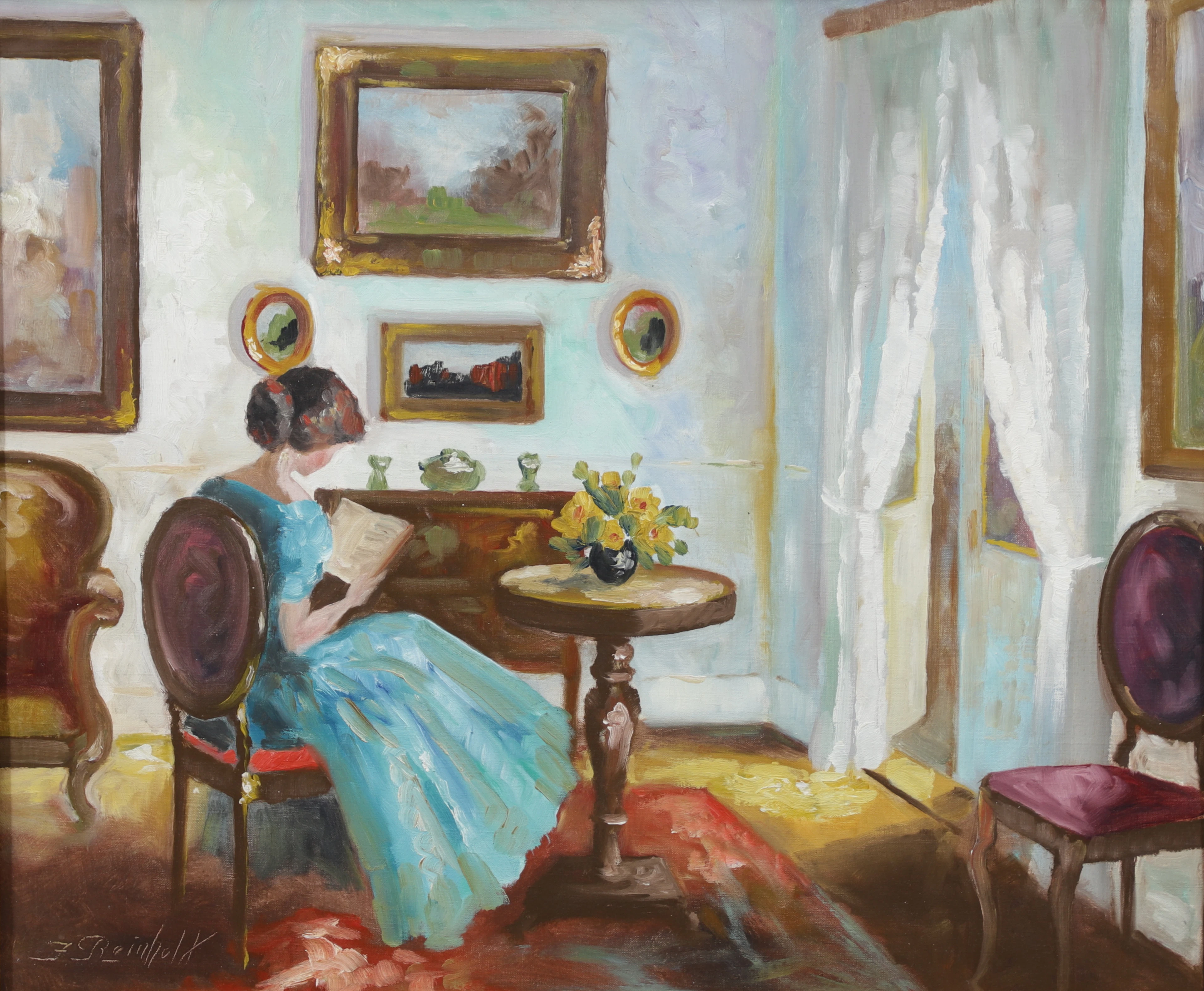
OIDENTIFIERAD KONSTNÄR. Interiör mad kvinna, olja på duk, signerad Reinholt.
10/08/2026
€35.7
Est.: €44.64
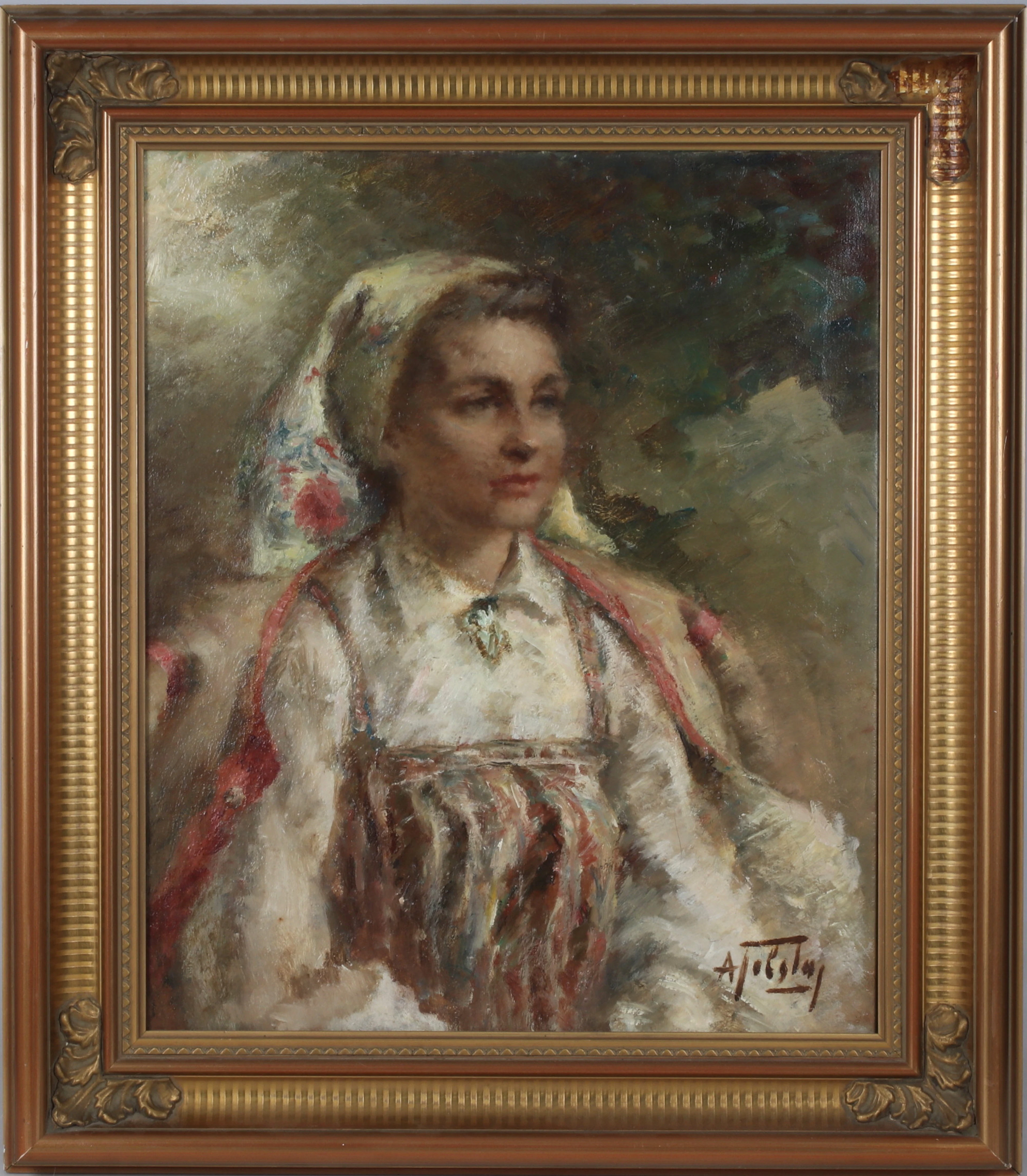
ALEXANDER TOLSTOY. Porträtt, olja på duk, signerad.
10/08/2026
€89.25
Est.: €176.92
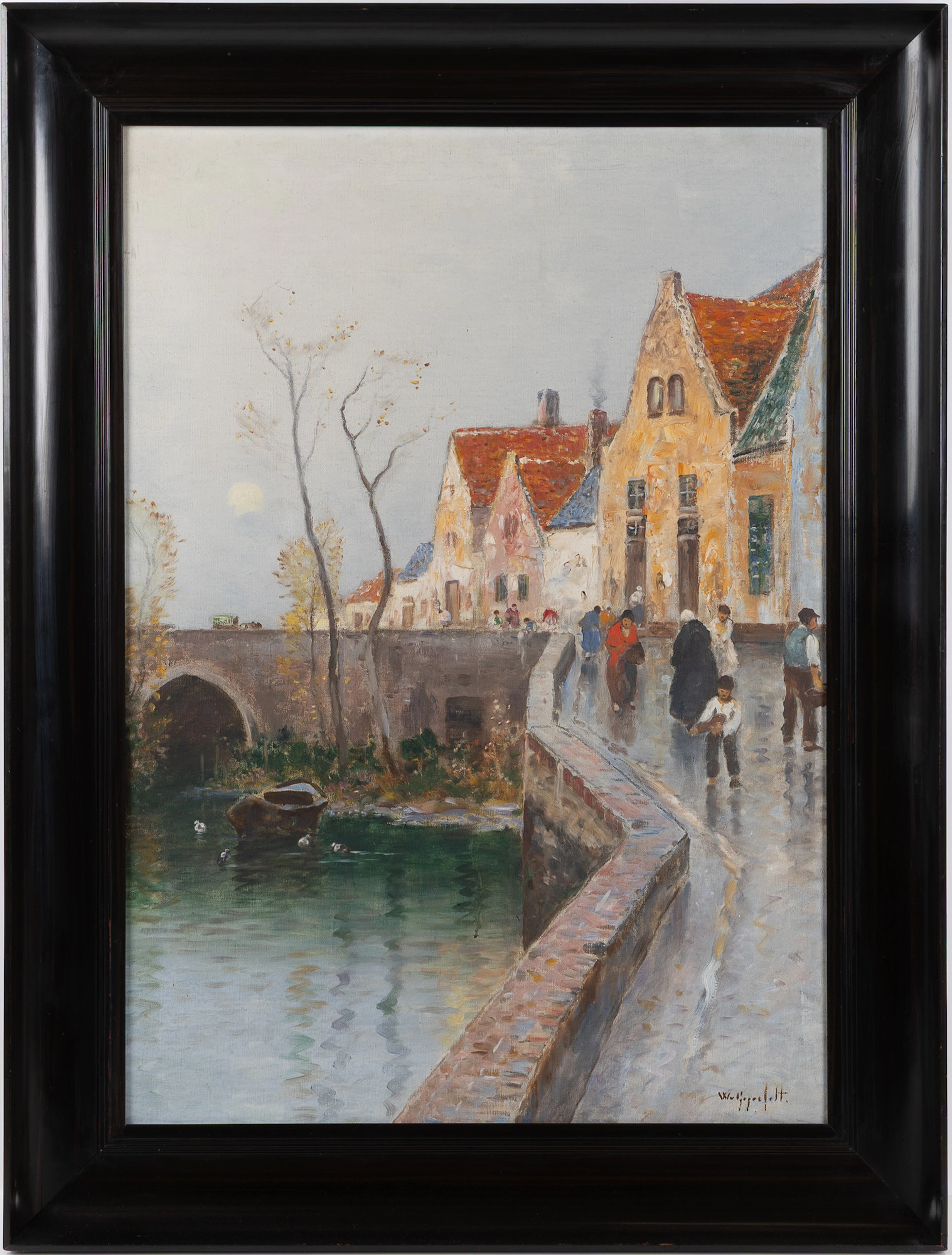
WILHELM VON GEGERFELT. Stadsmotiv med kanal, olja på duk.
10/08/2026
€169.59
Est.: €714.3
¡Lleva tu subasta a coleccionistas de todo el mundo!
Publica ahora