





Todas las subastas / Libros, mapas, papel & manuscritos / Monastic Book of Hours, perhaps of Franciscan Use, in Latin, illuminated

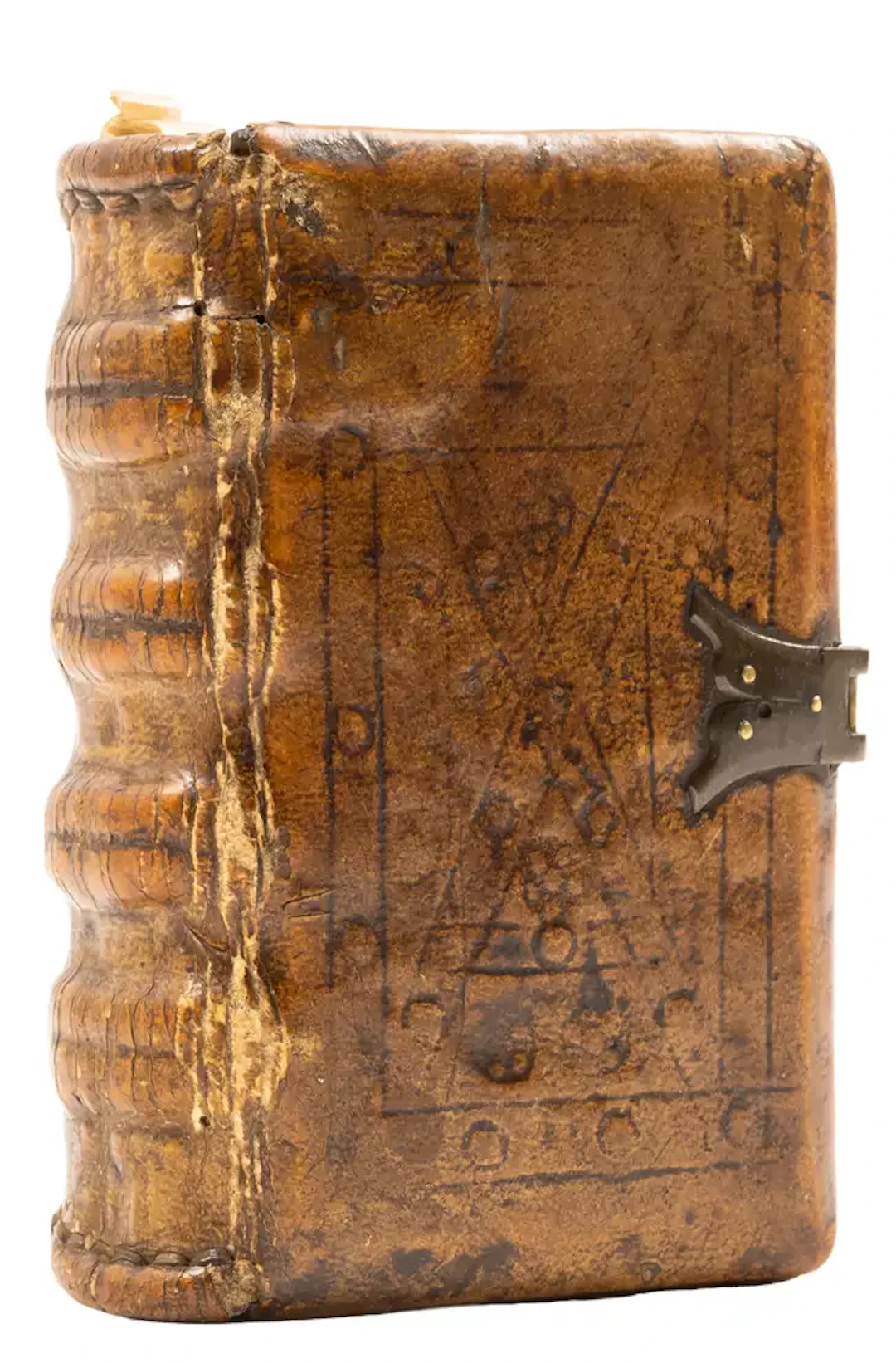
Monastic Book of Hours, perhaps of Franciscan Use, in Latin, illuminated manuscript on vellum, in its contemporary binding, [south east Germany or Silesia, fourteenth century, with some leaves added in fifteenth century], 186 leaves, wanting a few leaves (partly from the rearrangement of the volume in the fifteenth century, collation: i12, ii6 (wants 2 leaves, but without apparent loss of text), iii4 (wants first leaf and a number of others), iv6 (wanting first 2 leaves, but without loss of text; last 2 leaves here fifteenth-century additions to complete the opening of Hours of Virgin), v-xviii8, xix7 (including a later singleton as sixth leaf), xx-xxiii8, xxiv7 (wants a leaf from first half of quire; the last leaf here used as an endleaf), note quires i-iii and xx-xxiv all added in fifteenth century, most quires with catchwords, main text in single column of 16 lines of an angular late gothic bookhand, capitals touched in red, red rubrics, initials in alternate red and blue (the larger ones occasionally with coloured baubles mounted within their bodies; others with penwork faces picked out in their interiors; a few 3- or 4-line initials in same colours with decorative penwork picking out foliage), two gold initials with red penwork (opening January in Calendar and the Hours of the Virgin), several important breaks in text marked with brown leather tabs fastened to edges of leaves, some contemporary marginalia from use (including bars of music), Early Modern drawings of a human head and a church on the pastedowns, and a large clumsily drawn red, green and blue stylised flowerhead in lower margin of one leaf, occasional small erased sections of text, small spots and stains, and some leaves with slight cockling, 110 x 75mm.; contemporary binding of light brown leather over bevelled wooden boards, sewn on four large double thongs, boards tooled with parallel lines forming chevrons enclosing flowerheads and small circles, single working metal clasp, some cracking at spine, but in good working order *** Provenance: 1. Perhaps written and decorated for use by a Franciscan (with that saint in both the Calendar for 4 October, and the Litany, as well as St. Elizabeth of Hungary on 17 November in red in the Calendar, with her octave a few days – she an early convert to the Franciscans, and from her canonisation in 1235 a patron saint of the Third Order of St Francis), who appears to have lived and probably travelled in south western Germany and Silesia (with St. Hubert for 3 November in Calendar spelt with a ‘p’ in place of the ‘b’ consistent with dialects from that region, and SS. Hedwig, patron saint of Silesia but widely worshipped through surrounding regions as well, found on 16 October in the Calendar; Wenceslaus on 28 September in the Calendar, as well as the Litany; and Stanislaus, bishop of Kraków, in the Litany). 2. A later owner then added a lengthy and scrawled inscription in German, evidently exhortational in nature and dated ‘1626’, to an originally blank page. 3. In English ownership around the mid-point of the twentieth century at least, and with an undated handwritten description of the book by the British paleographer, Arthur Jefferies Collins (1893-1976), on British Museum letterheaded paper (where he served as Assistant Keeper from 1919, until 1944 when he served as Keeper of Manuscripts, a post he only gave up in 1955). Text: This charming medieval codex opens with a fifteenth-century contents list on its front pastedown, and that gives an accurate (if brief) thumbnail sketch of the texts in the book. In greater detail, it includes a Calendar, followed by a page of computistical tables; the Passion reading from John; prayers; the ‘Eight Verses of St. Bernard’, that is select Psalter readings reportedly revealed by the Devil to St. Bernard, which if recited daily, would guarantee salvation; a prayer on Christ’s seven final words on the Cross, as attributed to Bede; the Hours of the Virgin, with the apparent lesser Hours of the Virgin and the Seven Penitential Psalms followed by a Litany of Saints, inserted after None; the Hours of Passion; the Hours of the Holy Spirit; the Office of the Dead; and a final sequence of hymns and prayers including the O intemerata, the Obsecro te (in male form, with “famulo tuo”), a prayer to St. Erasmus (found in several variant forms, but here: “O sancte Erasme preciose martir et pontifex Christi …”) and the Obsecro te, angelice spiritus.
Estimación:€9,555.45
Ir a la subastaVer todos los artículos deForum AuctionsoLibros, mapas, papel & manuscritos
Estimación:
€9,555.45
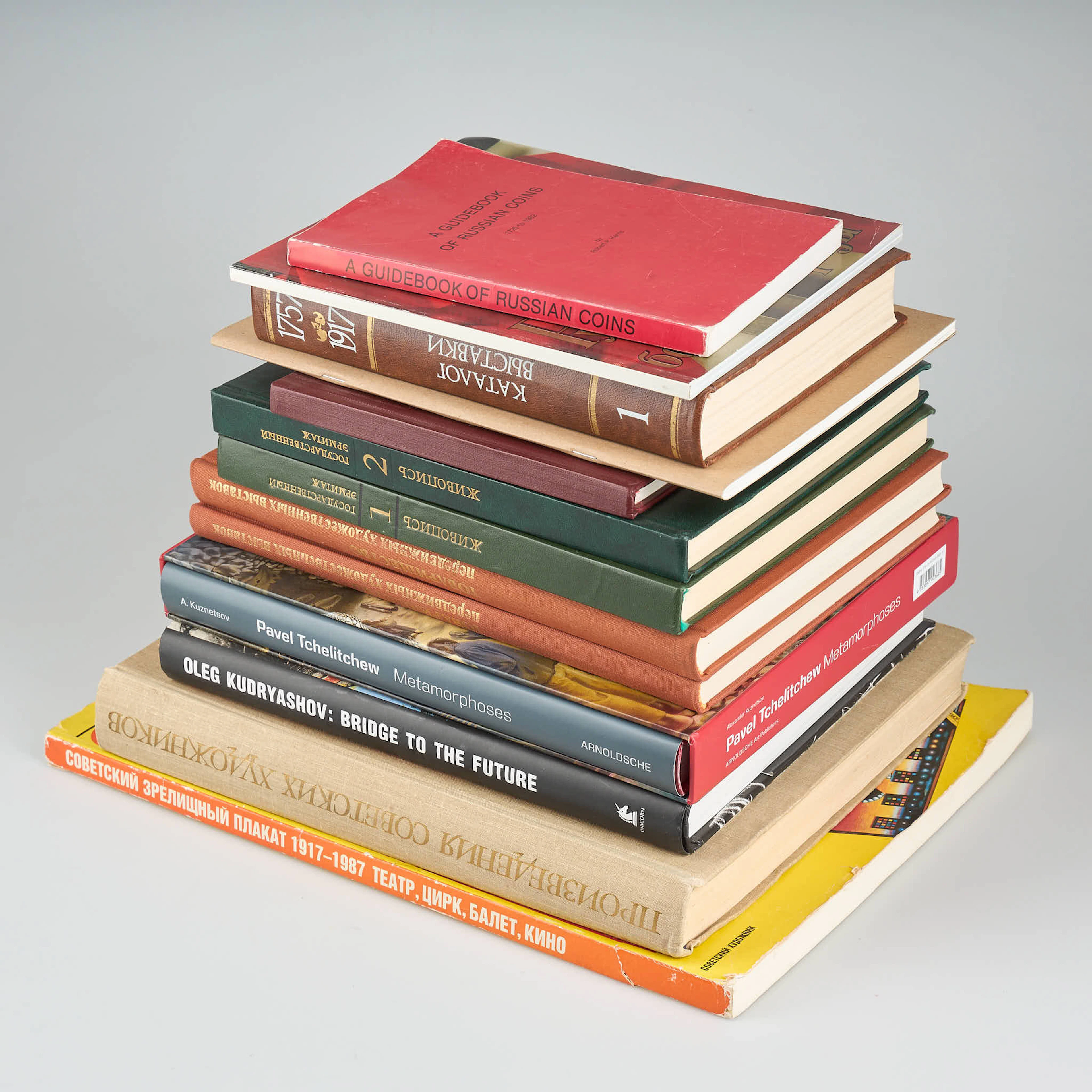
BÖCKER, 13 st, rysk/sovjetisk facklitteratur.
10/21/2026
€30
Est.: €150
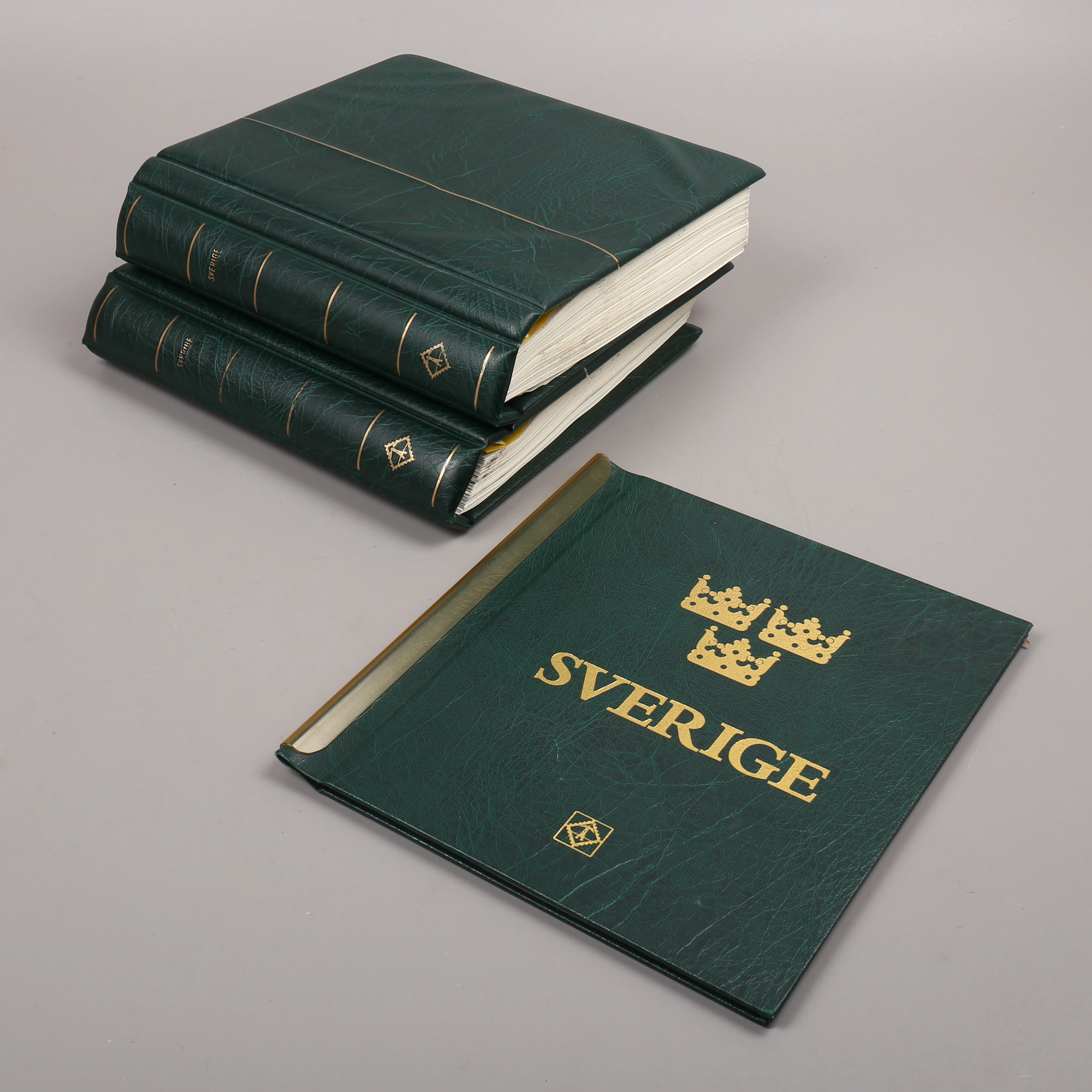
FRIMÄRKSSAMLING, 3 st album, Sverige, 1976-2010.
10/21/2026
€91.29
Est.: €89.88
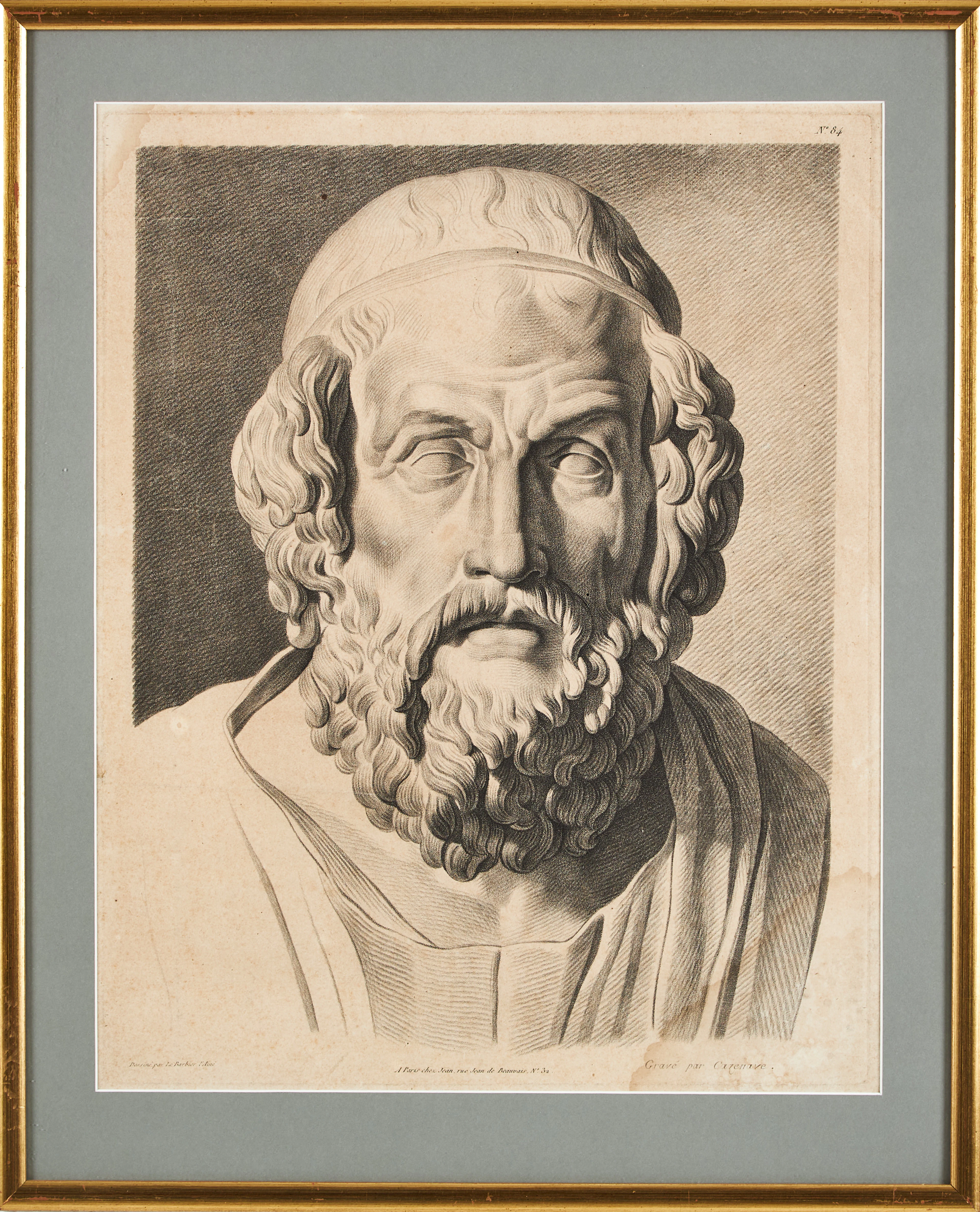
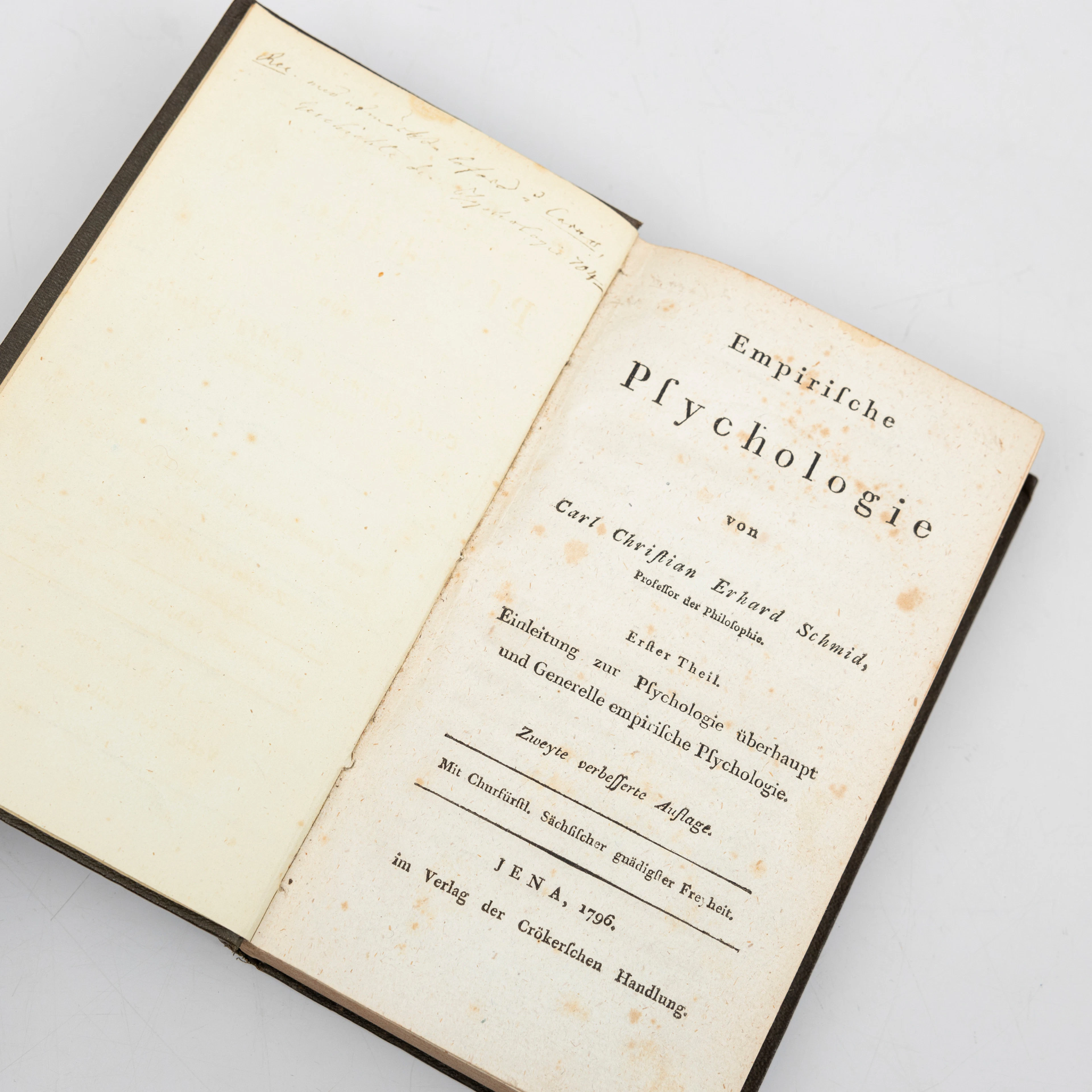
CARL CHRISTIAN ERHARD SCHMID. "Empirische Psychologie“, Erfter Theil
10/21/2026
€44.97
Est.: €134.37


OCT 27 | 4:00 PM
¡Lleva tu subasta a coleccionistas de todo el mundo!
Publica ahoraAl suscribirte, aceptas la política de privacidad. Cancela tu suscripción en cualquier momento.
Barnebys HQ
Brahegatan 10
BOX 5038
114 37 Stockholm
