

DEC 7 | 4:00 PM

Al suscribirte, aceptas la política de privacidad. Cancela tu suscripción en cualquier momento.
Barnebys HQ
Brahegatan 10
BOX 5038
114 37 Stockholm
Todas las subastas / Libros, mapas, papel & manuscritos / MALLARMÉ (Stéphane). - Lot 26
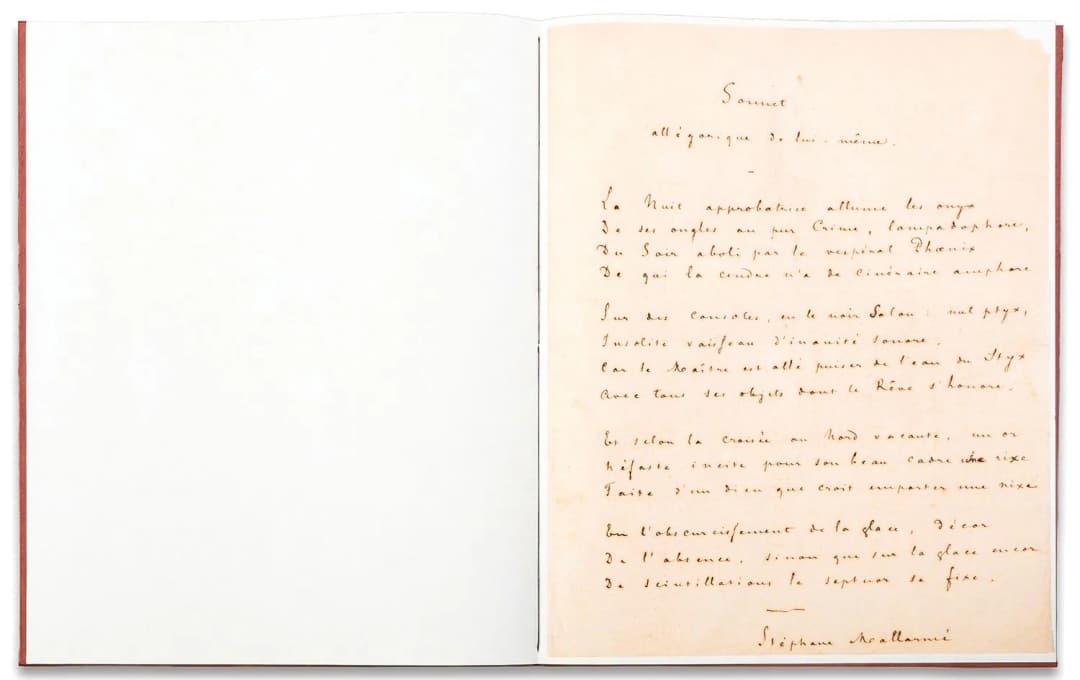
MALLARMÉ (Stéphane). Allegorical sonnet about himself. S.l.n.d. [1868]. One autograph page in-4 mounted in a softcover binding in cocobolo wood paving, fawn calf spine, nubuck lining and endpapers (J. de Gonet 2010). The only known autograph manuscript of the original version of this poem by Stéphane Mallarmé (1842-1898). The sonnet was composed in 1868 at the request of Cazalis, for inclusion in Lemerre's Sonnets et eaux-fortes (1869). Rejected from the project, it was finally published for the first time in 1887, in a reworked version, in the protolithographed edition of the author's Poésies. A poetic tour de force in the Symbolist vein. I extracted this sonnet, which I had once considered, from a projected study on speech: it is inverse, I mean that the meaning, if it has one [...], is evoked by an internal mirage of the words themselves. If you let yourself whisper it several times, you get a rather cabalistic sensation. [...] it seems to me to lend itself to an etching full of dreams and emptiness (Mallarmé). Studies of this 14-line poem, based on the combination of -ix and -ore rhymes, have shown that the poet engaged in a rather complex stylistic exercise (see René Fromilhague, "Nouvelle exégèse d'un sonnet de Mallarmé" in Littératures, II, 1953, pp. 217-236). The effect of this sonnet is based on the very sound of the words, and mainly on the rhymes chosen from among the most difficult: to the difficulty of these rhymes, the poet adds that of using those of the quatrains in the tercets, by inverting their gender; masculine rhymes become feminine, and vice versa; "yx" and "ore" rhymes become "ixe" and "or" (Henri Mondor and G. Jean-Aubry in OEuvres complètes de Mallarmé, ed. Pléiade, 1951, pp. 1488-1491). 36 Admirable supple binding by Jean de Gonet, in exotic wood pavement whose ribs are the only decoration, and whose polish exalts all its character and preciousness. The boards are each composed of a regular paving of 67 (7 x 9) fine square pieces of cocobolo, a wood recognized by its irregular, dark veins and reddish-brown color. With the exception of a binding on an autograph letter from Proust to Montesquiou, produced in 1998 - Jean de Gonet's first pavage binding - bindings featuring this device, which increases the flexibility of the boards and leaves the artist free to choose the materials (wood, roussette, painted medium, etc.), all date from after 2000 (cf. Antoine Coron (ed.), Jean de Gonet relieur, cat. BnF, 2013, no. 101 and p. 268). The manuscript comes from the library of Jean Lahor, pseudonym of physician and poet Henri Cazalis (1840-1909), a friend of Mallarmé. Mallarmé (cat. sale 1935, no. 38). Slight paper loss at upper corner. The acidity of the ink has very slightly pierced the paper in the tenth verse. Provenance: Librairie Stéphane Clavreuil
Estimación:€20,000.00
To the auctionVer todos los artículos deGiquellooLibros, mapas, papel & manuscritos

GENERALSTABEN MAPP, "Carlos XII en el campo de batalla", mapa, 1919
09/02/2026
€186
Detalles
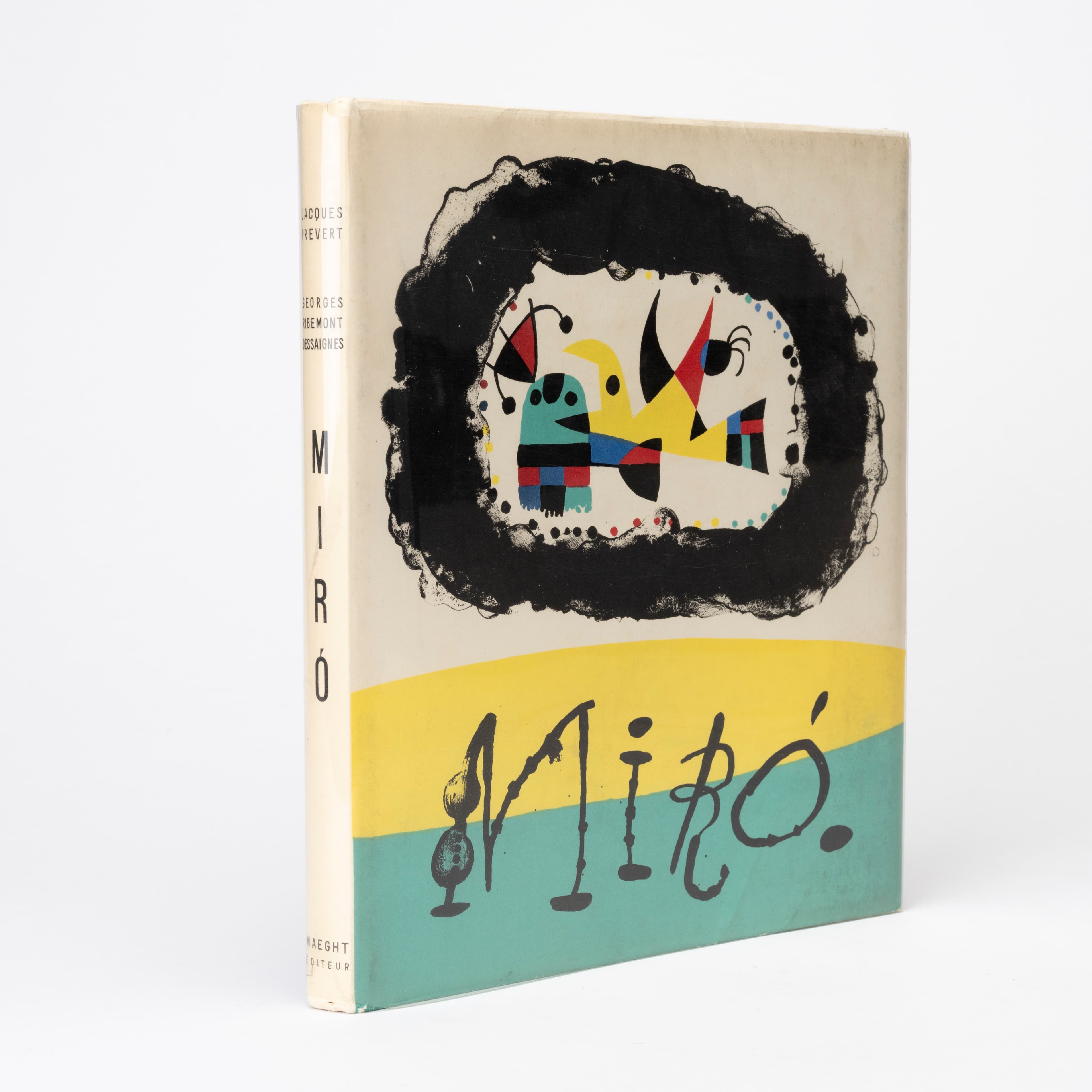
JOAN MIRÓ. Bok med 10 Litografier, Jaques Prévert & Georges Ribemont
06/04/2026
€343
Est.: €369
Detalles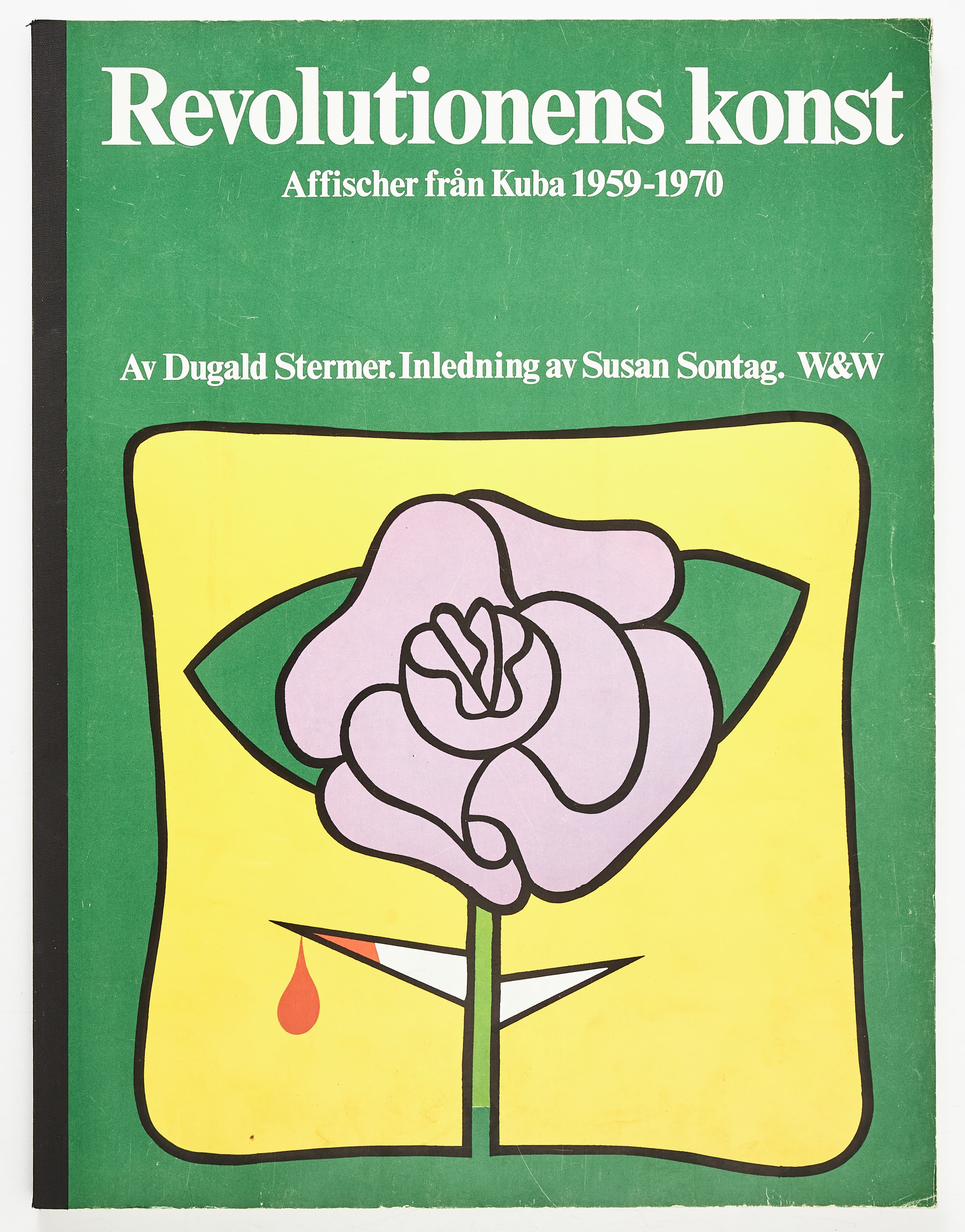
DEC 7 | 4:00 PM

JUN 2 | 4:00 PM

JUN 17 | 8:30 AM

Test lot 1 - Anglo-Saxon England, Continental Phase (695-740), Series
08/15/2026
€116
Detalles
BOK MED PLANSCHER, "Revolutionens Konst", Affischer från Kuba 1959-1970
06/04/2026
€34
Est.: €92
Detalles

MAURICE ESTÈVE. Hommage a Estève, Numero Special de XXe siècle, Paris, 1975.
06/04/2026
€38
Est.: €93
Detalles