



OCT 8 | 3:00 PM

¡Lleva tu subasta a coleccionistas de todo el mundo!
Publica ahoraAl suscribirte, aceptas la política de privacidad. Cancela tu suscripción en cualquier momento.
Barnebys HQ
Brahegatan 10
BOX 5038
114 37 Stockholm
Todas las subastas / Etnográfica / Lwalwa Mfondo/Mvondo Mask - former Zaire - DR Congo (No reserve price)

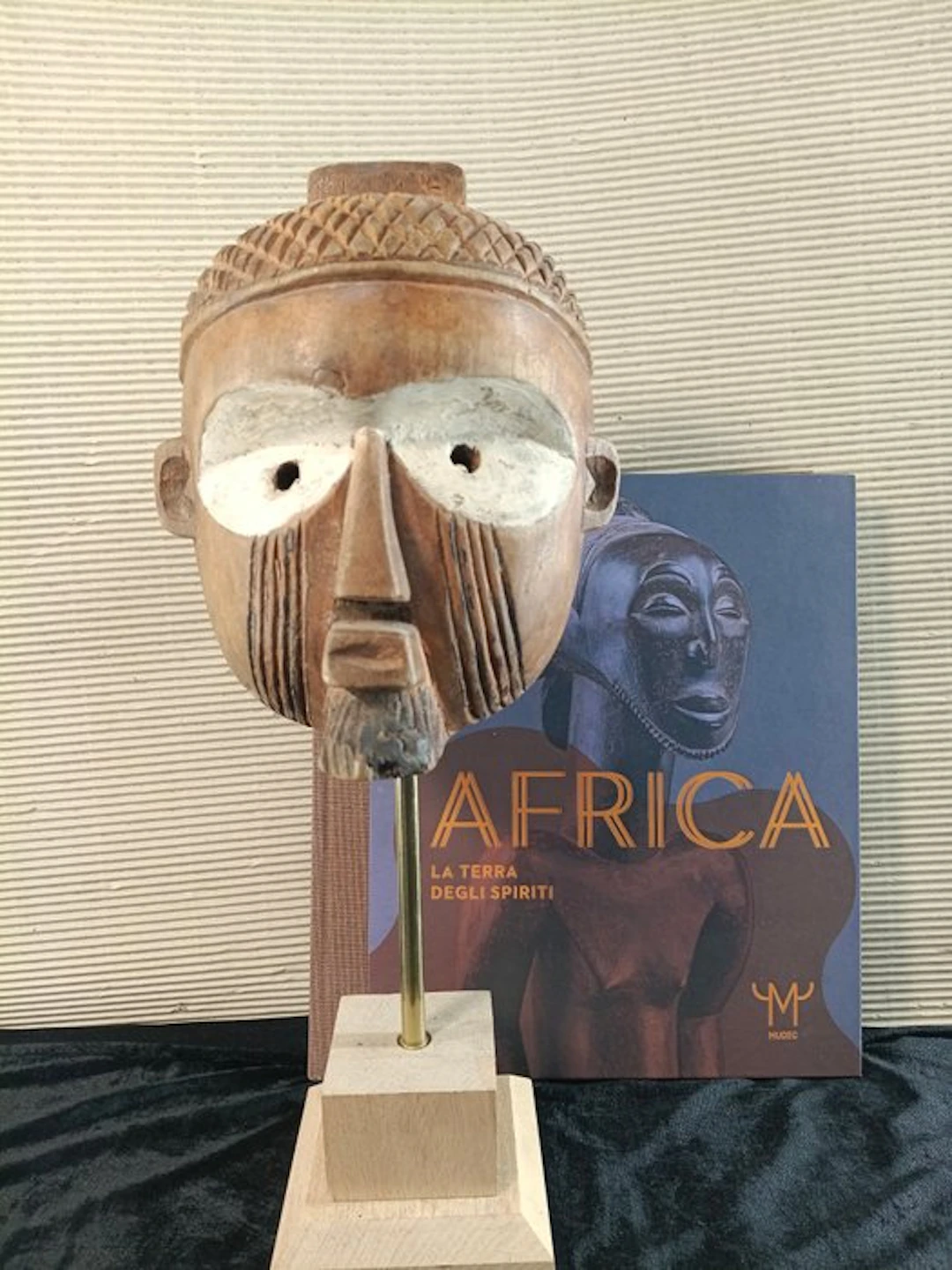
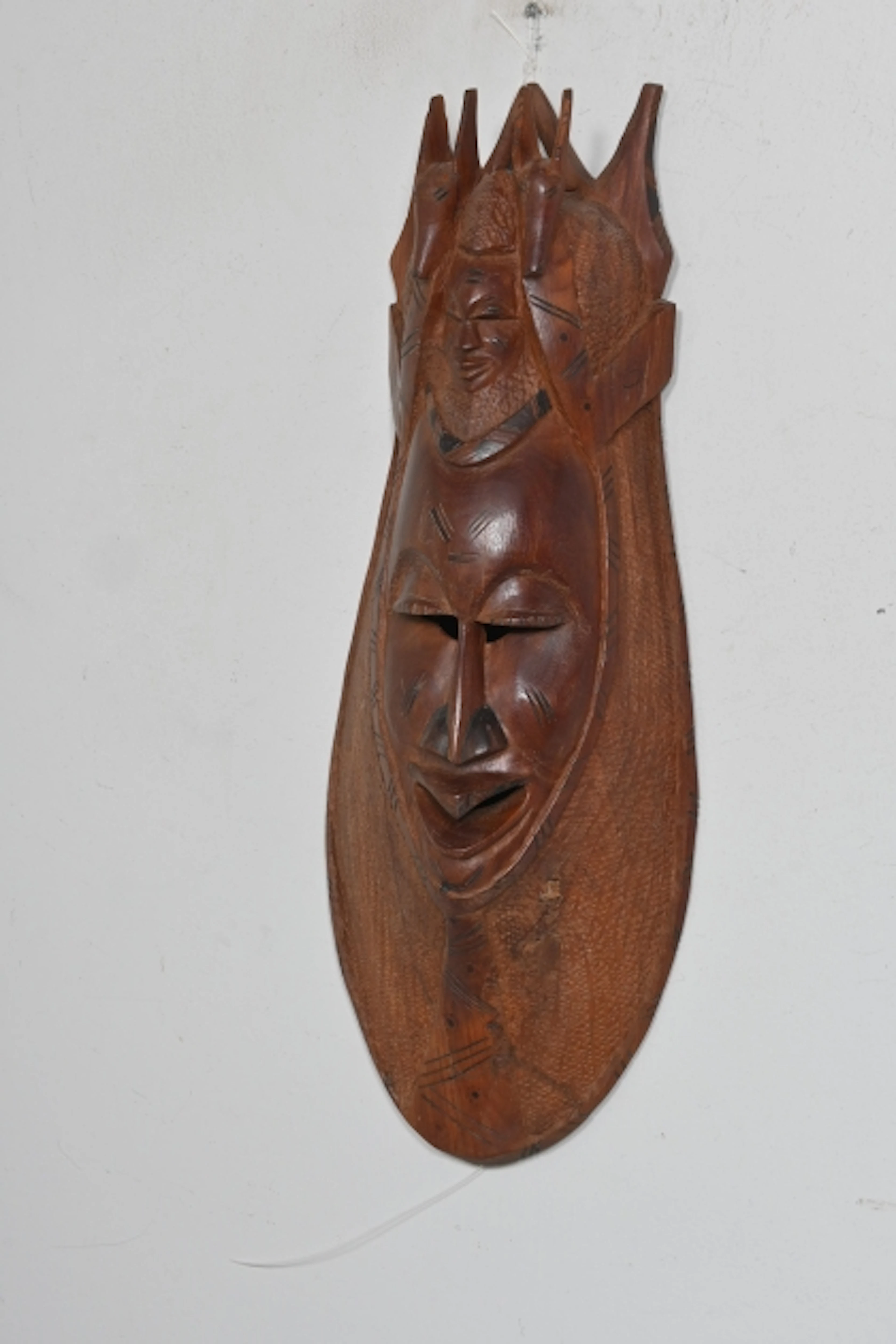
Mask Lwalwa of Mfondo/Mvondo type Democratic Republic of the Congo (formerly Zaire), second half of the 20th century Carved wood, white pigment based on kaolin Height: 22.5 cm Width: 18 cm Depth: 9.8 cm Weight: about 500 g Interesting wooden mask attributed to the Lwalwa tradition, a people of the Kasai region in the Democratic Republic of the Congo, recognizable for the marked geometric stylization of the volumes and for the highly expressive construction of the face. The piece almost certainly belongs to the male Mfondo/Mvondo type, one of the most characteristic forms of Lwalwa plastic production. The typological classification is proposed on the basis of overall morphology, while maintaining a prudent reserve regarding the distinction with the Nkaki type, which in some specimens can be difficult to establish. The face is built around a prominent vertical and strongly projecting nose, an element that dominates the entire composition and gives the mask its distinctive character. The eyes are represented by circular openings cut within broad surfaces highlighted by white pigment, creating a strong contrast with the natural color of the wood. The mouth, also strongly pronounced, emerges from the plane of the face with a compact geometric structure. Particularly interesting is the decoration of the upper part of the head. The mask features a calotte-style coiffure, carefully carved with a dense network of diagonal incisions forming a characteristic lattice pattern. The surface is bounded below by a raised band that clearly separates the hairstyle from the upper volume of the face. This treatment is one of the most distinctive elements of the piece. The cheeks are characterized by a series of deep vertical incisions, which further emphasize the geometrization of the features. The lateral areas and the lower part of the face also show a deliberately essential and rigorous workmanship, where form is privileged over naturalism. The surface preserves a pleasant brown-umber patina, with color differences and areas of greater darkening in the incisions and in the most exposed parts. The white pigment of the eyes remains clearly legible, though with abrasions and losses due to age and handling. Male Lwalwa masks are traditionally associated with ceremonies, ritual dances and initiation practices, within which the strong stylization of the face assumed a symbolic and identitary function. Their aesthetics do not seek naturalistic representation of the individual, but the transformation of the human face into a highly codified form, dominated by essential proportions, contrasts and volumes. The piece also shows material characteristics compatible with a long time passage. On the back and along the edges there are cracks from wood drying, abrasions, small signs of wear and superficial pigment losses. These elements must be considered within the normal conservation history of a sculpture of this kind. No obvious modern invasive restorations. The mask measures 22.5 cm in height, a size that allows full appreciation of its three-dimensional construction without being overly bulky for a private collection. The weight of about 500 grams confirms the substantial carving of the wooden block. This is a particularly interesting object for collectors of African art, ethnography and traditional sculpture of central Africa, thanks to the recognizability of the Lwalwa tradition and the presence of numerous characteristic elements: the large vertical nose, eyes emphasized by kaolin, the prominent mouth, facial incisions and above all the refined lattice geometric coiffure. Attribution: Lwalwa tradition, Mfondo/Mvondo type, Democratic Republic of the Congo. Era: 20th century, probably mid/late 20th century. Private provenance De Vita M. from a European collection, acquired in the 1970s/’75 and now released by heirs. An exceptionally sculptural piece with strong visual presence, capable of immediately representing one of the most recognizable plastic languages of traditional Central African art. The photos are part of the description. The data reported have also been checked by specialized A.I. for greater precision and completeness. Shipped quickly, very well packed with polystyrene and/or pluriball, and sent with tracking and insurance through top shipping agencies. The shipping cost includes tracking, packing materials, and insurance for the work. Due to customs duties issues and procedures, we do not ship to the USA. Corsica and other non-Italian European islands to be agreed. It is the customer’s responsibility to pay import taxes and any customs charges in the destination country.
Estimación:€150
Ir a la subastaVer todos los artículos deCatawikioEtnográfica
Estimación:
€150
OCT 8 | 3:00 PM
¡Lleva tu subasta a coleccionistas de todo el mundo!
Publica ahora€8.84
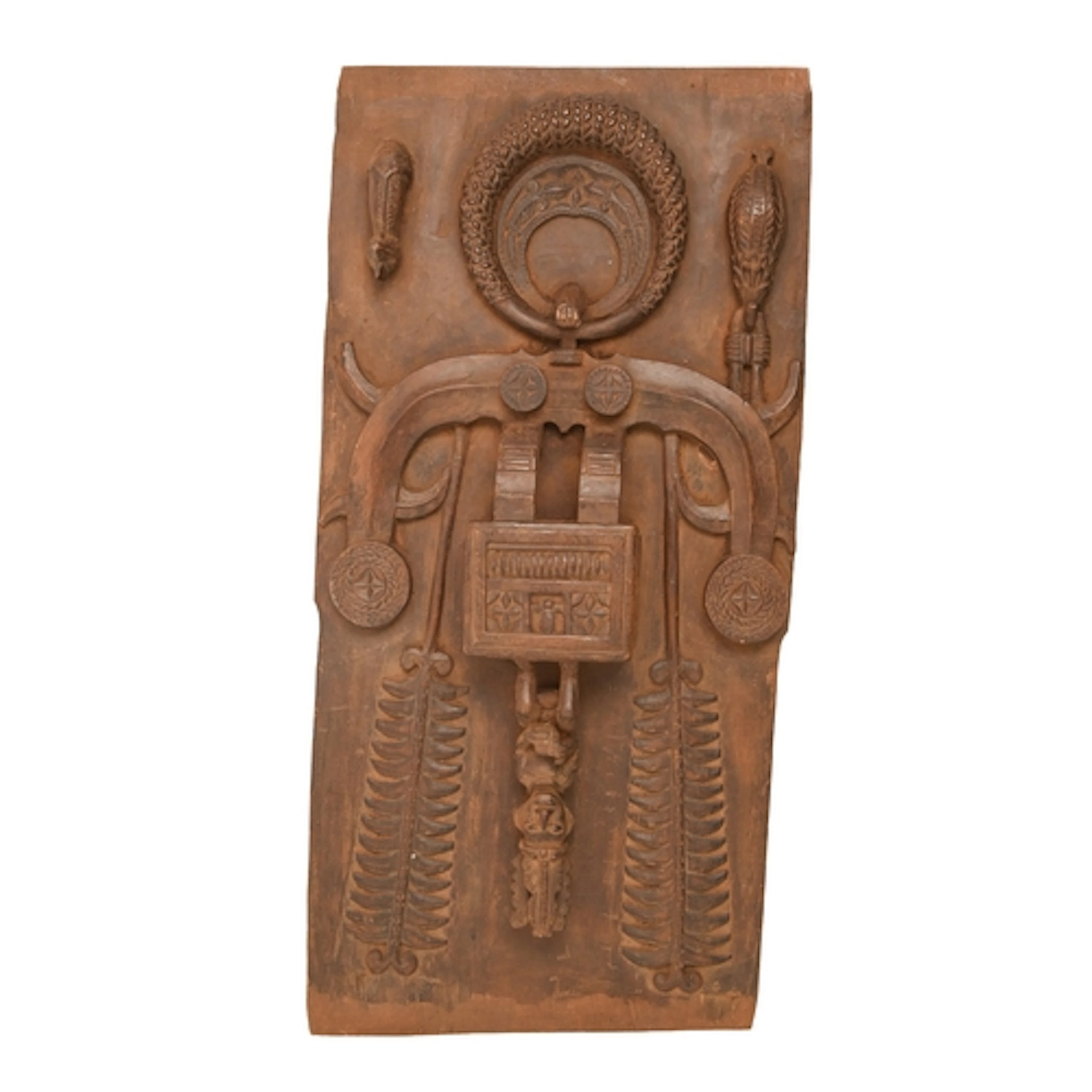
An Indonesian carved wooden ancestor sculpture, Adu Zatua, O...
10/06/2026

€165.16
Est.: €233.23
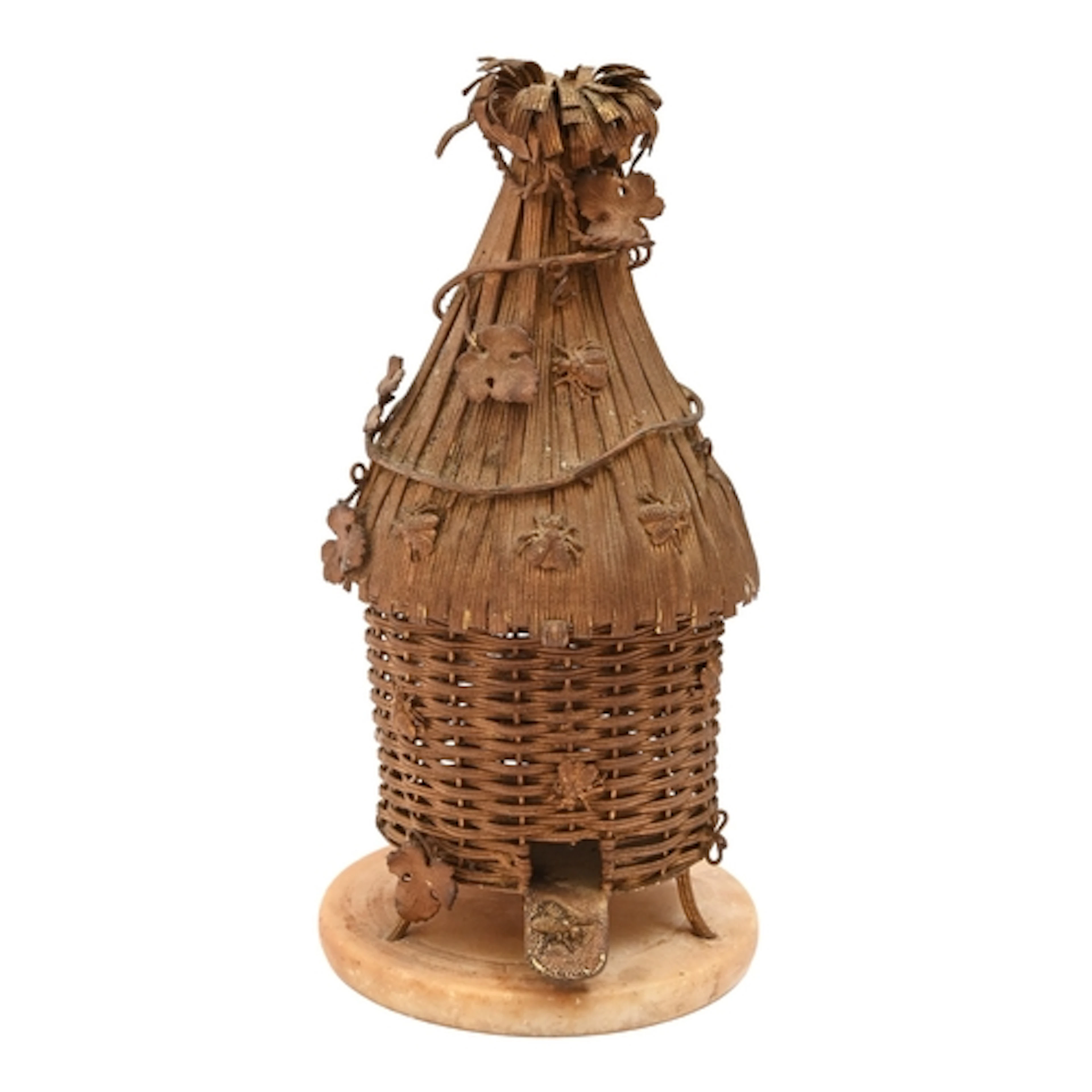
A French gilt wirework box in the form of a bee skep, second...
10/06/2026
€141.57
Est.: €174.92
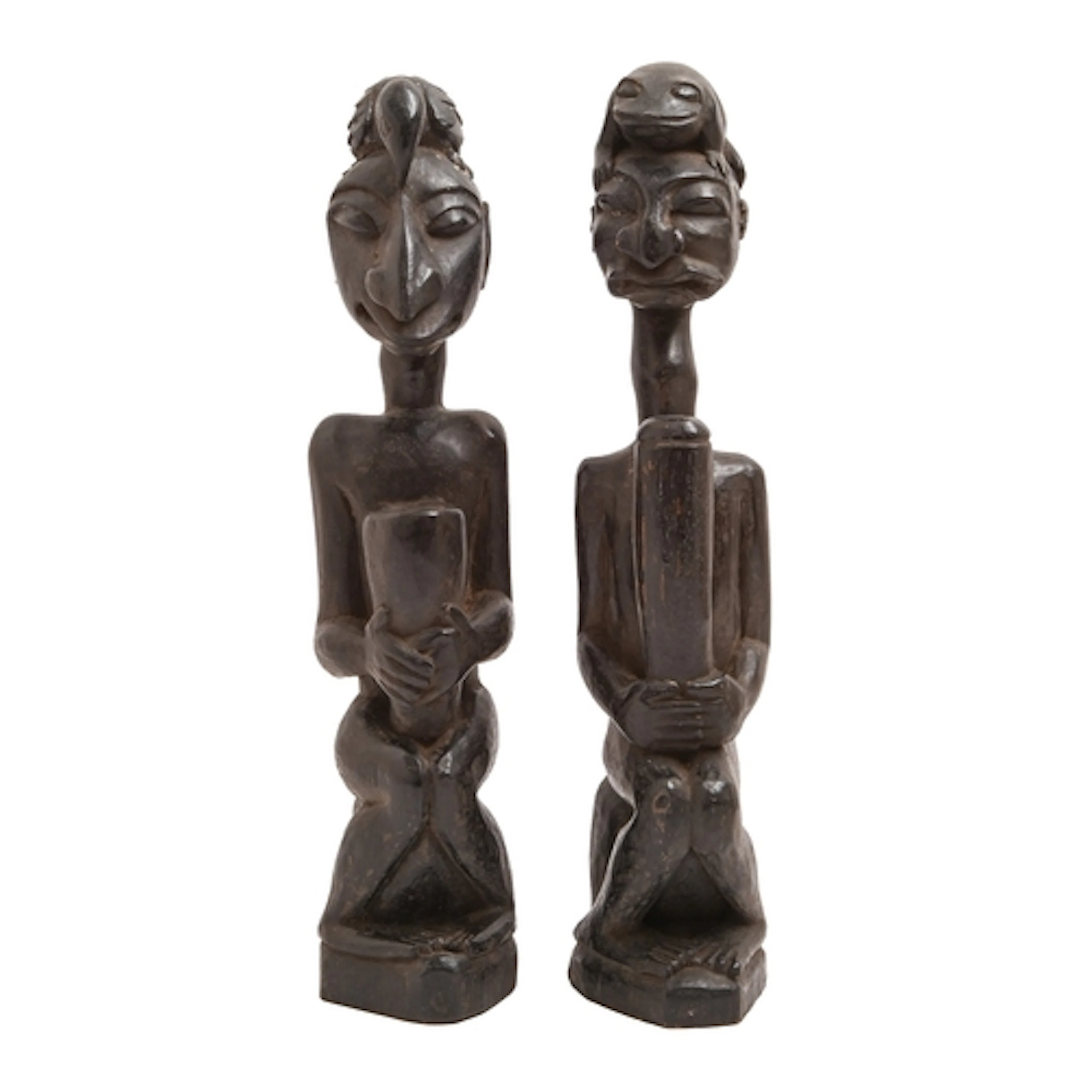
Tribal Art. Two carved blackwood figures, East Africa, 20th ...
10/06/2026
€82.58
Est.: €116.61