
JUN 17 | 8:30 AM

Al suscribirte, aceptas la política de privacidad. Cancela tu suscripción en cualquier momento.
Barnebys HQ
Brahegatan 10
BOX 5038
114 37 Stockholm
Todas las subastas / Joyería & gemas / Large Antique Gold Brooch with Shell Cameo, c. 1820
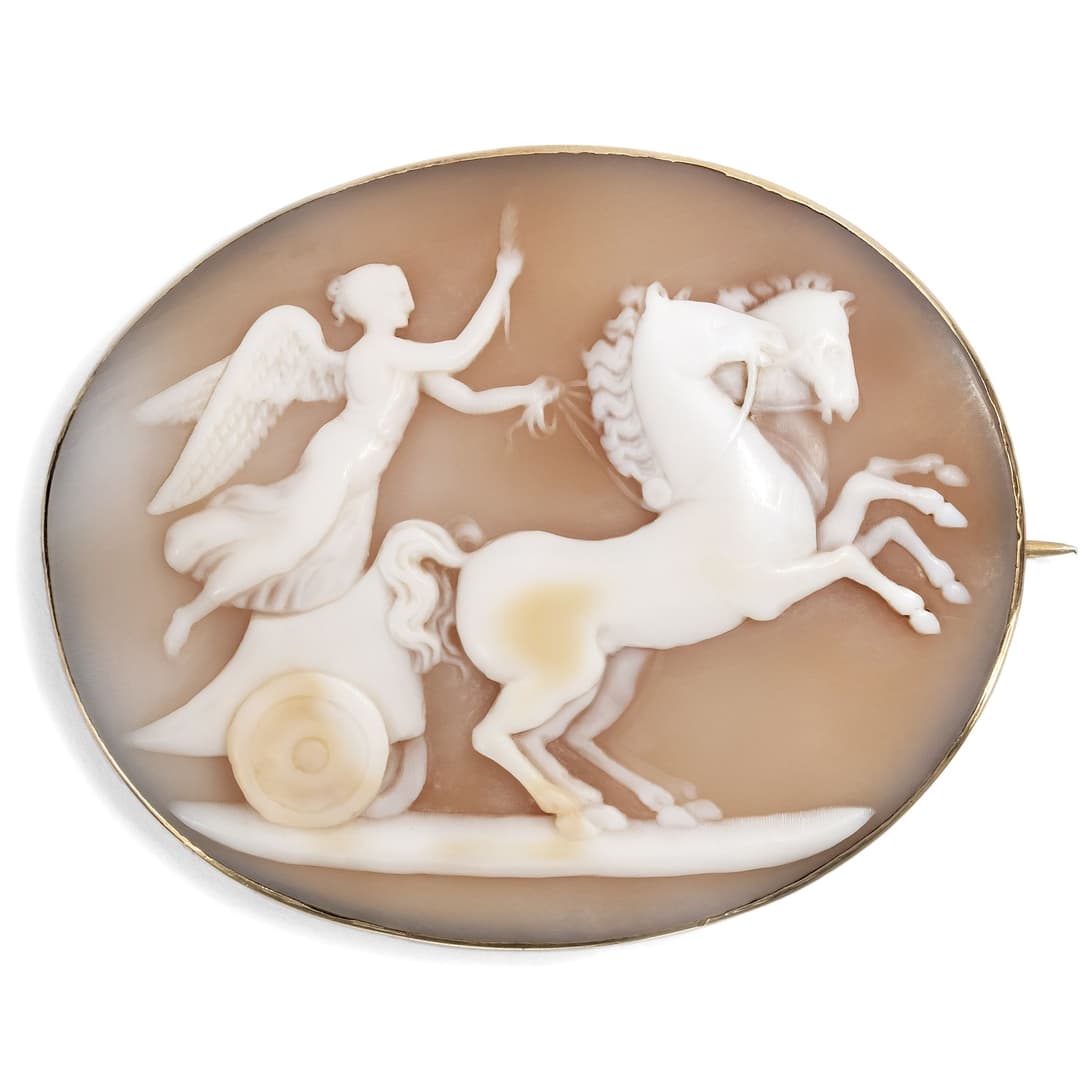
In the imagination of the ancient world, all the peculiarities of nature and all changes in the world had their causes in the realm of the gods. Their work caused the course of time and also gave rise to catastrophes such as volcanic eruptions or earthquakes. Although our own helplessness in the face of the often hostile forces of nature remained, it helped to give them a higher meaning and thus - at least to some extent - to make them comprehensible. The changing of the times of day was due to the work of the sun god and his sister, the dawn. Eos, as she was called by the Greeks, or Aurora, as the Romans called her, had her throne at the source of the world ocean. She emerged from the waters of Okeanos every morning with her chariot, hence her nickname Erigeneia, "the early awakening one". She preceded her brother Helios on his journey across the sky in her own chariot. Her horses were called Phaethon ("shimmer" or "the shining one") and Lampos ("brilliance" or "the bright one"). Homer describes Eos as a graceful, beautifully curled, rose-armed and rose-fingered deity in a saffron-colored dress. This ideal of beauty had a long-lasting effect: Numerous depictions in the arts show Dawn as a beautiful young woman - not least in the medium of the cameo. Examples of this have been handed down from antiquity; the Museum of Fine Arts in Boston has a very beautiful example in its collection, (Inv. No. 99.108). Here is a depiction in the medium of the shell cameo. The winged goddess of the morning is standing on her chariot and is drawn by two rising horses, a torch in her right hand distinguishes her as the bringer of light. The scene appears full of dynamism: the horses know their way and thus ensure the ever-reliable return of the morning. Cameos like this one are referred to in the trade as "shell cameos", but they are actually cut from the shell of a helmet snail, which has been imported to Italy since the mid-19th century, mainly from Florida and South America. The finely cut scene is set in gold; a brooch turns the small relief into a brooch. The setting is very minimalist, simple but very finely crafted. We therefore believe that the brooch was created in the first decades of the 19th century. We discovered it in London.
Estimación:€980.00
To the auctionVer todos los artículos deHofer AntikschmuckoJoyería & gemas
JUN 17 | 8:30 AM

JUN 13 | 3:00 PM

JUN 6 | 4:00 PM
09/03/2026
€51
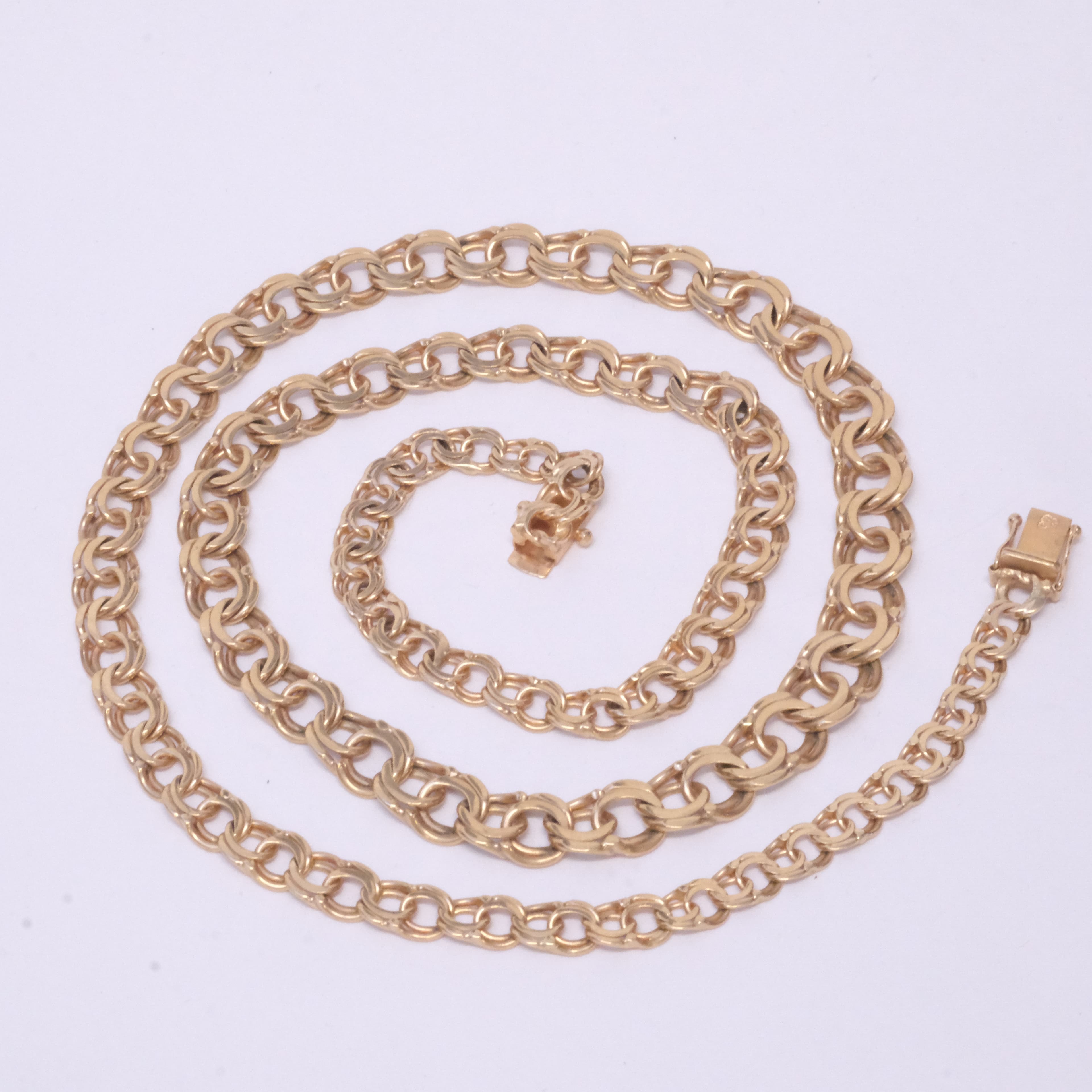
COLLIER, DOSERAD BISMARCKLÄNK, 18K GULD.
06/06/2026
€2,803
Est.: €2,224
Detalles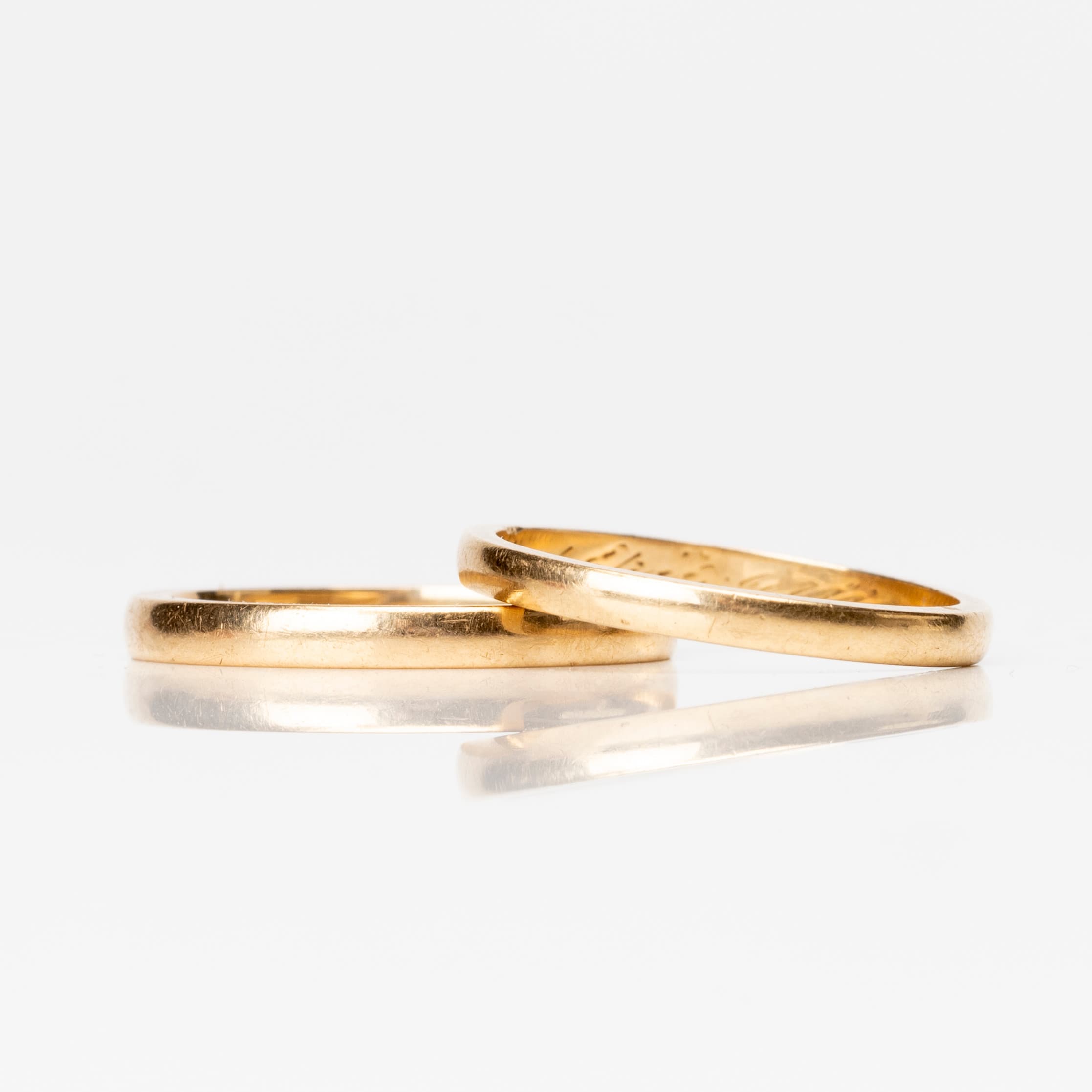
RINGAR, 2 st, 18K guld, bland annat Guldvaruhuset Aktiebolag, Stockholm
06/06/2026
€422
Est.: €482
Detalles