
Todas las subastas / Arte, Pintura & obra gráfica / Joan Vila Arimany (1944) - Los pintores del parque

Joan Vila Arimany (1944) - Los pintores del parque
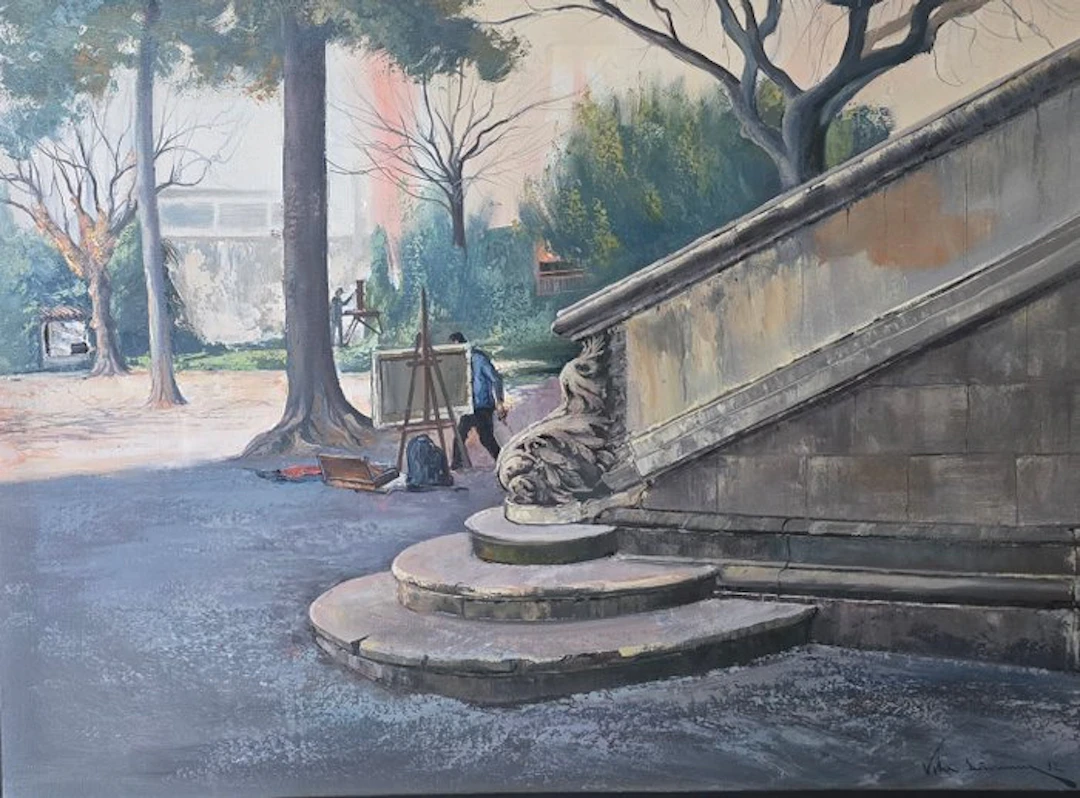
Pictura Subastas presents this magnificent work of art belonging to Vila Arimany, depicting two painters working outdoors in a quiet historic park, beside a monumental stone staircase guarded by lion sculptures. The painting stands out for its excellent technique and the high pictorial quality it conveys. · Dimensions with frame: 95x114x5 cm. · Dimensions without frame: 73x92 cm. · Oil on canvas hand-signed by the artist in the bottom right, Vila Arimany. · The piece is in good condition. · The work is sold with a precious frame (included in the auction as a gift). The work comes from an exclusive private collection in Girona. Important note: the photographs included are an integral part of the lot description. Digital representation in a mockup is indicative; there may be differences compared to the actual article in color, scale, and details. The painting will be professionally packed by an IVEX expert (https://www.instagram.com/ivex.online/), using high-quality materials to guarantee its protection. The shipping price covers both the cost of professional packaging and the transport itself. Shipping will be carried out by Correos, GLS or NACEX with tracking. International shipping available. This painting presents a tranquil corner of a historic park where a monumental stone staircase, guarded by lion sculptures, coexists with the discreet presence of several painters working outdoors. The composition opens onto a wide esplanade surrounded by trees, gardens, and buildings partially hidden by vegetation. In the center, a figure stands beside an easel and contemplates the space before them, while another artist appears further away, seated in front of their own work. The scene conveys quiet, concentration, and a deep harmony between art, architecture, and nature. The staircase dominates the entire right side and constitutes the most imposing architectural element. Its structure rises along a strong diagonal from the bottom area to the upper-right corner, guiding the eye toward a space that lies outside the composition. This direction adds dynamism and contrasts with the horizontal stretch of the esplanade. The steps appear constructed with grays, browns, purples, and white reflections. The various bands of light and shadow reveal depth and the wear of the stone. Each step seems to retain traces of elapsed time, reinforcing the historical character of the place. Beside the stairs rises a wide balustrade or inclined wall. Its surface is dominated by grays, greens, ochers, and browns, interrupted by lighter areas suggesting irregular light incidence. The slope of this element prolongs the visual ascent of the staircase. The upper edge of the wall is marked by a clear line that stands out against the vegetation and the sky. This luminous band defines the architecture with precision and prevents it from blending with the dark branches behind. The combination of aged stone and soft light gives the structure a solemn presence. At the base of the staircase appear two lion sculptures placed on semicircular platforms. The nearest figure occupies a central position and seems to rest with its body tucked in, while keeping its head raised. Its volume introduces a strong sculptural accent within the landscape. The foreground lion presents a surface of grays, browns, whites, and greenish tones. The illuminated areas highlight the head, back, and legs, while deep shadows mark the mane’s folds and the base of the figure. Its presence conveys vigilance, nobility, and permanence. The animal’s posture appears calm yet alert. It is not depicted in an aggressive stance, but as a silent guardian of the monumental access. Its gaze is directed toward the esplanade, establishing a symbolic relationship with the painters and the open space of the park. Behind it, a second sculpture is partially hidden by the first and by the staircase. This repetition confirms the ceremonial, symmetrical nature of the access, though the lateral viewpoint prevents viewing both figures with equal clarity. The superposition adds depth and enriches the whole. The platforms on which the lions rest are formed by several curved levels. Their rounded edges contrast with the straight lines of the steps and the wall. The succession of semicircles softens the monumentality of the architecture and guides the eye toward the center of the scene. The stone of these bases shows color changes suggesting age, moisture, and wear. Bluish grays blend with ochers, whites, and purples, creating an appearance linked to the cool, shaded park environment. Light highlights some edges and leaves others in shadow. In the center of the composition appears a painter next to an easel. The figure is oriented away from the viewer or slightly in profile, focused on what they observe before them. They wear a blue garment and dark pants, colors that integrate them into the surroundings’ shadows. The easel rises with a structure of browns and reddish tones. In front of it appears a clear rectangular surface, turned into a bright point within the central area. Its orientation suggests the artist is interpreting elements of the park. The figure seems to be in a moment of observation or pause. The body leans slightly and one arm hangs beside the torso. This calm attitude conveys the concentration needed to study light, perspective, and the relationships between architecture and nature. At the easel’s feet are several objects related to the day’s work. A blue-dark backpack or bag stands upright, an open box, and a small reddish item spread on the ground. These objects add naturalness and show the preparation required to stay for hours in the place. The open box presents browns, grays, and whites. Its arrangement suggests it contains materials or personal items of the artist. The backpack, propped vertically, introduces a rounded form that contrasts with the easel’s straight lines and the rectangular surface. The small red blotch on the ground draws attention for its intensity. Its warm color breaks the predominance of grays, greens, and blues and adds a discreet life accent. This detail helps balance the pinkish tones visible in the background. Further away, a second painter appears, seated in front of another easel. Their figure is near the center-left, partially surrounded by trees and shrubs. Because of the distance, they shrink to a small dark silhouette, but their posture clearly reveals the activity they are undertaking. The presence of two artists transforms the park into a space devoted to observation and creation. Each works from a different point and seems to interpret a different motif. This duplication adds narrative depth and allows imagining a shared, quiet day. The second easel rises with thin, dark forms. The artist appears seated on a small stool or support, facing the vegetation or the background architecture. Their concentration reflects the same introspective attitude as the foreground figure. The esplanade occupies much of the left side and the lower area. Its surface is dominated by bluish grays, purples, whites, and soft pink reflections. The light areas seem to receive filtered light between the trees, while the dark areas correspond to broad shadows. The ground does not appear completely uniform. Color variations suggest small irregularities, leaves, moisture, or wear from visitors. These variations add depth and make the esplanade a visually rich surface. The shadow cast by the staircase and the large trees covers a substantial part of the foreground. This cool gloom contrasts with the illuminated background and creates a gradual transition between proximity and distance. The viewer seems to be inside the shadow, looking toward the light. To the left rise several tall, sturdy tree trunks. Their vertical forms run almost to the top of the composition, creating a natural rhythm that balances the staircase’s diagonal. The trunks show grays, purples, browns, and small light reflections. One of the central trees has a broad base with visible roots extending over the ground. Its presence provides stability and antiquity to the landscape. The shadow gathered around the trunk reinforces its volume and makes it a key reference point. The tree crowns form a bluish-green mass at the upper left. The foliage appears dense but irregular, allowing some areas of sky and light to pass through the leaves. This vegetal vault contributes to a protected, silent atmosphere. In the center, a tree with bare or sparsely covered branches is distinguished. Its fine dark silhouette stands out against a pale pink area of the background. The delicacy of its branches contrasts with the robust trunks and dense vegetation surrounding it. The branches of the large tree in the upper right extend over the staircase. Their dark forms bifurcate in multiple directions, creating a natural frame over the architecture. The combination of curved and angular lines adds energy to the upper area. Behind the central tree appears a large mass of shrubs and vegetation. The dark, yellowish, and bluish greens mix to create a deep background. Some plants seem to grow freely, while others could be part of carefully tended gardens. Among the vegetation a small reddish wooden structure, resembling a railing, a balcony, or a pavilion, is discerned. Its geometric shape is partially hidden by the leaves and adds a mysterious detail. The warm color contrasts with the surrounding greens. On the left side of the background, a small building with a sloping roof appears. Its facade remains in shadow and its shapes blend with the trees. It could be a pavilion, a shed, or an auxiliary park element. The construction is discrete and does not compete with the staircase. Its presence, however, confirms the space is organized and inhabited. It also adds architectural variety and reinforces the impression of being in a historic garden or a large public precinct. Beyond the trees a bright and partially veiled building is glimpsed. Its horizontal and vertical lines appear blurred by distance and light. This building expands the space and suggests the park continues toward an urban or monumental area. The background’s clarity is formed by whites, creams, grays, and delicate pinks. It seems to correspond to soft light passing through a slightly misty atmosphere. This luminosity envelops the structures and imparts a poetic sense of distance. A wide pinkish band climbs behind the central trees. Its presence may suggest a lit façade, a cloud, or an atmospheric reflection. This warm color introduces delicacy and balances the cool tones of the shadow. The composition is organized through an appealing contrast between the monumental and the everyday. The staircase and the lions represent the permanence of stone, while the painters and their objects show quiet, temporal human activity. Thus the scene unites heritage and contemporary creation. There is also a dialogue between observer and observed. The artists contemplate the park to transform it into an image, while the viewer contemplates them within the very work. This interplay grants the scene a reflective dimension related to looking and the experience of representing the world. The absence of other visitors intensifies the sense of calm. The park seems reserved for a moment for the two painters and the sculptures guarding the staircase. The imagined silence allows focusing on the discreet sounds of leaves, birds, and the artistic process. The color palette is dominated by grays, greens, blues, and violets. The pinks, ochres, and browns provide warmth and prevent the atmosphere from feeling too cold. The balanced distribution of these colors creates a serene, elegant, and coherent scene. Lighting establishes two large realms. The foreground and the staircase remain in shadow, while the esplanade and the background buildings receive soft, diffused light. This opposition guides the eye inward toward the park and highlights the human figures. Overall, the painting conveys the sense of a fresh morning or a quiet afternoon, when light is not intense and shadows stretch widely. The artists seem to have chosen this moment for its calm and for the rich range of nuances the surroundings offer. The scene can be interpreted as a celebration of contemplation. The painters do not merely record a landscape, but seem to dialogue with history, sculptures, and nature. Their presence turns the park into a place where the past inspires new ways of looking. The lion sculptures add symbolic value. Traditionally associated with strength, vigilance, and nobility, they guard the access while the artists work. Their immobility contrasts with the paused activity of the human figures and with the continual growth of vegetation. The staircase, for its part, can be understood as a symbol of ascent and discovery. Although we do not see its destination, its diagonal invites us to imagine a building, a terrace, or a monument located above. The composition leaves this journey open and arouses curiosity. Overall, this precious painting offers an intimate and deeply evocative view of a historic park where two painters work in silence beside a monumental staircase guarded by lion sculptures. The tall trees, filtered light, easels, backpacks, and ancient stone structures build a scene full of serenity and narrative richness. The harmony between architecture, nature, and artistic creation turns the place into a contemplative refuge, where the passage of time seems to stand still to allow beauty to be observed and preserved.
Estimación:€1,400
Ir a la subastaVer todos los artículos deCatawikioArte, Pintura & obra gráfica
Estimación:
€1,400
Artículos similares

Resultados de subastas para artículos similares
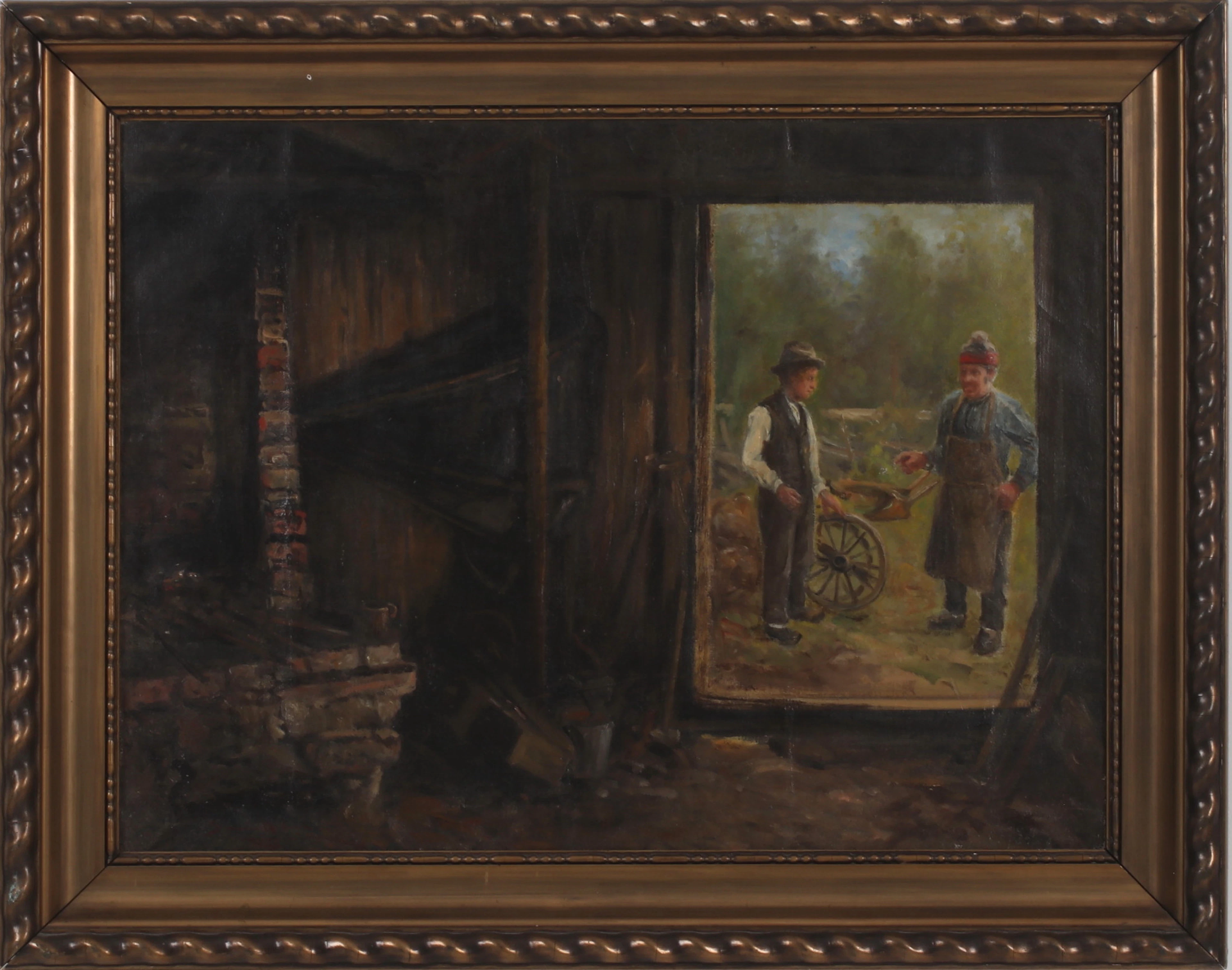
SEVERIN NILSSON. "Samtal vid smedjan", olja på duk, signerad.
10/09/2026
€267.77
Est.: €447.24
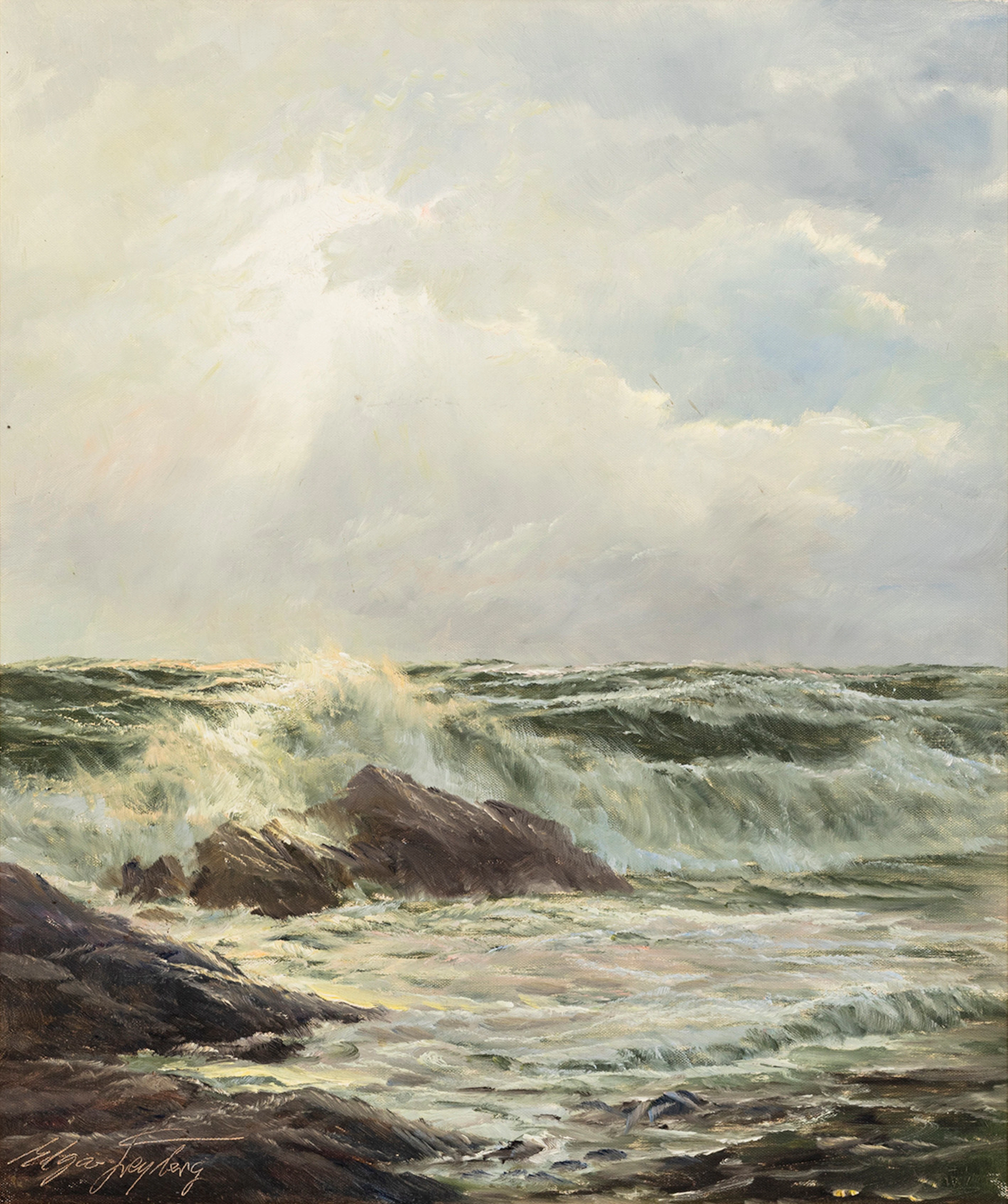
EDGAR FREYBERG. Stormigt hav, olja på duk, signerad.
10/09/2026
€134.86
Est.: €178.89
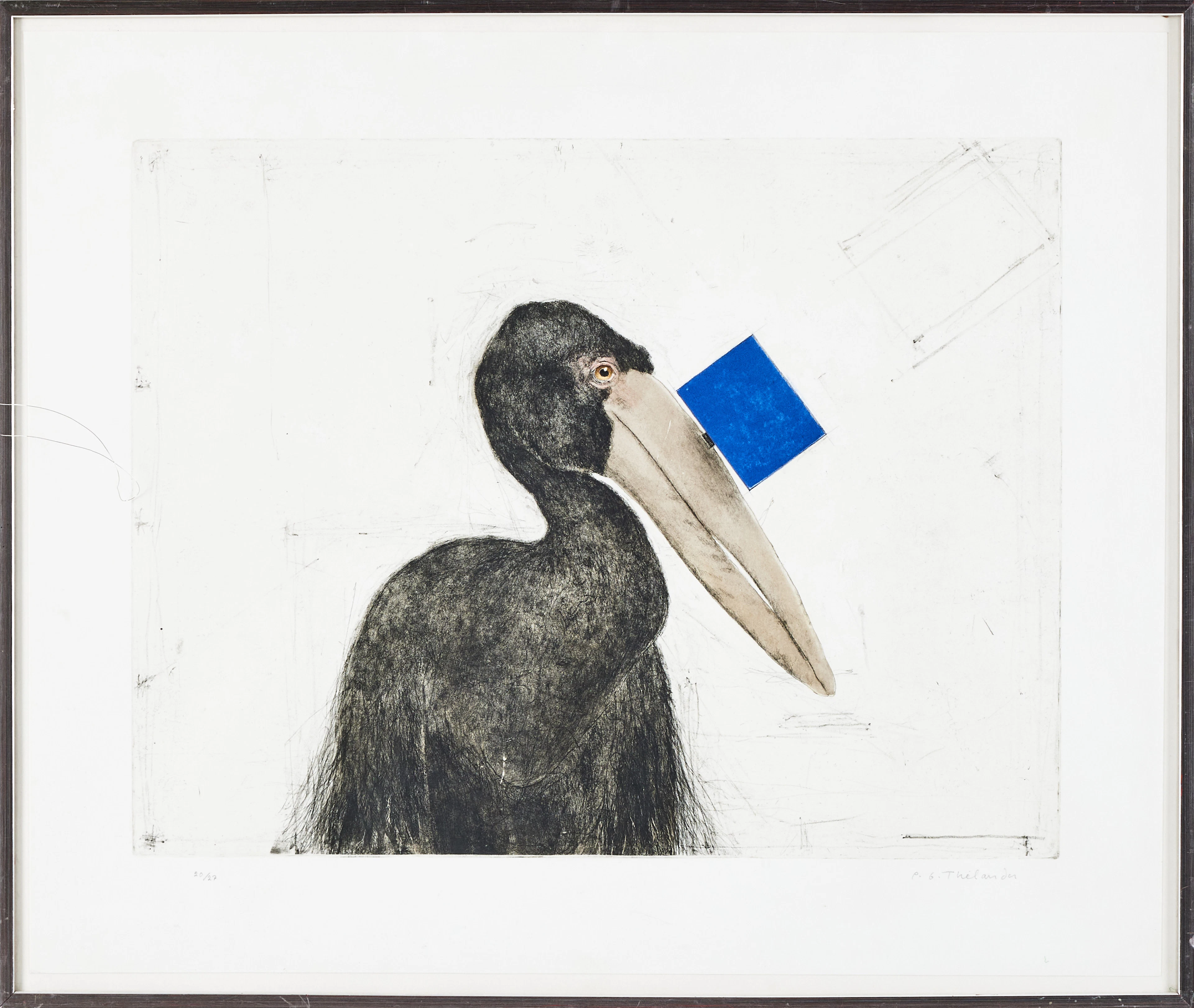
PÄR GUNNAR THELANDER. Komposition med pelikan, etsning med kolorering
10/09/2026
€316.41
Est.: €178.89
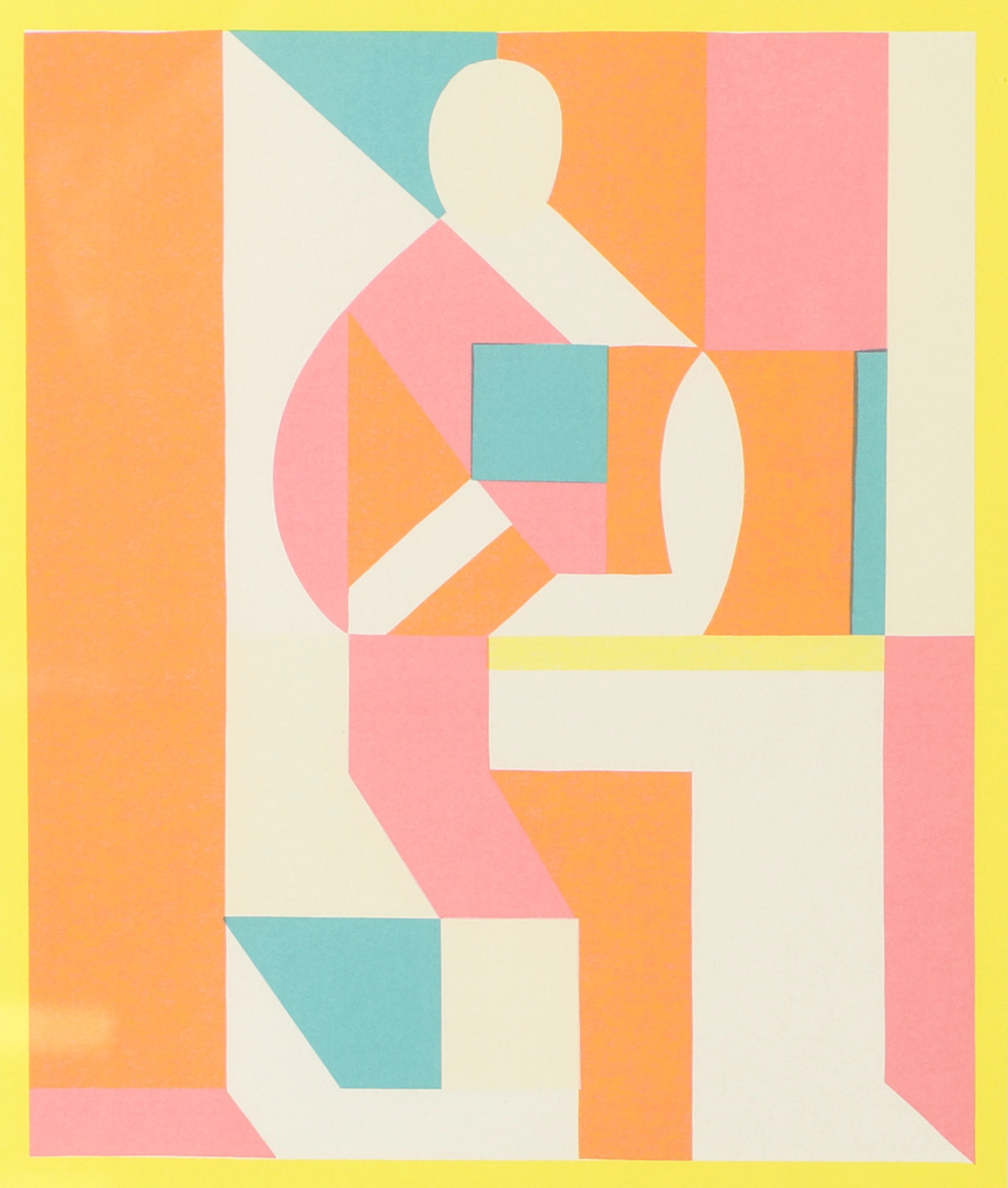
OLLE NYMAN. Geometrisk komposition, färglitografi, signerad -78.
10/09/2026

€98.18
Est.: €53.66
¡Lleva tu subasta a coleccionistas de todo el mundo!
Publica ahora