

DEC 7 | 4:00 PM

Al suscribirte, aceptas la política de privacidad. Cancela tu suscripción en cualquier momento.
Barnebys HQ
Brahegatan 10
BOX 5038
114 37 Stockholm
Todas las subastas / Arte, Pintura & obra gráfica / Jean-Étienne LIOTARD (Geneva 1702-1789) - Lot 6
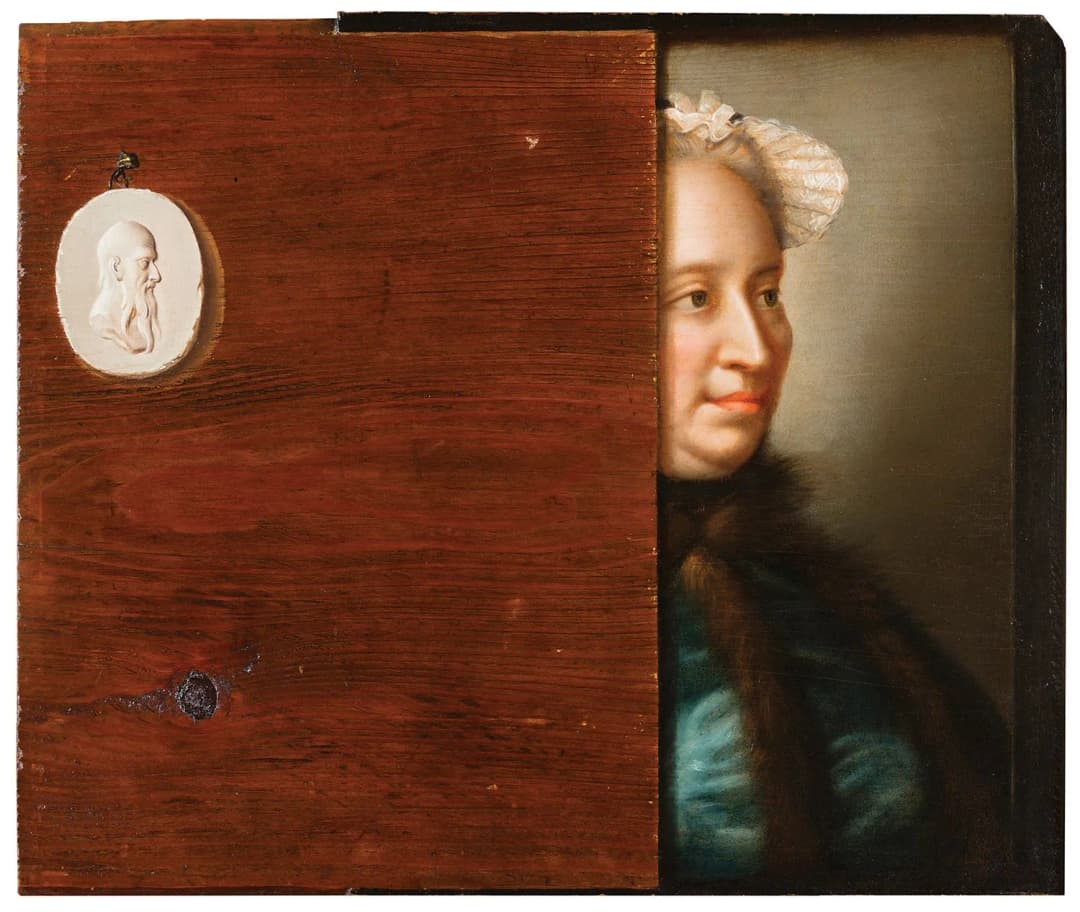
Jean-Étienne LIOTARD (Geneva 1702-1789) Mural of the portrait of Empress Maria Theresa of Austria Softwood panel, one board, not parqueted 36 x 43 cm Exhibitions : - Jean-Étienne Liotard, London, Royal Academy of Arts, 2015-2016, no. 77, reproduced - Le Trompe-l'œil de 1520 à nos jours, Paris, Musée Marmottan, 2024-2025, no. 39, reproduced Bibliography: - M. Roethlisberger, "Liotard mis à jour", in Zeitschrift fûr Schweizerische Archäologie und Kunstgeschichte (ZAK), vol. 71 (2 - 3), 2014, pp. 187 - 200, reproduced p. 192; - B. Stollberg - Rilinger, Maria Theresia. Die Kaiserin in ihrer Zeit, Münich, 2017, reproduced on cover; - M. Roethlisberger, Exhibition catalog The most beautiful pastel ever seen. The Chocolate Girl by Jean-Étienne Liotard, Dresden, 2018-2019, reproduced on p. 34, fig. 6. Pliny the Elder reports that Zeuxis, the Greek painter of the 4th century B.C., painted grapes so realistically that birds mistook them and tried to peck them. Through a series of techniques, such as playing with relief and perspective, the painter seeks to create an illusion, so that the viewer cannot tell the difference between reality and the painted work. The process has been used by some of the world's greatest artists, such as Giotto in Assisi and Raphael in the Vatican, who recreated fictitious foundations beneath his immense frescoes. Or in the 18th century, Gianbattista Tiepolo at Villa Valmarana ai Nani. In the 19th century, Louis Léopold Boilly was considered a master of the genre. Our trompe-l'œil takes the form of a portrait of Maria Theresa of Austria, partly concealed by a sliding cover on which hangs a plaster medallion. It offers a compromise between portraiture and still life. Marcel Roethlisberger cites some ten Trompe-l'œil painted by Liotard during his career, most of them exhibited between 1771 and 1773 in Paris and London. Only three are known to us today: - Trompe-l'œil aux empreintes de plâtre et dessins, belonging to the Frick Collection, New York (see M. Roethlisberger and R. Loche, Liotard, Doornspijk, 2008, no. 466, reproduced fig. 370) - Trompe-l'œil au raisin, in the Kunsthistorisches Museum, Vienna (see Opus cited above, no. 459, reproduced fig. 371). - Our panel, discovered a few years ago, is the third. The empress, in three-quarter view, is wearing a blue winter coat trimmed with furs and a lace bonnet. This is a partial repeat of the pastel portrait painted by Liotard in 1762 during his second stay in Vienna, now in a private collection (former Kuranda collection - 79 x 61 cm; see M. Roethlisberger and R. Loche, Opus cité supra, no. 392, reproduced fig. 559). Our trompe-l'œil dates from the same period. The left-hand side of the portrait is hidden by the cover of a sliding panel, the mechanism of which can be seen above. Liotard used the veins in the panel to depict the cover and give it a realistic look. An oval medallion in bas-relief, depicting a bearded man in profile, hangs from the lid on the far left. It is reminiscent of the two bas-reliefs in the Frick Collection trompe-l'œil cited above. Marcel Roethlisberger has given several interpretations of this rather bare and mysterious composition, and the identification of the figure in the small bas-relief. Questions remain. Is it Heraclitus or Diogenes? Was Liotard being humorous, or was he making a political or philosophical point? By partly removing the empress's face, didn't he want to update the Greek philosopher's famous "Remove yourself from my sun" to Alexander the Great, and illustrate the vanity of power? Did he not represent himself? Liotard visited Vienna three times. His first trip took place in 1743-1744, when he returned from Constantinople. Nicknamed the "Turkish painter" for his beard and clothes, he was influenced by Ottoman culture. For some years now, he has been a renowned portraitist, commissioned by François de Lorraine and Marie-Thérèse, the new sovereigns at the time. He also worked for many members of the court. Liotard returned to Vienna in 1762 and again in 1777. It is difficult to draw up a strict catalog of Liotard's portraits of the Empress during his three trips, as there were so many replicas, collaborations and repeats deriving from the same portrait. During his second visit in 1762, he executed the famous series of portraits of Maria Theresa's eleven children (see catalog of the exhibition Dessins de Liotard, Paris, Musée du Louvre, 1992, nos. 111 to 122, reproduced). Maria Theresa of Austria (Vienna 1717-1780) was the last of Liotard's daughters.
Estimación:€300,000.00
To the auctionVer todos los artículos deGiquellooArte, Pintura & obra gráfica
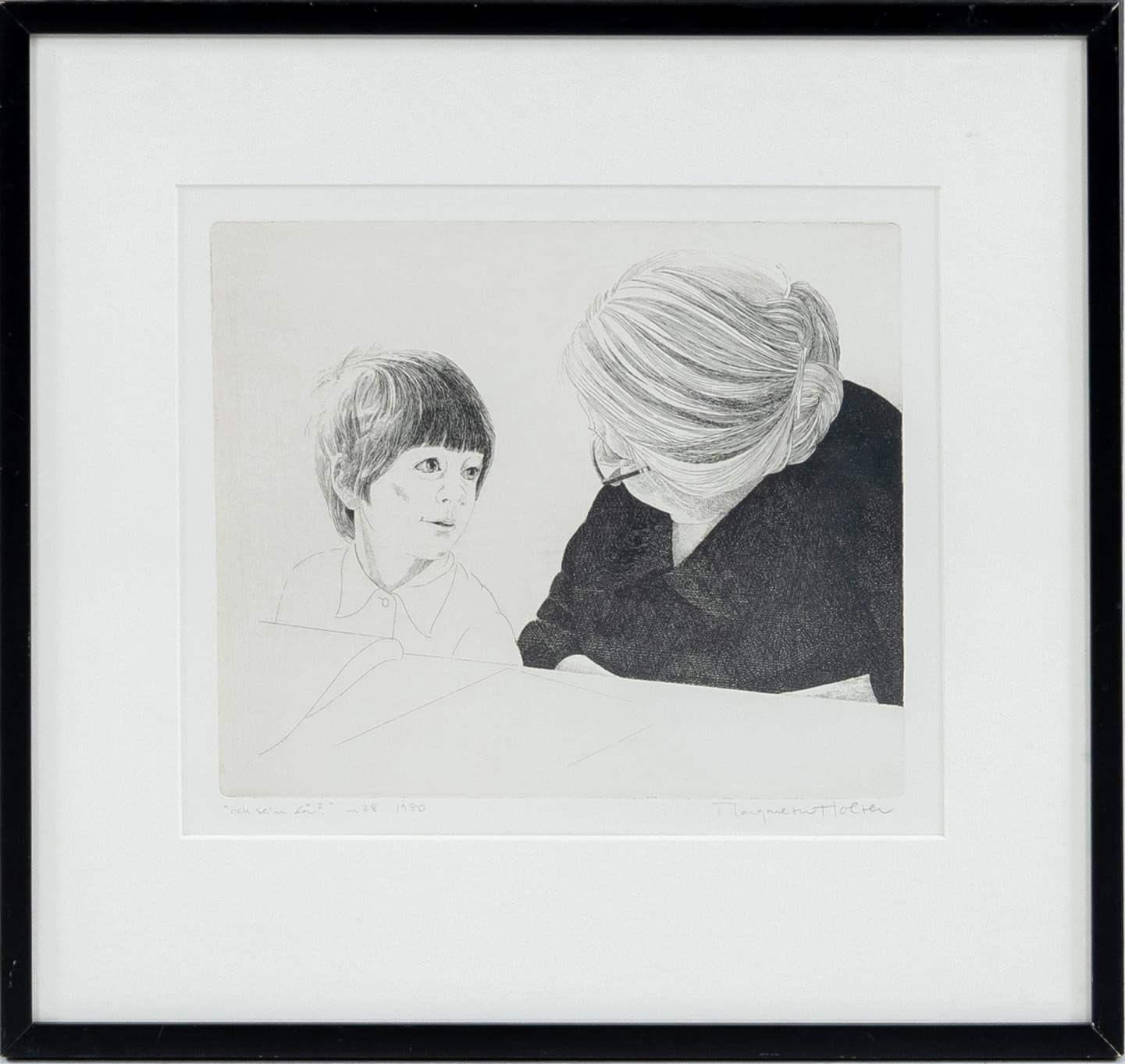
MARGARETA HOLTER (nacida en 1934), grabado, firmado, numerado 28 y fechado en 1980
09/02/2026
€46
Detalles
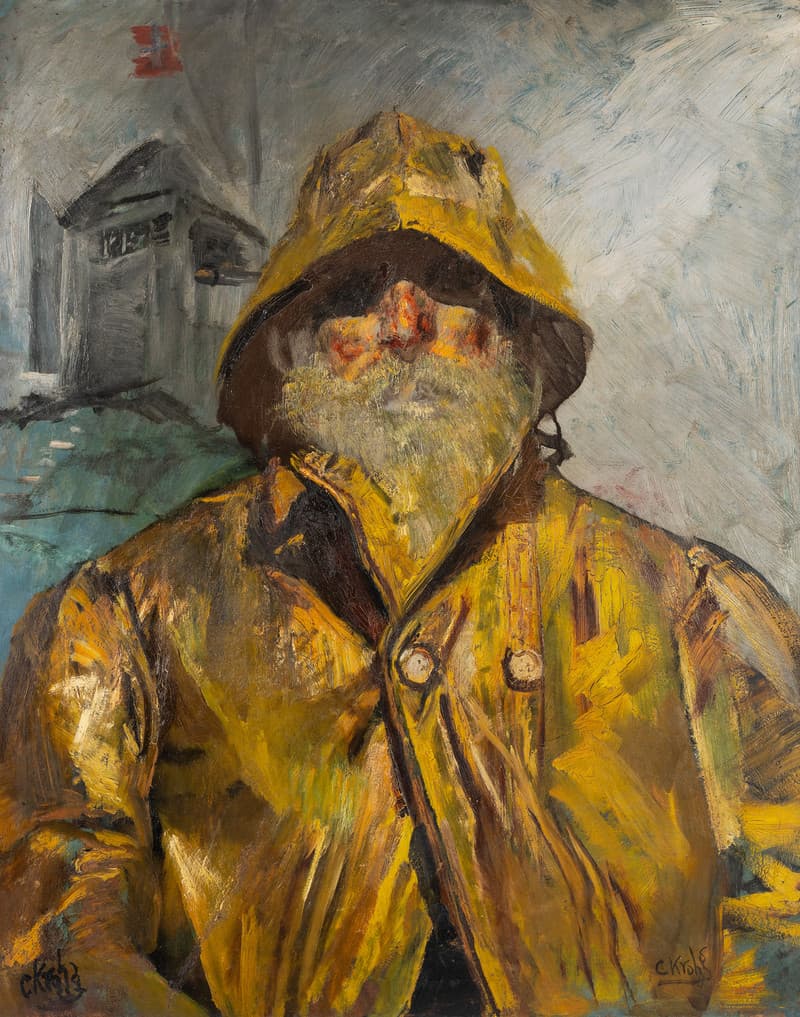
Norwegian Pilot - Krohg, Christian(1852-1925)
06/04/2026
€32,663
Est.: €13,939
Detalles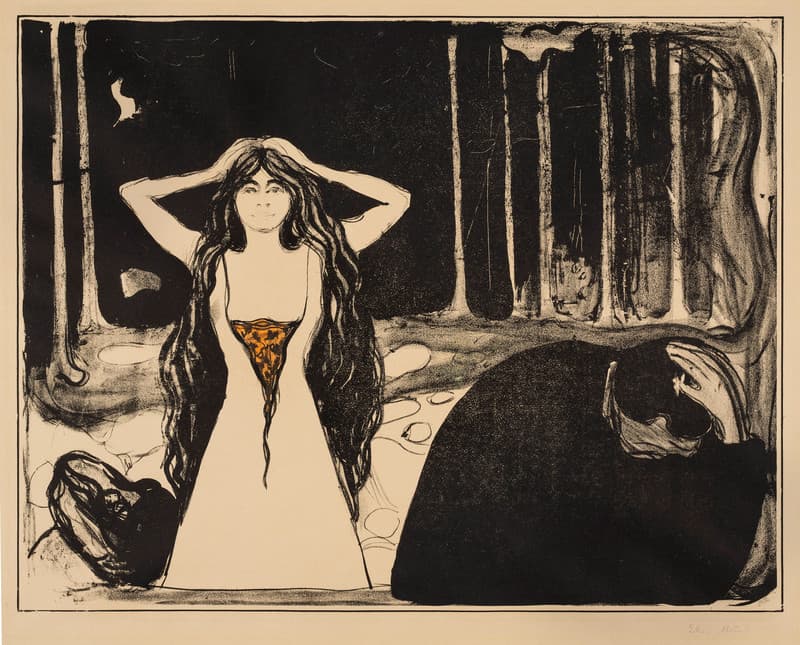
DEC 7 | 4:00 PM

JUN 2 | 4:00 PM

JUN 17 | 8:30 AM
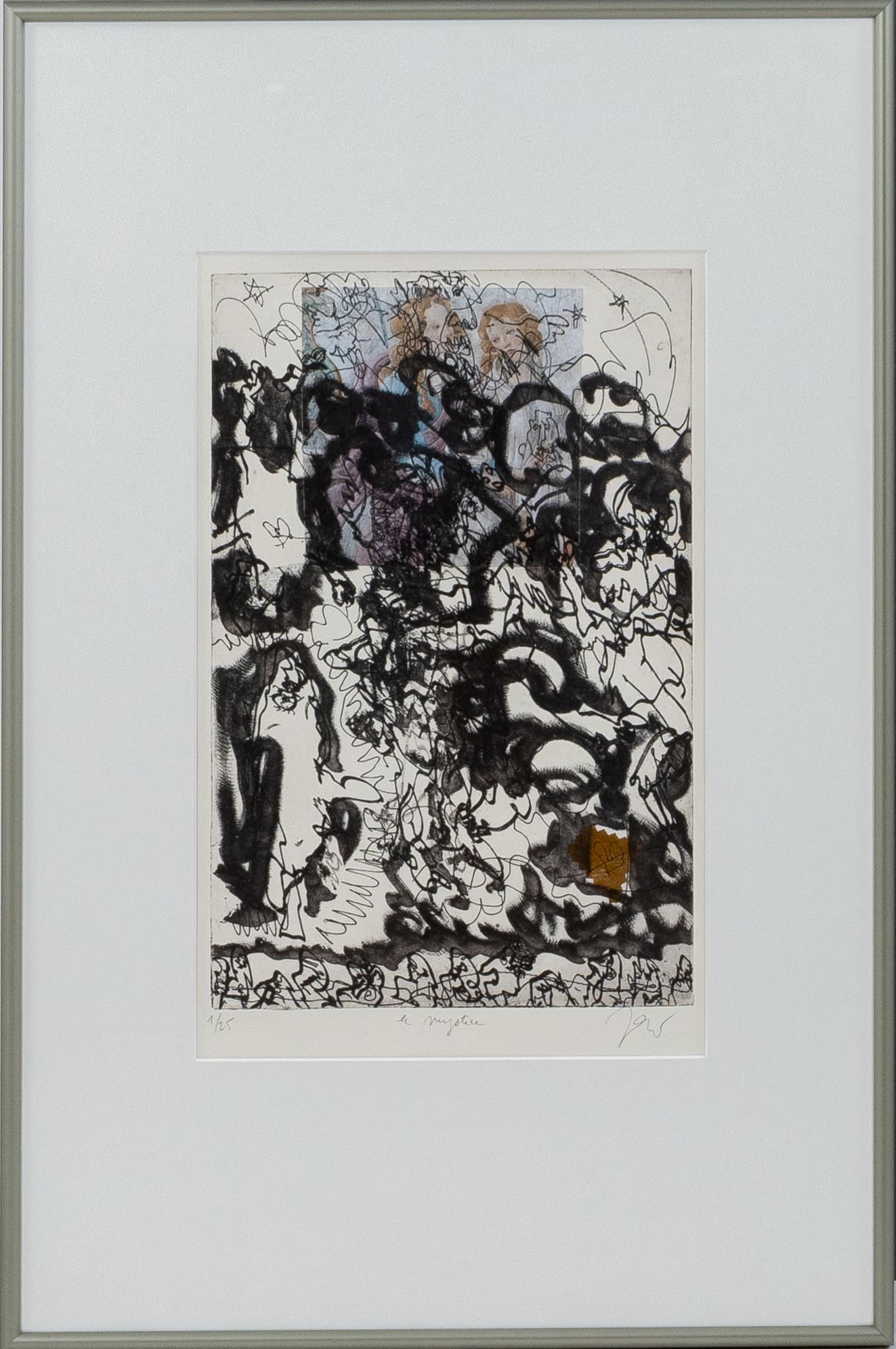
MICHAEL JOYARD (nacido ?), medios mixtos, firmado y numerado el 25/1
09/02/2026
€46
Detalles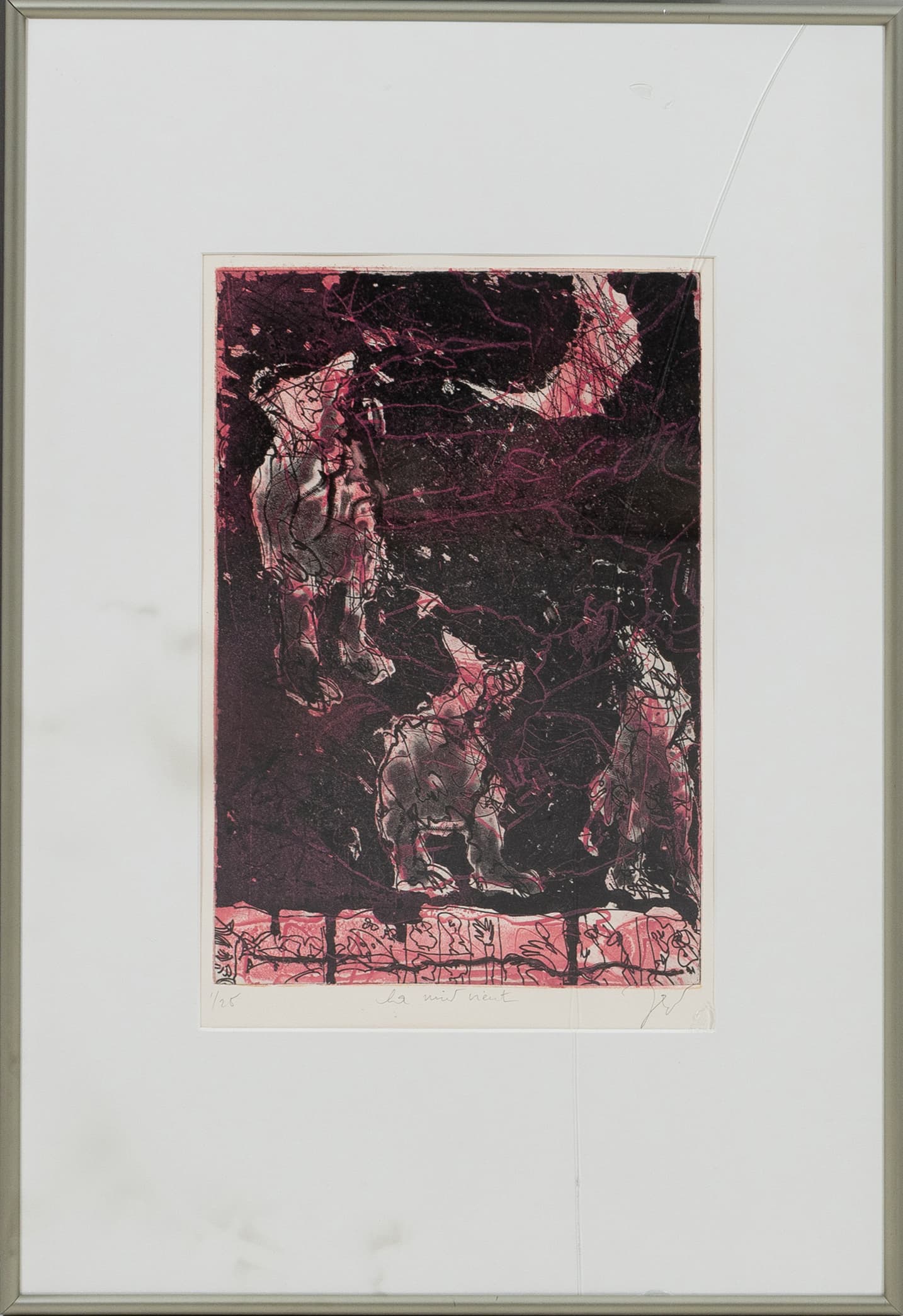
MICHAEL JOYARD (nacido ?), grabado en color, firmado y numerado 1/25
09/02/2026
€46
DetallesAshes II (1899) - Munch, Edvard(1863-1944)
06/04/2026
€294,873
Est.: €111,510
Detalles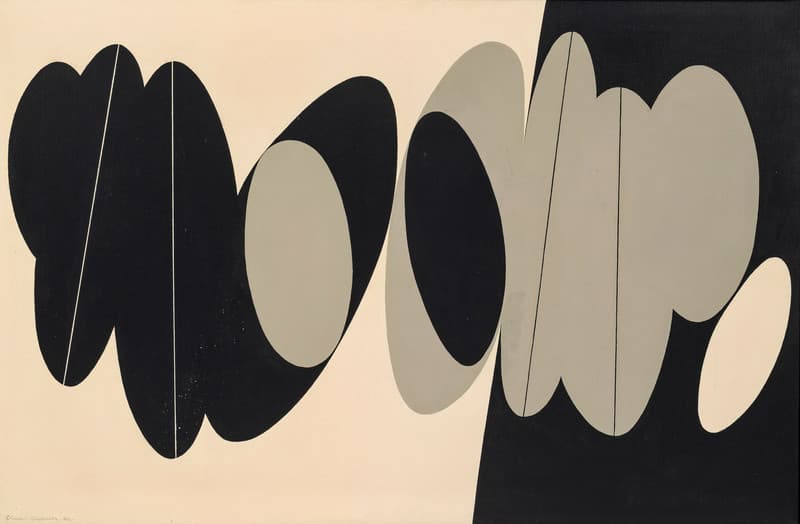
Composition 1962 - Gundersen, Gunnar S.(1921-1983)
06/04/2026
€20,868
Est.: €18,585
Detalles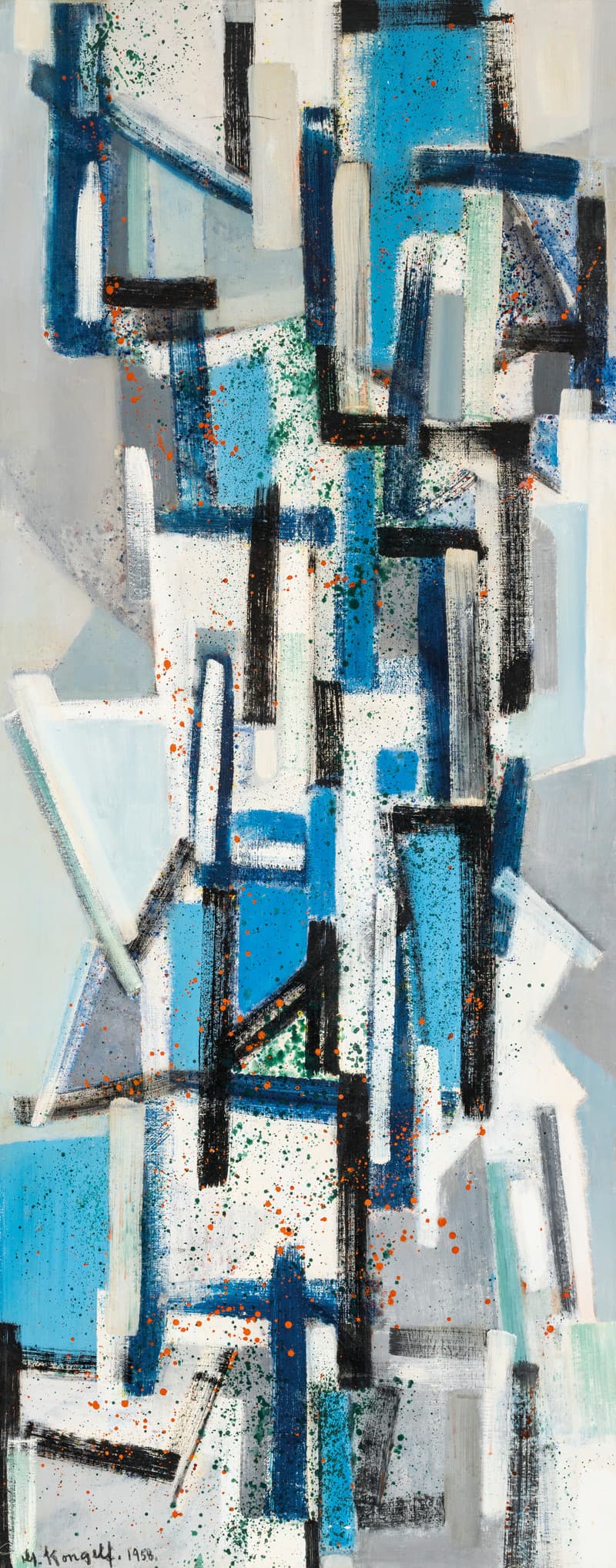
Composition 1958 - Kongelf, Gudrun(1909-1987)
06/04/2026
€19,053
Est.: €11,151
Detalles