

DEC 7 | 4:00 PM

Al suscribirte, aceptas la política de privacidad. Cancela tu suscripción en cualquier momento.
Barnebys HQ
Brahegatan 10
BOX 5038
114 37 Stockholm
Todas las subastas / Etnográfica / Important ichthyosaur fossil - Lot 1
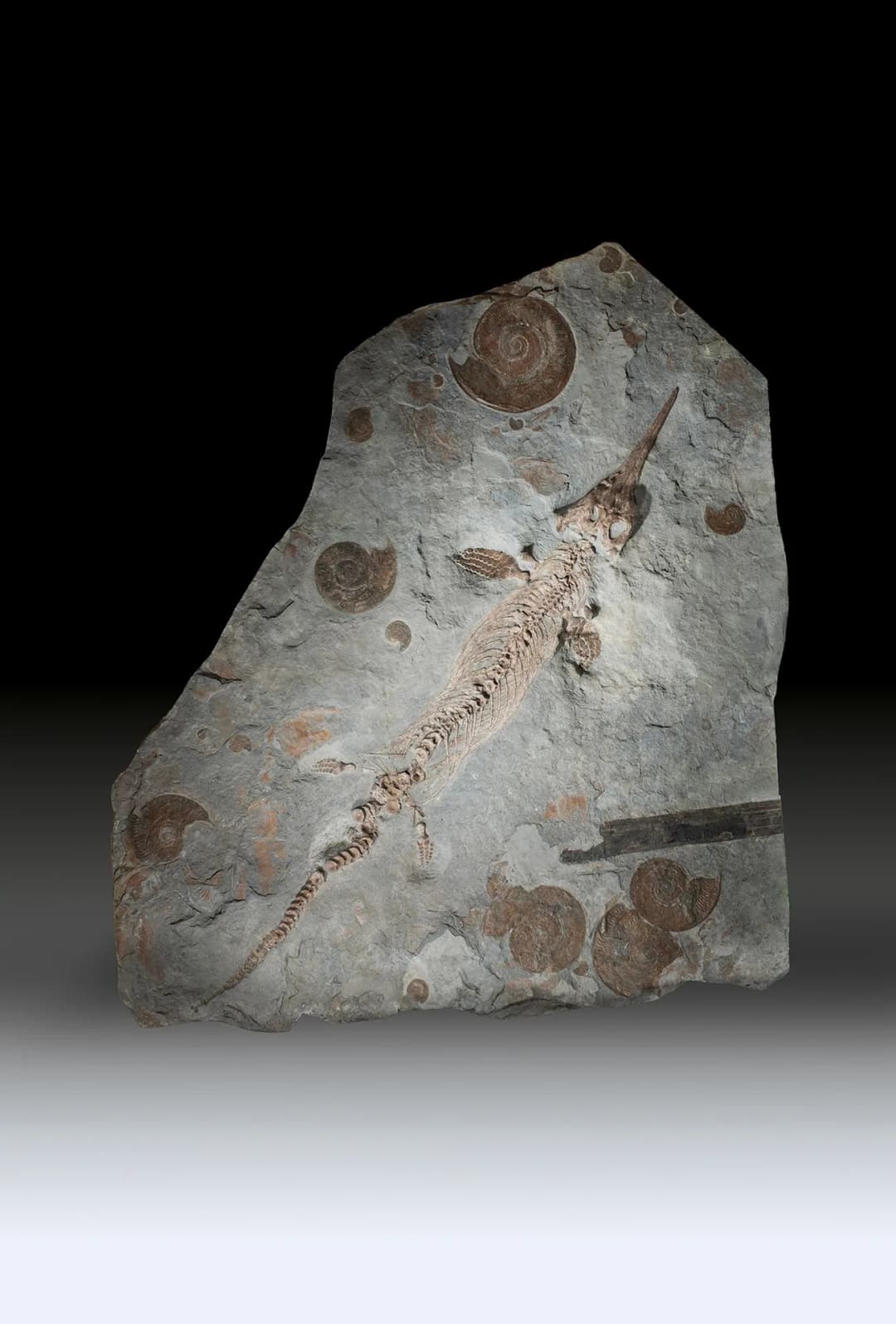
Important ichthyosaur fossil Stenopterygius uniter surrounded by ammonitesHarpoceras falciferum Posidonienschiefer, Holzmaden, Baden-Württemberg, Germany Lower Jurassic, Lower Toarcian, Harpoceras falciferum zone, circa 182 million years ago H. 175 cm - W. 153 cm - D. 15 cm Bibliography : - von Huene, F.1931. "Neue Studien über Ichthyosaurier aus Holzmaden".Abhandlungen der Senckenbergischen Naturforschenden Gesellschaft, 42, pp. 345-382. - Maisch, M. W.2008. "Revision der GattungStenopterygiusJaekel, 1904 emend. von Huene, 1922 (Reptilia: Ichthyosauria) aus dem unteren Jura Westeuropas".Palaeodiversity, 1, pp. 227-271. - Maxwell, E. E.2012. "New metrics to differentiate species ofStenopterygius(Reptilia: Ichthyosauria) from the Lower Jurassic of southwestern Germany".Journal of Paleontology, 86(1), pp. 105-115. - McGowan, C. & Motani, R.2003.Handbook of Paleoherpetology, Part 8: Ichthyopterygia. München, Verlag Dr. Friedrich Pfeil. - Hauff, B.1921-1922. "Untersuchung der Fossilfundstätten von Holzmaden im Posidonienschiefer des Oberen Lias Württembergs".Palaeontographica, 64, pp. 1-42. - Riegraf, W., Werner, G. & Lörcher, F.1984.Der Posidonienschiefer. Biostratigraphie, Fauna und Fazies des südwestdeutschen Untertoarciums (Lias ?). Stuttgart, Enke. - Röhl, H.-J., Schmid-Röhl, A., Oschmann, W., Frimmel, A. & Schwark, L.2001. "The Posidonia Shale (Lower Toarcian) of SW-Germany: an oxygen-depleted ecosystem controlled by sea level and palaeoclimate".Palaeogeography, Palaeoclimatology, Palaeoecology, 165, pp. 27-52. - Martill, D. M.1993. "Soupy substrates: a medium for the exceptional preservation of ichthyosaurs of the Posidonia Shale (Lower Jurassic) of Germany".Kaupia - Darmstädter Beiträge zur Naturgeschichte, 2, pp. 77-97. - Howarth, M. K.1992.The ammonite family Hildoceratidae in the Lower Jurassic of Britain.Monograph of the Palaeontographical Society, London, pp. 1-200. - Torrens, H. S.1995. "Mary Anning (1799-1847) of Lyme; "the greatest fossilist the world ever knew"". The British Journal for the History of Science, 28(3), pp. 257-284. Superb large fossil slab presenting an ichthyosaur Stenopterygius uniter, accompanied by several ammonitesHarpoceras falciferum, emblematic markers of the Toarcian seas. The skeleton, set diagonally in the dark matrix of the oil shale, retains all the visual tension of an animal built for swimming: elongated skull, arched ribcage, limbs transformed into fins, tapered tail. Around it, the spiral shells of ammonites dot the surface of the plaque, the last witnesses to the marine ecosystem in which the animal lived. Stenopterygius belongs to the ichthyosaurs, large marine reptiles with a silhouette reminiscent of modern dolphins, but no direct relation to them. These animals dominated Jurassic seas, hunting fish and cephalopods in European epicontinental basins. The speciesStenopterygius uniter, described by Friedrich von Huene in 1931, is particularly closely related to the Holzmaden levels; the proposed neotype comes precisely from theHarpoceras falcifer zone, in the Posidonienschiefer, in the Middle Lower Toarcian. The Holzmaden deposit is one of the world's most famous Konservat-Lagerstätten. The finely laminated marls of the Posidonienschiefer, deposited around 180 million years ago in a poorly oxygenated Central European sea, have enabled the exceptional preservation of marine reptiles, fish, crinoids, cephalopods and sometimes even soft tissue, skin prints and organic remains. The absence of scavengers on the seabed, linked to anoxic conditions, slowed decomposition and favored rapid burial of corpses in fine mud, which over time became the characteristic black, flaky matrix. It was at Holzmaden that paleontological preparation became an almost architectural art: fossils are often invisible on the surface and have to be removed bone by bone, by contrasting color and density between matrix and skeleton. As early as the end of the 19th century, Bernhard Hauff discovered black traces in the preparation of an ichthyosaurus, which he interpreted as fossilized soft tissue. This discovery helped Holzmaden fossils to be included in the world's major museums. The history of ichthyosaurs is inextricably linked with two territories: the English Dorset coast and the German Swabian Jura. In Lyme Regis, England, between 1811 and 1812, Mary Anning and her brother Joseph unearthed a five-metre skeleton, initially mistaken for a fossil crocodile, but recognized around 1820 as an extinct marine reptile: Ichthyosaurus, the "fish lizard". This discovery, studied and discussed in London scientific circles, played a major role in the birth of paleo
Estimación:€40,000.00
To the auctionVer todos los artículos deGiquellooEtnográfica
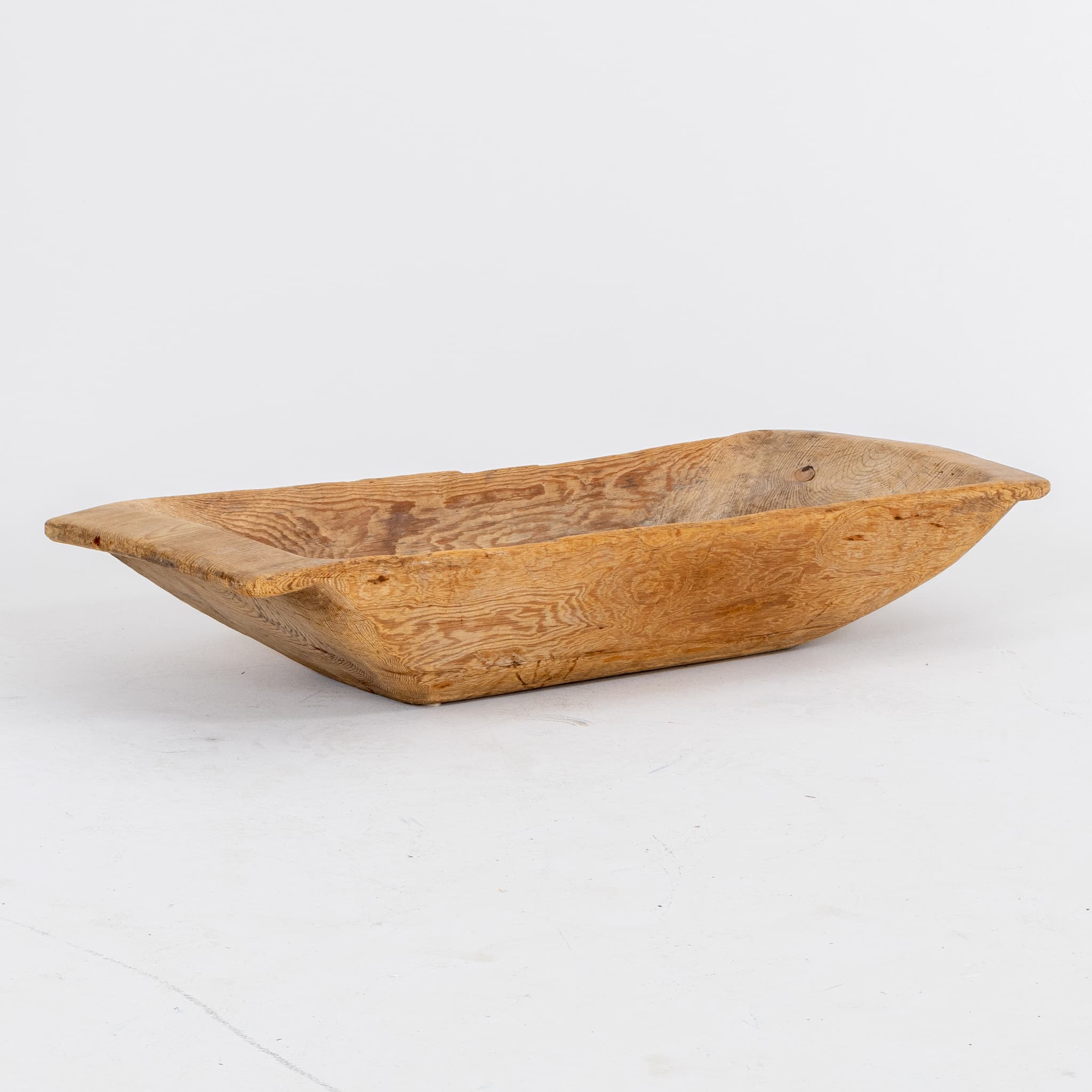
TRÅG, rústico, modelo más grande, probablemente del siglo XIX
09/02/2026
€74
Detalles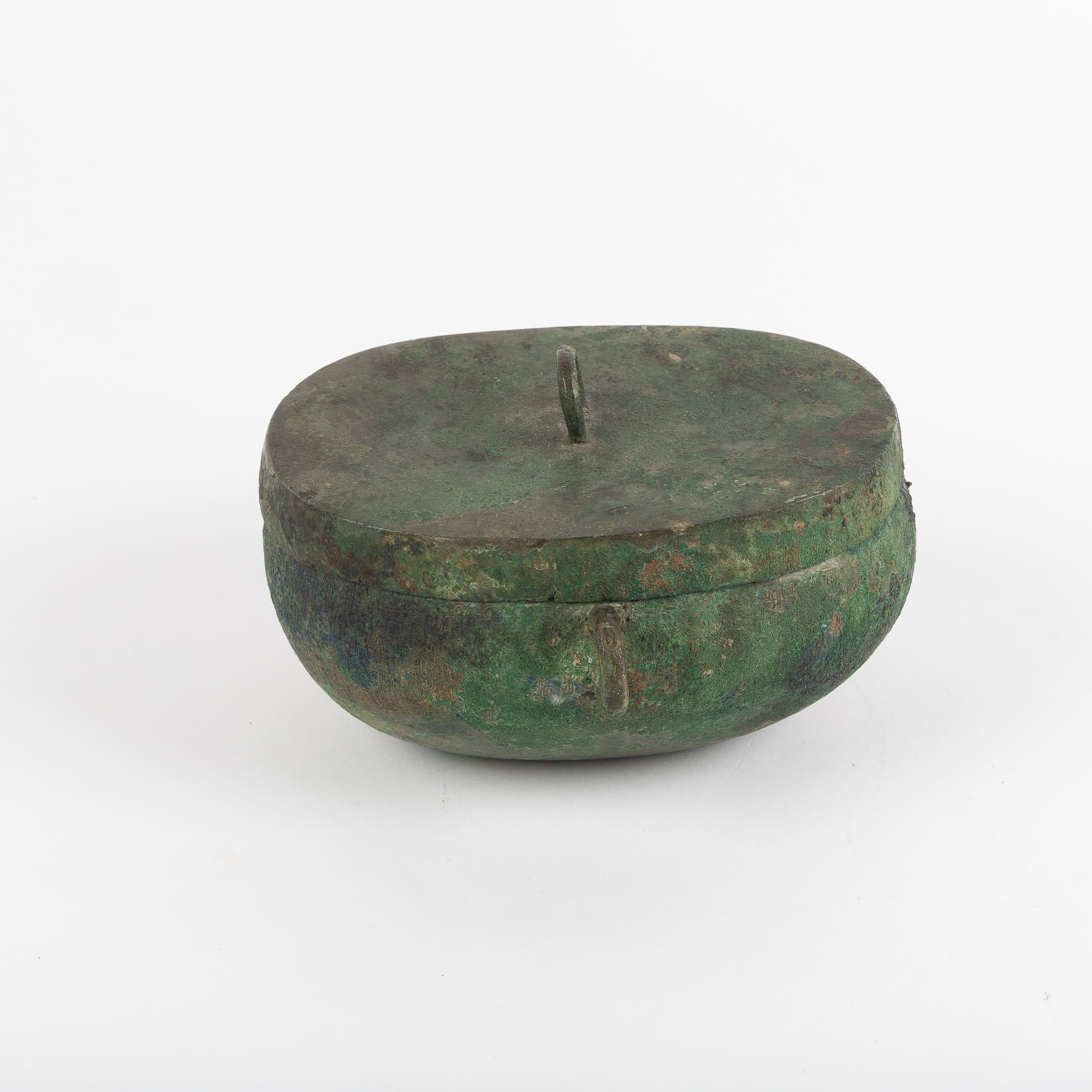
BRONSKÄRL. sk Dou, Han dynastin, inköpt ca 1970, brons.
06/04/2026
€142
Est.: €184
Detalles
DEC 7 | 4:00 PM

JUN 2 | 4:00 PM

JUN 17 | 8:30 AM
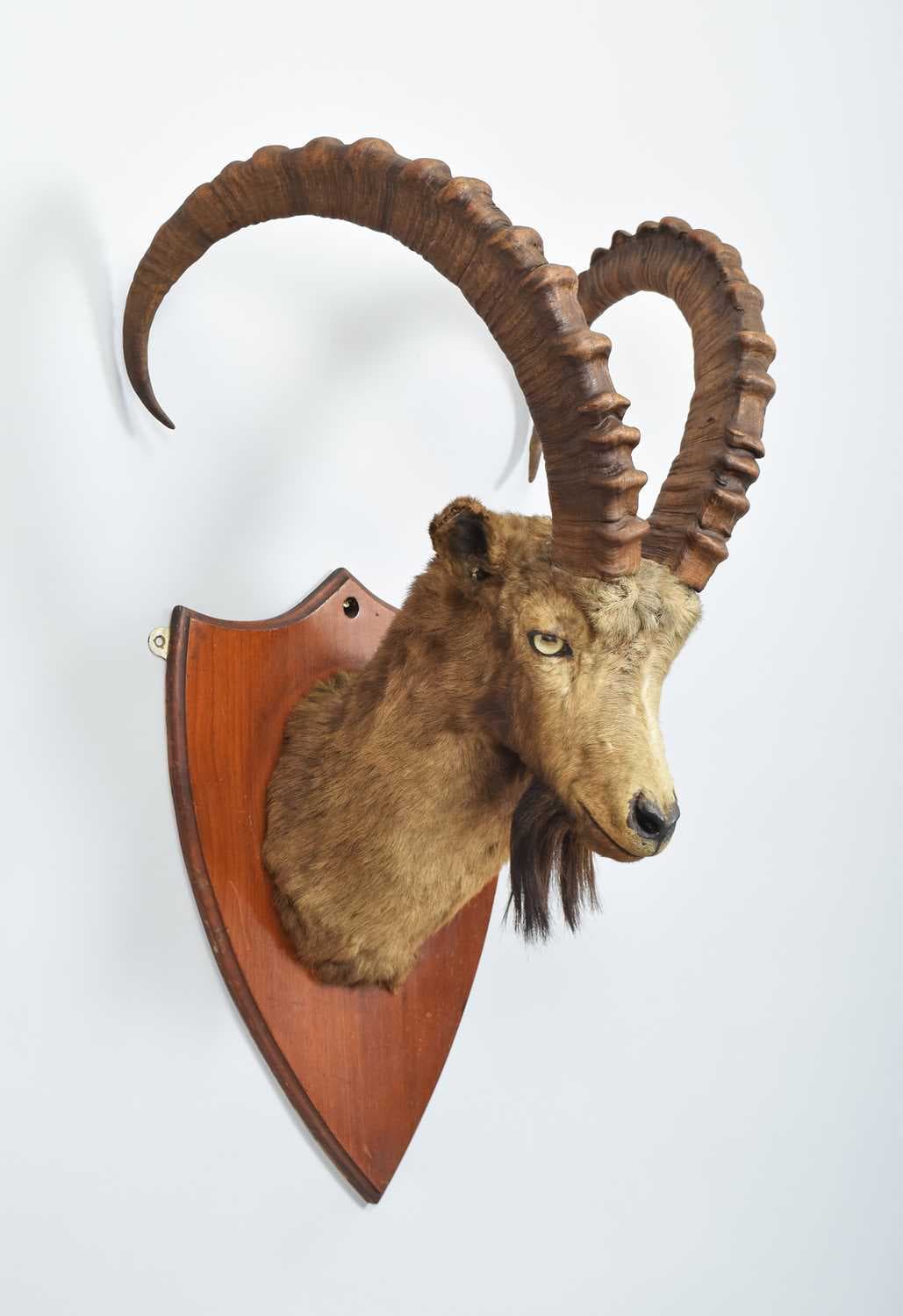
Taxidermy: Siberian Ibex (Capra sibirica sibirica), circa 1920-1930
08/05/2026
€344
Detalles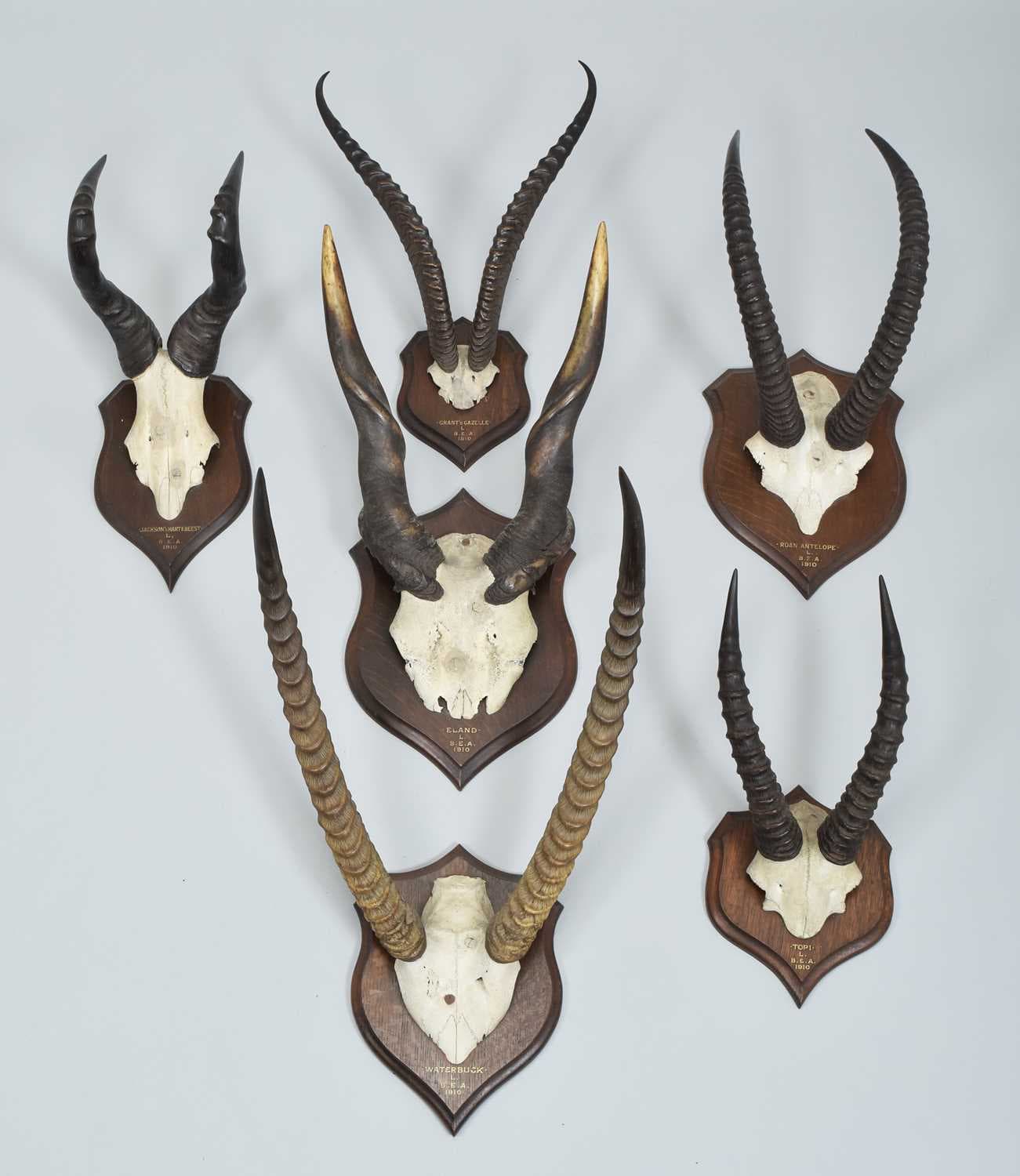
Antlers/Horns: A Group of African Big Game Trophy Horns, dated 1910
08/05/2026
€402
Detalles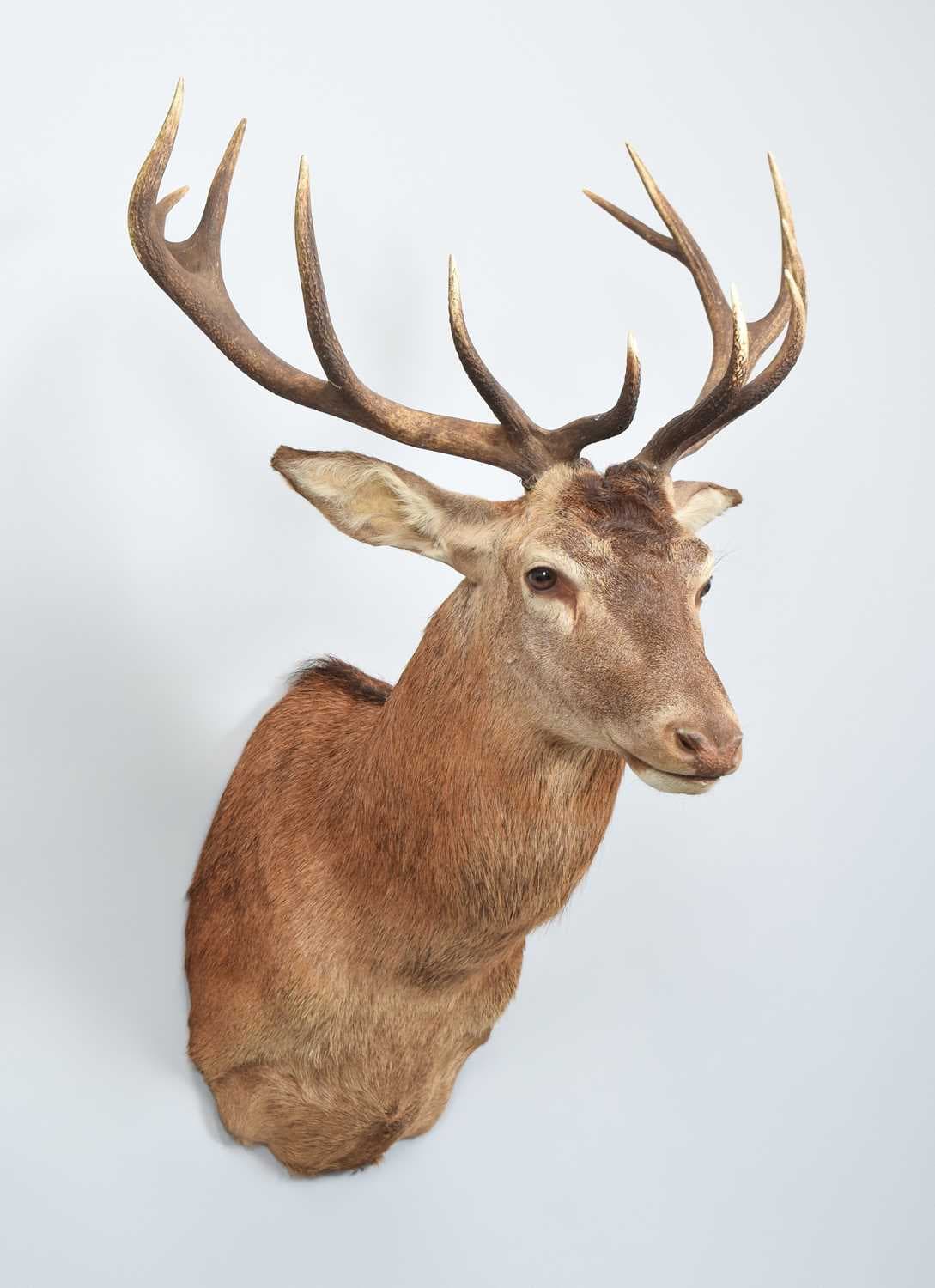
Taxidermy: A Royal Red Deer (Cervus elaphus), modern, (Cervus elaphus)
08/05/2026
€804
DetallesSKULPTUR, i form av båt, bambu, träskuren dekor, Kina, 1900-tal.
06/04/2026
€76
Est.: €139
Detalles
A large relief carved wall plaque depicting the face of Budd...
06/04/2026
€46
Est.: €46
Detalles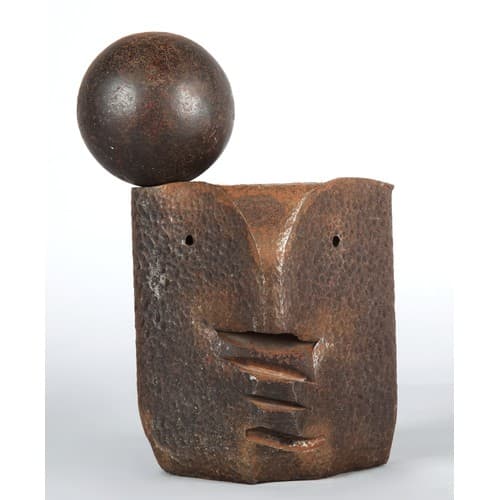
Ronald Rae (Scottish B. 1946) Bronze sculpture, cast iron sc...
06/04/2026
€926
Est.: €231
Detalles