



Todas las subastas / Arte, Pintura & obra gráfica / Gerolamo Brusaferro (1684 ca – 1745 ca)

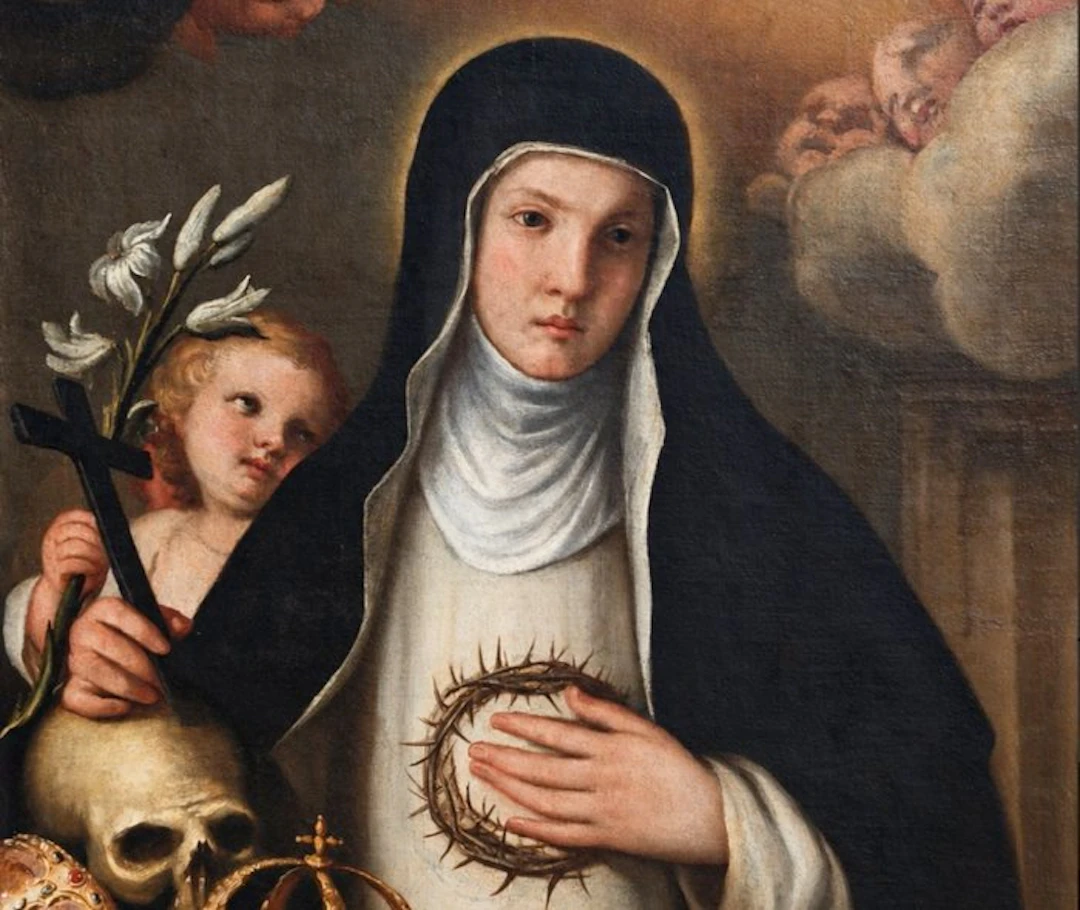
Gerolamo Brusaferro (Venice, circa 1684 – circa 1745) Attributed to Title: The Blessed Joana of Portugal (Ioanna Lusitana) Technique: Oil on canvas Measurements: 93 × 72 cm Measurements with frame: 107 × 87 cm Period: First half of the eighteenth century Period frame to be understood as a courtesy. Biographical notes A pupil of Nicolò Bambini, from whom he absorbed the solidity of drawing and the plastic construction of the figures, Gerolamo Brusaferro later approached the painting of Sebastiano Ricci, developing a language in which late Baroque persistenze are accompanied by the new chromatic and luminous sensibilities of the century. Documented in the guild of Venetian painters in the early decades of the eighteenth century, he carried out an intense activity for churches and private commissions, especially in the field of sacred painting. Among his works are remembered the Assumption of the Virgin in the Venetian church of San Barnaba, the Submersion of the Egyptians and the Elevation of the Cross in the church of San Moisè, as well as the panel with the Madonna and Child with saints for the church of Santo Stefano in Venice, signed and dated 1732. Description of the work The painting depicts the Blessed Joana of Portugal (1452–1490), daughter of King Alfonso V, according to an iconography of particular interest and not common in Italian painting. The identification is confirmed by the Latin inscription «IOANA LUSITANA», visible in the upper left and today partially covered by the frame. The Portuguese princess, who renounced dynastic marriage prospects and court honors to devote herself to religious life in the Dominican monastery of Jesus at Aveiro, is represented in a monastic habit, with her face turned toward the viewer and a crown of thorns gently held between her hands. Beside her a cherub supports the crucifix and a spray of white lilies, symbols respectively of devotion to the Passion of Christ and of purity. Particularly significant is the presence, in the foreground, of the skull and the two crowns, the regal one and the crown of thorns, which constitute the symbolic core of the composition. The princely crown recalls Joana’s dynastic origins and her renunciation of earthly dignities, while the crown of thorns alludes to her deep devotion to the Passion of Christ, a central element of her spirituality. The skull introduces the theme of meditation on the caducity of life and the vanity of worldly greatness. Born in Lisbon in 1452, Joana entered the Aveiro Dominican monastery, where she spent much of her life, dedicating herself to prayer, penance, and charitable works. She died in 1490 and her cult was officially recognized by Pope Innocent XII in 1693. Her figure, particularly venerated in Portugal, finds in this canvas a highly noteworthy iconographic testimony. Stylistic note On a stylistic level, the composition is distinguished by the delicate characterization of the blessed’s face, the soft modulation of the flesh tones, and the careful definition of the hands, which carry a central portion of the devotional expression. The severity of the Dominican habit is mitigated by the luminosity of the white veil, while the angelic figures emerge from the clouds in the upper part of the composition, introducing a note of a freer eighteenth-century sensibility. The attribution to Gerolamo Brusaferro is proposed in consideration of the Venetian figurative culture to which the work belongs, the solidity of the modelling, the characterization of the faces, and the construction of the draperies, elements that find corroboration in the painter’s language. The painting’s interest also lies in the uniqueness of the subject, which documents the spread in Venetian painting of the eighteenth century of a cult particularly tied to the Portuguese religious tradition. State of conservation The painting shows signs of time compatible with its age. The canvas appears preserved on its own support, with old nails for fastening visible along the edges, as documented by photographs. The painted surface shows some irregularities and signs of aging, for which evaluation is deferred to the detailed images. The work is accompanied by a beautiful period antique frame to be considered as a courtesy with the painting. Shipping Professional and trackable shipping, with careful packaging suitable for the nature and dimensions of the work.
Estimación:€2,500
Ir a la subastaVer todos los artículos deCatawikioArte, Pintura & obra gráfica
Estimación:
€2,500
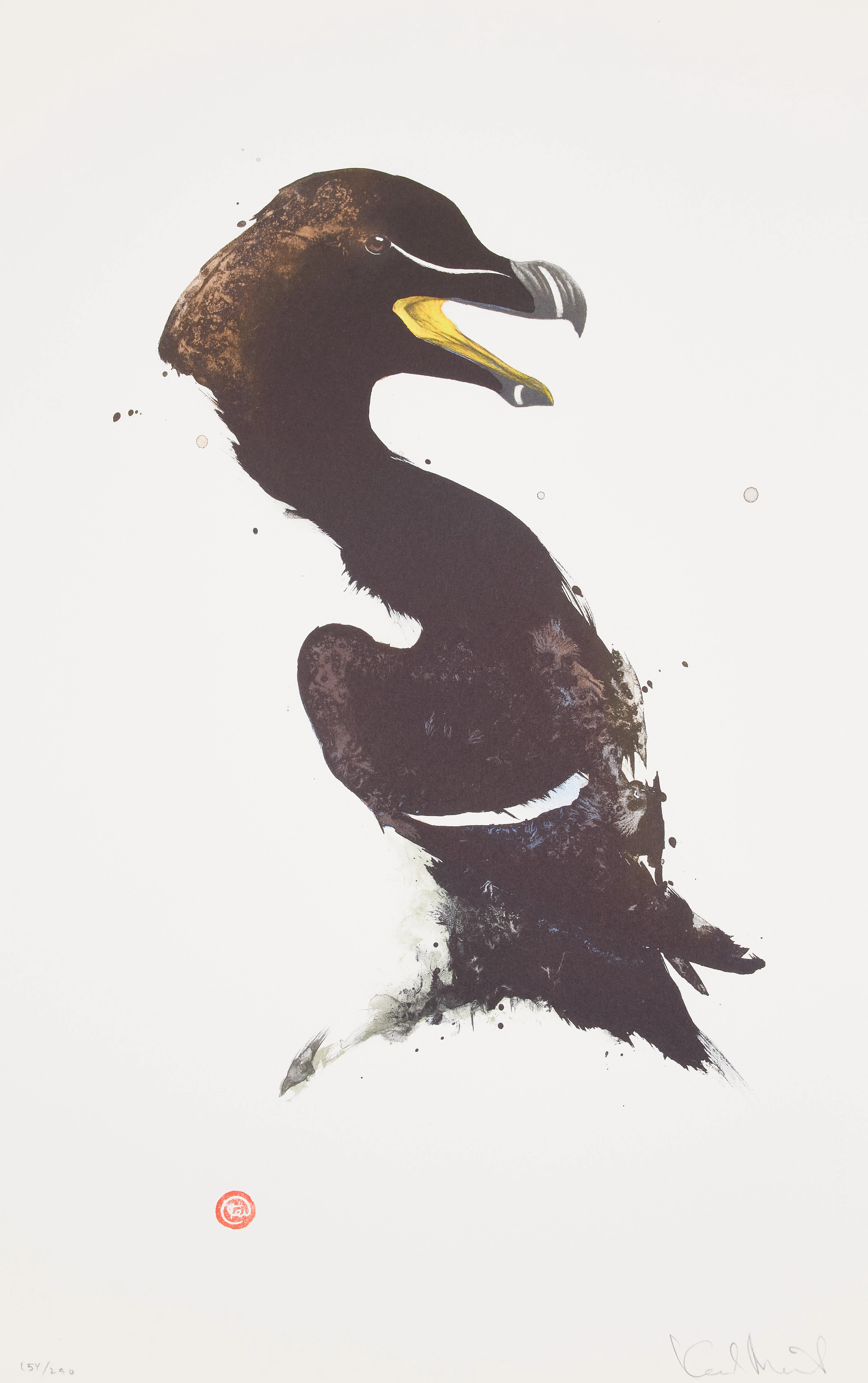
KARL MÅRTENS, "Tordmule", färglitografi, signerad och numrerad 154/290.
10/16/2026
€62.84
Est.: €179.2
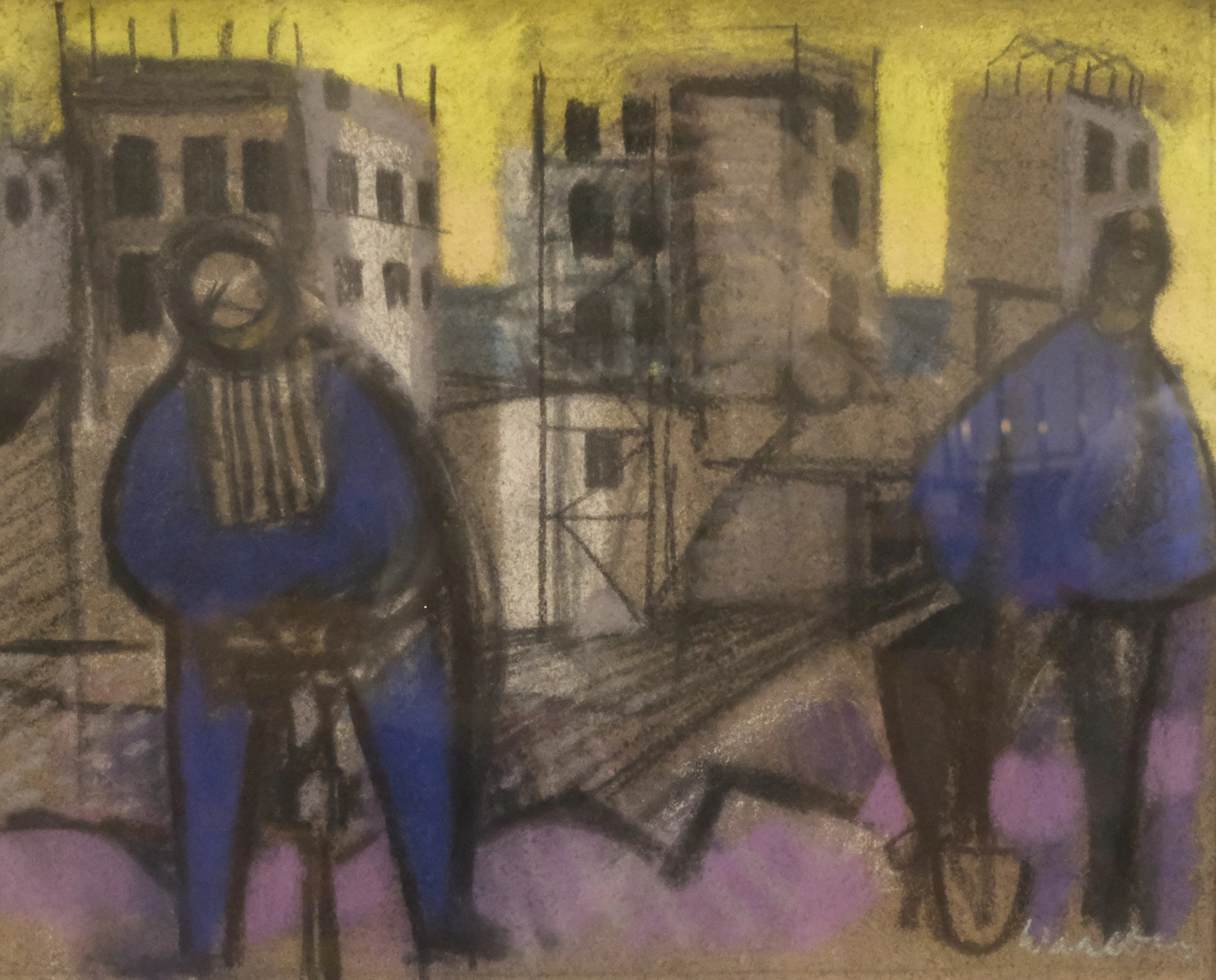
BERTIL WAHLBERG. PASTELL. ABSTRAKT KOMPOSITION, STADSMILJÖ MED ARBETANDE
10/16/2026

€26.93
Est.: €44.8

PER JULIUS. Oljemålning på duk. "Tängvattnet, Hemavan, Lappland".
10/16/2026
€628.52
Est.: €268.8
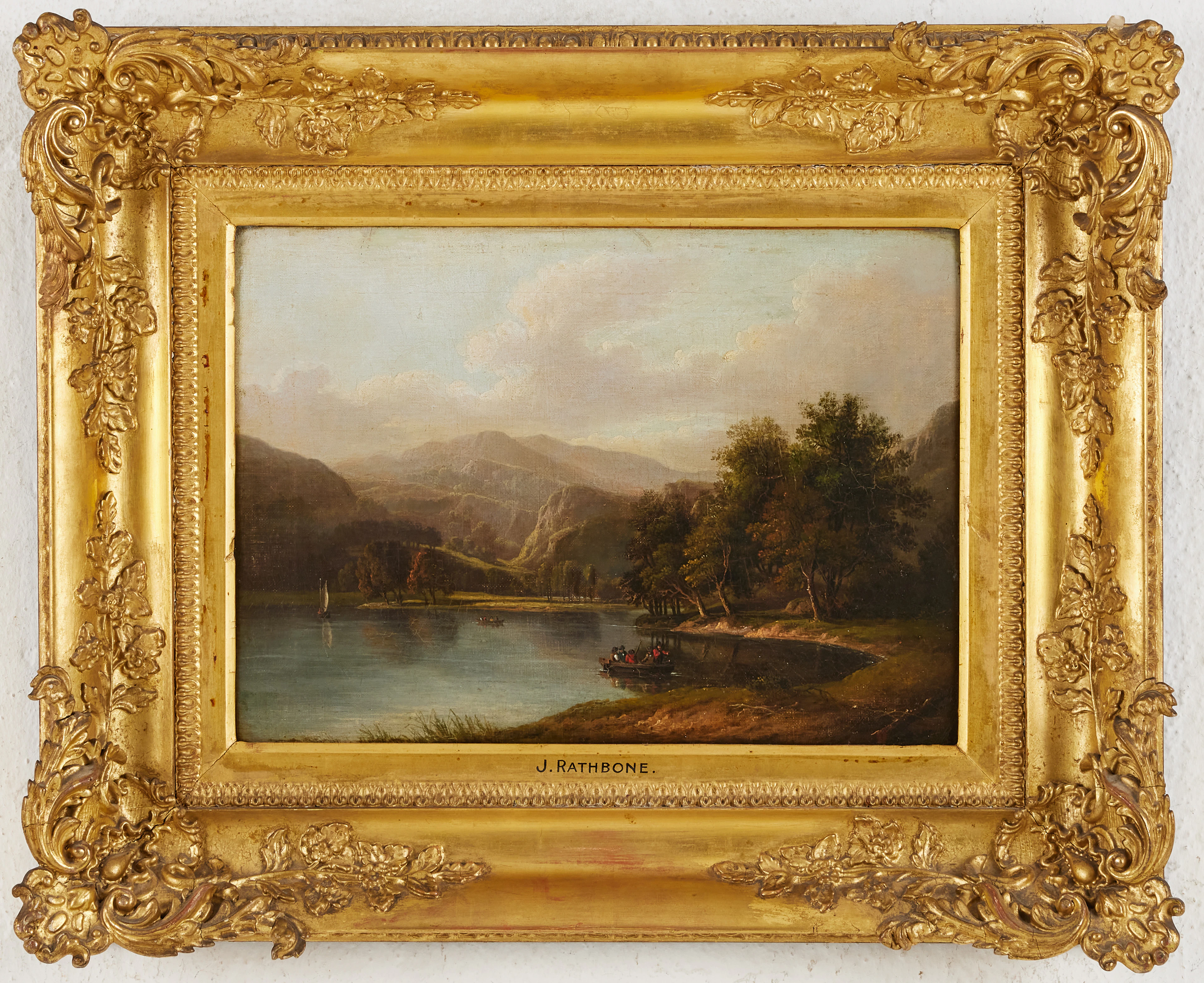
JOHN RATHBONE. (England, 1750-1807). Engelskt landskap, olja på duk.
10/16/2026
€538.66
Est.: €716.82


OCT 27 | 4:00 PM
¡Lleva tu subasta a coleccionistas de todo el mundo!
Publica ahoraAl suscribirte, aceptas la política de privacidad. Cancela tu suscripción en cualquier momento.
Barnebys HQ
Brahegatan 10
BOX 5038
114 37 Stockholm
