
Todas las subastas / Libros, mapas, papel & manuscritos / Gaius Julius Phaedrus AFTER Aesop illustrations by...

Gaius Julius Phaedrus AFTER Aesop illustrations by...
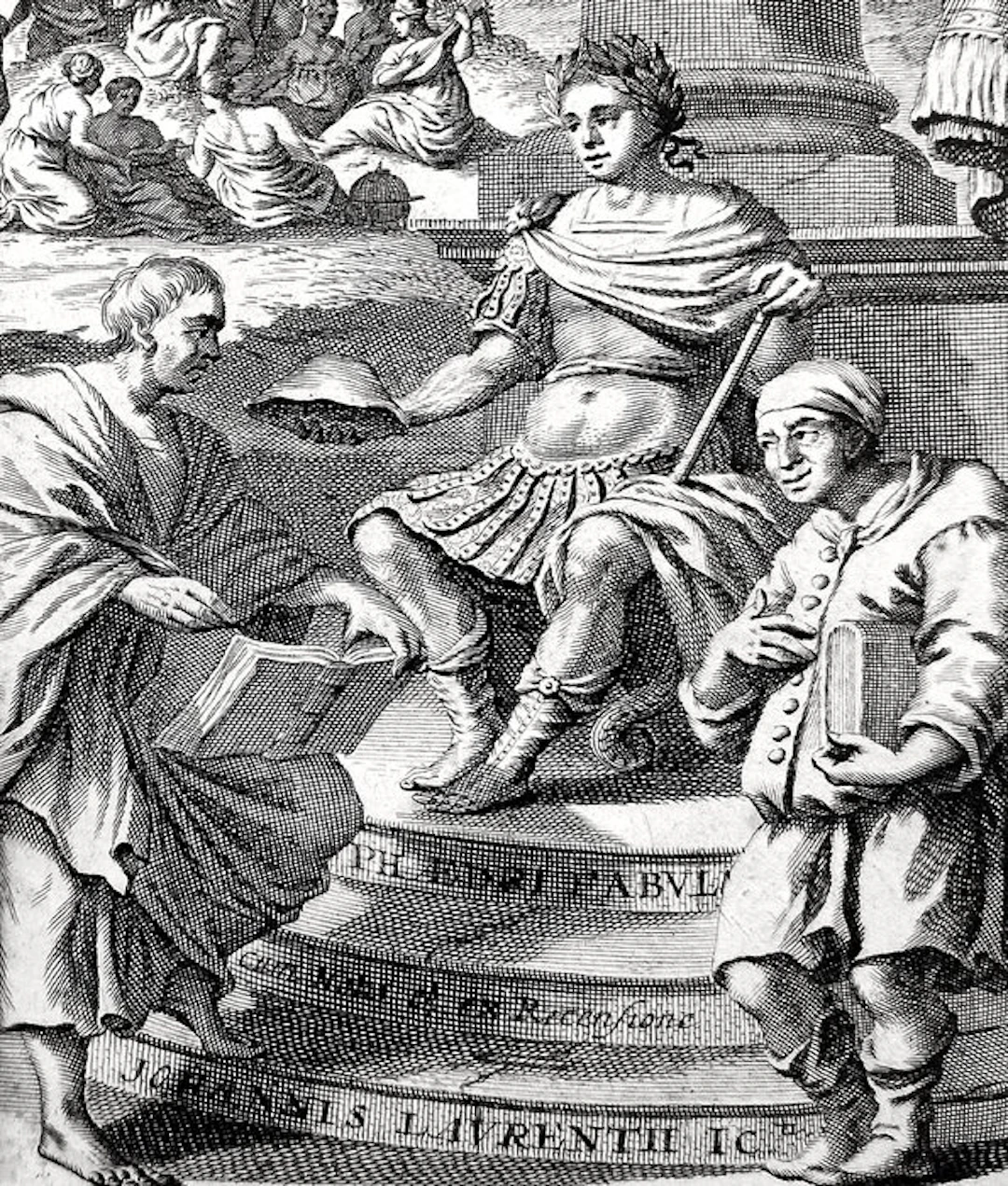
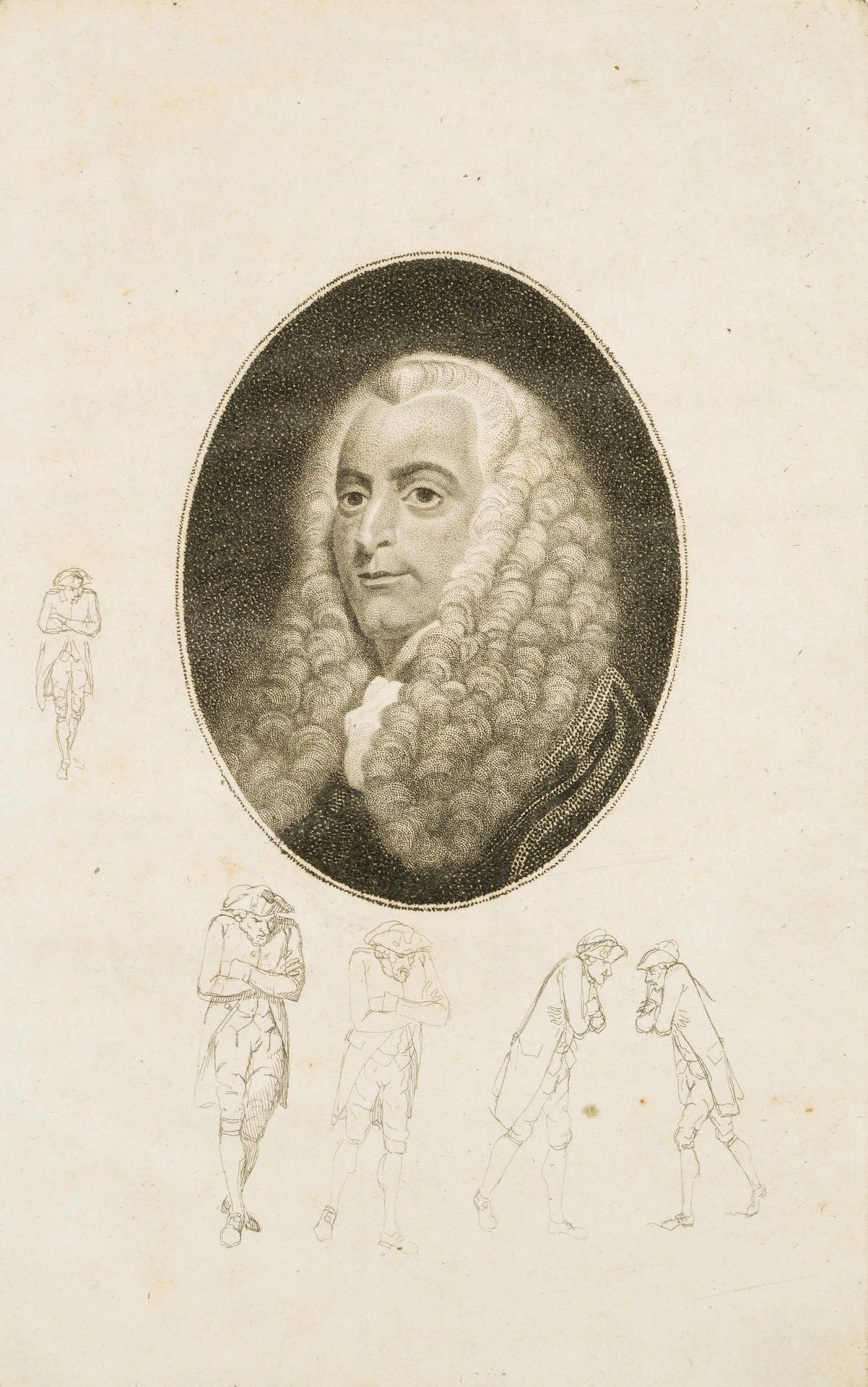
1667 RARE FIRST EDITION ON FABLES, NATURE, ANIMALS, COSMOS, ESOTERICISM, PHILOSOPHY, LAW, METAPHYSIC AND RELIGION by Gaius Julius Phaedrus or Phaeder (c.15 BC–50 AD) was a Roman fabulist and the first versifier of a collection of Aesop's fables into Latin. This edition is richly illustrated with 103 half-page illustrations plus a full-page allegorical frontispiece; all the engravings are by Christiaan Hagen (c. 1635–1707), a highly skilled printmaker, draughtsman, and copperplate engraver. RARE COMPLETE EDITION featuring the famous obscene illustration for Fable 13 on page 276 (see photos 5 & 6), an engraving often missing, mutilated, or blacked out with ink (Graesse, V, 252). It depicts a brothel where prostitutes and clients are kissing and fondling each other's private parts, while couples can be seen copulating on beds in the background. The Latin lines beneath the illustration also explicitly refer to "veretri" (genitals) and "obscoenitas" (obscenity), then, the Dutch commentator Johannes Laurentius addresses these scandalous verses by citing classical Roman authors such as Juvenal, Martial, and Suetonius to analyze the history of sexual behavior and vocabulary in Rome. In his adaptations of Aesop’s Greek fables, the Latin fabulist Phaedrus constantly inserts his own persona, his painful past as a slave, his grievances, and his worldview; he blends animal fables with Roman historical anecdotes and political satire, often revealing himself to be cynical, sophisticated, and bitter. All the illustrations are present and intact, detailed and with good contrast; it is one of the finest illustrated books by 17th-century Dutch engravers. Original contemporary stiff vellum binding, in excellent condition. COMPLETE FIRST EDITION. 1667 RARE FIRST EDITION; the same edition—but with a poor-quality binding—is currently for sale at USD $2,700.00 here: https://www.biblio.com/details.php?dcx=1533281870, whereas here you are being offered the same first edition in excellent condition, with its original period binding intact, for a fraction of that price. The work opens with a fine frontispiece, signed at the bottom by Christiaan Hagen, which serves as a visual summary of the work's origins. The central seated figure is the Emperor Augustus, who is handing a *pileus* (the traditional Roman felt cap given to a slave upon emancipation), to the man on the left (Phaedrus). To the right stands Aesop, shorter and stooped, dressed in rustic attire; he is traditionally depicted as physically deformed. In the background above, Mount Parnassus, the Muses, and the winged horse Pegasus appear; Pegasus symbolizes divine poetic inspiration and illustrates how Phaedrus elevated Aesop's humble prose to the level of high Roman poetry. In the prologue, Phaedrus explains the origin of fables: since slaves were severely punished for openly expressing their thoughts, they invented the fable as a way to safely vent their frustrations. By projecting human conflicts onto animals, trees, and inanimate objects endowed with the power of speech, a marginalized person could directly criticize their master without facing legal repercussions. The Dutch commentator on this work was Johannes Laurentius—a Doctor of Law designated in the title as "JCto" (an abbreviation for "Jurisconsultus" or jurist). He furnished the fables of Phaedrus and Aesop with an extensive critical commentary, supplementing his own historical and legal analyses with annotations from earlier scholars of classical antiquity, thereby establishing the work as a key reference text for 17th-century European humanists. As Johannes Laurentius grasped, the fables of Phaedrus and Aesop are not fundamentally about animals, but rather about power, justice, and human conflict. To the eyes of a 17th-century jurist, Phaedrus’s fables appeared as a treatise on natural law and constitutional theory disguised as allegory. Three examples: A) *The Wolf and the Lamb*: a story about the perversion of justice, in which the powerful fabricate legal charges to justify destroying the weak. B) *The Frogs Asking for a King*: a fable offering profound reflection on constitutional law, regime change, and the dangers inherent in calling upon an authoritarian ruler. C) *The Fox and the Sick Lion*: a lesson in political cunning, diplomacy, and the risks involved in entering a tyrant's domain. For Laurentius, a jurist accustomed to dealing with crimes, property disputes, and abuses of power, Phaedrus’s fables represented rich, deeply meaningful models of human behavior and legal ethics. TITLE: Phaedri, Augusti Caesaris liberti, Fabularum Aesopiarum libri quinque; notis perpetuis illustrati, & cum integris aliorum observationibus in lucem editi à Johanne Laurentio JCto...(The Five Books of Aesopic Fables by Phaedrus, freedman of Augustus Caesar; illustrated with continuous notes and published with the complete observations of others by the jurist Johannes Laurentius...) AUTHORS: Gaius Julius Phaedrus or Phaeder (c.15 BC–50 AD) AFTER Aesop (c.620–564 BCE) and illustrated by Christiaan Hagen (c.1635–1707) PUBLISHER: Johannes Janssonius van Waesberge I DATE: MDCLXVII (1667), printed in Amsterdam, text in Latin and Greek DESCRIPTION: 1 volume in 8° size height 197 x width 128 mm or 7.8 by 5.1 inches. [32] preliminary leaves, 462 numbered pages, [102] index leaves, illustrated with 103 engraved copperplates, plus 1 full-page illustrated frontispiece, complete edition. Antique stiff vellum binding, with titles and decorations on the spine, minor defects, occasional small stains, the binding is very solid and fully functional, free of tears, losses, cracks, or structural damage, as shown in the photos. Good quality printing and paper, text printed in double columns, woodcut head- and tail-pieces, decorated initials; richly illustrated with 104 copper engravings by Christiaan Hagen (c.1635–1707). Few page numbering errors, the text is generally clean, with occasional slight stains or scattered traces of oxidation—but nothing serious, otherwise the text and images are intact and in very good condition, as shown in the photos. COMPLETE FIRST EDITION. REFERENCES: WORLD CAT n°1393639555 & 165813778; Brunet IV: 588; Landwehr, Emblem books Low Countries F143; "One must check whether the obscene plate is present on page 276, for it has usually been torn out or damaged" (Graesse, V, 252). SHIPPING: via UPS, DHL, FEDEX, National Postal Services, protected, INSURED and fully tracked package. Estimated time for Europe 3-5 working days. Shipping within one working day, you can combine shipping if you purchases several items from us, saving money and time.
Estimación:€2,300
Ir a la subastaVer todos los artículos deCatawikioLibros, mapas, papel & manuscritos
Estimación:
€2,300
Artículos similares

Resultados de subastas para artículos similares
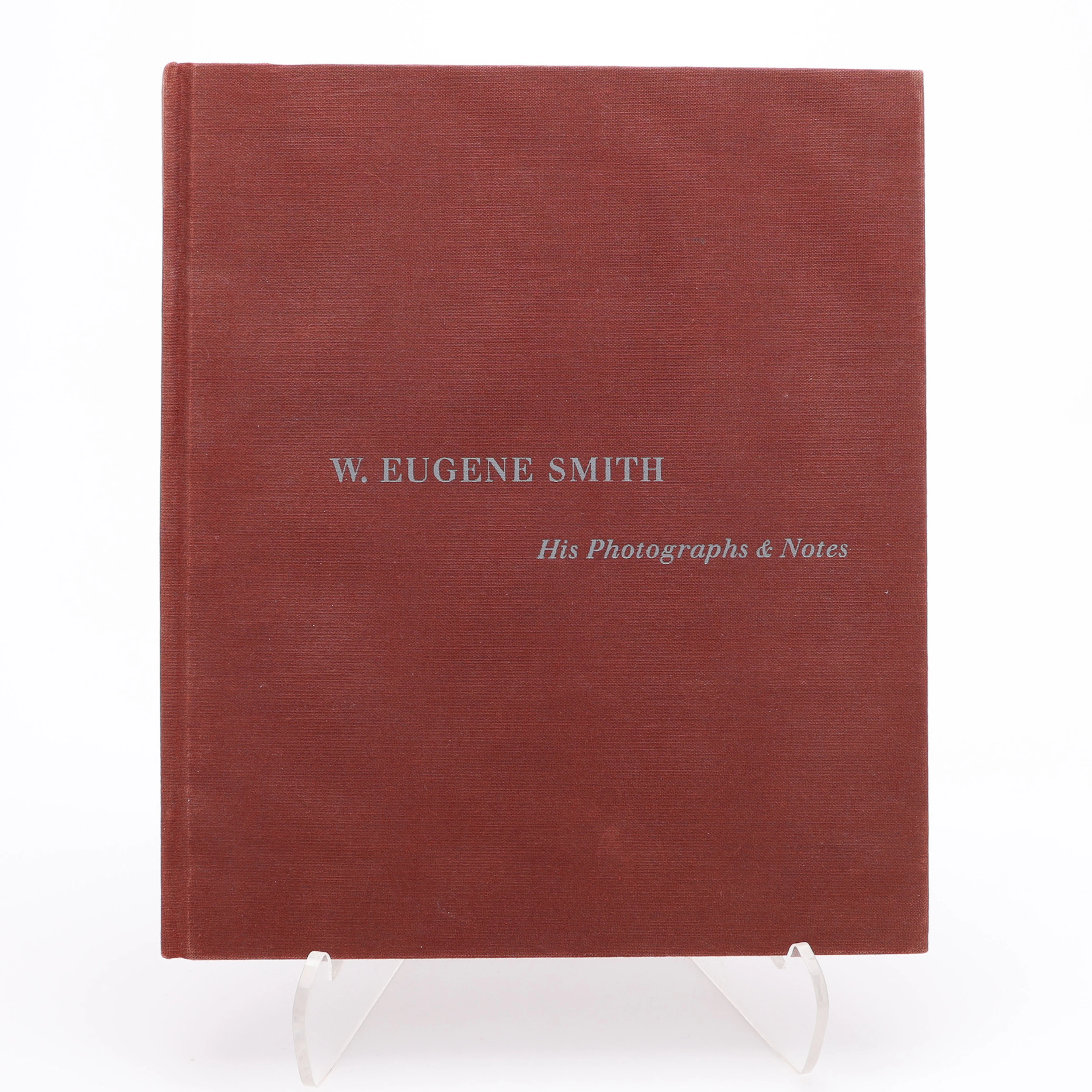
W. EUGENE SMITHS APERTUREMONOGRAFI "W. EUENE SMITH: HIS PHOTOGRAPHS
10/08/2026
€26.77
Est.: €30.96

FLOR GARDUÑOS APERTURE-MONOGRAFI "WITNESS OF TIME", 2000.
10/08/2026
€26.77
Est.: €35.71

PAULO NOZOLINOS UTSTÄLLNINGSBOK "FAR CRY", 2005.
10/08/2026
€26.77
Est.: €31.25
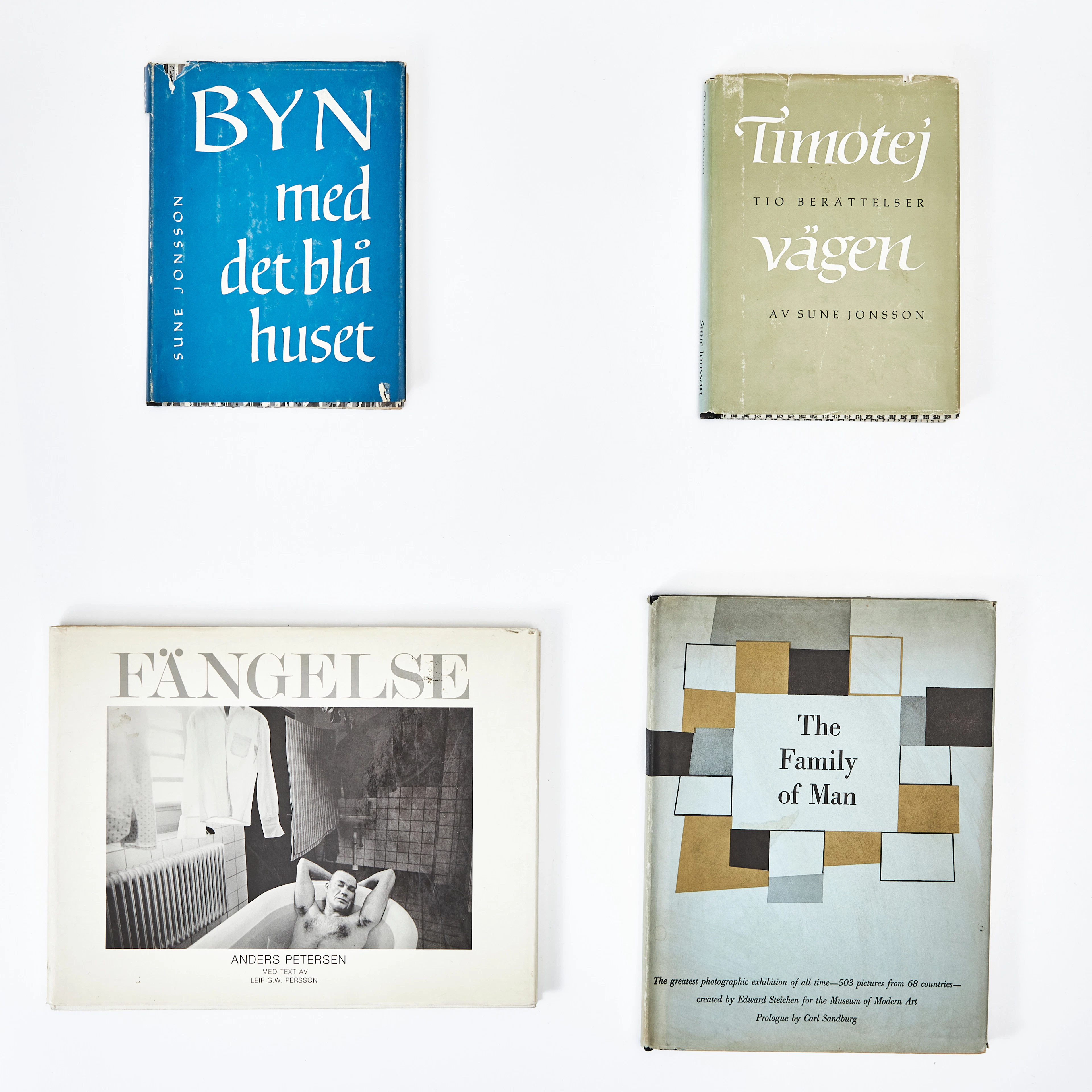
FOTOBÖCKER, 4 st, varav två av Sune Jonsson, samt "The Family of Man"
10/08/2026
€60.24
Est.: €89.28
¡Lleva tu subasta a coleccionistas de todo el mundo!
Publica ahora