



Todas las subastas / Arte, Pintura & obra gráfica / Ernst Ludwig Kirchner - Green Lady in Garden Café, 1912 - Artprint - 90 x 70 cm

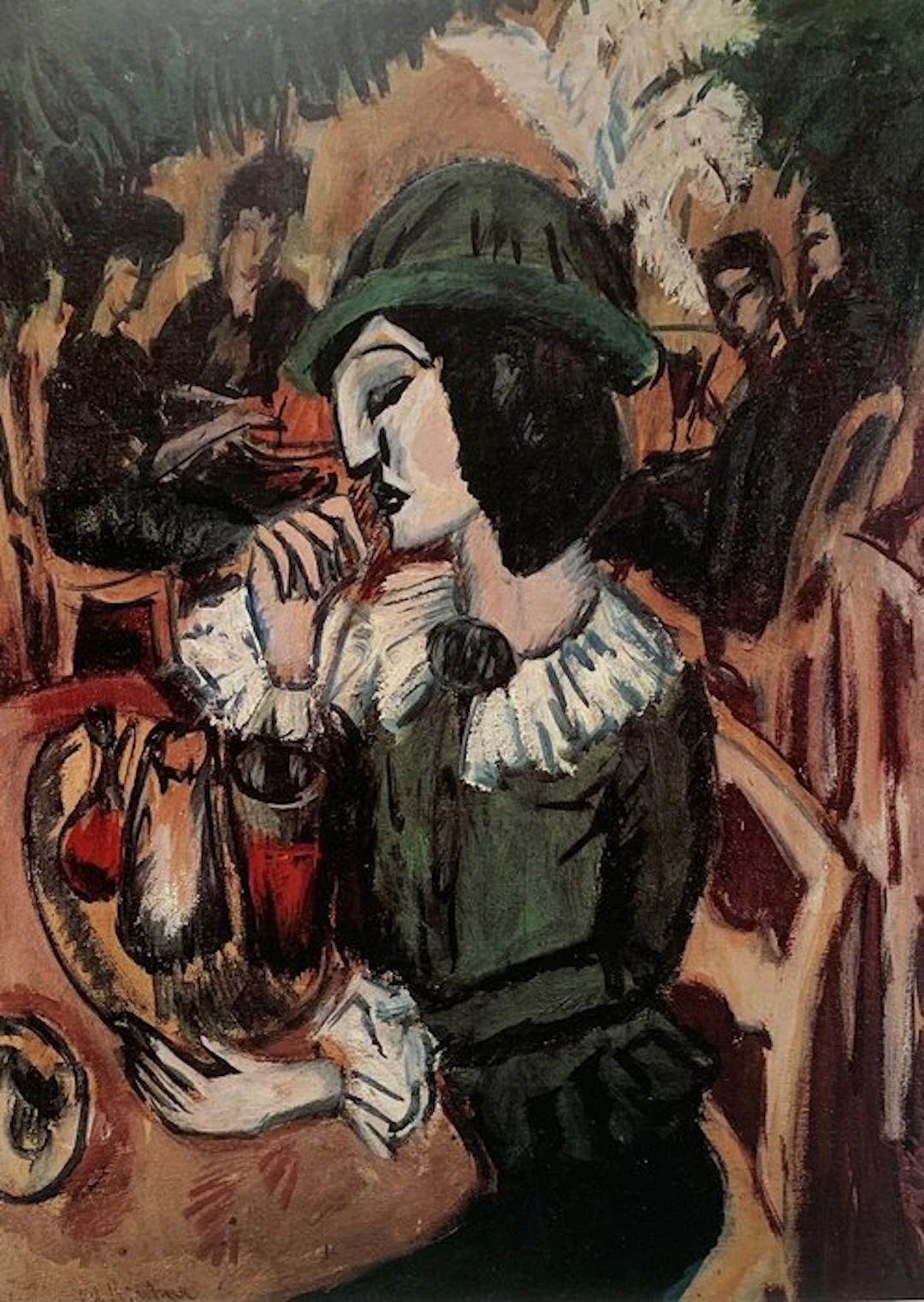
Beautiful, expressive fine art print by Ernst Ludwig Kirchner in the format 90 x 70 cm with the title Green Lady in the Garden Café (1912). The work is a high-quality print on stiff paper and in very good condition. - printed and published by Kunstverlag circa 1990-2000 - purchased directly from Kunstverlag - since then professionally, light-protected stored in a graphic archive Artist: Ernst Ludwig Kirchner Title: Green Lady in the Garden Café (1912) Art: Fine art print Technique: Print on stiff paper Originality: Reproduction Sheet size: 90 x 70 cm Condition: New Origin: Kunstverlag Era: Expressionism Nationality: German Art Ernst Ludwig Kirchner: Ernst Ludwig Kirchner, born 1880 in Aschaffenburg, Germany, and died 1938 in Davos, Switzerland, was a German painter and graphic artist and one of the leading figures of German Expressionism. Kirchner was co-founder of the artist group Die Brücke, which had a revolutionary influence on modern art in Germany. His work is characterized by an expressive visual language that combines intense colors, distorted forms, and strong emotional expressiveness. Kirchner began his studies first in architecture at the Technical University in Dresden, before turning to painting. In 1905 he founded Die Brücke together with Erich Heckel, Fritz Bleyl, and Karl Schmidt-Rottluff, one of the most influential groups of German Expressionism. Die Brücke aimed to create a new radical art that broke away from rigid academic traditions and expressed the inner feelings of the artists. The group was strongly influenced by Post-Impressionist artists such as Vincent van Gogh and Edvard Munch as well as non-European art forms. Kirchner’s early works, particularly his depictions of urban scenes and nudes, are characterized by sharp, angular lines and intense coloring that amplify the emotional and psychological depth of the subjects. In paintings such as Street Scene Berlin (1913), Kirchner presents the modern metropolis as a hectic, alienated space. The stylized figures, often rendered as long, pointed forms, appear anonymous and lonely, reflecting the isolating nature of urban life. These Berlin street scenes, among his best-known works, capture the dynamism and at the same time the emotional coldness of urban life. Kirchner was not only a painter but also an outstanding graphic artist. In particular, his woodcuts and lithographs significantly shaped German Expressionism. The woodcut technique, with its rough, sharp lines and strong contrasts, fit perfectly with Kirchner’s expressive aesthetics. His graphics, often nudes and urban scenes, convey a raw, immediate emotional power that complements the intense expression of his painting. During World War I, Kirchner volunteered for military service, but soon suffered a physical and mental breakdown, leading to a prolonged period of illness. During this time he began to engage intensely with his own psyche, which also reflected in his art. The figures in his paintings became increasingly distorted and tense, and his color palette grew darker, reflecting the psychological turbulence that tormented him at that time. After the war, Kirchner moved to Switzerland in 1917 to recover from the traumatic experiences. In Davos he found a quieter environment, which is reflected in his later landscape paintings. These works remain expressive but are less hectic and often defined by a calmer, more harmonious atmosphere. Still, the human figure remained a central theme in his work, even when it was often integrated into nature, emphasizing the harmony between humans and nature. Despite this recovery phase, Kirchner’s life continued to be marked by psychological and physical problems. In the 1930s his art was branded as "degenerate" by the National Socialists, many of his works were removed from and destroyed in German museums. This political ostracism and increasing pressure eventually led to a deep personal and artistic decline. Kirchner took his own life in 1938, but his artistic legacy has profoundly influenced modern art. His works stand for a radical engagement with the modern world and inner human experience. Particularly his depictions of urban life and his intense, often disturbing visual worlds have influenced a generation of artists. Ernst Ludwig Kirchner remains a key figure of Expressionism, whose works, through their emotional depth and innovative visual language, opened a new direction in art. His pursuit of an immediate and powerful mode of expression that reflects the inner struggles and sensibilities of the modern person makes him one of the most important artists of the 20th century. Related artists: Erich Heckel, Karl Schmidt-Rottluff, Emil Nolde, Max Pechstein, Otto Mueller, Fritz Bleyl, Wassily Kandinsky, Franz Marc, Paul Klee, August Macke, Gabriele Münter, Alexej von Jawlensky Shipping information: We roll prints onto firm solid cardboard rolls, wrap them with corrugated cardboard, and ship them in sturdy boxes with tracking numbers. About us: We have been in the art trade for over 20 years and have extensive experience in the professional handling and shipping of artworks.
Estimación:€150
Ir a la subastaVer todos los artículos deCatawikioArte, Pintura & obra gráfica
Estimación:
€150
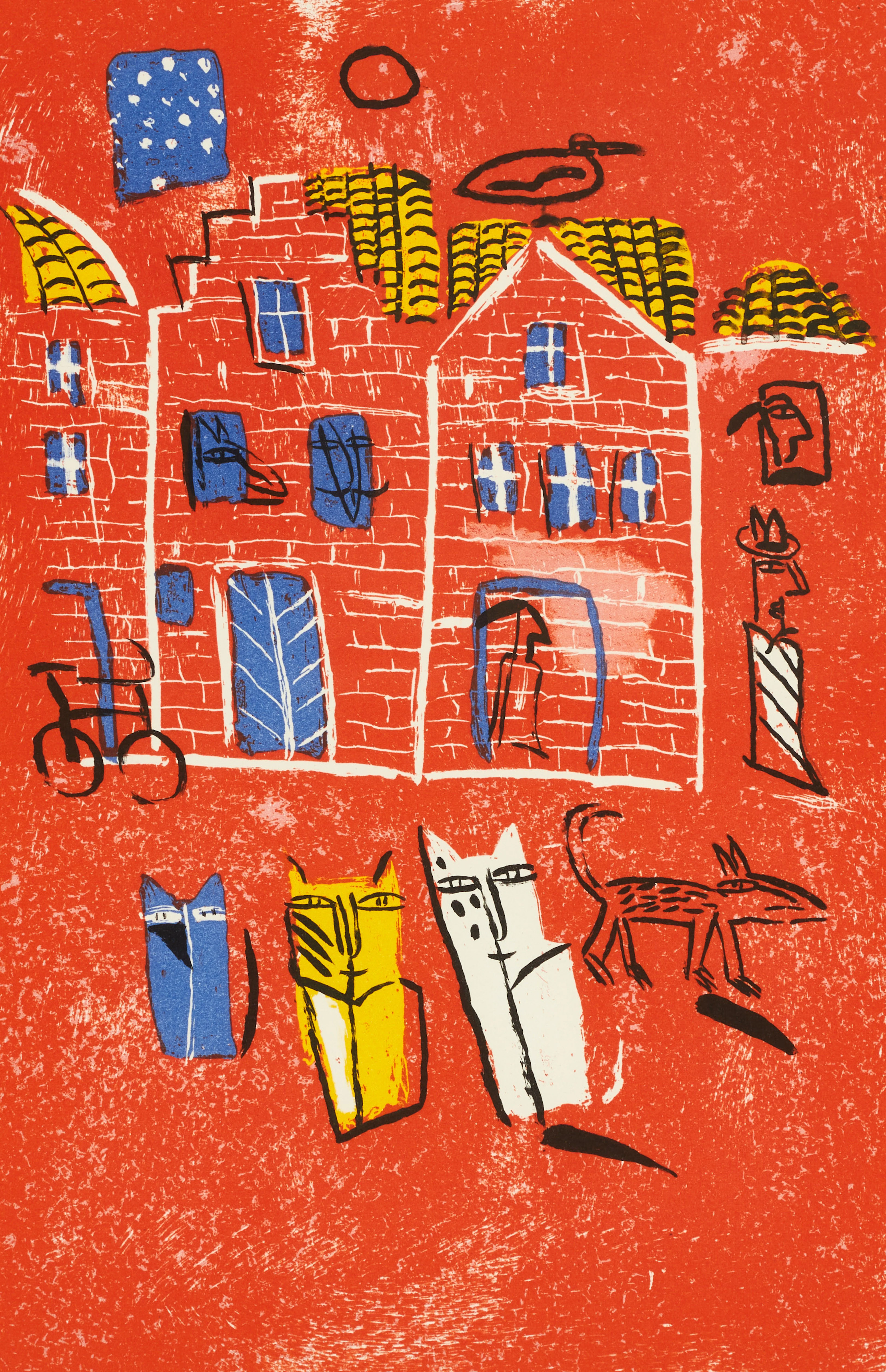
MADELEINE PYK. (f. 1934), stadskvarter med katter och fiskmås, sigerad
10/21/2026
€197.88
Est.: €134.82
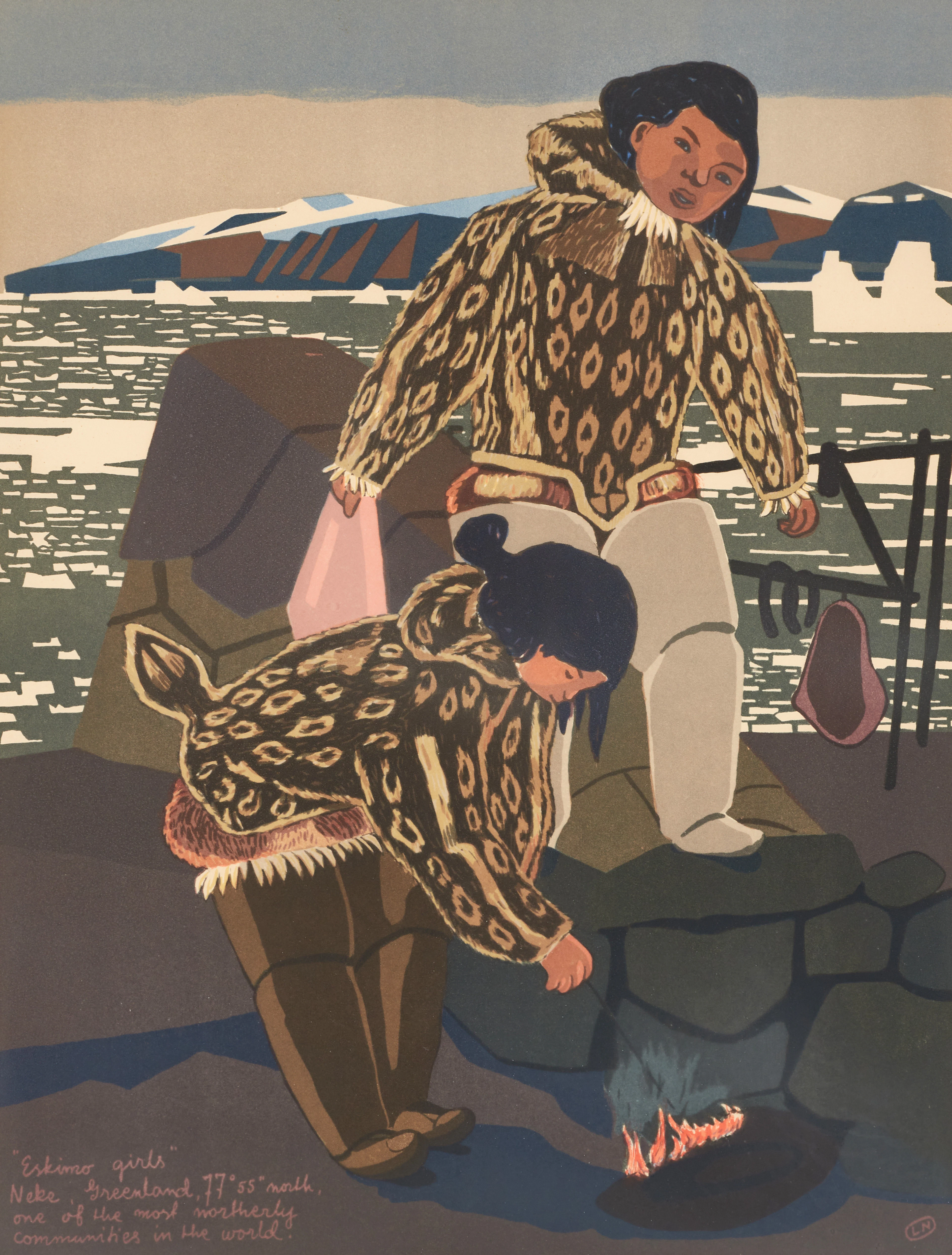
LARS NORRMAN (1915-1979), Inuiter, signerad o plåten, litografi.
10/21/2026
€31.48
Est.: €89.46
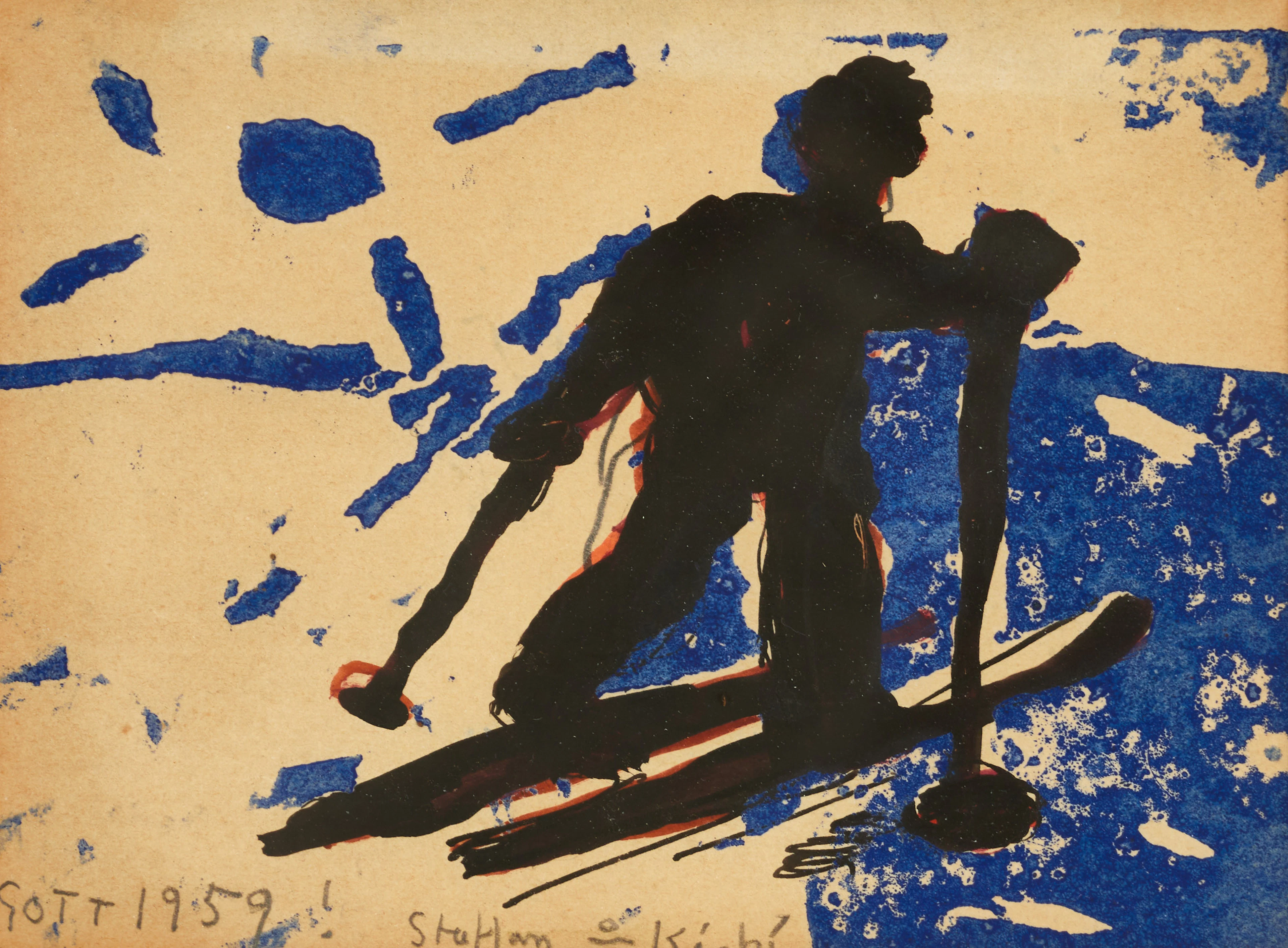
STAFFAN HALLSTRÖM. (2), Figurkompositioner, signerade, 1950-60-tal
10/21/2026
€98.94
Est.: €107.85
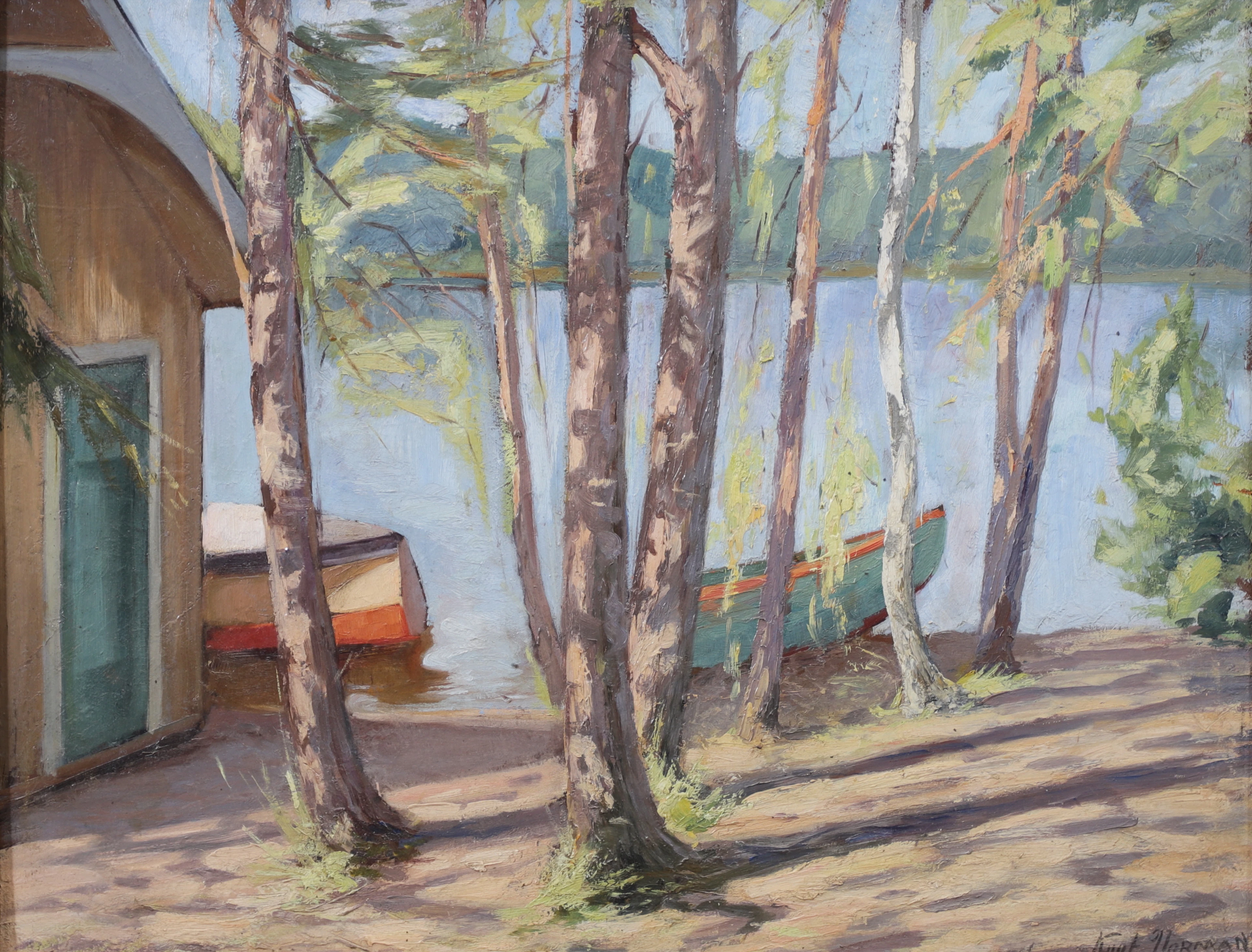
KNUT NORMAN. Båtplats vid sjö. Olja på pannå, signerad och daterad -59.
10/21/2026
€26.98
Est.: €269.64


OCT 27 | 4:00 PM
¡Lleva tu subasta a coleccionistas de todo el mundo!
Publica ahoraAl suscribirte, aceptas la política de privacidad. Cancela tu suscripción en cualquier momento.
Barnebys HQ
Brahegatan 10
BOX 5038
114 37 Stockholm
