

DEC 7 | 4:00 PM

Al suscribirte, aceptas la política de privacidad. Cancela tu suscripción en cualquier momento.
Barnebys HQ
Brahegatan 10
BOX 5038
114 37 Stockholm
Todas las subastas / Arte, Pintura & obra gráfica / Elaine STURTEVANT (1924-2014) - Lot 19
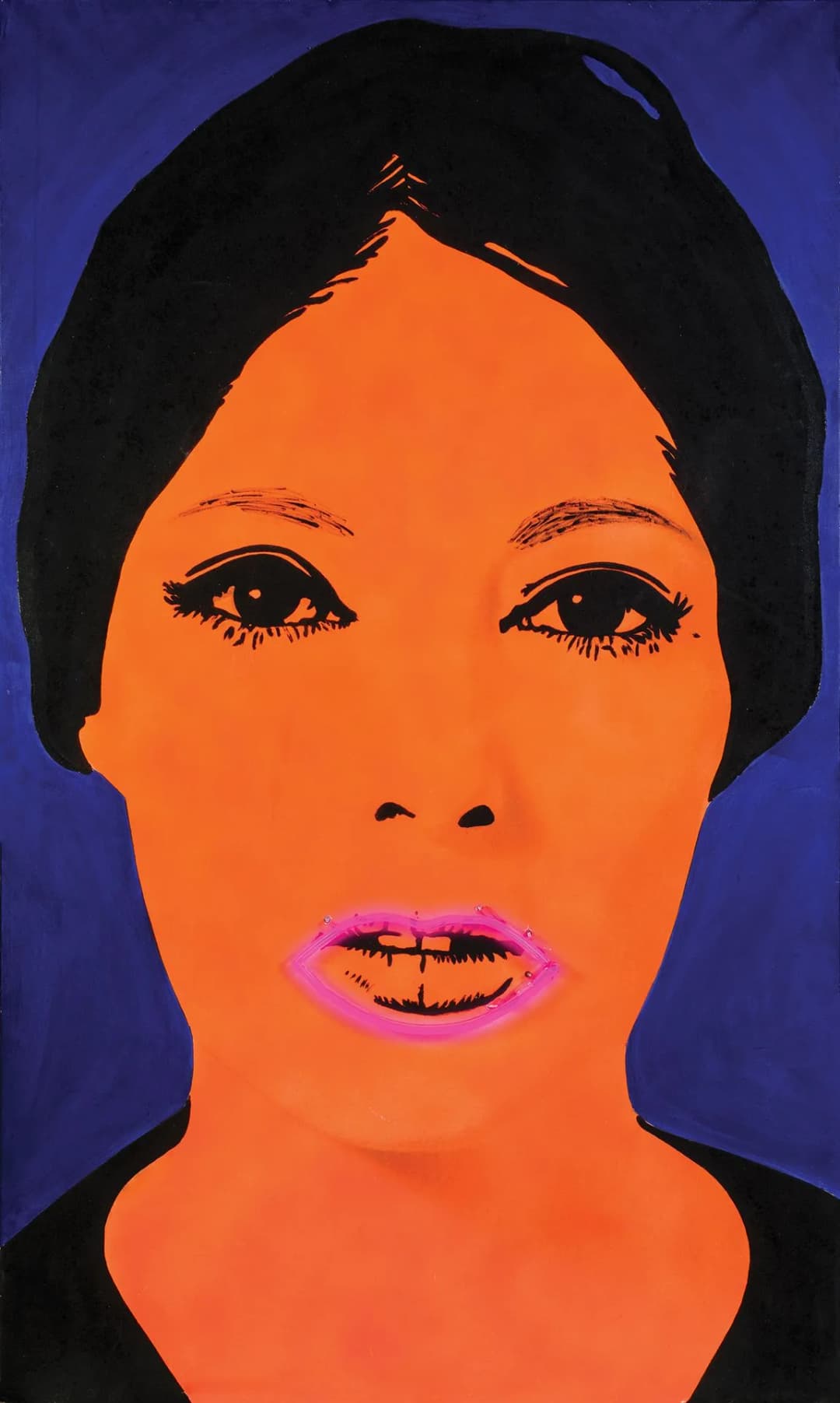
Elaine STURTEVANT (1924-2014) High Voltage Painting, 1969 Acrylic and flock mounted on canvas and neon, signed, titled and dated on back 162 x 96.5 x 10 cm This work is part of the first edition of eight. (Restorations) Provenance : - Collection Arman - Estate of Eliane Radigue Bibliography : - C. Duparc, Faites le vous-même, in Le Nouvel Observateur, Paris, March 17, 1969. - Aspects de l'art du XXe siècle, exhibition catalog, Meymac, Abbaye Saint André Centre d'Art Contemporain, 1991 (another illustrated copy p. 127). - L. Maculan, Sturtevant Catalogue raisonné 1964-2004, Painting sculpture film and video, Ostfildern-Ruit, 2004, No. 377 (illustrated in color on p. 149). Peinture à haute tension is a painting created by French artist Martial Raysse in 1965. A close-up portrait of a dark-haired woman standing out against a dark-blue background, it is executed on canvas using a photograph, fluorescent paint, flocking powder and a lit neon sign whose shape follows the outline of the subject's half-open lips. In the late 1960s, it was copied by American artist Elaine Sturtevant as part of her appropriationist approach. Elaine Sturtevant produced Raysse Peinture à haute tension just four years after the original by Martial Raysse, who began to incorporate neon lighting into his creations. Long before questions of "copy and paste" or artificial intelligence haunted the art world, Elaine Sturtevant posed a radical question: where does the essence of a work reside? As early as 1964, she began reproducing the works of her contemporaries (Warhol, Stella, Oldenburg..., then Raysse), from memory and with uncanny technical precision. Sturtevant's aim is not plagiarism, but repetition. Her aim is not to create a double, but to trigger an intellectual earthquake. By reproducing the image, she cancels it out as a unique object, revealing only the concept. She forces the viewer to look beyond the "style" to understand the very structure of the art. In her own words: "I don't make copies. I take the work out of its context to reveal its power." By appropriating Martial Raysse's codes - the mix of acrylic paint, flocking and the irruption of neon - Sturtevant takes on the icon of European Pop Art. This is a strategic choice: Raysse was already working on the idea of "hygiene of vision" and standardized beauty. By "re-enacting" Raysse in 1969, Sturtevant underlines the advertising and consumable aspect of the art of his time. Long shunned by institutions that saw her as a forger, she was finally awarded the Golden Lion at the 2011 Venice Biennale, consecrating her role as a pioneer of Appropriationism. Unlike a forger, she never hid her identity. The interest lies in the discrepancy: it's a Sturtevant, representing a Raysse. This is the technique of simulacra. His Raysse covers are historic pieces, marking the dialogue between the American and French scenes of the 60s. When people asked Andy Warhol how he produced his silkscreens, he would often reply mischievously: "I don't know, ask Elaine (Sturtevant)". The ultimate endorsement for a woman who understood Warhol's process better than anyone else. There are a total of 36 copies listed, distributed as follows: 4 series of 8 copies (i.e. 32 paintings) and 1 series of 4 copies. Chronology of editions: - The series were staggered over time, which explains the variations in dates you'll find on the market (1968, 1969 or 1970) - The first edition (1969): 8 examples were presented at its landmark exhibition at the Galerie Claude Givaudan in Paris in 1969, entitled "Sturtevant. Eight Paintings and a Prototype". - The second edition (1970): given the success (or scandal) of the first, a second series of 8 was produced and exhibited at the same gallery the following year. Unlike Raysse's "original" work (a single piece from 1965), here Sturtevant uses multiplication as a conceptual weapon. She applies Andy Warhol's industrial logic to Raysse. By producing several series of 8, she desacralizes the art object and emphasizes that what counts is the structure of the image, not its physical rarity. Elaine Sturtevant and Eliane Radigue Two paths against the current Born in Lakewood, Ohio, Elaine Sturtevant-who signed her works with her surname alone-remains one of the most radical and provocative figures in twentieth-century art. Although she began her career in the 1960s in the heart of New York's effervescence, her recognition came late, commensurate with the
Estimación:€60,000.00
To the auctionVer todos los artículos deGiquellooArte, Pintura & obra gráfica
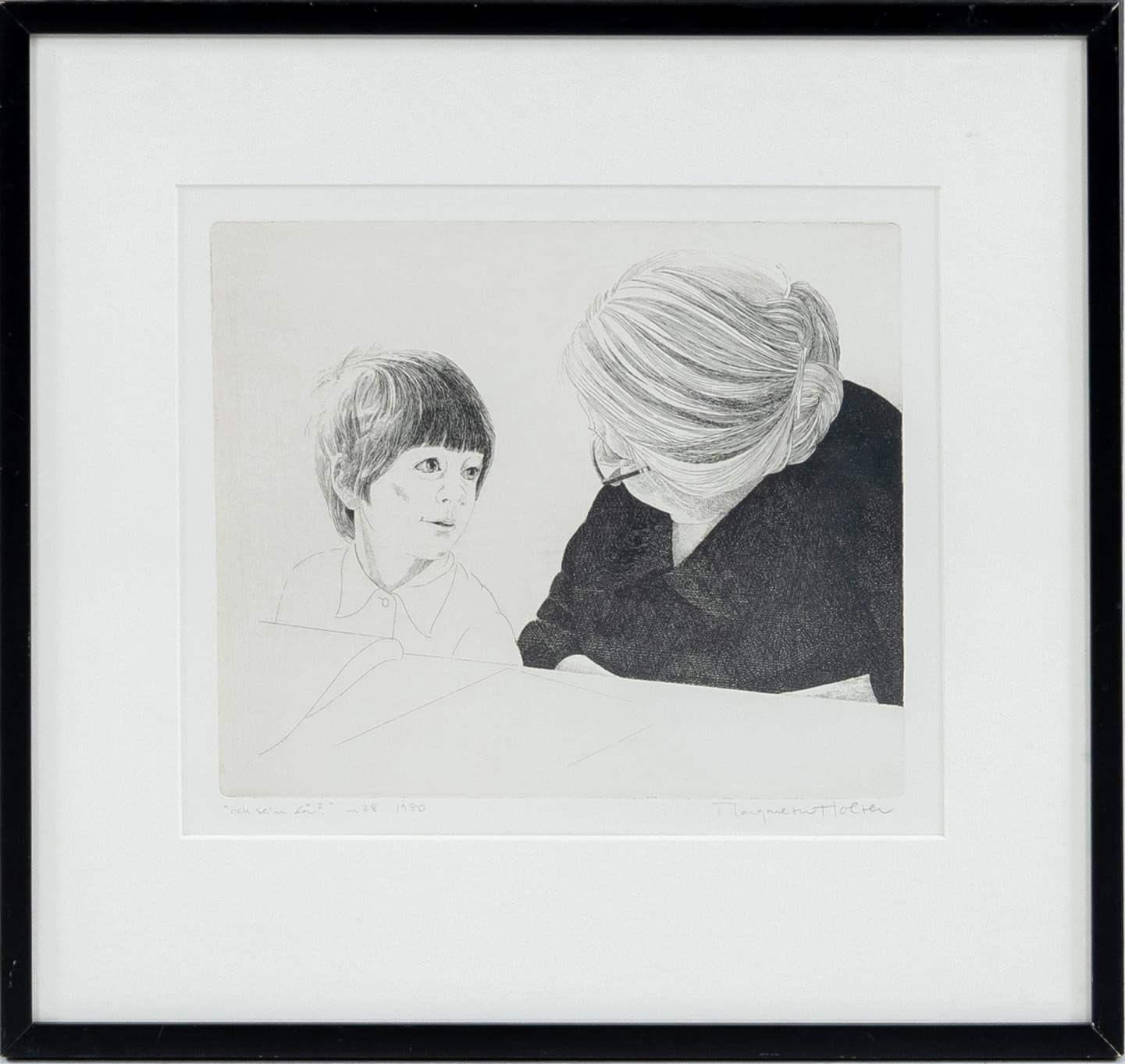
MARGARETA HOLTER (nacida en 1934), grabado, firmado, numerado 28 y fechado en 1980
09/02/2026
€46
Detalles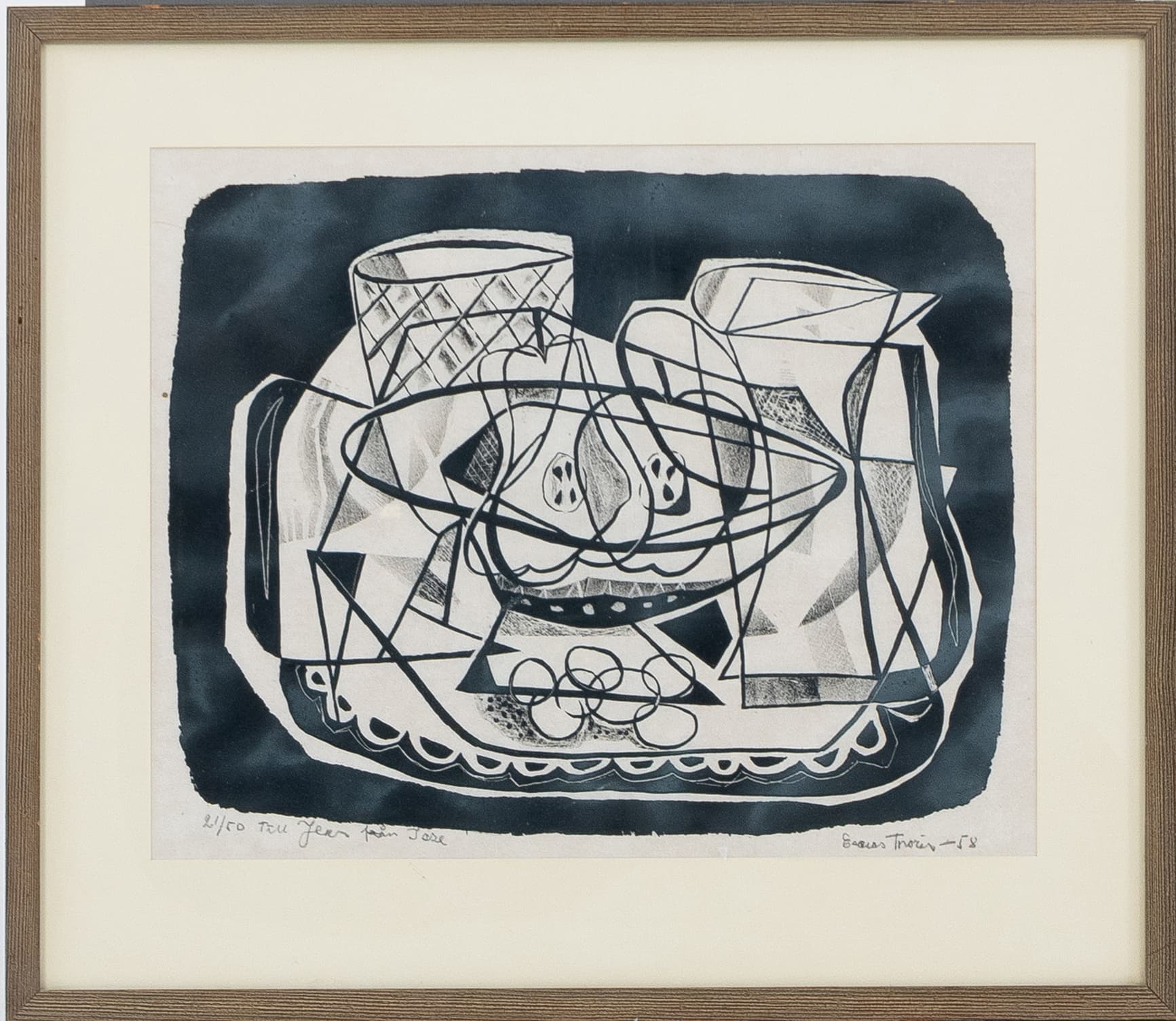
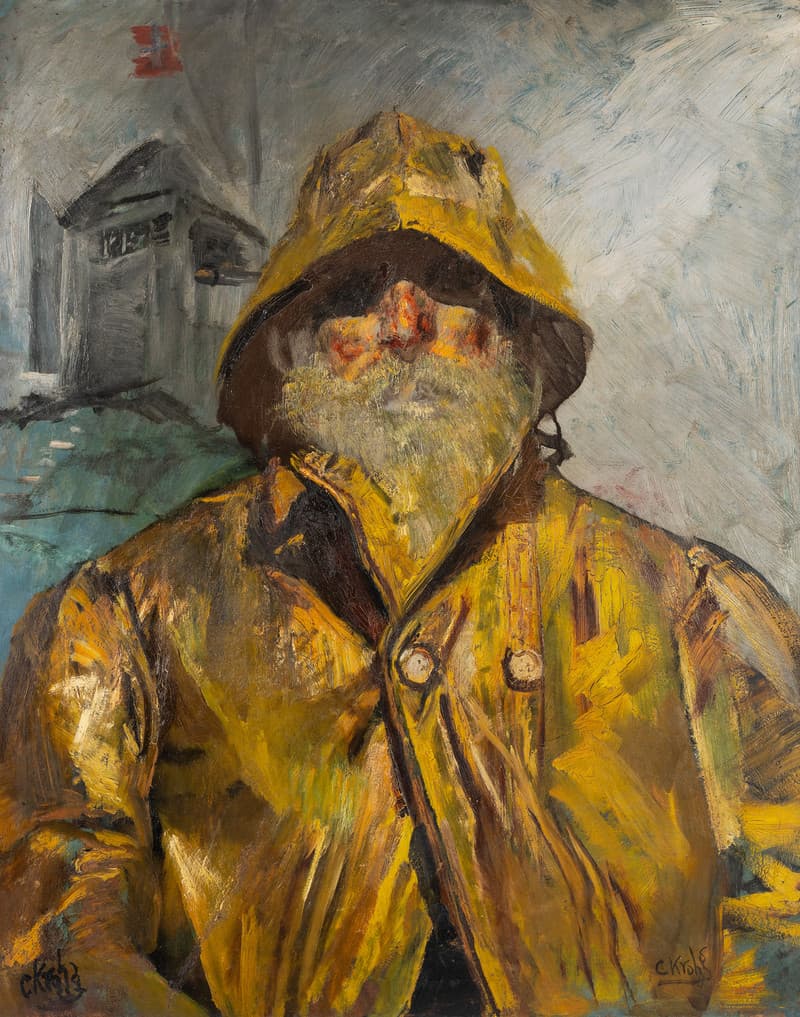
Norwegian Pilot - Krohg, Christian(1852-1925)
06/04/2026
€32,663
Est.: €13,939
Detalles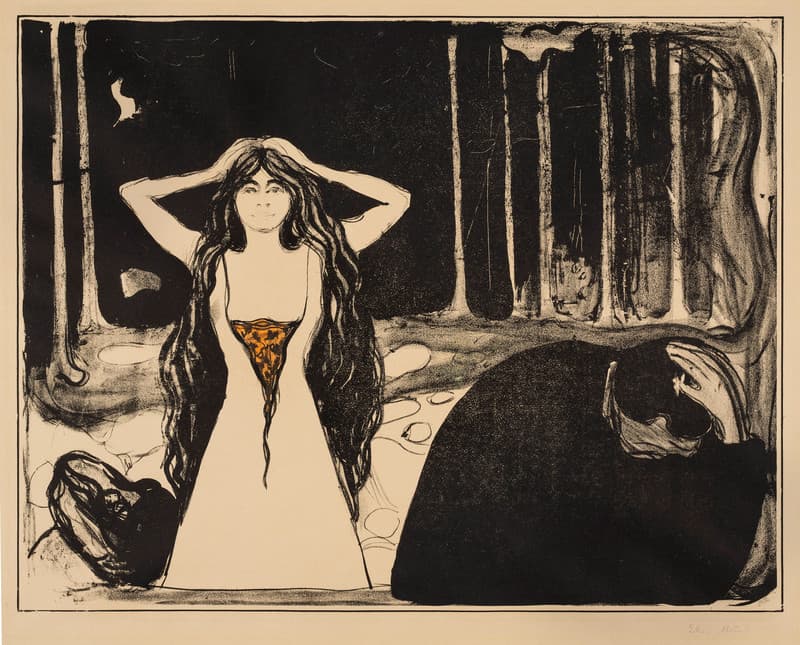
DEC 7 | 4:00 PM

JUN 2 | 4:00 PM

JUN 17 | 8:30 AM
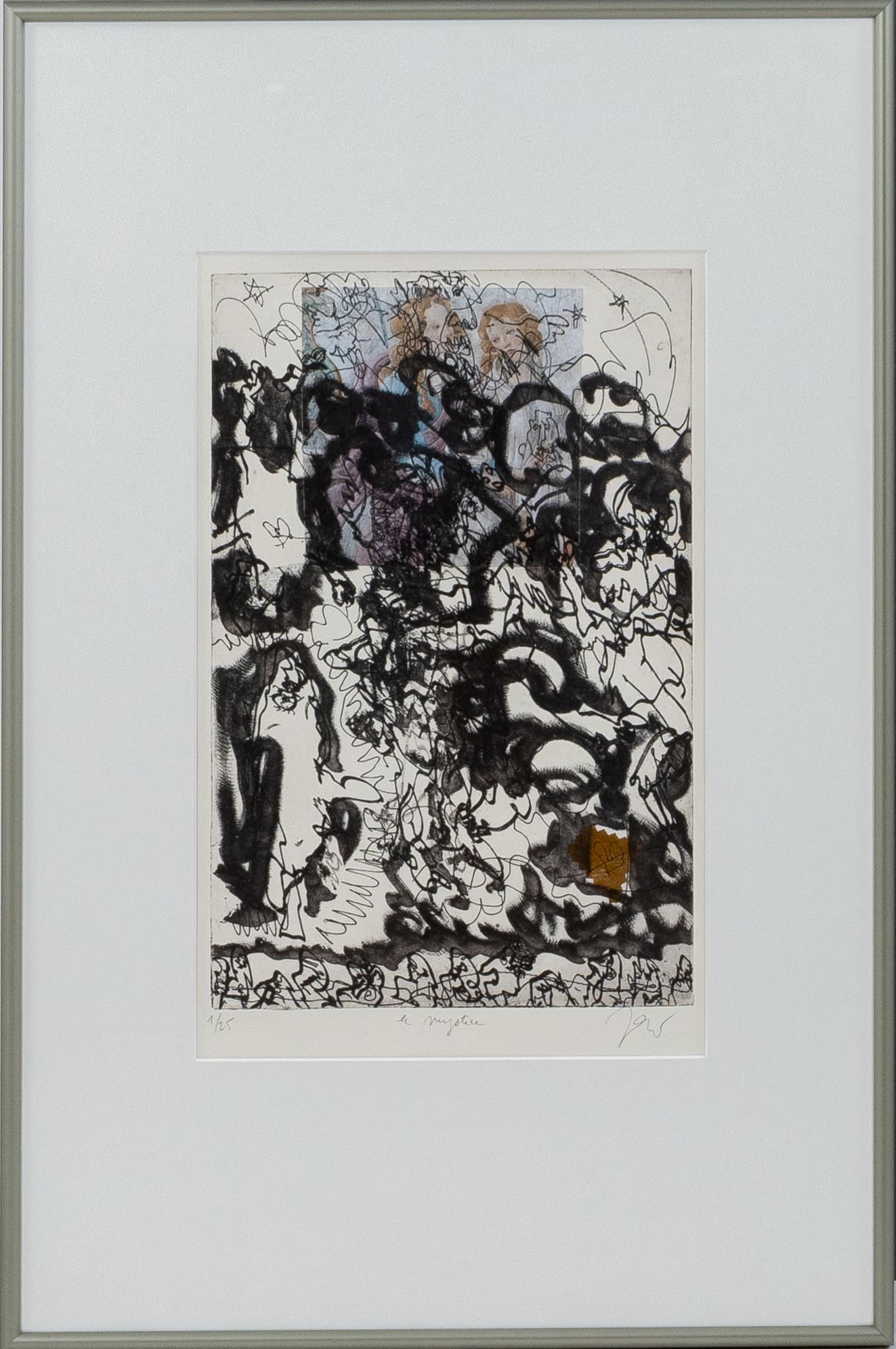
MICHAEL JOYARD (nacido ?), medios mixtos, firmado y numerado el 25/1
09/02/2026
€46
Detalles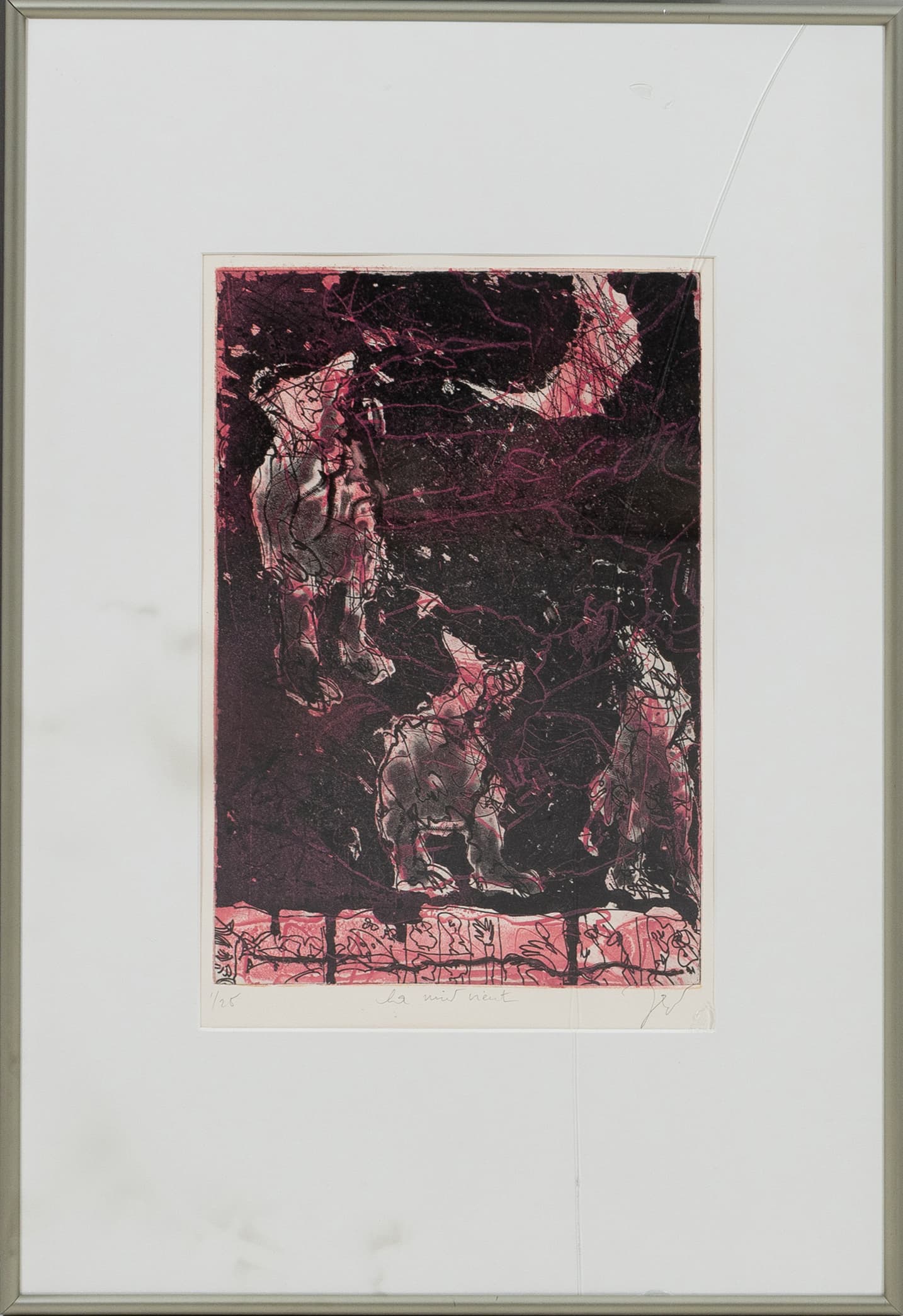
MICHAEL JOYARD (nacido ?), grabado en color, firmado y numerado 1/25
09/02/2026
€46
DetallesAshes II (1899) - Munch, Edvard(1863-1944)
06/04/2026
€294,873
Est.: €111,510
Detalles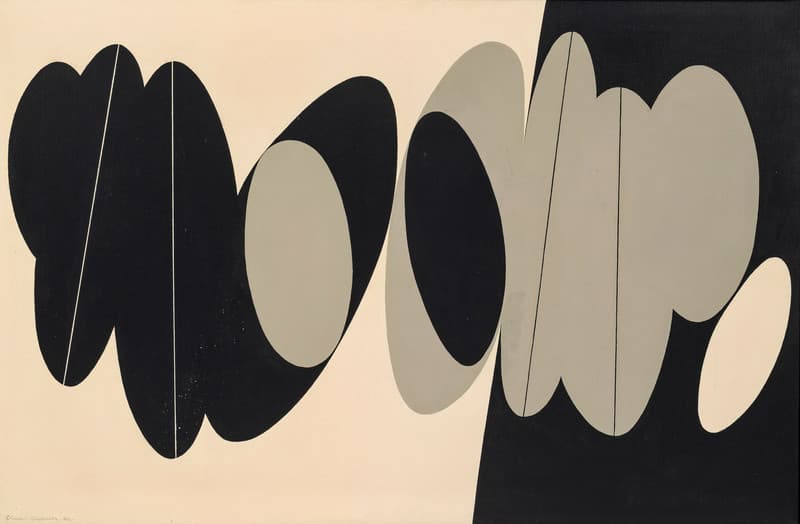
Composition 1962 - Gundersen, Gunnar S.(1921-1983)
06/04/2026
€20,868
Est.: €18,585
Detalles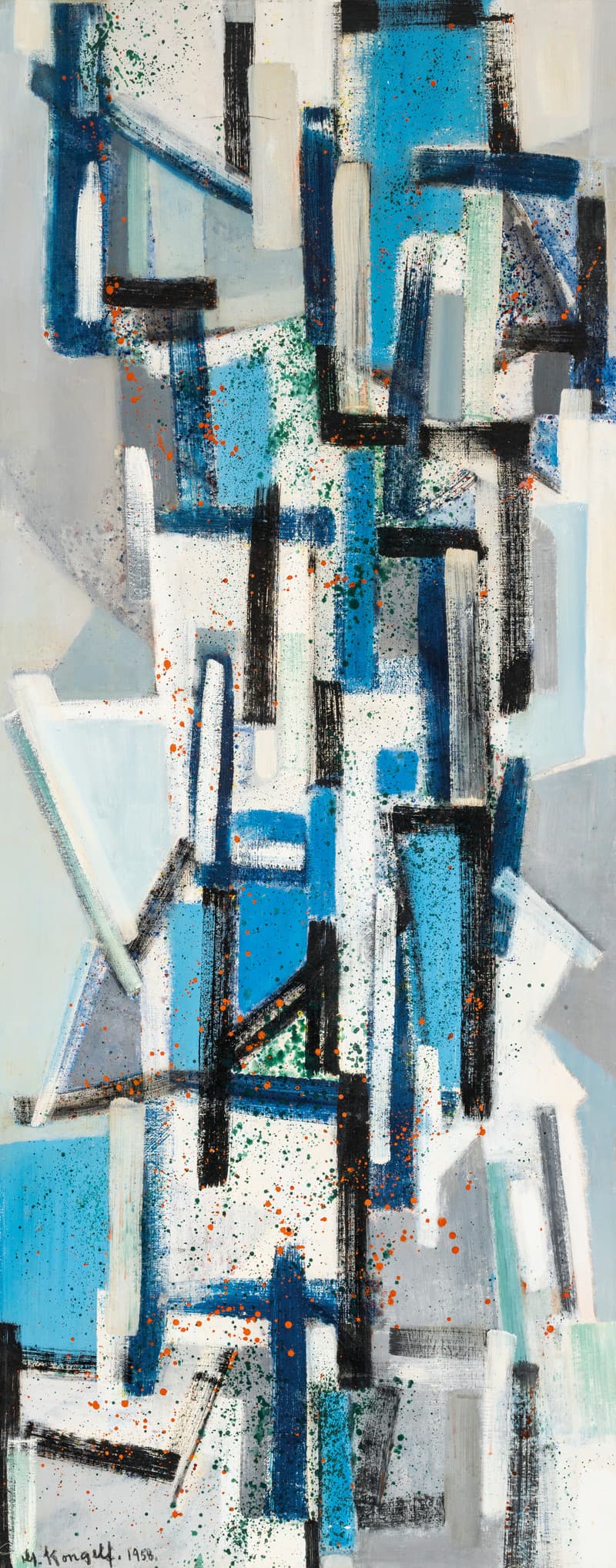
Composition 1958 - Kongelf, Gudrun(1909-1987)
06/04/2026
€19,053
Est.: €11,151
Detalles