




Todas las subastas / Arte, Pintura & obra gráfica / Consalvo Carelli (1818-1900) - Mattino sulla spiaggia di Chiatamone

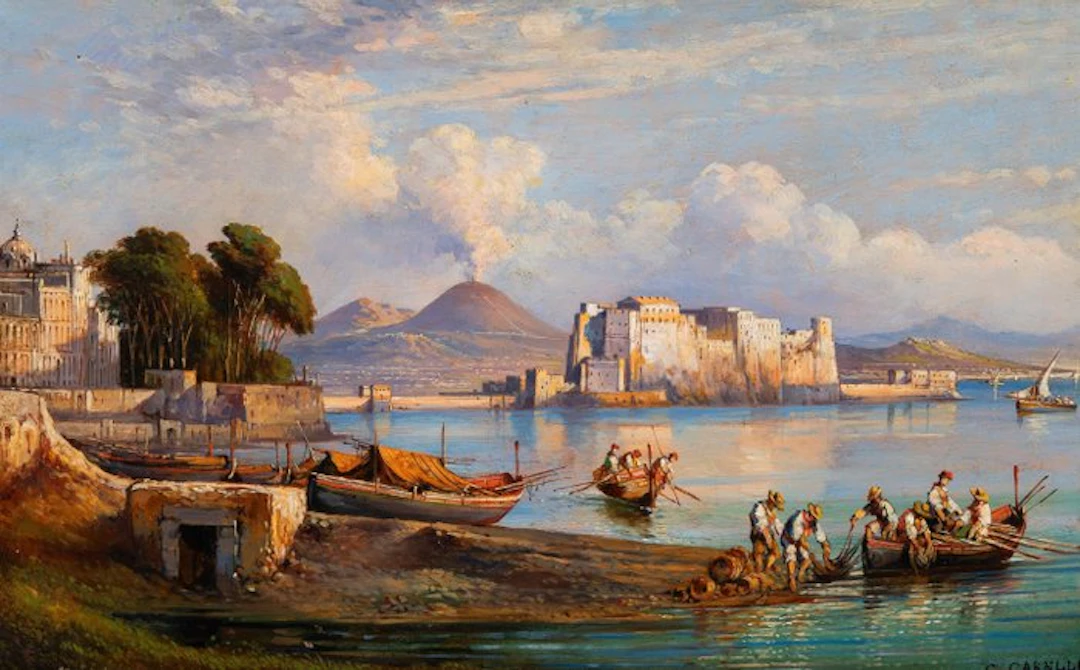
The frame visible in the photo is included as a courtesy and does not constitute an integral part of the artwork. Any damage to the frame will not be considered a valid reason for complaints or order cancellations. TECHNICAL DATA SHEET Author: Consalvo Carelli (Naples, 1818 – Naples, 1900) Title: Morning on the Beach of Chiatamone: Luciani Fishermen between Castel dell’Ovo, Mount Vesuvius and the Royal Casino Dating: circa 1845 – 1850 Technique and support: Oil on panel Panel dimensions: 25 × 40 cm Framed dimensions (contemporary frame): 31 × 46 cm Inscriptions: Signed at the lower right “C. Carelli” Provenance and historical marks: On the back, original embossed stamp and label of the art establishment “G. Sommer & Figlio – Napoli, Largo Vittoria (Palazzo Sommer)” Collection: Private collection State of conservation: Excellent condition of the painted surface and the wooden support CATALOGUE ENTRY (EN) Artist: Consalvo Carelli (Naples, 1818 – Naples, 1900) Title: Morning on the Shore of Chiatamone: Luciani Fishermen before Castel dell’Ovo, Mount Vesuvius, and the Royal Casino Date: circa 1845–1850 Medium and Support: Oil on panel Panel dimensions: 25 × 40 cm (9.8 × 15.7 in) Framed dimensions: 31 × 46 cm (12.2 × 18.1 in), in a contemporary period frame Inscriptions: Signed lower right «C. Carelli» Provenance and Historical Marks: Reverse bearing the original embossed label and stamp of the historic art firm «G. Sommer & Figlio – Napoli, Largo Vittoria (Palazzo Sommer)» Collection: Private collection Condition: Excellent state of conservation of both the pictorial film and the wooden panel VALORE AGGIUNTO ESCLUSIVO INCLUSO NEL LOTTO The work is sold with a prestigious and unique set of study materials and documentation: 1. Monographic Study of the artwork: a historical-critical dossier dedicated to the painting, complete with bibliography, archival sources, and comparative evidence with a similar work that sold on the international market by Christie’s London for 17,200 euros. 2. Immersive project “Paintings to be Heard” (audio file and QR code): Rue Aurea presents “Paintings to be Heard,” the exclusive sound format that accompanies the traditional scientific, historical, and biographical art research. If, in monographic studies, we analyze works with scientific and philological rigor, in this space art becomes pure listening. The paintings come to life through original monologues, written inspired by the subject, atmosphere, and the deep soul of the painting, performed by professional actors to give voice to the characters, places, and silences of the scene. No technical explanations, but an intimate, poetic, and emotional journey through memory, narrative, and identity: inside every painting there is a voice waiting to be heard. Inside the monographic study, the original script (in Neapolitan dialect) is exclusively preserved. By scanning the QR code affixed to the back of the frame or the one printed in the monograph, or via the dedicated audio file that will be sent directly to the buyer, the narration will come to life: “Ogni jurnata parte uguale. ’A rena è sempre fredda ’e matina...” (The complete listening and the full script remain an intimate and exclusive experience reserved for the auction winner). EXCLUSIVE COLLECTOR'S ASSET INCLUDED WITH THE LOT (EN) The painting is accompanied by a unique, museum-grade documentary and literary corpus: 1. Monographic Study of the Artwork: a comprehensive historical-critical dossier dedicated to the panel, featuring archival sources, bibliography, and comparative analysis with the counterpart work sold at Christie’s London for 17,200 euros. 2. Immersive Project “Paintings to be Heard” (Audio file and QR code): Rue Aurea presents “Paintings to be Heard,” an exclusive immersive sound format accompanying our traditional scientific, historical, and biographical art research. While our monographic studies analyze artworks with rigorous scholarship, here art becomes pure listening. Paintings come alive through original monologues inspired by the subject, atmosphere, and inner soul of the scene, performed by professional actors to give voice to the figures, settings, and silent spaces of the canvas. No technical lectures, but an intimate, emotional, and poetic journey through memory, narrative, and identity: inside every painting, there is a voice waiting to be heard. The monographic study exclusively preserves the original script (in Neapolitan dialect, accompanied by a complete English translation). By scanning the QR code affixed to the reverse of the frame, the one printed inside the monograph, or via the dedicated audio file sent directly to the buyer, the narration comes to life: «Every day begins the same. The sand is always cold at dawn...» (The complete audio recording and full script remain an exclusive privilege reserved for the winning bidder). ARTWORK DESCRIPTION (EN) Executed between 1845 and 1850, in the period of Consalvo Carelli’s full expressive maturity, this splendid panel stands as a historical and artistic document of exceptional significance from Bourbon Naples, preceding the sweeping urban transformations of the late nineteenth-century Risorgimento. THE ARTIST AND THE HISTORICAL CONTEXT Consalvo Carelli (1818–1900), among the leading figures of the famous Posillipo School, renewed Neapolitan vedutismo by combining en plein air painting with a refined European sensibility. Trained by his father Raffaele and the Scottish watercolourist William Leitch, he received commissions from the Bourbons at a very young age before achieving international prominence: gold medal at the Paris Salon of 1842, commissions from King Louis-Philippe of Orléans, and prestigious commissions for Tsar Nicholas I of Russia (whose works are now housed in the Hermitage Museum in Saint Petersburg). He actively participated in the Risorgimento and was the drawing master to Queen Margherita of Savoy. THE PLACES OF THE PAINTING: A LOST NAPLES The work captures the ancient sandy beach of Chiatamone, animated in the foreground by the daily labor of Luciani fishermen hauling nets. In the center stands the imposing silhouette of Castel dell’Ovo, still isolated on the waves and connected to the mainland only by a stone causeway (before the creation of today’s Borgo Marinaro). In the background, Mount Vesuvius dominates with its characteristic effusive activity. To the left, the famous Casino Reale of Chiatamone, a Bourbon coastal residence that hosted Giacomo Casanova and which in 1860 Giuseppe Garibaldi granted to Alexandre Dumas the Elder for the editorial work of the newspaper “L’Indipendente.” The building was later demolished to make way for the modern seafront promenade; the panel thus represents a precious historical and visual terminus ante quem of this lost architectural heritage. PICTORIAL QUALITY AND STATE OF CONSERVATION The panel fully embodies the principle of the “true idealized” (vero idealizzato) championed by Carelli: a painting that ennobles the natural data through a perfect classical compositional balance. The pictorial layer is in an extraordinary state of conservation, thanks to the artist’s rigorous technique, which rejected bitumens and unstable additives in favor of purer oil binders, ensuring luminosity and transparency of the waters that remains intact after nearly two centuries. HISTORICAL PROVENANCE AND AUCTION COMPARISON (CHRISTIE'S LONDON) On the back of the panel is the rare and prestigious original embossed stamp of the art studio “G. Sommer & Figlio – Napoli, Largo Vittoria (Palazzo Sommer),” a celebrated atelier and a reference point for international Grand Tour collecting. As further evidence of its collectible importance, the work has a direct comparison with Carelli’s related panel “Naples with the Vesuvius” (25.8 x 42.5 cm), sold at Christie’s London for 17,200 euros. Compared to the Christie’s version, the painting offered here features an even richer and more complex composition, animated by the remarkable narrative presence of the fishermen in the foreground. NOTE ON THE DOCUMENTATION INCLUDED Please note that the images and pages reproduced in the lot’s photo gallery represent only a partial and exemplary selection for illustrative purposes. The buyer will receive, together with the painting, the entire substantial historical-documentary corpus in its full material integrity: the complete Monographic Study dossier, including all historical-critical chapters, the complete archival bibliography, the plates, and access to the dedicated sound project. ARTWORK DESCRIPTION (EN) Executed between 1845 and 1850, during the period of Consalvo Carelli’s full expressive maturity, this splendid panel stands as a historical and artistic document of exceptional significance from Bourbon-era Naples, predating the sweeping urban transformations of the late-nineteenth-century Risorgimento. THE ARTIST AND THE HISTORICAL CONTEXT Consalvo Carelli (1818–1900), among the leading figures of the celebrated Posillipo School, revitalised Neapolitan veduta painting by combining open-air observation (en plein air) with a refined European sensibility. Trained by his father Raffaele and the Scottish watercolourist William Leitch, he earned commissions from the Bourbon court from a very young age before establishing his international reputation: a gold medal at the Paris Salon of 1842, commissions for King Louis-Philippe of Orléans, and prestigious works for Tsar Nicholas I of Russia (whose paintings are preserved today in the State Hermitage Museum in Saint Petersburg). He actively participated in the Italian Risorgimento and served as drawing master to Queen Margherita of Savoy. THE SETTING: TRACES OF A LOST NAPLES The painting captures the historic sandy beach of Chiatamone, enlivened in the foreground by the daily labour of the local Luciani fishermen hauling their nets. At the centre stands the imposing silhouette of Castel dell’Ovo, still isolated upon the waves and connected to the mainland solely by a stone causeway (prior to the creation of today’s Borgo Marinaro). In the background, Mount Vesuvius rises with its characteristic effusive plume. To the left stands the renowned Casino Reale of Chiatamone, a Bourbon coastal residence that hosted Giacomo Casanova and which, in 1860, Giuseppe Garibaldi granted to Alexandre Dumas the elder as the headquarters for the newspaper “L’Indipendente.” The building was subsequently demolished to make way for the modern seafront promenade; this panel therefore represents a rare and precious historical and visual terminus ante quem of this lost architectural heritage. PICTORIAL QUALITY AND STATE OF CONSERVATION The panel fully embodies the principle of the “idealised truth” (vero idealizzato) championed by Carelli: an art that ennobles nature through a classical compositional balance. The paint surface is in an extraordinary state of conservation, thanks to the artist's rigorous technique of rejecting bitumens and unstable drying agents in favour of exceptionally pure oil binders, preserving the luminosity and transparent reflections of the water across nearly two centuries. HISTORICAL PROVENANCE AND AUCTION COMPARISON (CHRISTIE'S LONDON) The reverse of the panel bears the rare and prestigious original embossed stamp of the art establishment “G. Sommer & Figlio – Napoli, Largo Vittoria (Palazzo Sommer),” a celebrated atelier and landmark meeting point for international Grand Tour collectors. Further underscoring its market significance, the work finds direct comparison with Carelli’s closely related panel “Naples with Vesuvius” (25.8 x 42.5 cm), sold at Christie’s London for 17,200 euros. Compared to the Christie’s counterpart, the painting offered here presents an even richer and more complex composition, animated by the remarkable narrative presence of the fishermen in the foreground. NOTE ON THE ACCOMPANYING DOCUMENTATION Please note that the images and pages displayed in the lot's photo gallery represent only a partial selection for illustrative purposes. The winning bidder will receive the complete, unabridged historical and documentary corpus alongside the painting: the full Monographic Study dossier, including all historical-critical chapters, comprehensive archival bibliography, comparative plates, and access to the dedicated sound project. SHIPPING AND PACKAGING Packaging will be handled with the utmost care to preserve the integrity and value of the artwork. Shipping will be carried out via express courier, tracked and insured.
Estimación:€5,000
Ir a la subastaVer todos los artículos deCatawikioArte, Pintura & obra gráfica
Estimación:
€5,000
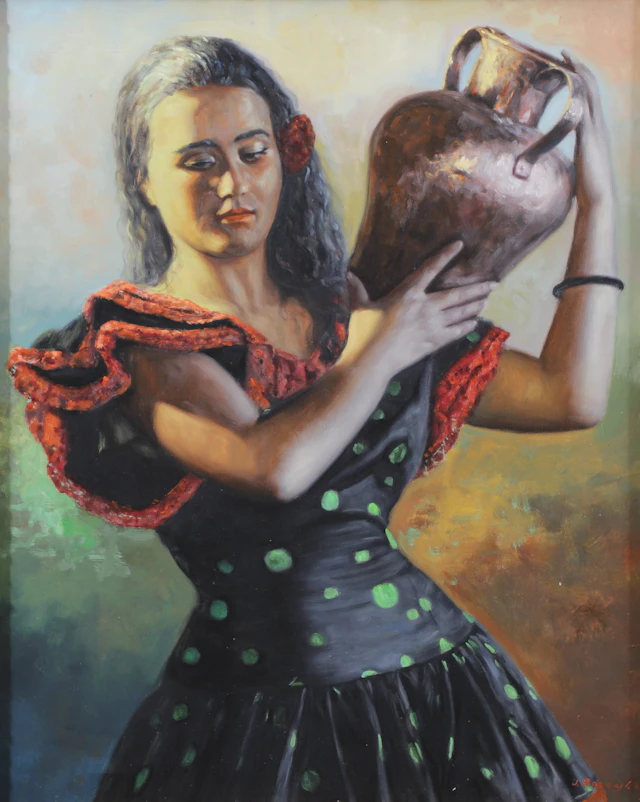
JUAN BAIXAS. Kvinnoporträtt. Olja på duk, signerad och daterad 65.
10/22/2026
€26.96
Est.: €89.58
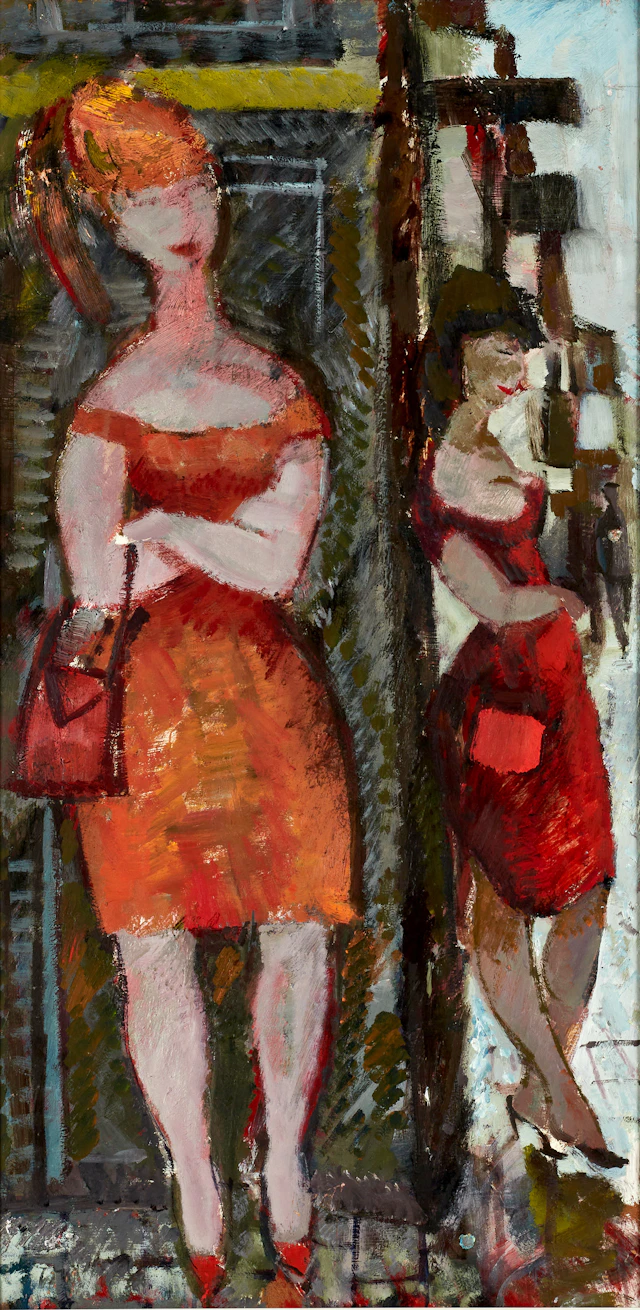
BERTIL WAHLBERG (1923-1980). Kvinnor i rött, osignerad, olja på pannå.
10/22/2026
€278.8
Est.: €89.88
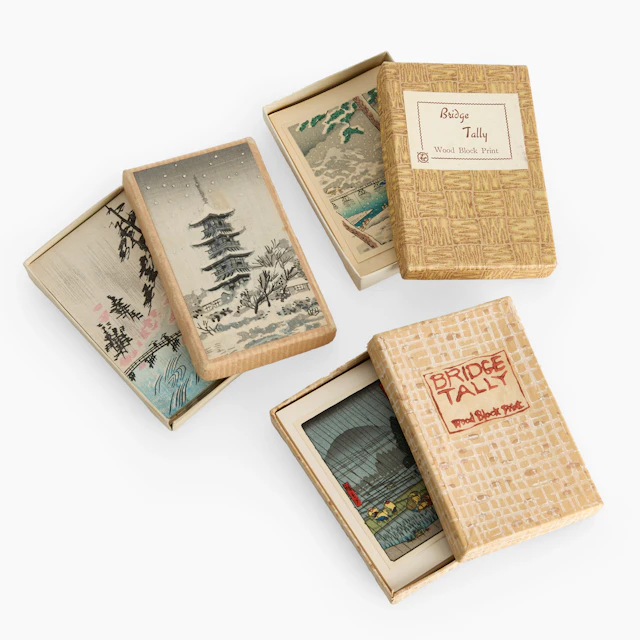
MINIATYRTRÄSNITT, Japan, 27 st, Hiroshige, Koitsu, Kotozuka.
10/22/2026
€80.35
Est.: €89.99

OCT 27 | 4:00 PM
¡Lleva tu subasta a coleccionistas de todo el mundo!
Publica ahoraAl suscribirte, aceptas la política de privacidad. Cancela tu suscripción en cualquier momento.
Barnebys HQ
Brahegatan 10
BOX 5038
114 37 Stockholm
