



Todas las subastas / Libros, mapas, papel & manuscritos / Benjamin Bell - Samenstel van heelkunde

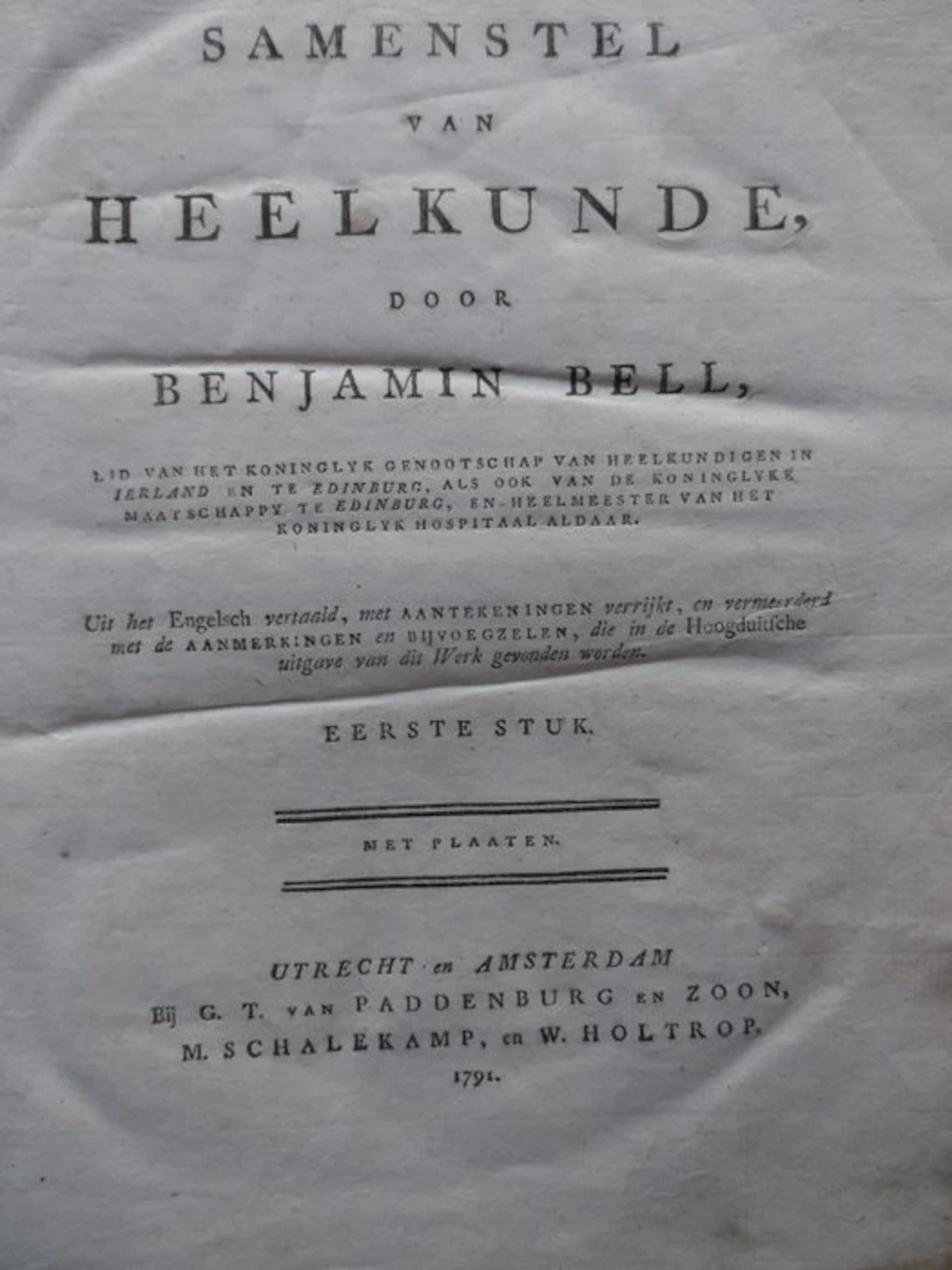
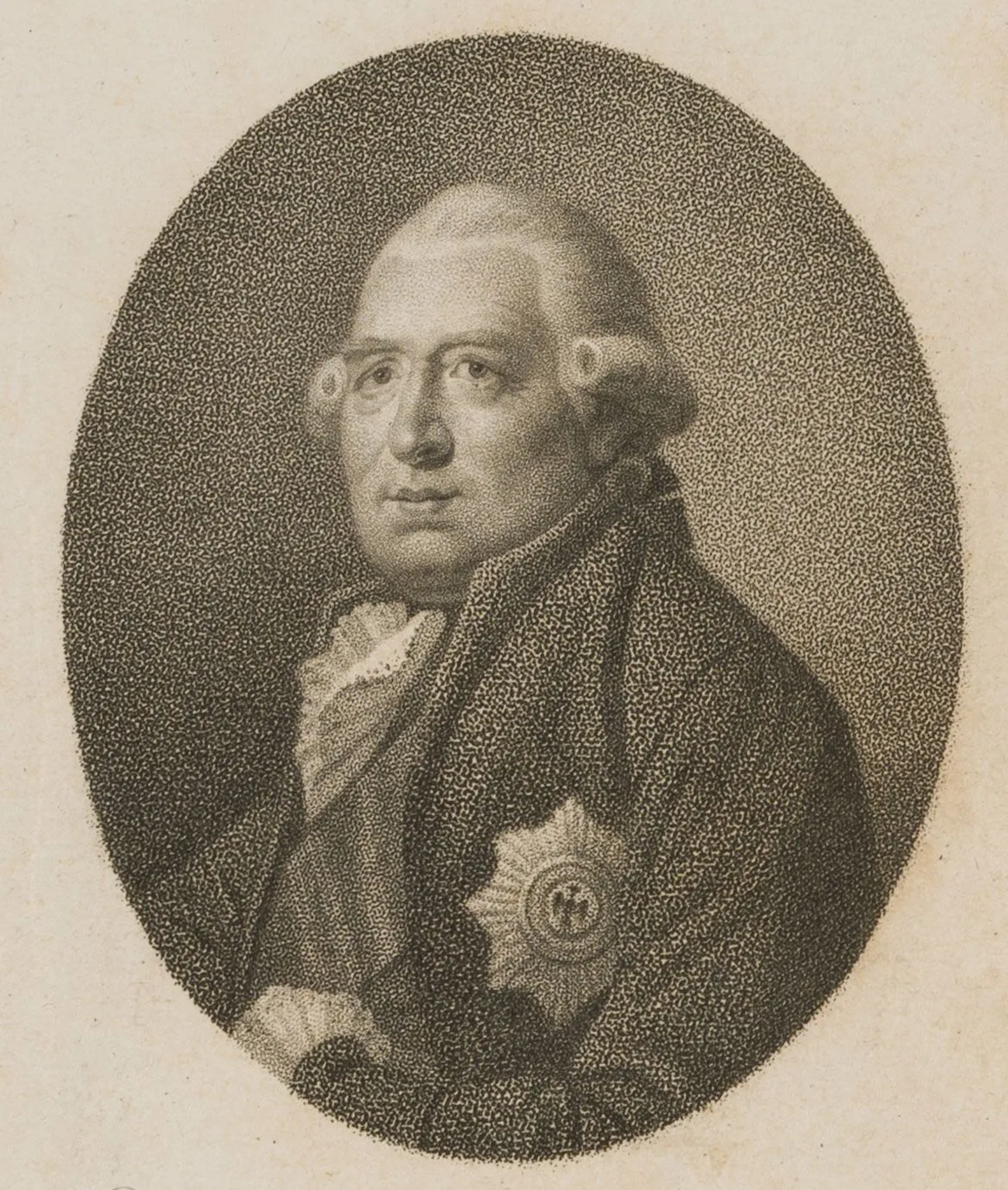
Benjamin Bell: A Treatise on Surgery, translated from English, enriched with notes, and enlarged with the Remarks and Additions found in the High German edition of this Work. Part first. With plates. Utrecht and Amsterdam, by G.T. van Paddenburg and son, M. Schalekamp, and W. Holtrop. 1791. Large 4to: (2,VIII, VIII=VI)384(32,6)p. with the 11 fold-out plates. With 3 title-pages. Original half-leather. The binding is worn at the edges, corners and spine. Paper with a few faint old damp spots. See further the photographs. ** About Part 1 consisting of 3 sections, each with a title-page. Benjamin Bell of Hunthill FRSE FRCSEd (6 September 1749 – 5 April 1806) is regarded as the first Scottish scientific surgeon. He is often described as the father of the Edinburgh school of surgery, or the first of the scientific surgeons of Edinburgh. He published important medical works, most notably his surgical textbook A System of Surgery, which became a bestseller throughout Europe and America. His treatise on venereal diseases was one of the first works to suggest that syphilis and gonorrhea were different diseases, a hypothesis that was not accepted by mainstream medicine for many decades. Bell’s main contribution to surgical practice was his maxim ‘save the skin,’ which led to better wound healing in operations such as mastectomy and limb amputation. He was also an early advocate of routine analgesia during operations. Life Early life Benjamin Bell was born in Dumfries on 6 September 1749, as the eldest surviving child in a family of fifteen. His father, George Bell (1722-1813), had a farm at Woodhouselees, about a mile and a half south of the village of Canonbie in Dumfriesshire. In addition to farming, George Bell was involved in a range of business ventures with varying success. This modest background would later prove important for Benjamin, allowing him to visit surgeons in London and Paris and to free time from his surgical practice to write an important treatise. The family farming tradition resurfaced toward the end of his life. They owned Blackett House in Middlebie Parish (Dumfriesshire), which was later sold to help finance the family’s education. Benjamin followed his early education at Dumfries Grammar School. Surgical training He apprenticed with James Hill (1703-1776), a surgeon in Dumfries, before moving to Edinburgh in 1766 to study medicine at the University of Edinburgh under some of the most inspiring medical teachers of the time, including Alexander Monro secundus (1733-1817), the anatomist, Joseph Black (1728-1799), the chemist, and John Hope (1725-1786), the botanist. In November 1767 he was appointed as a wound-doctor in the surgical departments of the Edinburgh Royal Infirmary, and two years later as a surgical assistant. He visited London and Paris and wrote to his father that if he had wanted to pursue a career as a physician, he would have liked to remain in Edinburgh, “but for a surgeon Edinburgh, I assure you, cannot at all compare with Paris or London, and therefore Dr. Monro and all others with whom I have discussed this subject here very much approve the plan [the visit to Paris].” In 1770, after passing the required examinations, he was chosen as free surgeon-apothecary of the Corporation of Surgeons of Edinburgh, later the Royal College of Surgeons of Edinburgh. In 1772 Bell was in London, from which he wrote a letter to Dr. Cullen thanking him for his introduction letter to John Hunter (1728-1793), whom he described as “the most agreeable and at the same time the most useful acquaintance I have ever met.” He also visited and observed the London surgeon Percivall Pott (1714-1788), to whom he would later dedicate his treatise on ulcers. Bell’s interest in science is evident from his description of a lecture he attended at the Royal Society, given by Joseph Priestley. Priestley’s suggestion that atmospheric air contained fixed air (carbon dioxide) and dephlogisticated air (oxygen) clearly impressed Bell, who noted from the lecture that “air can spoil by one or more animals inhaling it in an enclosed space and becoming unfit for life.” Practice After returning to Edinburgh he established himself as a surgeon and, within a year, at the age of twenty-four, was elected one of the four permanent surgeons of the Royal Infirmary of Edinburgh. Surgeons there worked in a rotating system, and Bell managed to remain connected with the hospital as a surgeon for eighteen years, an unusually long tenure. This may have been due to his lifelong friendship with James Gregory, professor of medicine and the most influential member of the hospital’s board of governors. In 1800 younger members of the Royal College of Surgeons pressed to change the appointment system for surgeons in the hospital to shorter terms so that younger surgeons could gain experience there. Bell, now an established surgeon, was content to resign, but he wrote to the College advocating for ‘permanent appointments’ in the hospital’s rotating system, a position also defended by Gregory. Of the 23 members of the Royal College of Surgeons asked to vote on the matter, none supported Bell’s proposal. John Bell (1763–1820), a successful anatomy lecturer at his own private school and a gifted surgeon in Edinburgh (but not related to Benjamin Bell), failed to obtain an appointment in the hospital’s roster and began a campaign against what he saw as the injustice of the roster. In this context he wrote criticisms of Gregory’s views, which led to a conflict between the Bells, Benjamin and John. This feud formed the core of much of the criticism directed at Benjamin Bell by his namesake. In 1773 Bell was one of the founders of the Aesculapian Club. In 1775 Bell fell from his horse and sustained injuries that forced him to suspend his surgical practice for about two years. This rest proved beneficial, giving him time to think and write, and his relatively comfortable background allowed him to do this without financial concerns. To further develop his interest in agriculture during this recovery period he rented Liberton Farm, located about three kilometres south of central Edinburgh. Bell returned to Edinburgh, where he would begin a very successful career as a surgeon. He started a practice with James Gibson (died 1815), who would become president of the Royal College of Surgeons of Edinburgh in 1778-1779. Later he formed a new surgical partnership with James Russell (1754-1836) and Andrew Wardrop (died 1823). Bell, Wardrop and Russell became the leading surgical practice in Scotland with a wide range of patients referred to them. Wardrop believed that Bell “…was a successful operator and for many years was more in service than any other surgeon in Scotland.” A fellow-surgeon, John Campbell, who had been an apprentice with Bell, went so far as to suggest that “…no one could be content to die without consulting Benjamin Bell.” On 12 April 1782 Bell was one of the founders of the Harveian Society of Edinburgh and served as its president in 1792. On 17 November 1783 he was one of the founders of the Royal Society of Edinburgh. He died at Newington House in the south of Edinburgh. He is buried with other family members, including his wife Grizzel Hamilton, in the southeast corner of the Canongate Kirkyard in Edinburgh. Bell’s contributions to surgery Benjamin Bell is by many regarded as the first Scottish scientific surgeon. This reputation was largely based on his influential textbook A System of Surgery. He can be regarded as a ‘scientific’ surgeon because of his rational thinking processes, which are evident in his treatises, notably his Treatise on Gonorrhoea virulenta and Lues venerea (1793). Another treatise, The Theory and Management of Ulcers, first published in 1778, is still regarded as one of the classics of 18th-century physiology. A System of Surgery The system appeared in six parts between 1783 and 1788. By 1801 there were as many as seven editions published, and it was elaborated in Italian, French, Spanish, German, and three American editions. It was popular because it was comprehensive; it drew on current published material from all over Europe, and because of Bell’s reputation as a surgeon. Bell was an advocate of the routine use of opium to relieve postoperative pain, stating: “The relief of the suffering of those compelled to undergo dangerous operations should give the greatest satisfaction to every physician.” Bell also attributed the development of a ligature to his Scottish colleague James Moore, who could cause nerve compression in the arm or leg to provide analgesia during amputation. Agriculture Bell came from a family with an agricultural background. During his two-year break from surgery after his accident in 1775 he rented Liberton Farm, two miles from central Edinburgh, reviving his interest in agriculture. He regularly wrote letters to his father for agricultural advice. Real estate transactions Bell bought the lands of Newington in South Edinburgh in 1803 and was responsible for developing the area. Just before his death he built Newington House for himself. Although this house was demolished in 1966, the surrounding streets, including Blacket Avenue and Middleby Street, are named after the places in Dumfriesshire where Bell spent his youth. His son, George Bell FRSE (1777-1832), commissioned architect James Gillespie Graham (1776-1855) to plan streets and the subdivision of the land into plots for housing. Family Before his marriage he lived in Gosford Close on the Royal Mile. Bell married in 1774 Grizel Hamilton, daughter of the Very Reverend Professor Robert Hamilton FRSE (1707-1787). After his marriage he moved to a handsome house at Old Assembly Close. They had several sons who achieved prominent positions in Edinburgh society: George Bell FRSE (1777-1832), Robert Bell FRSE (1782-1861), William Bell FRSE (1783-1849). Dynasty Bell was the progenitor of one of Edinburgh’s great surgical dynasties. His son Joseph, grandson Benjamin, and great-grandson Joseph (1837-1911) were all surgeons in Edinburgh and all served as president of the Royal College of Surgeons of Edinburgh. His son George Bell (1777-1832) was the official surgeon to His Majesty King George IV during his visit to Scotland in 1822. His great-grandson Joseph Bell (1837-1911) was renowned for his diagnostic abilities, based on his power to observe minute details. This inspired the young Edinburgh medical student Arthur Conan Doyle (1859-1930) to base the fictional detective Sherlock Holmes on Joseph Bell."
Estimación:€220
Ir a la subastaVer todos los artículos deCatawikioLibros, mapas, papel & manuscritos
Estimación:
€220
1 bt. Champagne Dom Pérignon, Moët et Chandon 2013 A (hf/in). Oc.
10/15/2026

€160.51
Est.: €187.18
1 bt. Champagne "Cristal", Louis Roederer 2016 A (hf/in). Oc. – Bruun
10/15/2026
€187.26
Est.: €187.18
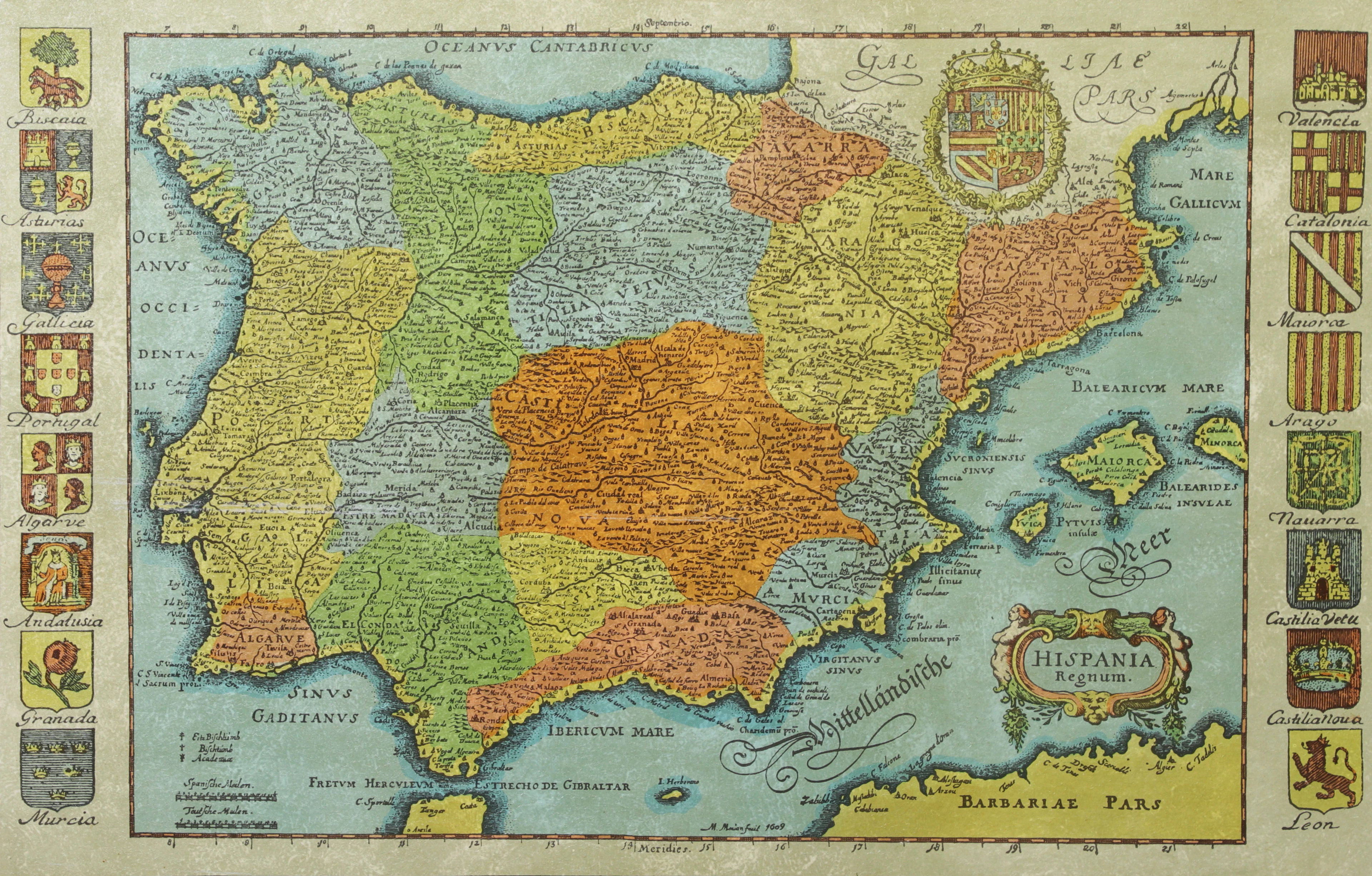
KARTA, Spanien, inramad, 1900-talets andra hälft.
10/14/2026
€26.88
Est.: €44.79
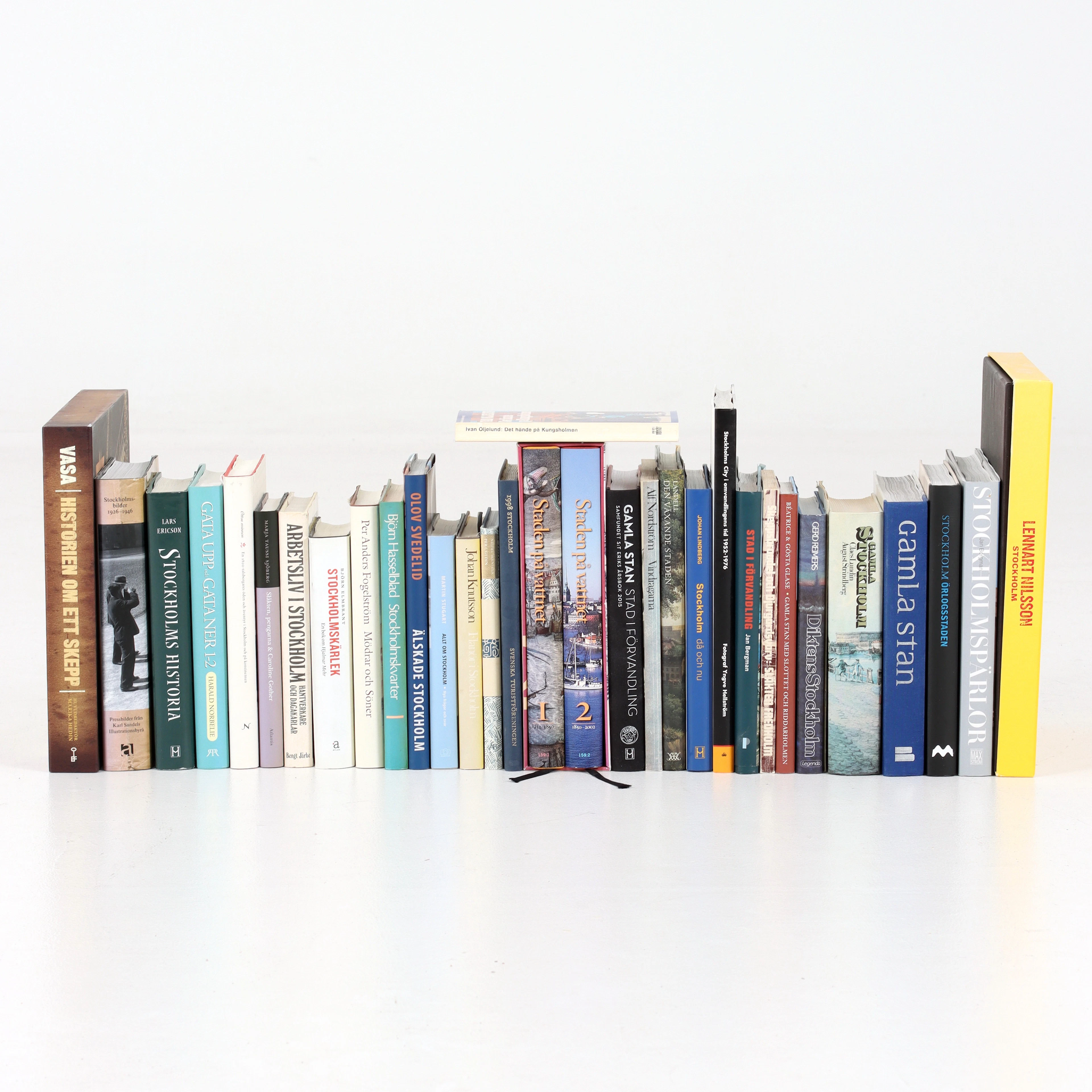
BÖCKER om STOCKHOLM, 31 st, 1900-talets senare del.
10/14/2026
€47.04
Est.: €53.74


OCT 27 | 4:00 PM
¡Lleva tu subasta a coleccionistas de todo el mundo!
Publica ahoraAl suscribirte, aceptas la política de privacidad. Cancela tu suscripción en cualquier momento.
Barnebys HQ
Brahegatan 10
BOX 5038
114 37 Stockholm
