


Todas las subastas / Arte Antiguo / Ancient Roman Pottery Vessel (No reserve price)

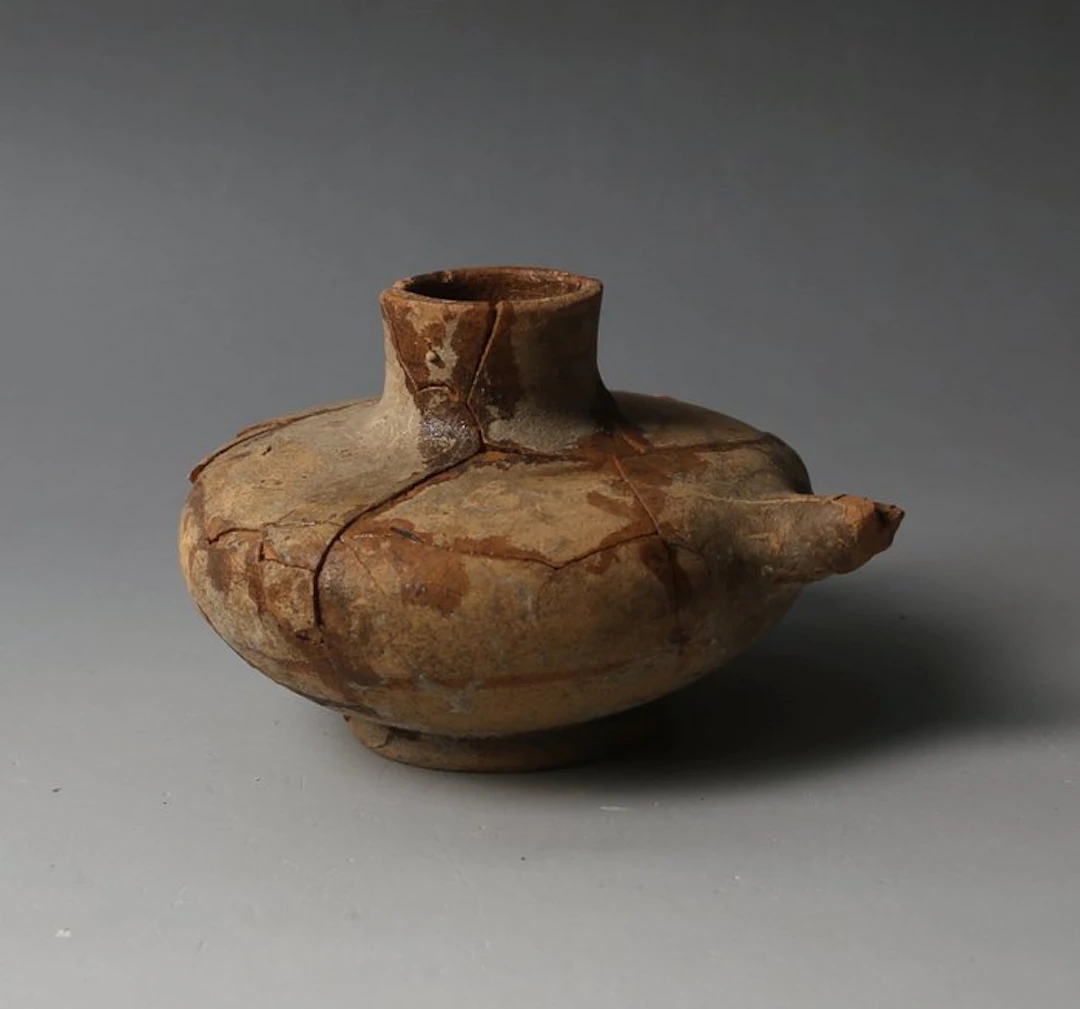
ITEM: Vessel MATERIAL: Pottery CULTURE: Roman PERIOD: 1st - 3rd Century A.D DIMENSIONS: 63 mm x 97 mm CONDITION: Good condition, repaired PROVENANCE: Ex Dutch private collection, acquired between 1970 - 1990 Comes with Certificate of Authenticity and Export license. Roman jugs, often referred to by their Latin names such as oinochoe, lagynos, or ampulla, were ubiquitous vessels in the Roman world, designed primarily for holding, serving, and pouring wine, water, or other beverages. Made from diverse materials including pottery (terra sigillata), bronze, and glass, jugs varied in size and refinement according to their intended use, ranging from simple, utilitarian terracotta pitchers used in the kitchen to elaborately decorated bronze vessels employed during formal banquets (convivia). The bronze jugs, in particular, often featured intricate handles molded with mythological figures, masks, or animal heads, showcasing the Roman mastery of metalworking and reflecting the high status of the owner. The evolution of Roman jugs was influenced by both Etruscan and Greek traditions, but the vessels were adapted to the distinctly Roman custom of communal dining and drinking. Clay jugs, especially those produced in mass quantities throughout the empire, were essential for local commerce and military provisioning. The Roman emphasis on hygiene and the widespread availability of blown glass from the 1st century CE onwards led to a proliferation of glass jugs. These were prized for their non-porous nature and clarity, allowing the contents to be seen. Glass jugs, often found in domestic and funerary contexts, typically featured a single handle, a wide belly, and a slightly flared or pinched rim designed for easy pouring and minimal spillage. Beyond their practical use in the tavern or dining room, Roman jugs held ritual and symbolic significance. In religious rites, they were used to pour libations to the gods, making them common finds near altars and temples. In funerary contexts, jugs were often included as grave goods—sometimes even intentionally broken—symbolizing the consumption of beverages in the afterlife or providing sustenance for the deceased's journey. Regardless of their material, Roman jugs stand as testament to the advanced manufacturing and widespread trade networks of the Imperial era, reflecting the daily habits, religious beliefs, and social stratification of the people who used them.
Estimación:€150
Ir a la subastaVer todos los artículos deCatawikioArte Antiguo
Estimación:
€150
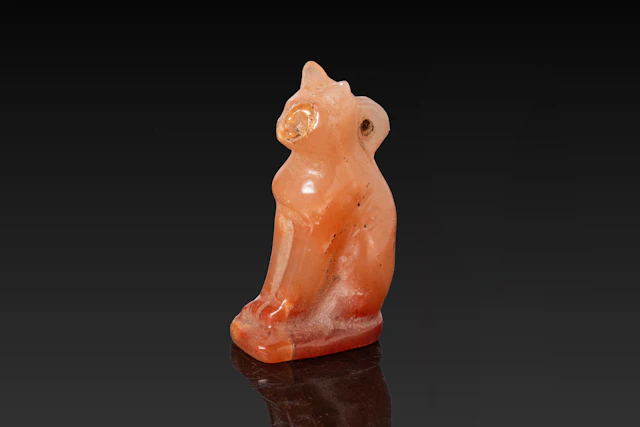
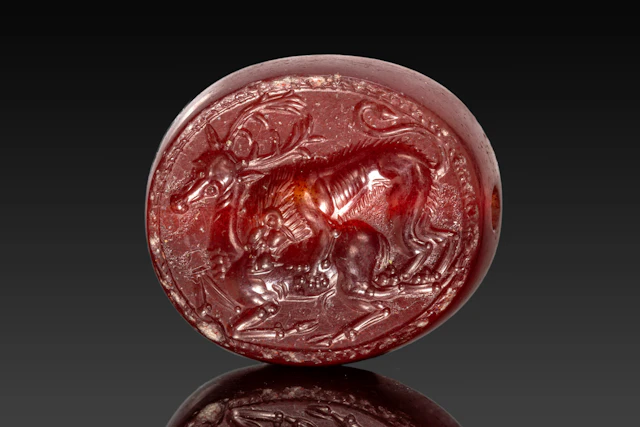
ETRUSCAN CARNELIAN STAMP SEAL WITH A LION ATTACKING A STAG
06/21/2026

€5,796.91
Est.: €5,773.91
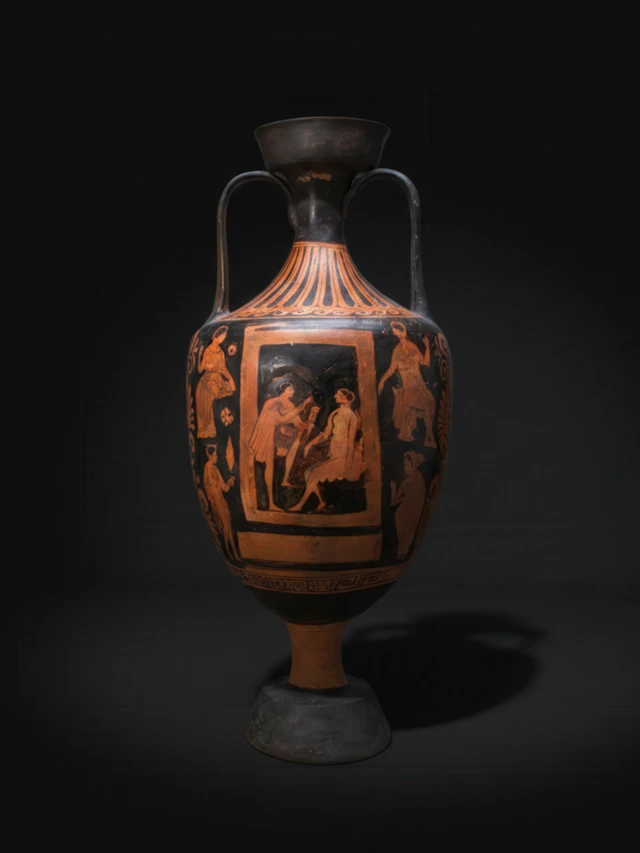
LARGE APULIAN RED-FIGURE AMPHORA WITH NAISKOS SCENE AND ALTAR
06/21/2026
€6,376.6
Est.: €5,773.91

OCT 27 | 4:00 PM
¡Lleva tu subasta a coleccionistas de todo el mundo!
Publica ahoraAl suscribirte, aceptas la política de privacidad. Cancela tu suscripción en cualquier momento.
Barnebys HQ
Brahegatan 10
BOX 5038
114 37 Stockholm
