
Todas las subastas / Arte Antiguo / Ancient Roman Lead Side fragment of a sarcophagus featuring a sphinx

Ancient Roman Lead Side fragment of a sarcophagus featuring a sphinx
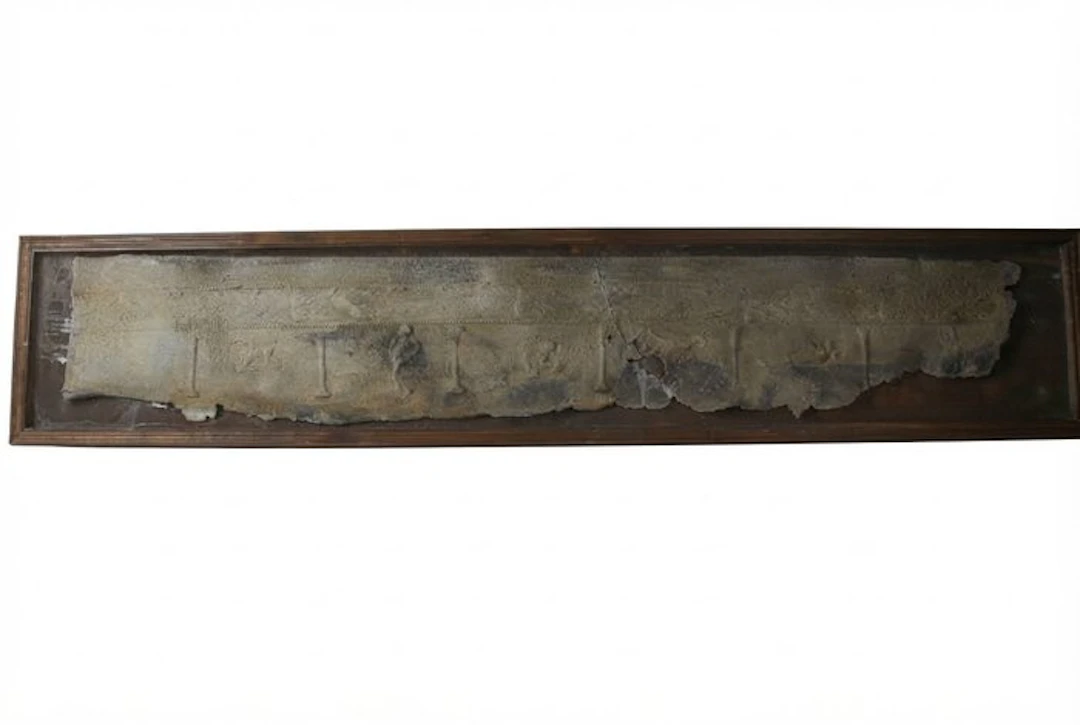
ITEM: Side fragment of a sarcophagus featuring a sphinx, animals, Eros, and an eagle.MATERIAL: Lead CULTURE: Roman PERIOD: 2nd - 3rd Century A.D DIMENSIONS: 1650 mm x 270 mm x 20 mm (piece), with wooden frame 1880 mm x 365 mm x 45 mm. Around 30 kg CONDITION: Good condition, see pictures PROVENANCE: Ex French private collection, G. GRIMM, acquired before 1970s REFERENCES: MORDECHAI A., & SHALEM, D., A decorated fragment of a Tyrian lead coffin from a Cemetery at Akhziv & WHITE, D., Of Coffins, curses and other plumbeous matters PARALLELS: The Metropolitan Museum of Art, Accession number 65.148a–f and 31.116a–i Lead coffins and sarcophagi from the Roman Imperial period—particularly those associated with Eastern Mediterranean or Tyrian workshops—frequently utilized standardized stamps to press rich mythological relief into the heavy metal sheets before folding and soldering. The motifs on this fragment carry profound funerary and apotropaic meanings: The Sphinx: Often serving as a guardian of the underworld, the sphinx protected the tomb and symbolized the mysteries of the afterlife. Eros: Representing both love and the soul's passage, Eros (often depicted winged or playful) lightened the grief of mourning and symbolized rebirth or eternal slumber. The Eagle: A potent imperial and divine symbol, the eagle was believed to carry the soul of the deceased up to the heavens (apotheosis). Animals: Frequently interwoven into decorative friezes alongside floral or architectural dividers (like columns and rosettes), reinforcing the garden of paradise or sacred enclosure imagery This exceptional side fragment of a Roman lead sarcophagus, dating from the 2nd to 3rd century A.D., measures 1650 mm by 270 mm and weighs approximately 30 kg within its custom wooden display frame. Preserved in good condition with a stable ancient patina, the heavy lead panel features intricate relief motifs stamped into the metal prior to casting. Its distinguished provenance traces back to the French private collection of G. Grimm, having been acquired before the 1970s. The piece exhibits a rich iconographic program characteristic of high-status Eastern Mediterranean and Tyrian workshops, incorporating figures such as a sphinx, Eros, an eagle, and various animals. In Roman funerary art, these symbols carried profound apotropaic and transcendent meanings: the sphinx acted as a silent guardian of the tomb, Eros represented the soul's passage or eternal slumber, and the eagle symbolized apotheosis—carrying the departed spirit upward to the heavens. Such reliefs were frequently bordered by architectural elements or floral friezes to evoke the sacred enclosure of the afterlife. Comes with Certificate of Authenticity and Export license Due to the fragility and size of this piece, it can only be shipped within the European Union, United Kingdom and neighbouring countries that can be transported by road by private courier (door to door) and costs 300 euros, 100 euros for Spain.
Estimación:€3,600
Ir a la subastaVer todos los artículos deCatawikioArte Antiguo
Estimación:
€3,600
Artículos similares
Resultados de subastas para artículos similares
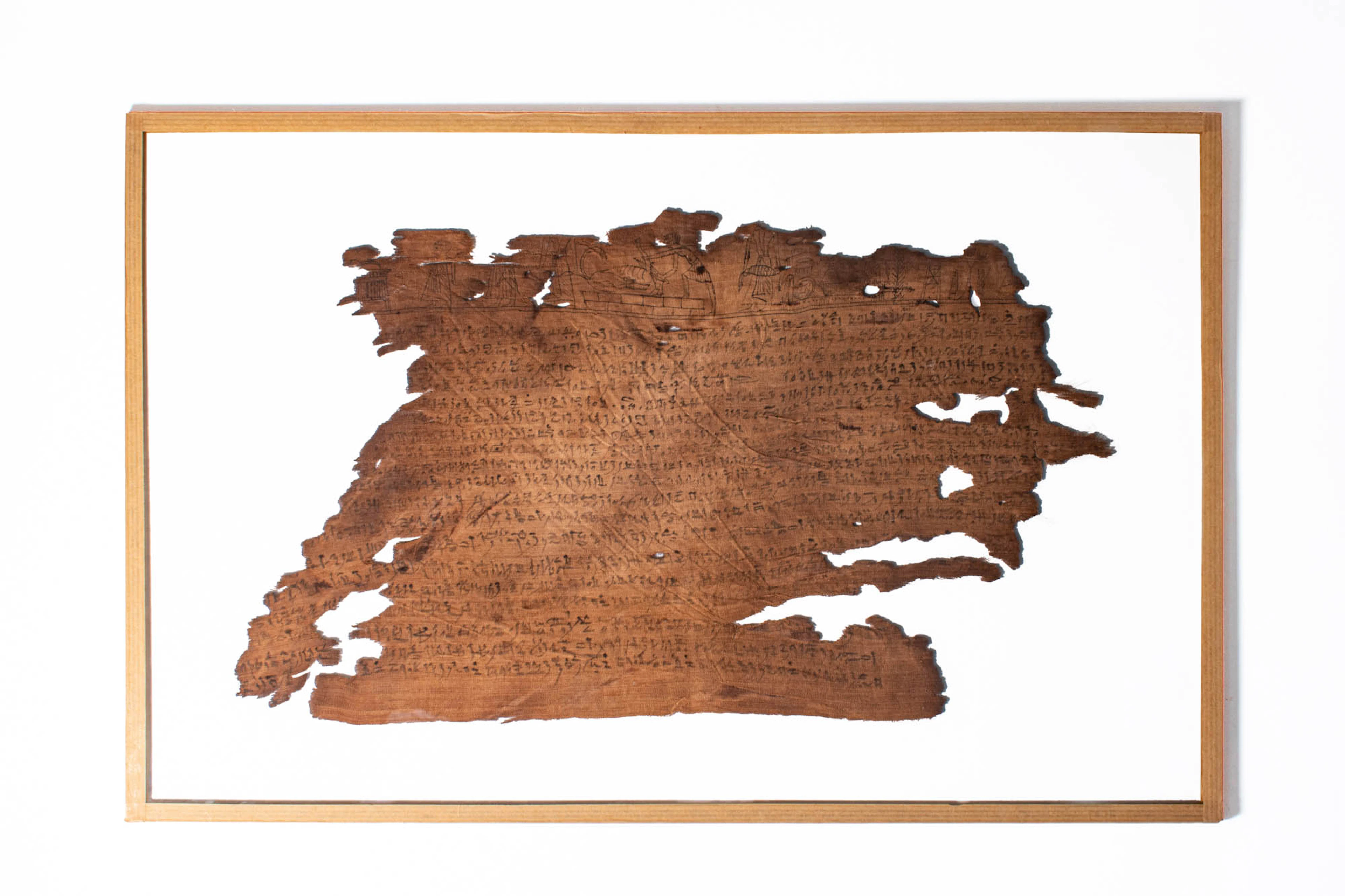
RARE EGYPTIAN MUMMY BANDAGE OF DJEDHOR - BOOK OF THE DEAD
06/21/2026

€3,478.14
Est.: €3,464.34
¡Lleva tu subasta a coleccionistas de todo el mundo!
Publica ahora