


Todas las subastas / Arte Antiguo / Ancient Roman Collection of ± 100 Roman Multicoloured...

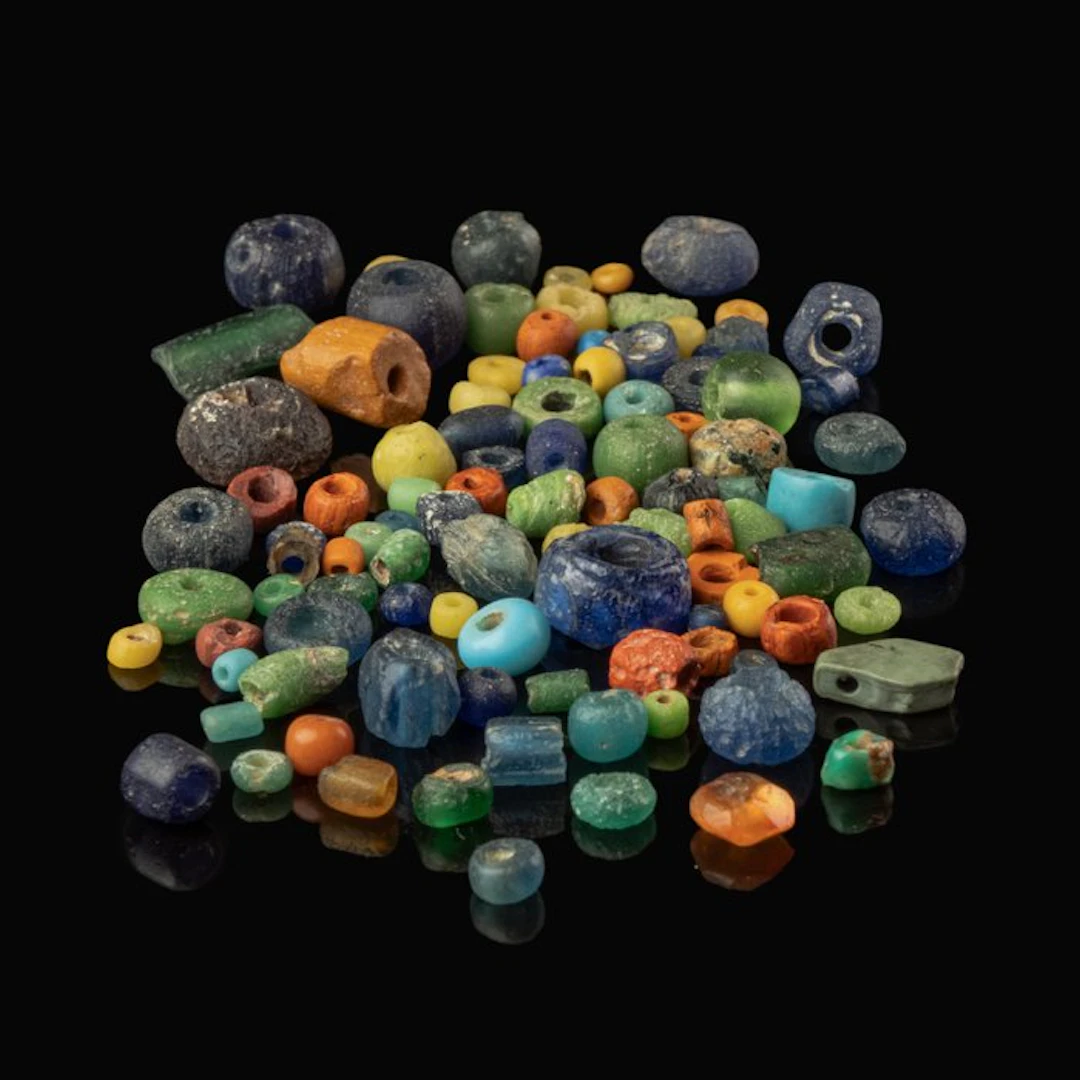
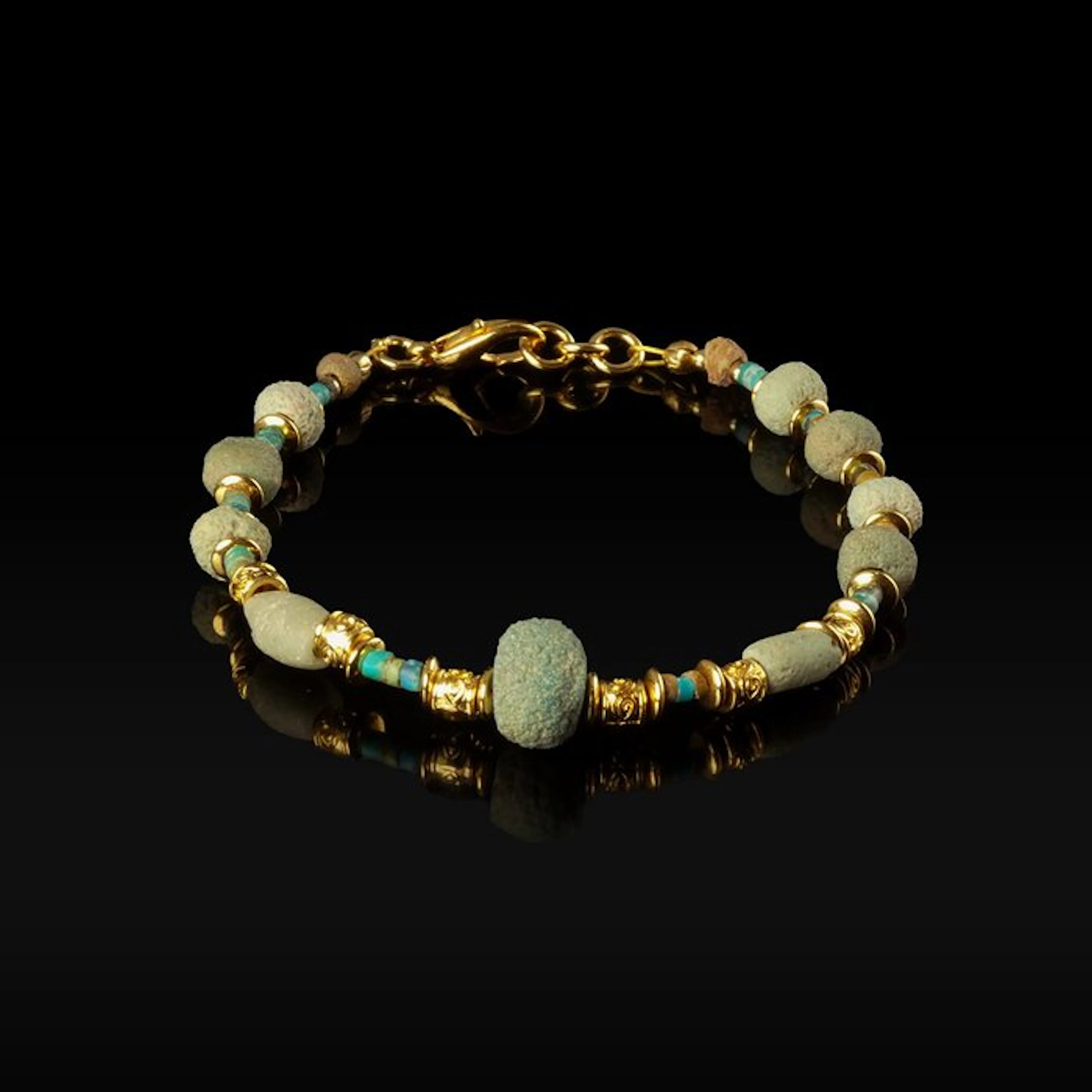
Attention: due to customs regulations we can only ship inside the European Union. Please ensure you have a valid EU shipping address before placing a bid. Collection of 100 multicoloured Roman glass beads in wide range of colours, including deep cobalt blue, turquoise, green, orange, red and yellow tones. The group displays considerable variation in size, shape and manufacture. Many beads retain their original irregular forms, reflecting hand production and everyday use in antiquity. The diversity of colours and textures creates a visually rich assemblage, representative of Roman glass bead production. -> Sizes vary from very small personal adornment beads to larger statement pieces, illustrating the broad stylistic range used across ancient cultures. Together they form an attractive study collection suitable for jewellery reconstruction, display, or educational reference. Sizes range ± 2,3 - 9,6 mm diameter Condition: Good condition, visible signs of wear consistent with age and use. Certificate of Authenticity: Available upon request (pdf-format) for sale price of € 100 or more. Provenance: Composed of beads originating from various old collections, acquired in the UK between 2016–2024. Character: Each ancient bead displays subtle variations and signs of age, reflecting its long history and adding to the unique charm of every composition. Please note: Photographed in a professional studio against a deep black background to enhance contrast and detail. Studio lighting and individual screen settings may slightly affect the appearance of colours. Historical background: Glass has existed in natural forms since prehistoric times; however, humans first began producing glass around 4,000 years ago in Mesopotamia, when craftsmen discovered how to combine sand, soda and lime. For centuries, glass remained a luxury material reserved for the upper classes. Across the Mediterranean world, glassmakers developed techniques such as casting, core-forming and mosaic glass, while experimenting with colours using metallic oxides including cobalt and copper. The Romans adopted glassmaking following the conquest of Egypt in the 1st century BC. During the 1st century AD, the invention of glassblowing revolutionised production, allowing for larger-scale manufacturing. By adding manganese dioxide, Roman glassmakers were able to produce colourless or ‘aqua’ glass. Roman glass became highly popular and was widely used for beads, vessels, mosaic tiles and window panes. It was traded throughout the Roman Empire and beyond, reaching regions such as Central Africa, Scandinavia and, via the Silk Road, as far as China.
Estimación:€210
Ir a la subastaVer todos los artículos deCatawikioArte Antiguo
Estimación:
€210
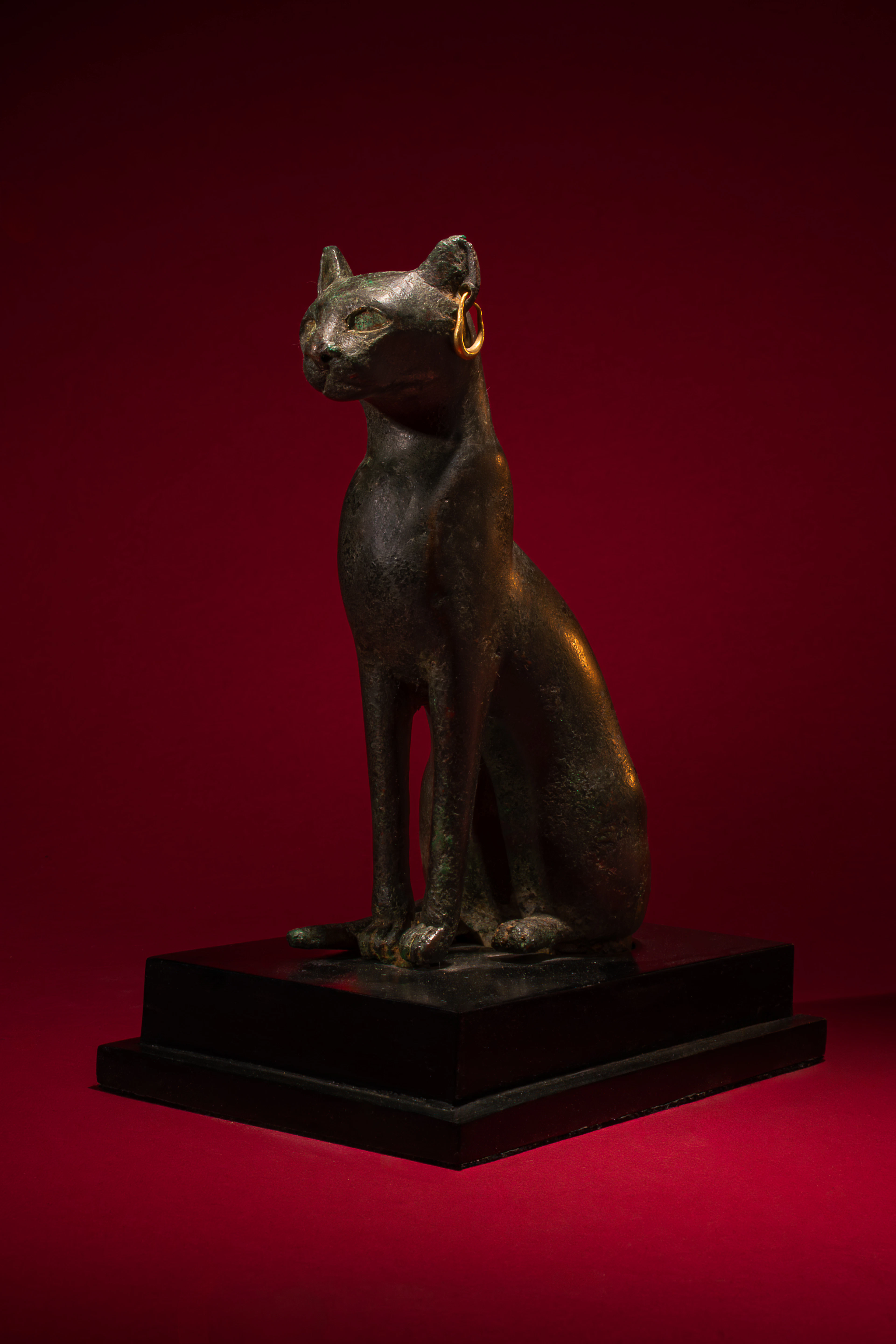
RARE EGYPTIAN BRONZE CAT STATUETTE WITH GOLD EARRINGS - LARGE SIZE
06/21/2026

€25,506.4
Est.: €23,095.64
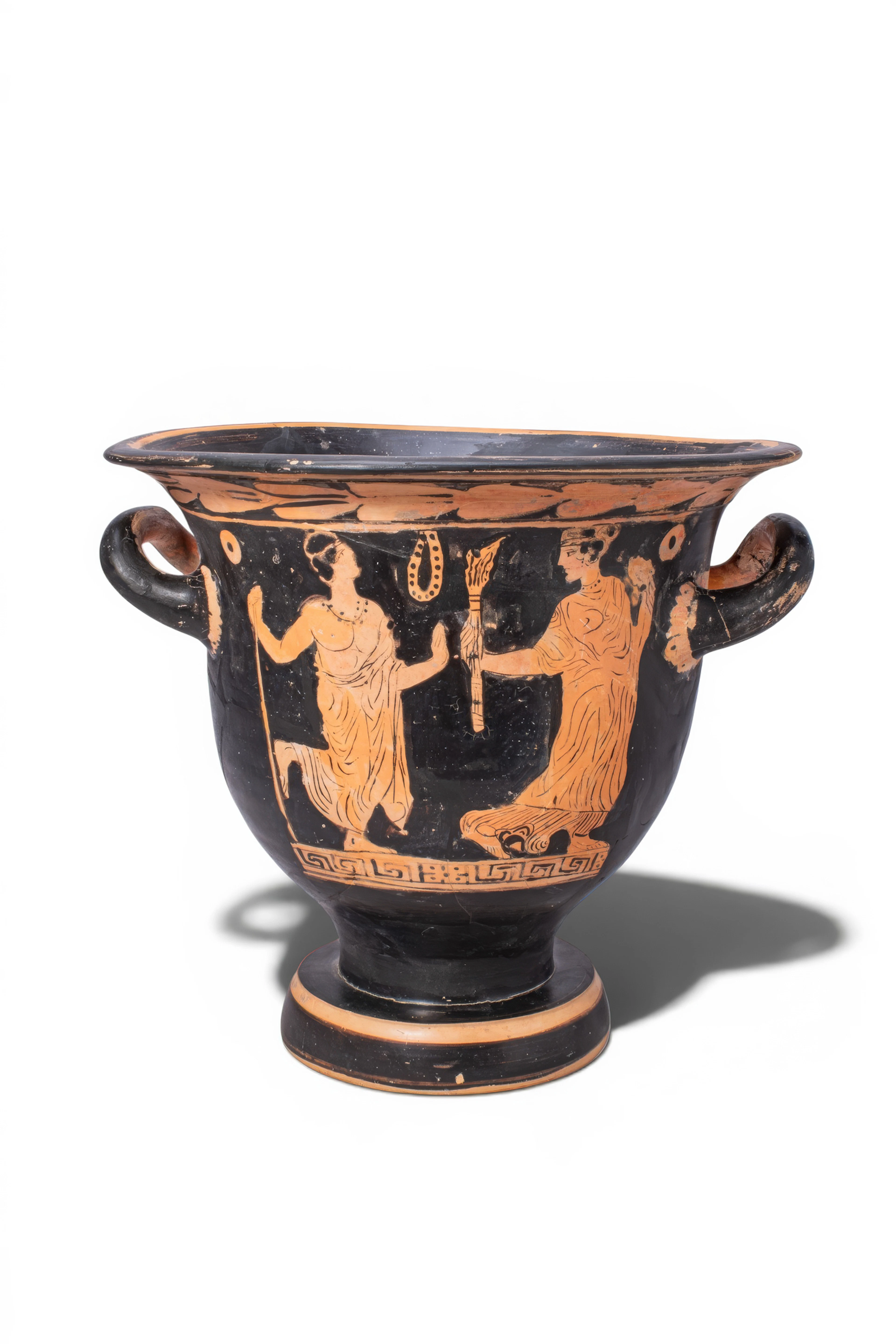
APULIAN RED-FIGURE BELL KRATER WITH KOMASTOS AND MAENAD - TL TESTED
06/21/2026
€3,014.39
Est.: €2,304.2
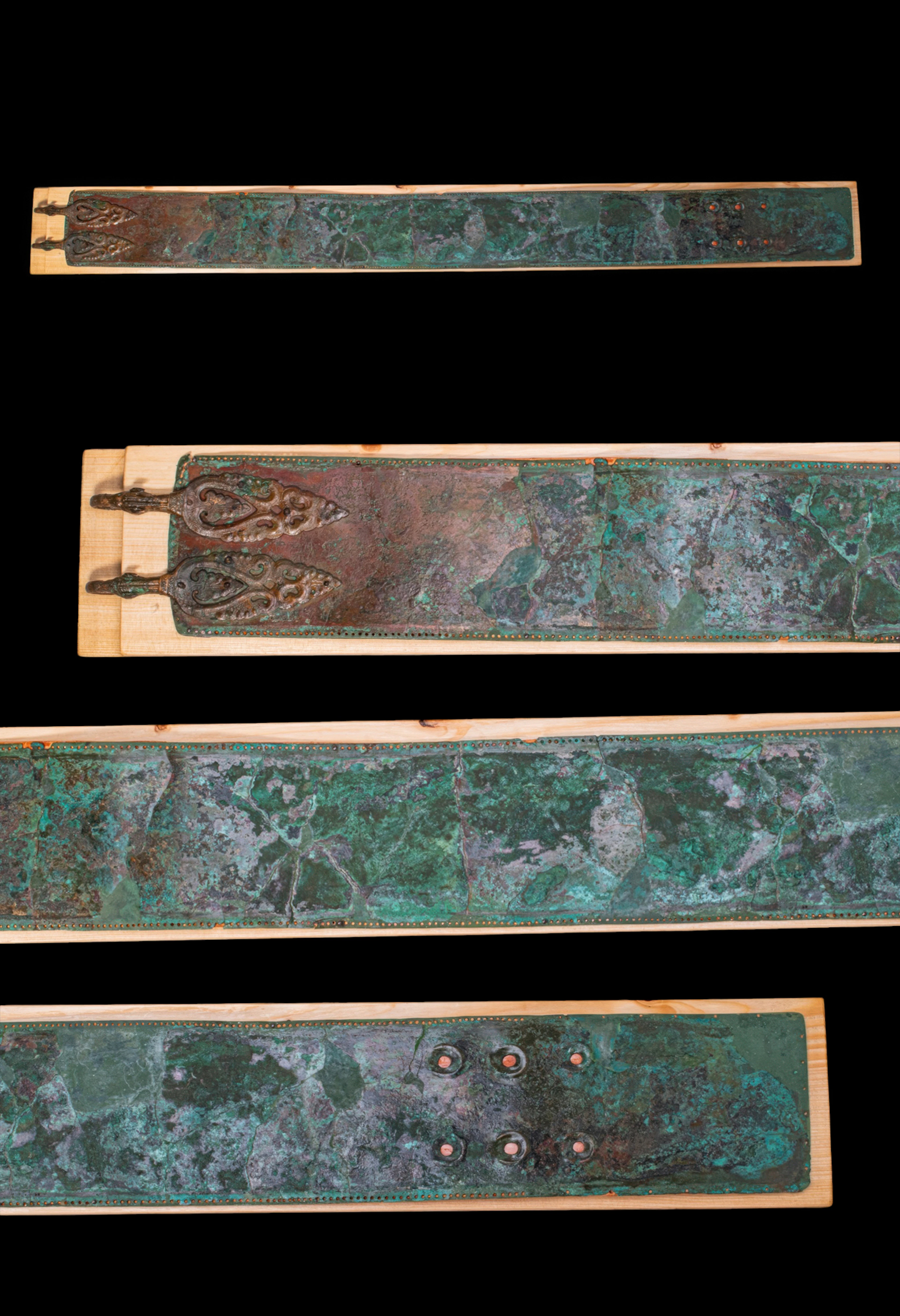

OCT 27 | 4:00 PM
¡Lleva tu subasta a coleccionistas de todo el mundo!
Publica ahoraAl suscribirte, aceptas la política de privacidad. Cancela tu suscripción en cualquier momento.
Barnebys HQ
Brahegatan 10
BOX 5038
114 37 Stockholm
