




Todas las subastas / Arte Antiguo / Ancient Roman Bronze lot with parts from a lock and boxes (No reserve price)


"Ancient Roman Bronze Collection of Lock Mechanisms and Box Fittings Culture / Period: Ancient Roman Date / Period: 1st–2nd century AD Material: Bronze Dimensions: 45–130 mm Condition: Good condition. No shipping outside the European Union. Due to complex export regulations concerning cultural goods, this item cannot be shipped outside the EU. Please ensure you have a delivery address within the European Union before placing a bid. Provenance information: Object Registration ID: 1052 The current owner (S.N.J. S.) purchased the collection of Roman bronze lock components and box fittings from J.P. in Eijsden, the Netherlands. The previous owner, J.P. from Eijsden (the Netherlands), stated that the objects had been in his collection since the 1990s. According to the previous owner, the objects had previously been in a private collection in the Netherlands since the 1990s. No further information concerning the earlier ownership history of the objects was available from the previous owner. Background Information: Bronze locks, keys and decorative box fittings were important elements of Roman domestic life, reflecting the practical need to secure personal possessions, valuables and household goods. During the 1st and 2nd centuries AD, Roman craftsmen developed sophisticated locking mechanisms for wooden chests, cupboards, storage boxes and doors. These objects combined mechanical functionality with the decorative metalworking traditions characteristic of the early Roman Imperial period. This collection consists of various bronze components associated with Roman locks, boxes and furniture fittings. The pieces include elongated mechanical elements, perforated lock components, fastening devices and decorative attachments. Several objects display carefully formed openings, projecting elements and shaped terminals, illustrating the practical construction of Roman locking and fastening systems. Other pieces feature ornamental forms that reflect the attention given to the appearance of everyday household equipment. Roman locks were often based on sliding bolts, spring mechanisms and specially shaped keys. Some incorporated internal pins or wards that required a corresponding key to operate the mechanism. Bronze was particularly suitable for the manufacture of smaller mechanical components because of its casting properties, durability and resistance to corrosion. Iron was also widely employed, especially for structural and functional elements requiring additional strength. Wooden chests and boxes were common furnishings in Roman households, workshops, commercial establishments and military settlements. They were used to store coins, jewellery, documents, clothing and other personal belongings. Since wooden components rarely survive in archaeological contexts, bronze fittings, hinges, locks and decorative attachments provide important evidence of the construction and appearance of Roman furniture and storage equipment. The manufacture of these objects required specialised craftsmanship. Roman metalworkers employed casting, hammering, filing and drilling techniques to produce components that fitted together accurately. Decorative fittings were frequently cast in moulds and subsequently finished by hand, while mechanical parts required careful shaping to ensure reliable operation. Workshops throughout the Roman Empire produced both standardised functional equipment and more elaborate fittings intended for decorated wooden boxes and furniture. During the 1st and 2nd centuries AD, particularly under the Flavian, Trajanic, Hadrianic and Antonine emperors, Roman settlements and military installations expanded across the northwestern provinces. The demand for household equipment, storage containers and locking mechanisms supported established networks of craftsmen and merchants. Comparable bronze fittings circulated throughout the Roman Empire, reaching regions such as present-day France, Germany, Belgium and the Netherlands. This collection illustrates an interesting aspect of Roman technological development and everyday craftsmanship. The combination of mechanical lock components and decorative box fittings demonstrates how Roman artisans integrated practical engineering with ornamental design. These objects provide a direct and tangible connection to daily life in the Roman world, where secure storage, skilled metalworking and functional household equipment formed an important part of both private and commercial activities."
Estimación:€210
Ir a la subastaVer todos los artículos deCatawikioArte Antiguo
Estimación:
€210
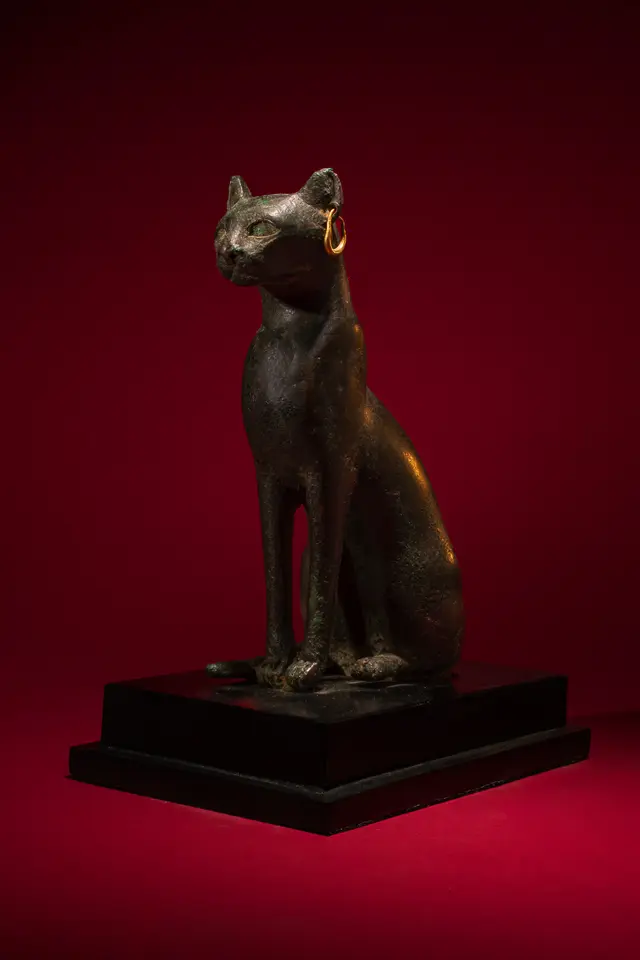
RARE EGYPTIAN BRONZE CAT STATUETTE WITH GOLD EARRINGS - LARGE SIZE
06/21/2026

€25,506.4
Est.: €23,095.64
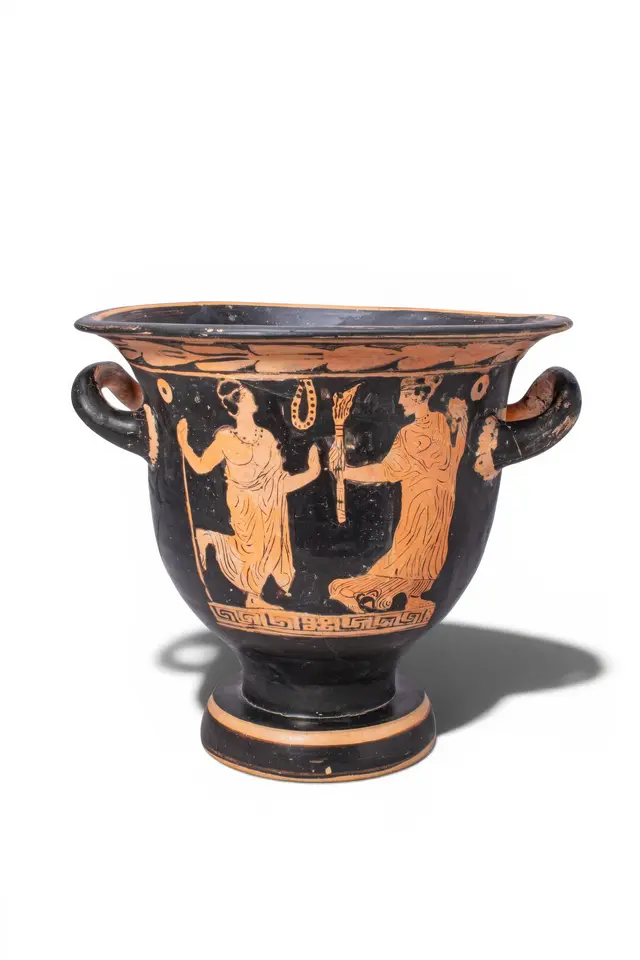
APULIAN RED-FIGURE BELL KRATER WITH KOMASTOS AND MAENAD - TL TESTED
06/21/2026
€3,014.39
Est.: €2,304.2
¡Lleva tu subasta a coleccionistas de todo el mundo!
Publica ahoraAl suscribirte, aceptas la política de privacidad. Cancela tu suscripción en cualquier momento.
Barnebys HQ
Brahegatan 10
BOX 5038
114 37 Stockholm
