lote/ancient roman W2x2Emk 632752637 / En venta
lote/ancient roman W2x2Emk 632752637
En ventaHistorial de precios
lote/ancient roman W2x2Emk 632752637
En ventaHistorial de precios
¡Lleva tu subasta a coleccionistas de todo el mundo!
Publica ahora¡Lleva tu subasta a coleccionistas de todo el mundo!
Publica ahoraAl suscribirte, aceptas la política de privacidad. Cancela tu suscripción en cualquier momento.
Barnebys HQ
Brahegatan 10
BOX 5038
114 37 Stockholm
Todas las subastas / Arte Antiguo / Ancient Roman

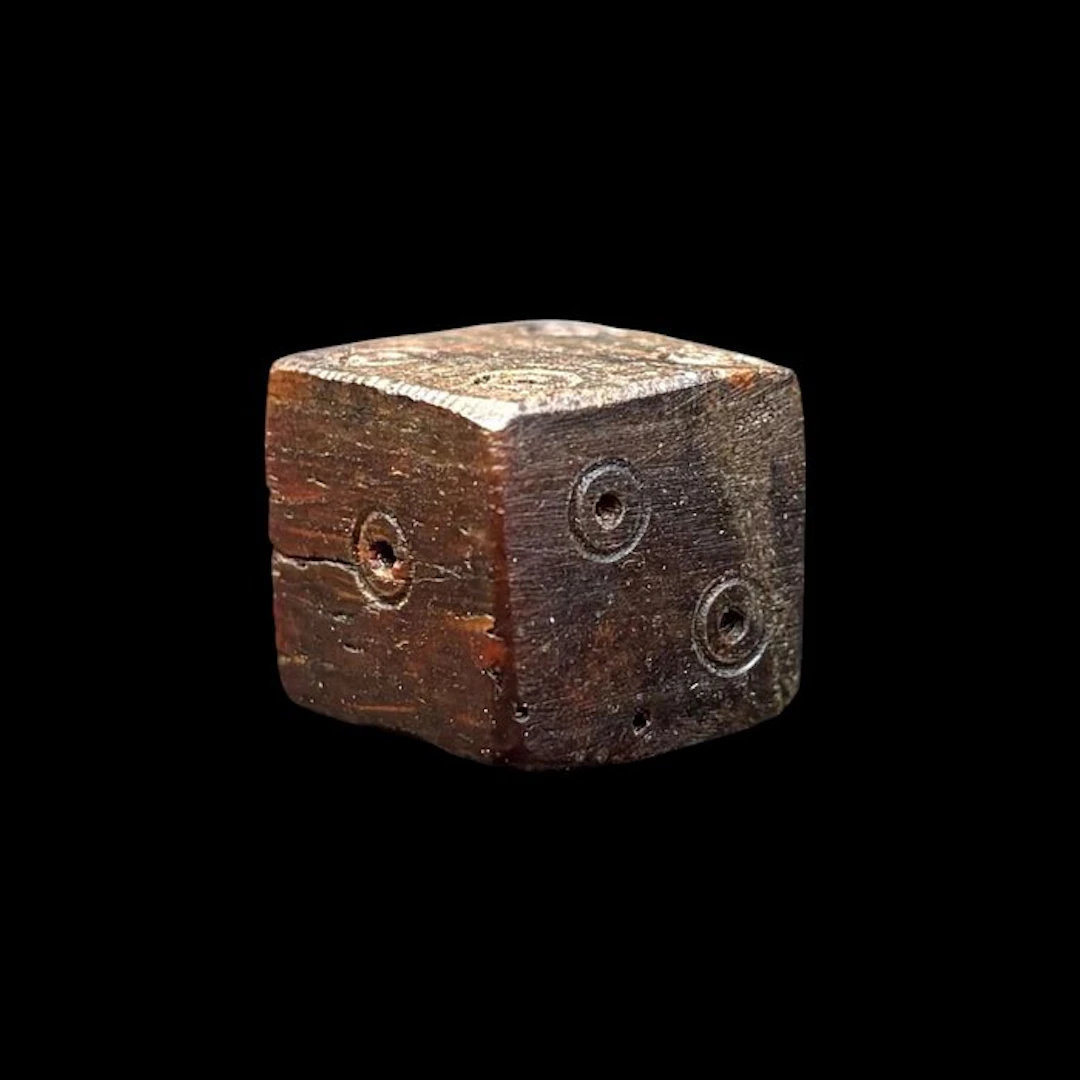
The second century AD was a period of prosperity for the Romans in the Netherlands. The limes, the Roman border that stretched along the great rivers, was secured to a considerable extent and only needed to be guarded. To guard a border that ran through the entire country from Germany to the North Sea, you needed many soldiers. A river is a natural border, both difficult to cross and easier to defend. Many Dutch towns, such as Utrecht, Nijmegen and Leiden, owe their origins to the Roman limes. Along this border many forts (castella) and military camps (castra) were established. These settlements primarily served to protect the borders, they also provided space for trade. Trade took place between the different limes settlements, usually via the river. The Romans also traded with the native tribes on the other side of the border. The Romans did not live in a constant state of war with their 'barbarian' neighbors, and peaceful contact was certainly possible. With many impressive watchtowers, the limes functioned more as a boundary and hopefully a deterrent, than an impregnable separation. In the second century AD, it was fairly quiet in the south of the Netherlands (the province Germania Inferior). The soldiers in the military camps, forts, and watchtowers must have been terribly bored at times. The Roman commanders kept the soldiers busy with cooking, cleaning, and gymnastic exercises. You can only be bored with that for so long. One of the things the Romans soldiers were clever at was finding distractions. They were known for loving dice, gambling, and other games of chance. They often challenged each other to stake money or other possessions. That quickly makes a game exciting! In several places where Roman settlements once stood, remnants of games have been found. Many of these games are still recognizable to us today. A fine example are these dice, on display at the Rijksmuseum van Oudheden in Leiden. The dice found looked not much different from our dice. There are even examples of dice loaded on one side, so the chance of landing on six was very high! Fortuna—the goddess of luck, chance, and fate—would surely not have been pleased about that. Dimensions: 12 x 12 x 11 mm Weight: 2.77 grams Material: bone / bone Condition: excellent, a very fine die that is even more beautiful in reality. Shipping method: this lot is securely packed and shipped via DHL or DPD using Catawiki's smart shipping."
Estimación:€210
Ir a la subastaVer todos los artículos deCatawikioArte Antiguo
Estimación:
€210
¡Lleva tu subasta a coleccionistas de todo el mundo!
Publica ahora
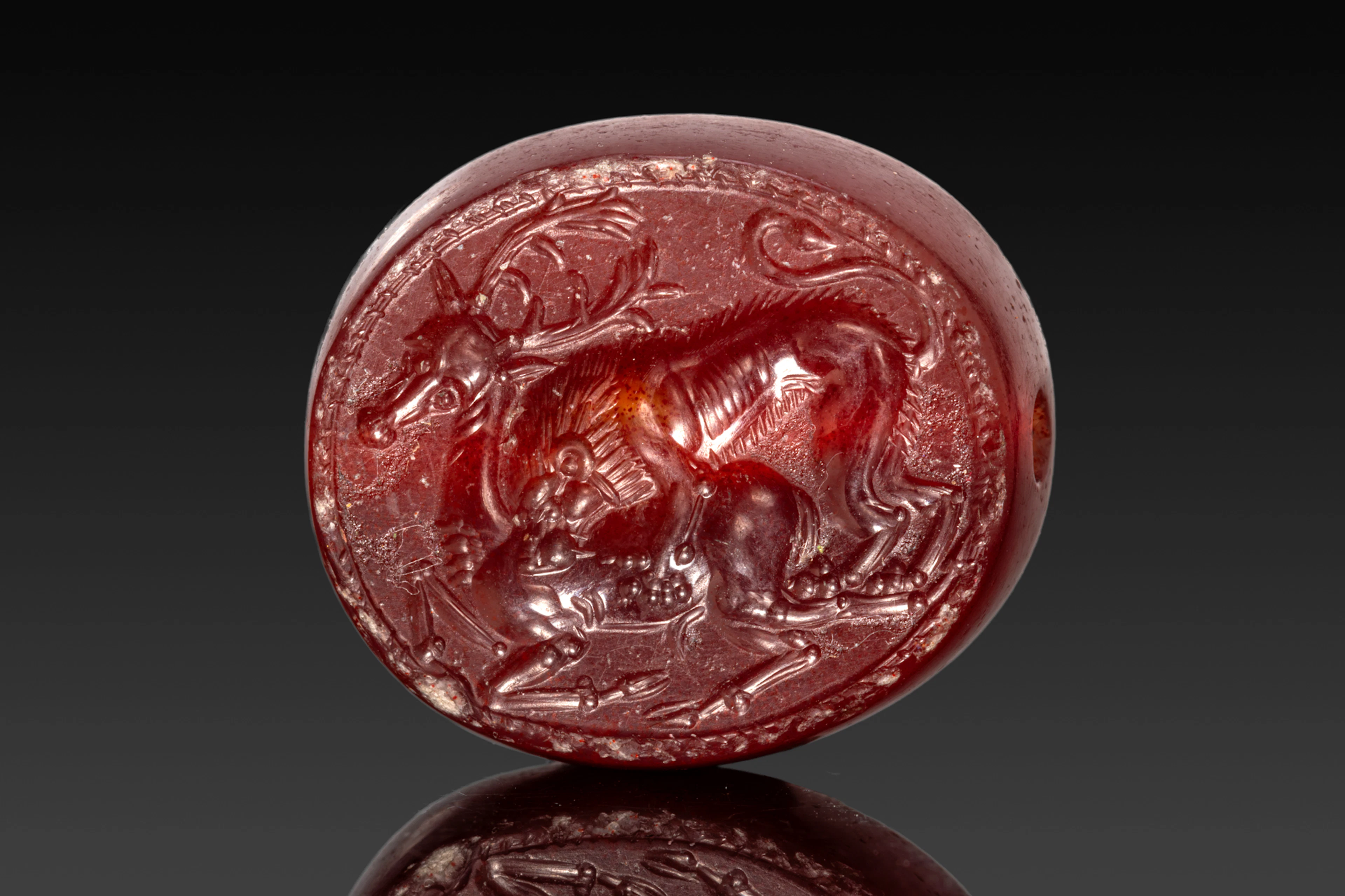
ETRUSCAN CARNELIAN STAMP SEAL WITH A LION ATTACKING A STAG
06/21/2026

€5,796.91
Est.: €5,773.91
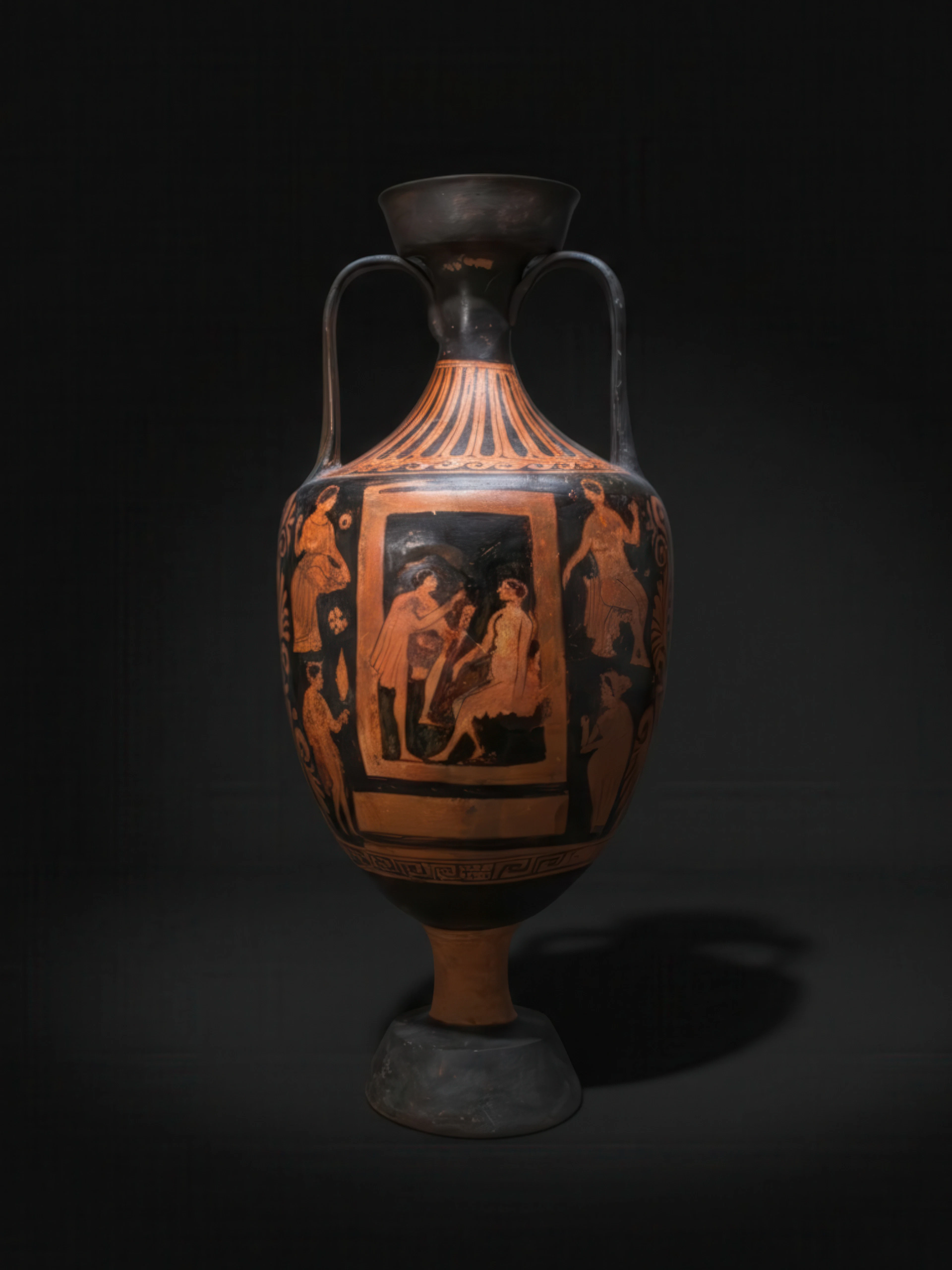
LARGE APULIAN RED-FIGURE AMPHORA WITH NAISKOS SCENE AND ALTAR
06/21/2026
€6,376.6
Est.: €5,773.91