

JUN 17 | 8:30 AM

Al suscribirte, aceptas la política de privacidad. Cancela tu suscripción en cualquier momento.
Barnebys HQ
Brahegatan 10
BOX 5038
114 37 Stockholm
Todas las subastas / Etnográfica / Cave Bear Fossil Skull Ursus spelaeus, Pleistocene — Complete Dentition
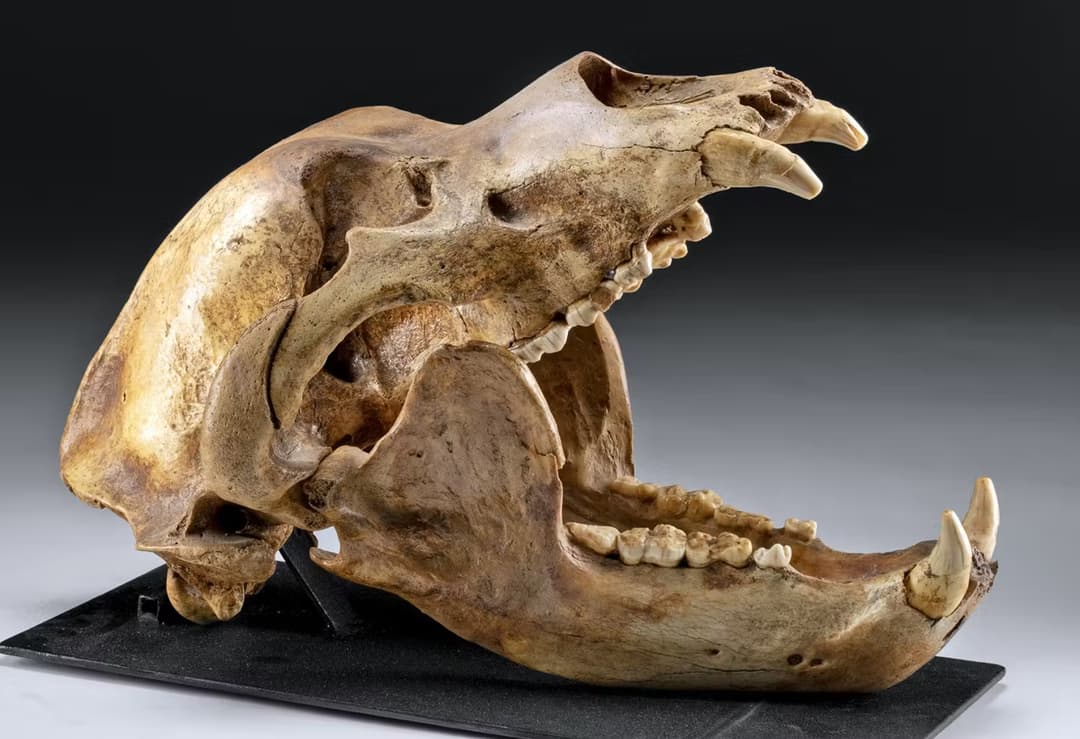
Eastern Europe, Romania, Pleistocene, ca. 40,000 - 24,000 BCE. A skull from a prehistoric European cave bear (Ursus spelaeus)- fossilized with the canine and molar teeth intact- this is one of the best preserved we have ever seen! The lower jaw and upper are mounted with a dynamic open-mouth – the impressive teeth on full display. This bear was probably full grown when it died, as evidenced by the size of the cranium and the worn-down molars and canines. These bears only inhabited caves during hibernation through the harsh Ice Age winters, and the most vulnerable of the population – the young and the old, were more susceptible to dying during this period. The cave acted like a natural tomb, providing a dry place that was ideal for fossilization and preservation of the remains, the coloration from the chemicals and minerals in the environment as the bone aged. Size: 17" L x 9.5" W (43.2 cm x 24.1 cm); 11.5" H (29.2 cm) on included custom stand; canine tooth: 2" L (5.1 cm) Cave bears were once part of the group of megafaunas that roamed Ice Age Europe - alongside mammoths, wooly rhinos, giant deer, and lions - and males of the species could be fifty percent larger than modern day grizzly bears! Enormous cave bears were first described in 1774, and scientists at the time thought their huge remains might be those of polar bears. Later scientists realized that they were once part of the group of megafauna that roamed Ice Age Europe. Ancient humans were aware of the animals and painted them on the walls of caves. Despite the fierce looking teeth and size, cave bears had a mostly vegetarian diet, and ultimately went extinct during the Last Glacial Maximum around 27,000 to 24,000 years ago when the vegetation they relied upon disappeared, and possibly from human hunting as well! Discoveries of caves with discarded stone tools from our ancient human ancestors and markings on bear bones due to butchery, provide a fascinating insight into early human-bear predation. Provenance: private Texas, USA Collection Condition: Choice. Some stable pressure fissures and chips to lower jaw. Chips and wear to teeth, otherwise canines are original and excellent. Upper skull is excellent and more than 95% original material. Chips and stable fissures.
Estimación:€10,414.56
To the auctionVer todos los artículos deArtemis Fine ArtsoEtnográfica
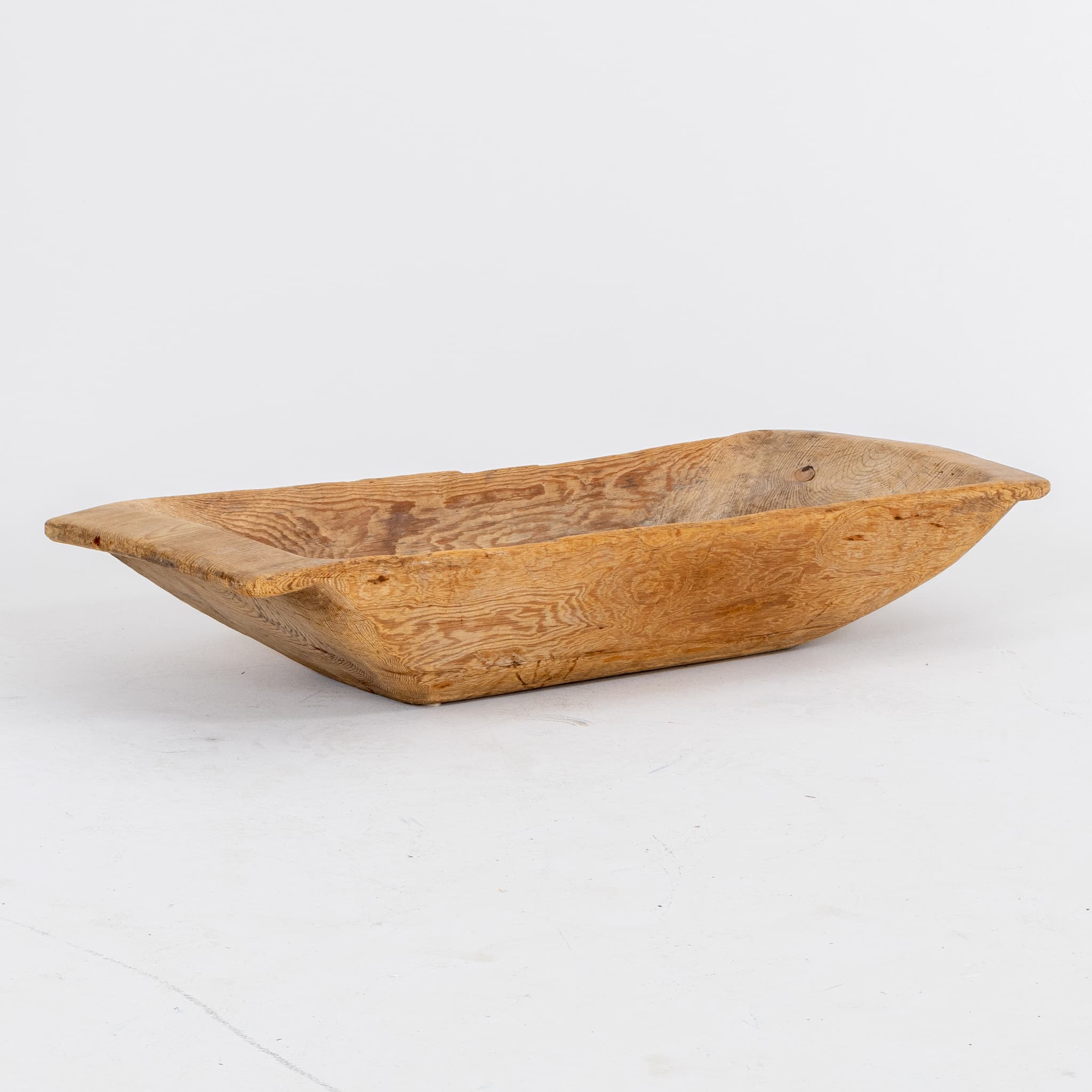
TRÅG, rústico, modelo más grande, probablemente del siglo XIX
09/02/2026
€74
Detalles

JUN 17 | 8:30 AM

JUN 13 | 3:00 PM

JUN 6 | 4:00 PM
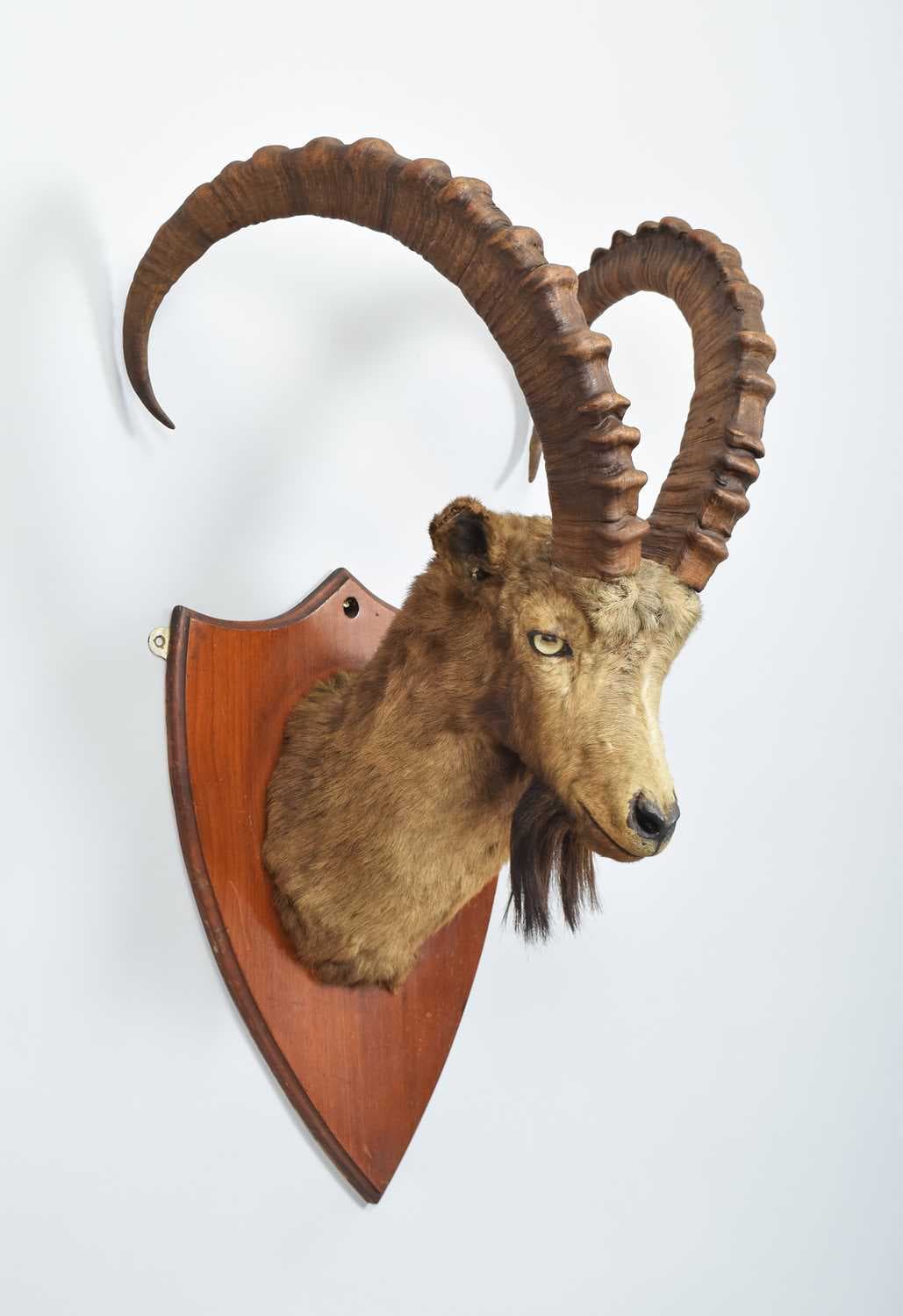
Taxidermy: Siberian Ibex (Capra sibirica sibirica), circa 1920-1930
08/05/2026
€344
Detalles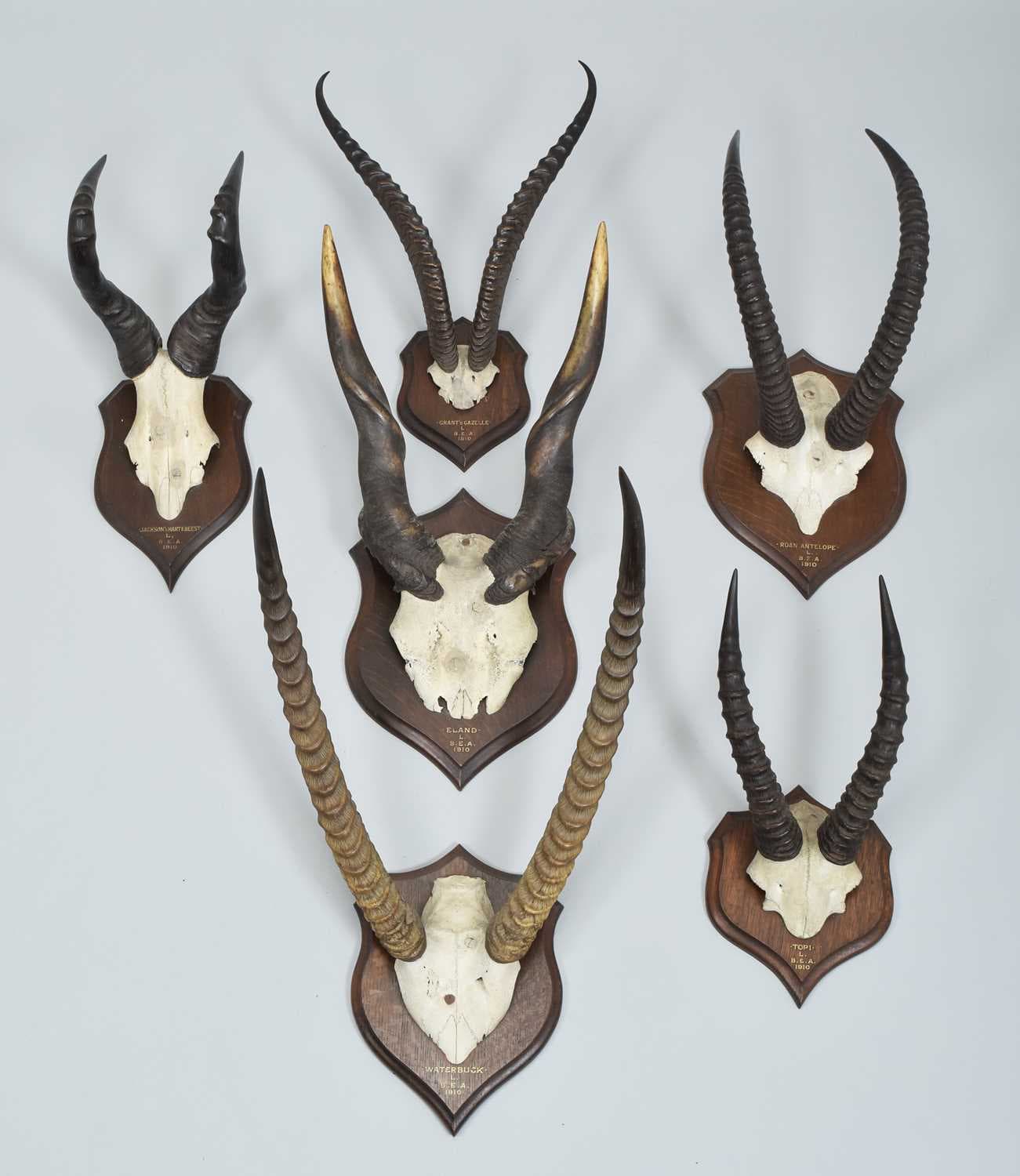
Antlers/Horns: A Group of African Big Game Trophy Horns, dated 1910
08/05/2026
€402
Detalles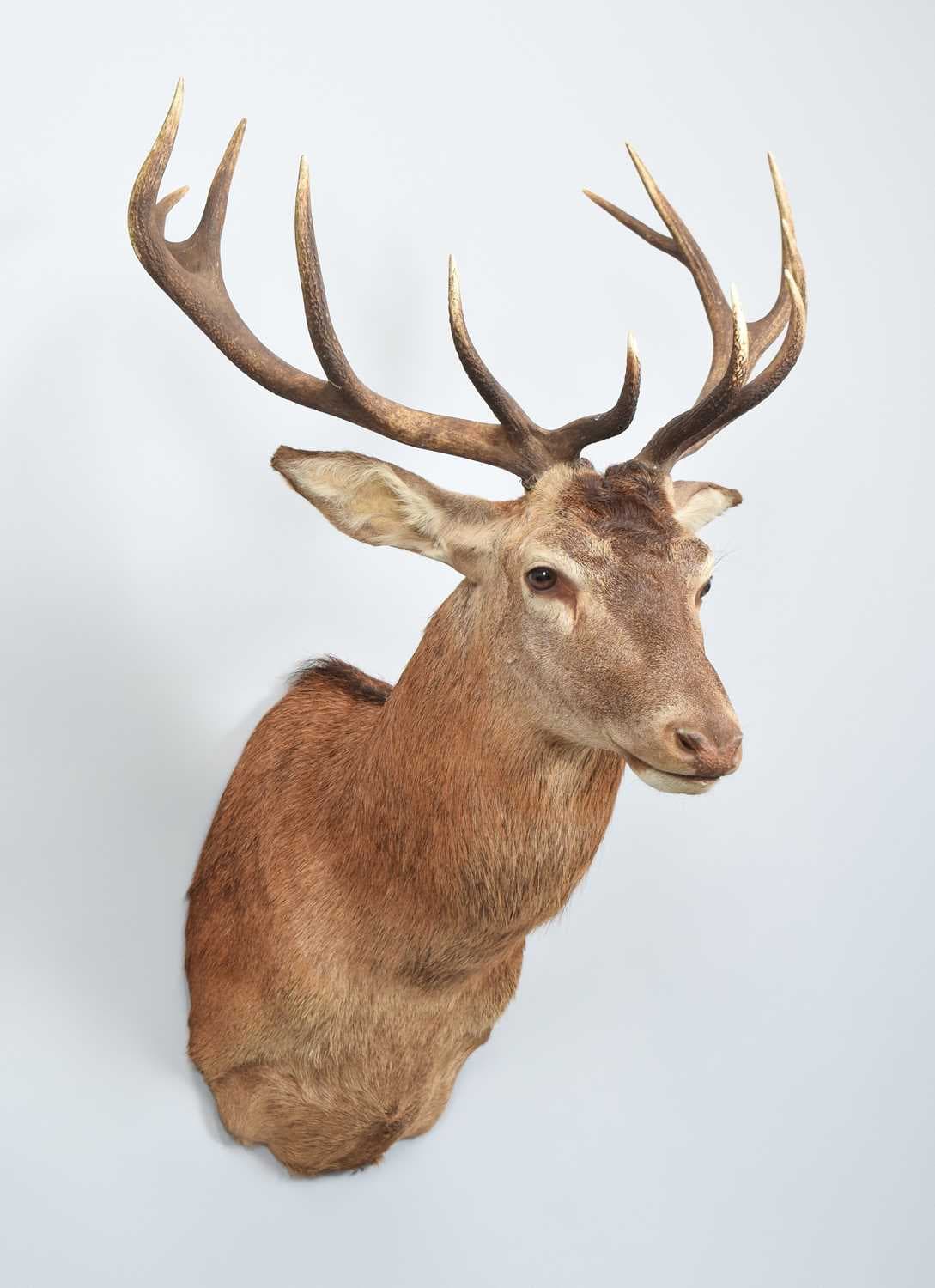
Taxidermy: A Royal Red Deer (Cervus elaphus), modern, (Cervus elaphus)
08/05/2026
€804
Detalles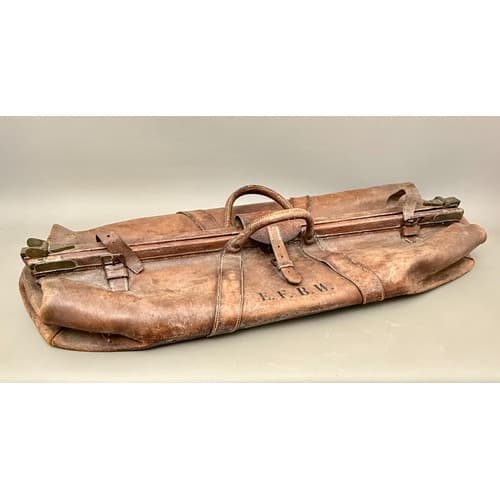
A late 19th / early 20th century leather cricket bag - with ...
06/06/2026
€46
Est.: €58
Detalles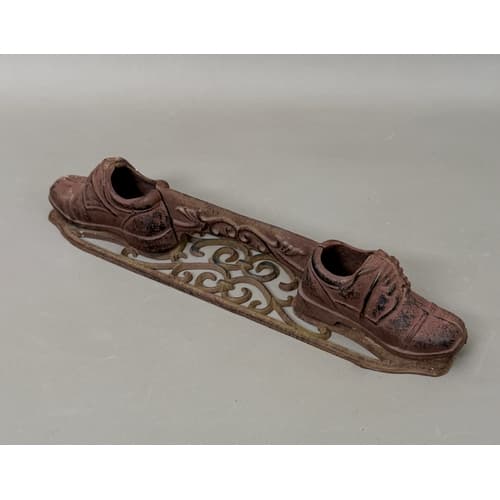
A Victorian style cast iron boot scraper - in the form of tw...
06/06/2026
€17
Est.: €23
Detalles